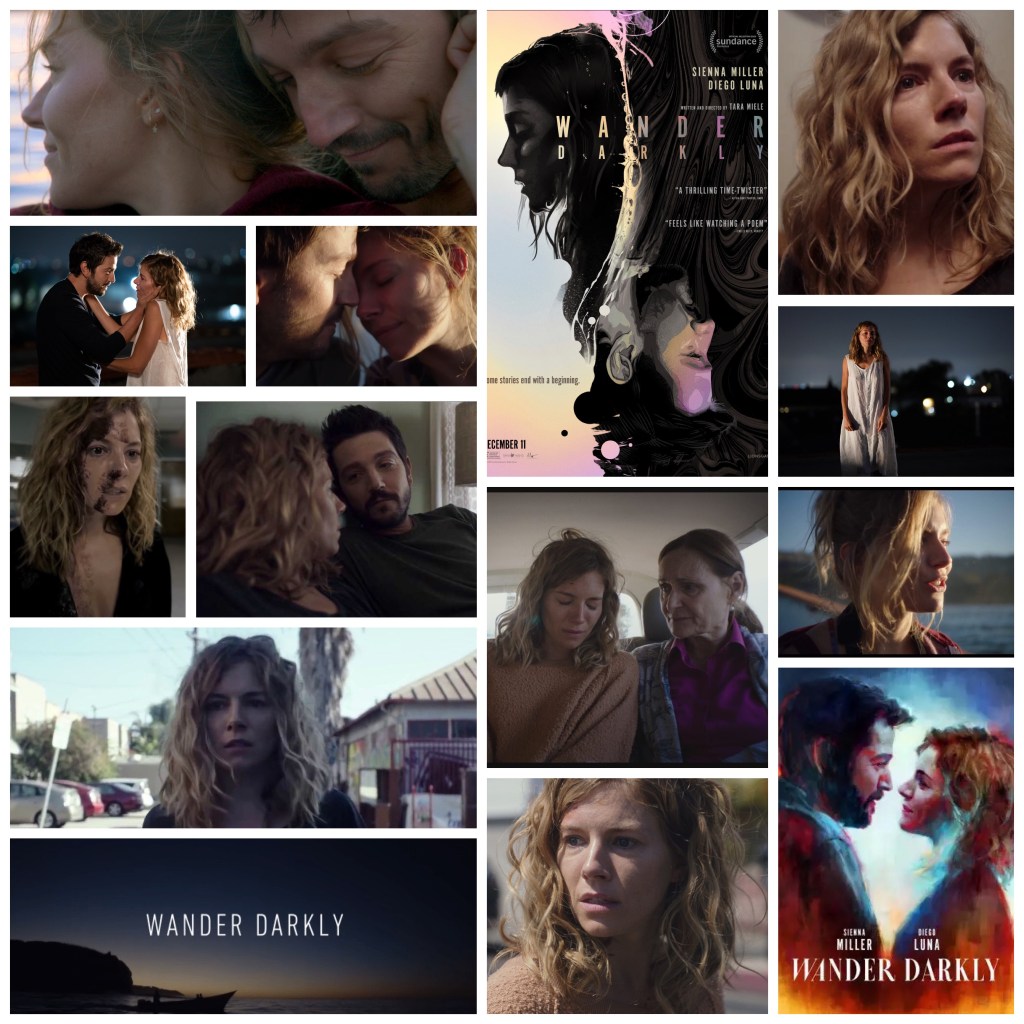
Tara Miele’s Wander Darkly

To properly absorb the fascinating, highly emotional, metaphysically challenging piece of introspection that is Tara Miele’s Wander Darkly you’ll have to literally turn off the part of your brain that processes films in a linear, logical and systematic fashion. That’s not to say it’s some super abstract art installation on celluloid like some filmmakers traffic in, this is a discernible story simply refracted through a prism of unconsciousness, largely taking place in a realm different from ours, and the way that one observes it should be adjusted accordingly. I hate to use comparison all the time but it does help a bit in understanding the journey you’re about to embark on so picture something like Michel Gondry by way of Terence Malick and you’ll have some notion but, as always, this is a singular piece all its own and one of the most impressive, affecting films I’ve seen all year, starting with a performance from Sienna Miller that redefines the idea of acting for camera itself. Her and Diego Luna play a thirty something couple who have just had a newborn baby and are looking forward to their lives ahead.. until a brutal car accident changes everything all in one moment. Moment is the key word for how the film progresses after this even because the only way I can describe the narrative flow employed here is a series of ‘moments’ untethered from any sort of structure or beats. Most of the film takes place in a sort of purgatorial realm between worlds where we wonder if she’s dead, or he’s dead, maybe both of them are or perhaps they’re just stuck in the gauzy limbo between life and death. In any case they find themselves thrown into an elemental algorithm of shifting memories, hazy recollections and free flowing subconscious experience, revisiting keystone moments along the path of their relationship involving their issues as a couple, the baby coming into the world, her fight against mental illness, their stormy relationship with her parents (Beth Grant and Brett Rice, both superb) and a whole nebulous cluster of defining events in their lives distilled into moments, here one second and gone the next. It’s a disorienting, waking-dream experiment and I’ve never ever seen a story told quite like this on film, I promise you what they’ve done here is utterly unique and singular. There are transitions between scene to scene that happen with the kind of surreal fluidity where I didn’t even notice there *was* a transition until halfway through the next moment because it just felt so… elemental. Sienna Miller gives an award worthy performance here and then some, she bares all in an emotionally naked, psychologically raw and disarmingly vulnerable piece of performance that I’m still thinking about days later. Director Miele uses aforementioned transitions, an angelic score by Alex Weston and intuitively placed editing to make this something simultaneously out of this world yet also so human, so relatable and so down to earth despite being lost in the clouds of non-traditional storytelling and profound ambitions. One of the best films of the year.

-Nate Hill
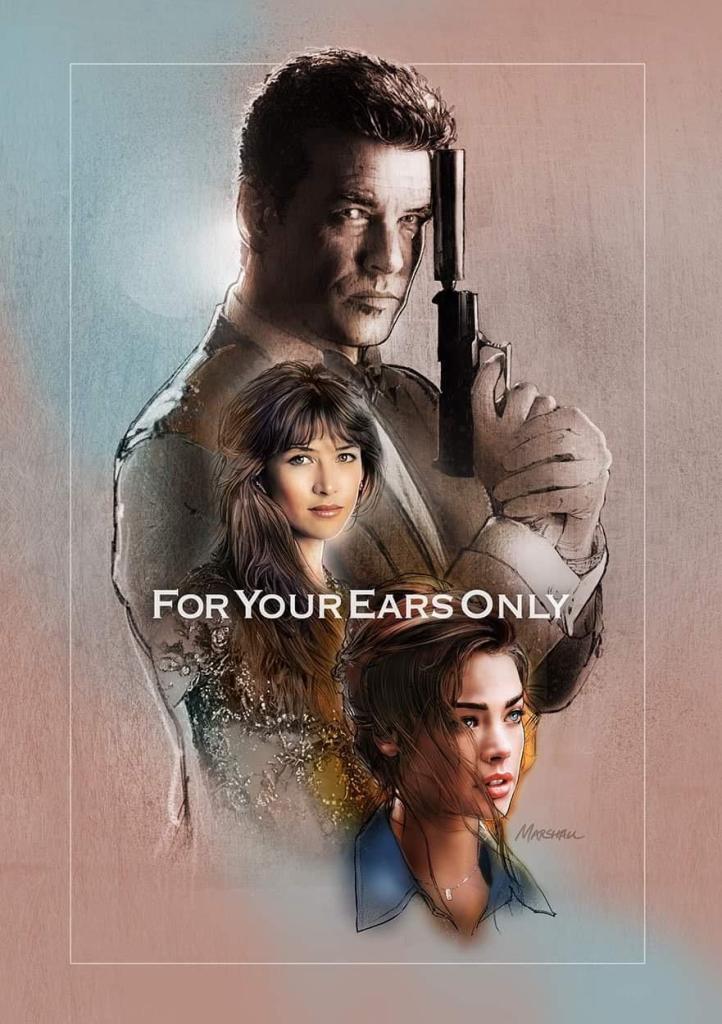
FOR YOUR EARS ONLY: Michael Apted’s THE WORLD IS NOT ENOUGH

We welcome author and James Bond connoisseur Deborah Lipp to join in our discussion of the 19th 007 picture in the EON series THE WORLD IS NOT ENOUGH, as well as the latest edition of her highly regarded book, “The Ultimate James Bond Fan Book.” Please explore the works of Deborah at her bookshop.

Black Christmas

By Patrick Crain

Sometime deep in December, my wife and I park in front of the TV and spin Black Christmas. This has been a tradition for the past ten or so years and it’s as much in our normal holiday rotation as White Christmas is for some decent Americans and Die Hard is for showboats who feel arguing the point of Die Hard being a Christmas movie is some sort of personality trait. It should be said that Black Christmas is not on my annual schedule in the same, ironic way that, after consuming one too many glasses of wine and overtaken with the insatiable desire to feel colossally stupid, 1984’s loveably dreadful Don’t Open Till Christmas finds its way into my programming schedule. And neither does it occupy the same nostalgic space as Roland Neame’s Scrooge from 1970, a film so formative that after forty solid years of viewing, two or three frames of it have probably somehow and someway become part of my actual DNA code. Instead, outside being just a damn fine horror film, Black Christmas earns such a vaunted position precisely because of the film’s tactile production detail which makes it feel more or less what Christmas from our collective youth felt like.

Don’t get me wrong. As we both grew up in Del City, Oklahoma where we violence right out in the big bright open while using our real names, my wife and I never spent a childhood Christmas in the film’s native Canada while being stalked by a killer. And as far as having any clear memories of 1974, the year the film was made, my wife was barely two and I was less than one so it’s unlikely that we would possess any. But there’s something intoxicating in the film’s production design, most of which looks like it could have been purchased in a TG&Y. The dark interiors of the sorority house, draped with department store tinsel, are routinely punctuated by candy-colored C5 Christmas bulbs that, as any 70’s kid knows, would indiscriminately show no mercy in burning the entire hell from you if you touched them. Mostly lost to time is the prevalence of things such as holiday carolers, rotary phones, and cross-hatched windows all which factor into the look, feel, and function of Black Christmas. Beyond those details, Black Christmas also plays on a theme of physical, disconnected isolation, a feeling and a sense that was available in abundance once upon a time but is almost impossible to fathom today.

For the uninitiated, Black Christmas is the story of a group of sorority sisters who are stalked, terrorized, and picked off by an unknown killer who routinely punctuates his moments of violence with some of the most unsettling prank calls ever committed to popular fiction. At the center of the story is Jess (the radiant Olivia Hussey), the plucky, raven-haired Brit who is the girlfriend of Peter (Keir Dullea, sporting a Klute haircut and mostly looking like he spent the night in a bus station) a temperamental music student. On the peripheries of their domestic drama is the search for Claire Harrison, a sorority sister who vanishes ten minutes into the film, and a further subplot regarding a missing girl from the town.

For years, Black Christmas (initially released in America as Silent Night, Evil Night) languished in a kind of semi-obscurity, slowly finding a wider and wider audience as home video accessibility collided with word of mouth which eventually led to the internet elevating its profile to a degree where it’s now damn near impossible to ignore. In fact, the film has become so popular that it remains one of the only horror films of its generation to have been remade twice. 

But in a world in which we’re so connected, it’s hard to imagine that any contemporary rework could mimic the specific, time-specific isolation that gives the film its most sinister power. Black Christmas was no doubt something of a subversive idea back in 1974, a year when the oldest of the baby boomers was not yet thirty and, like most of the long-standing customs of the generations before theirs, the idea of turning Christmas upside down was something with which to experiment. So here was a Christmas film where, instead of the standard familial coming together in the spirit of the season, the characters do their level best to achieve the inverse.

This is a film that tracks each character’s desire to temporarily escape their situations (Jess from the controlling Peter, Claire from the abrasive Barb, housemother Mrs. Mack from anything that’s not booze) and then masterfully moves its characters into scenarios where their temporary escapes are isolated death traps. Almost paradoxically, it’s only the brusque, streetwise Barb (a fantastic Margot Kidder) who emerges as the loneliest character in the film and who also does not crave isolation; a ribald wild child who would be 10/10 hot if she weren’t 15/10 pitiful.

Director Bob Clark also manages to generate a sly sense of tension, as well (helped along by an unnerving score by Carl Zitterer that sounds closer to musique concrète than anything hummable). Almost like an episode of Columbo, the search for sorority sister Claire Harrison (the engine that drives a ton of the plot) is sort of a MacGuffin as the audience has already watched her fall victim to the killer and likewise knows she’s stashed in the attic. Similarly, the big reveal to a horrified Jess that the prank calls that have become more amplified and disturbing as the film has worn on have been coming FROM INSIDE THE HOUSE is already known to us. The “who” is still relevant, but Clark curiously doesn’t set up a myriad of red herrings, despite there being enough of a character pool to justify doing so. Instead, the central mystery wisely becomes a question of “yes or no” and it is smartly complicated by both impossible-to-deny circumstantial evidence and frustratingly real spatial incongruities. But by immediately establishing that the killer is in the house and can slip unnoticed from room to room, we’re never once at ease and there is a slow choking sensation that begins to become apparent when Jess’s orbit rapidly shrinks in the film’s final third.

Christmas movies evoke all kinds of memories and feelings and, for the most part, my Christmas schedule is festooned with titles that bring the requisite, seasonal laugh and tear. But in the quest of that visceral sensation of being utterly isolated, for my money, there’s nothing that pierces the deadly quiet of a Christmas Eve night quite like Jess hopelessly screaming for Phyl and Barb to answer her. Among all of the nostalgic tchotchke embedded in the mise-en-scene, her palpable fear serves as a chilling reminder of that time so many years ago when one could feel truly alone and the terror that could come with it would freeze you into place.

David Twohy’s A Perfect Getaway

A lot can go wrong on a vacation to the tropics and in David Twohy’s ruthlessly taut, excellently warped, deliriously irrepressible shocker A Perfect Getaway a lot of it does thanks to a crazy Bonnie & Clyde pair of serial killer haunting on a chain of less touristy Hawaiian islands. The hook is that we’re presented three sets of couples and not told until the final act which ones are the nutcases. There’s Milla Jovovich and Steve Zahn as the California yuppies out of their depth in the rugged natural world juxtaposed by Timothy Olyphant and Kiele Sanchez as the lower middle class adventurous couple with a military background. There’s also Chris Hemsworth and Marley Shelton as your stereotypical beach hippie types with just as many eccentricities as dysfunctions (they got married in the produce section of a grocery store) but they kinda hover in the background to a lesser extent. Anywho, one of these couples are crack piping mass murderers and although if you objectively look at the narrative structure and character development throughout it’s not hard to tell who, we must remember that in the case of any trip.. it’s the journey, not the destination, and what a fun journey this film is. What makes it most engaging is Twohy’s wonderfully meta, cheekily self aware and rapid fire script that riffs on the art of Hollywood screenwriting deftly and lets the actors, Olyphant in particular, fire on all cylinders and really whip the rug out from underneath the audience quite frequently. It’s a vicious, savage piece too and when the final act rolls around there are some queasy body horror FX, terrific pursuit scenes and some real mean mugging from the two actors that are revealed to be certifiably fucking bonkers. Thing is, you see a trailer or poster for this and it could be read as kind of generic at first glance, but it’s really anything but on a script level, there’s so much juicy dialogue, bizarre character idiosyncrasies and dark humour woven into the overall thriller plot that it becomes instantly, unavoidably memorable. Great film.

-Nate Hill

Actor’s Spotlight: Nate’s Top Ten Tommy ‘Tiny’ Lister Jr performances

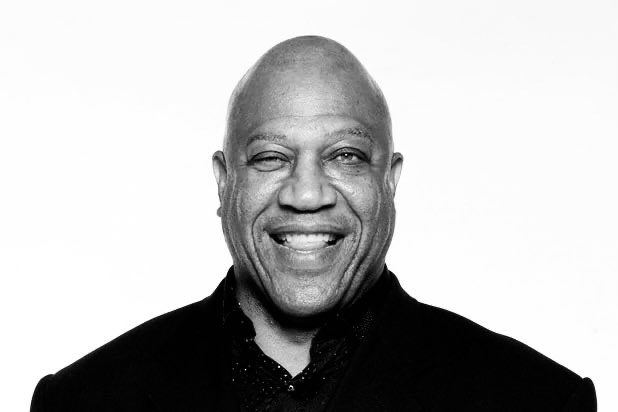
If your pull any fifty random genre films out of the hat between now and like 1984, chances are Tommy ‘Tiny’ Lister Jr is in at least ten of them. With a knockout double threat career that began in professional wrestling and continued on to an epic film career after his debut alongside Eric Roberts in Runaway Train, Tiny had a run that any aspiring character actor would be jealous of. He was a tough guy, a magnetic performer onscreen and distinct presence who I will greatly miss in cinema, and here are my top ten performances of his!

10. Prisoner #2 in Austin Powers in Goldmember

It’s a quick bit part in a hectic prison sequence where Dr. Evil and Mini Me film a demented rap video and he’s only onscreen for a second and a half but he literally gets to feel Mike Myers to his face that “I’ve heard guys on crack make more sense than you” and I can’t tell you how many times I’ve used that line in situations since I first saw Goldmember.

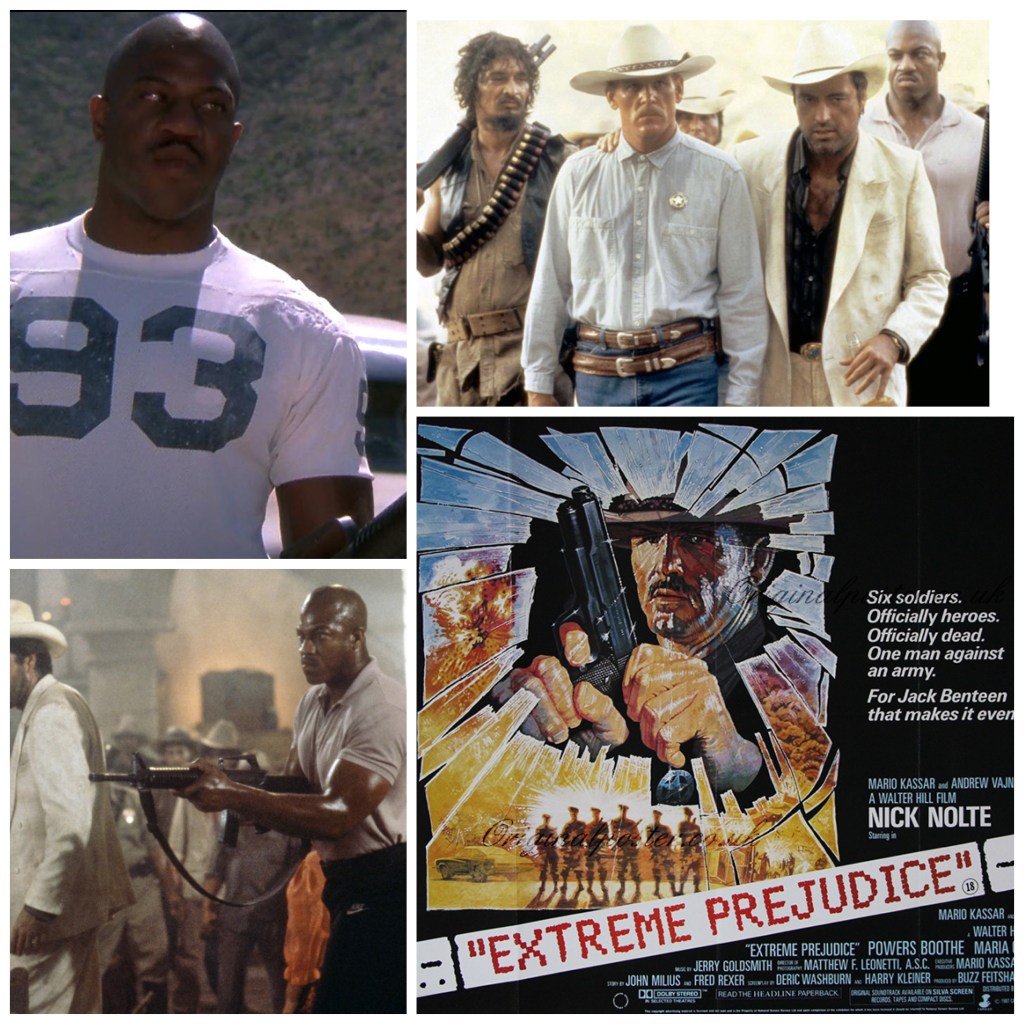
9. Monday in Walter Hill’s Extreme Prejudice

A hulking henchman for Powers Boothe’s mythical drug emperor in this overlooked modern western, this guy is called Monday because he used to play football until circumstance set him down the path of illegal drug trade. It’s a tiny role but I relish the wry moment he informs Nick Nolte’s Texas Ranger the reason he qui football is “he hurt his knee”, to which Nick cheekily replies, “looks like you hurt your head.” The look Tiny gives him, man..

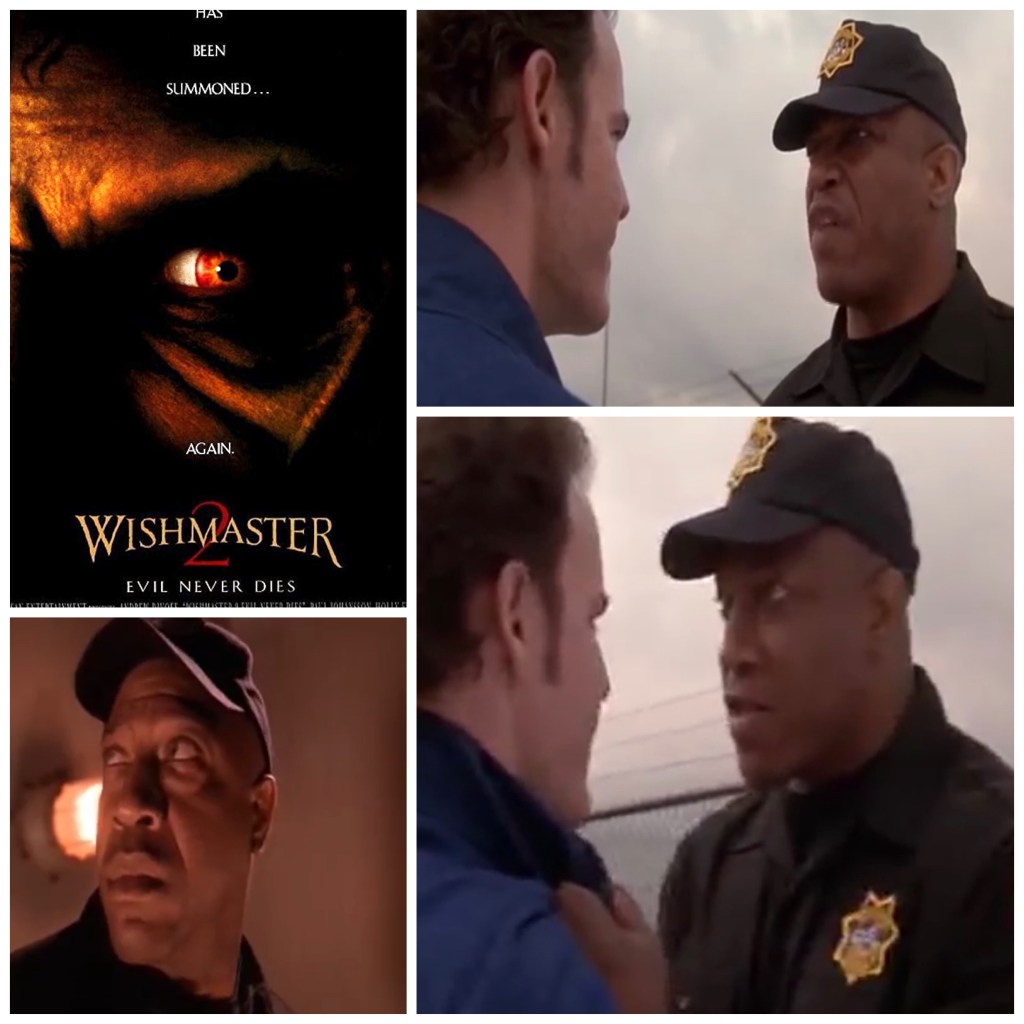
8. Tillaver in Jack Sholder’s Wishmaster 2: Evil Never Dies

One of the most ill fated corrections officers in cinema’s penal system, Tillaver makes the unwitting mistake of mounting off to Andrew Divoff’s evil Djinn and pays a hefty price for it; his soul. It’s a quick, exuberant cameo and Tiny may be the only actor ever who can claim he told an iconic horror movie boogeyman to their face that he wants to “slow dance with them, Compton style.”

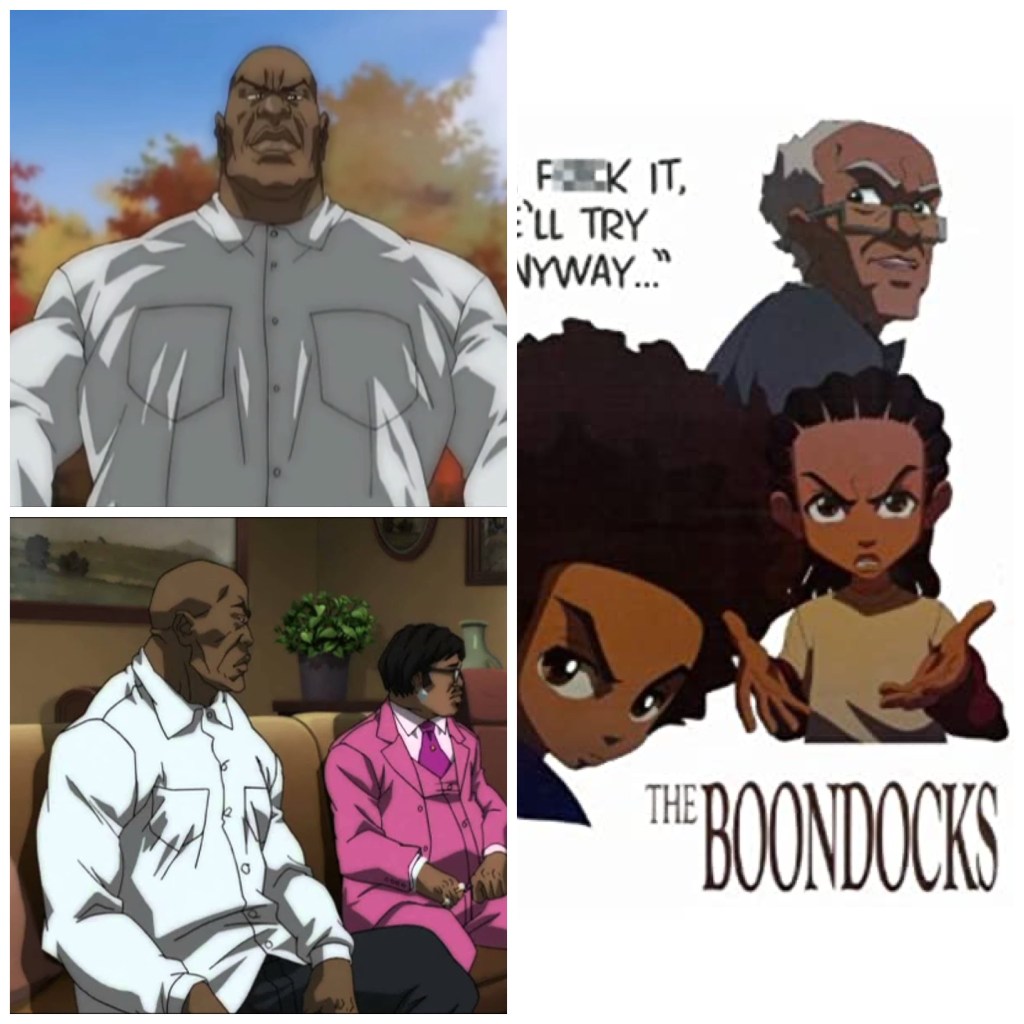
7. Philbert Slowlove in The Boondocks

You can’t enjoy this deranged animated series without being able to laugh at gloriously anti-PC jokes and Lister’s episode is a case in point. He plays a hulking weirdo who pretends to be mentally handicapped to collect charity money and maniacally utters the phrase “strawberry milk!!” repetitively as some kind of warped mantra. It’s always fun for actors to cut loose with voice work in animated stuff and Tiny clearly had a gift for it.

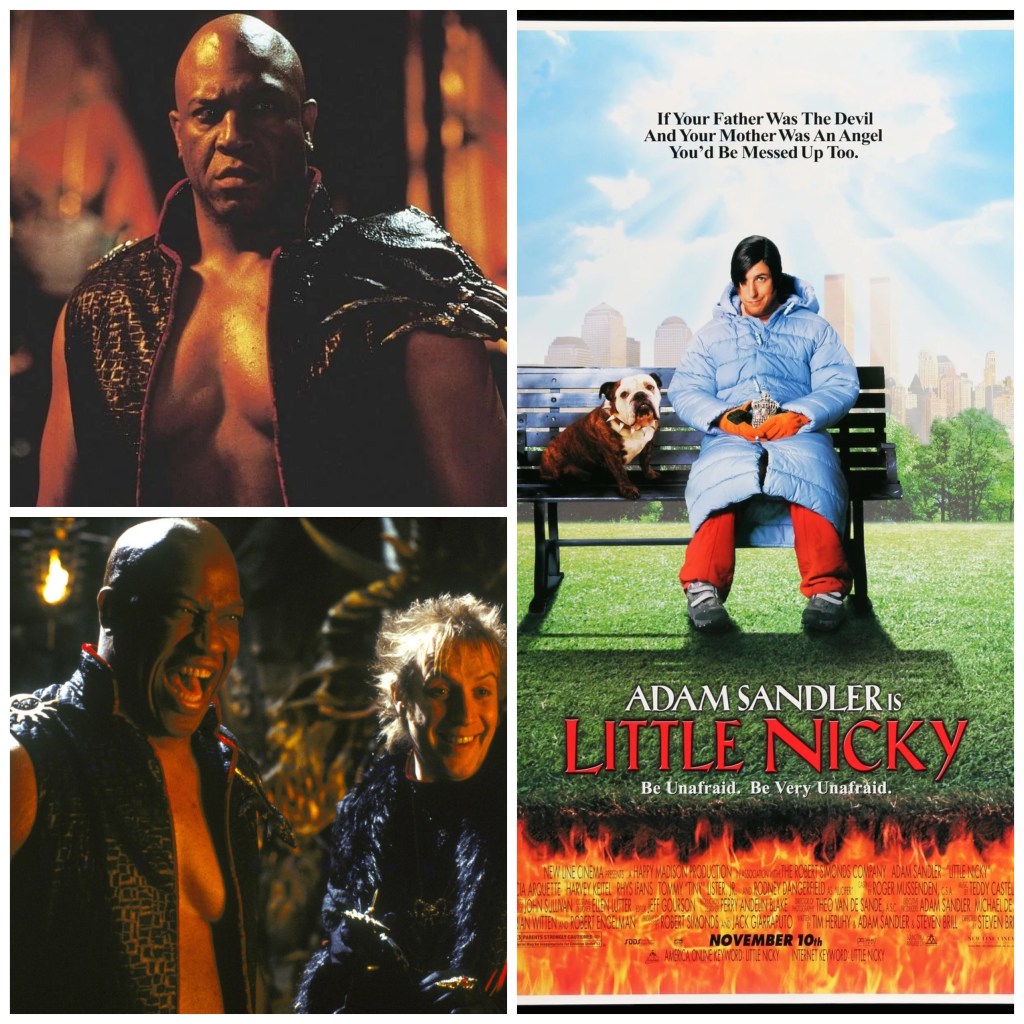
6. Cassius in Little Nicky

This is a hog wild bizarre movie and actually one of my favourite Adam Sandler comedies, Tiny is a memorable part of an incredibly eclectic cast playing one of the Devil’s kids and Nicky’s older brother. Cassius and other no good brother Adrian (Rhys Ifans) escape hell and rampage throw NYC in a hedonistic blast of scenery chewing and blissful theatricality, it’s one of the most fun roles he’s played.

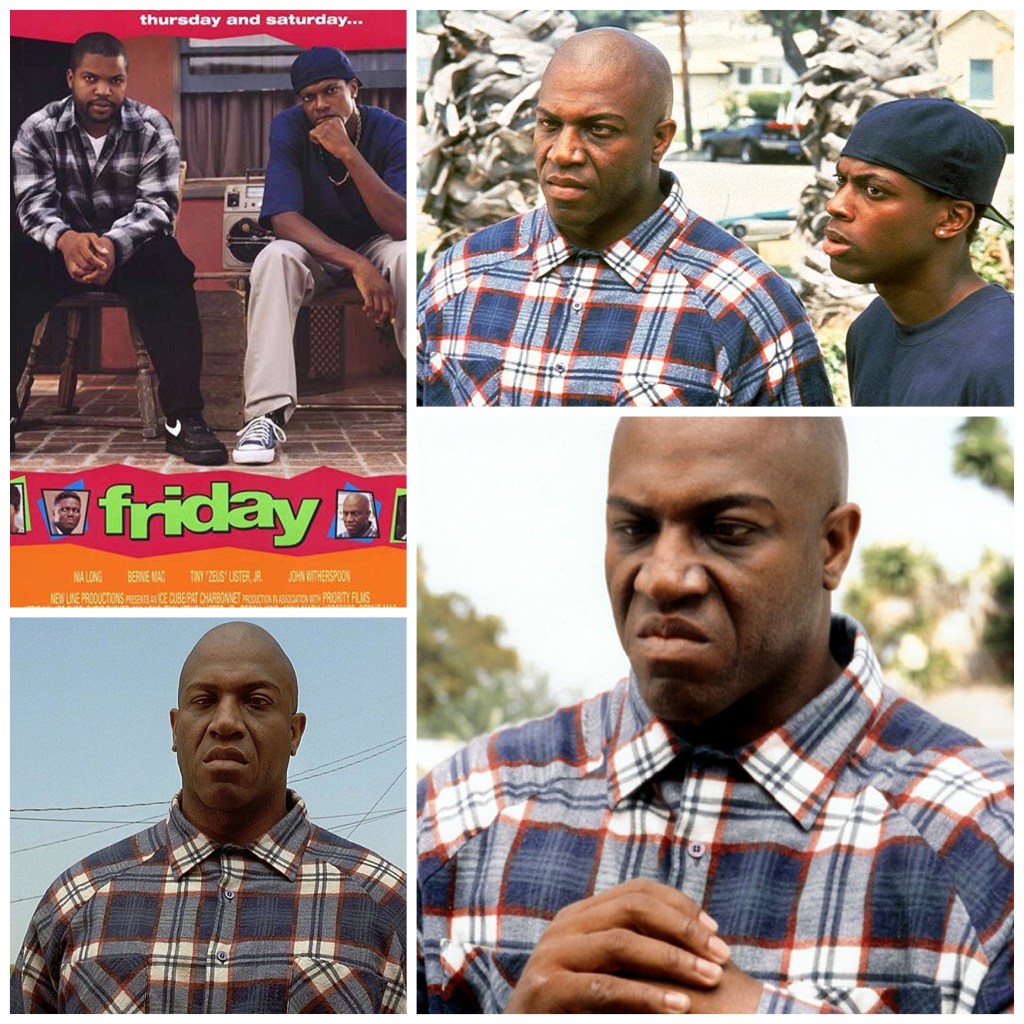
5. Deebo in F. Gary Gray’s Friday

The meanest gangbanger on the block, Deebo is Billy, petty thief, woman beater and all around piece of shot played to the hilt by Lister, until he gets what’s coming to him in an epic Mortal Kombat worthy smackdown fight against Ice Cube. I think this is probably the role he was most known for in many circles and he’s definitely one hell of a memorable and intimidating villain.

4. Finnick in Disney’s Zootopia

More voice work yay! Finnick is a tiny, adorable yet bad tempered Fennec Fox and partner in crime to Jason Bateman’s con artist Nick Wilde. It’s so cool seeing Tiny in a Disney animated flick because it’s kind of a departure from his mostly rough n’ tumble career. Finnick is hilarious and it’s something else to hear Lister’s booming baritone coming out of a fluffy little tyke the size of a tennis ball.

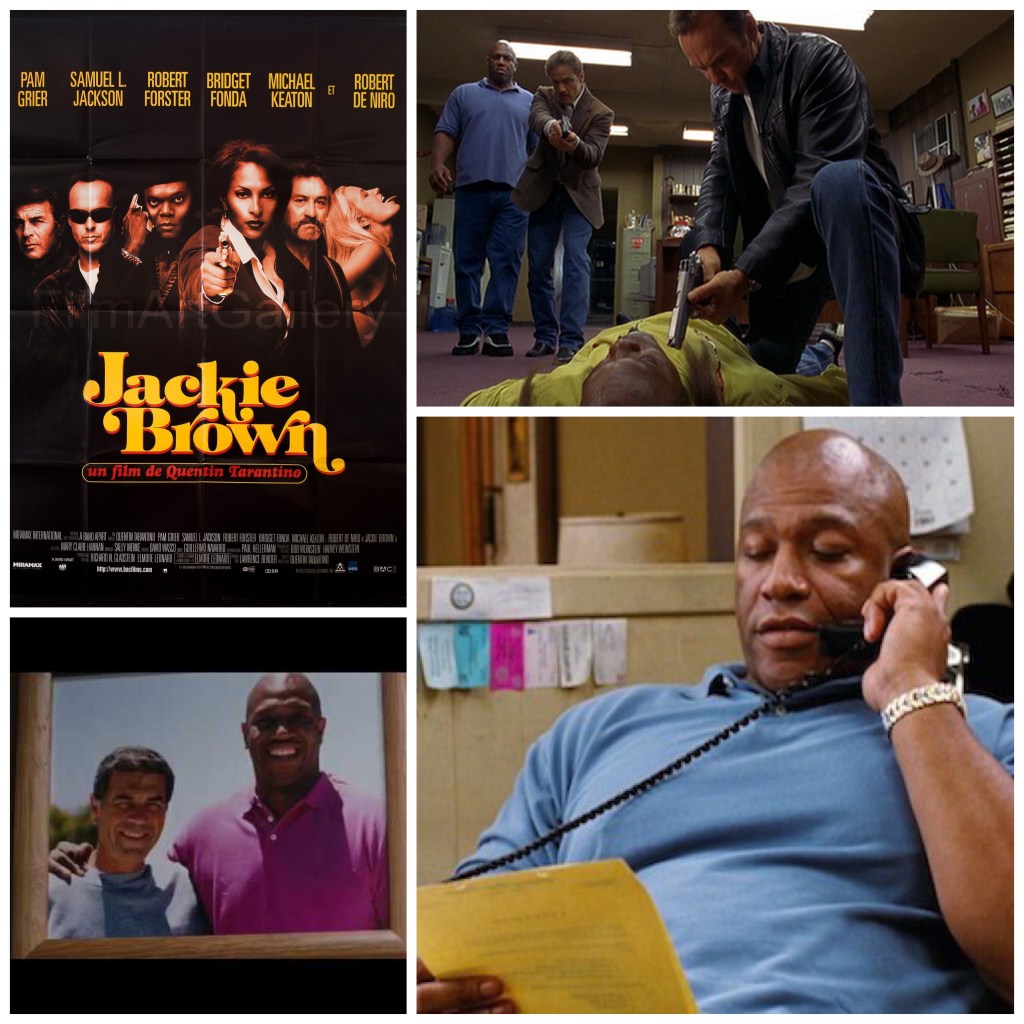
3. Winston in Quentin Tarantino’s Jackie Brown

One half and co-owner of a bail bondsman business alongside Robert Forster’s iconic Mac Cherry, Winston doesn’t even show up until about three quarters of the way into the story but when he does he fits right into the Tarantino-verse with charm, ease and gruff capability.

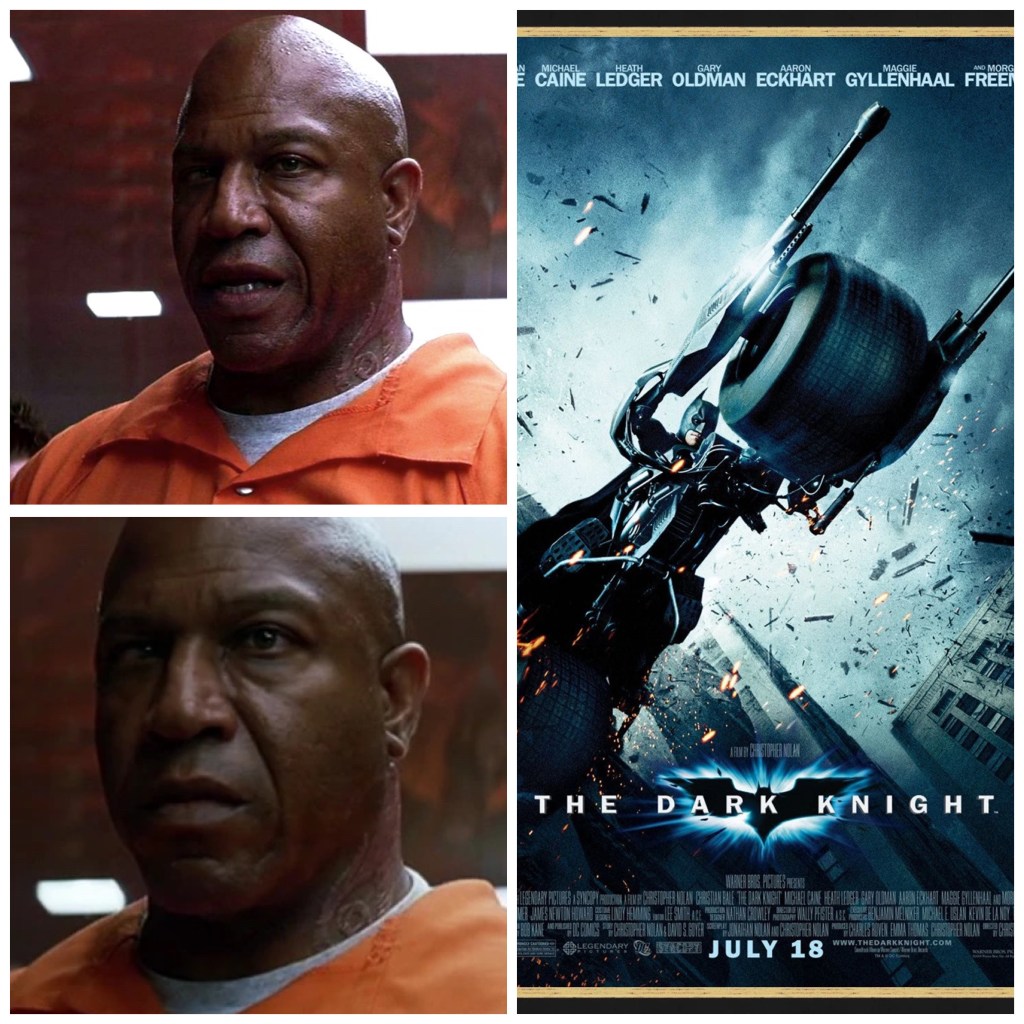
2. Tattooed Prisoner in Christopher Nolan’s The Dark Knight

Tiny achieves the kind of gravitas and magnetism here in one 60 second scene that some actors struggle to find their whole career. In a tricky, times sensitive terrorist scenario orchestrated by Heath Ledger’s Joker, Lister’s quiet but commanding convict finds the moral high ground, courage and fortitude to make an impossibly tough decision when no one else will. It’s brilliant acting work, out quite simply.

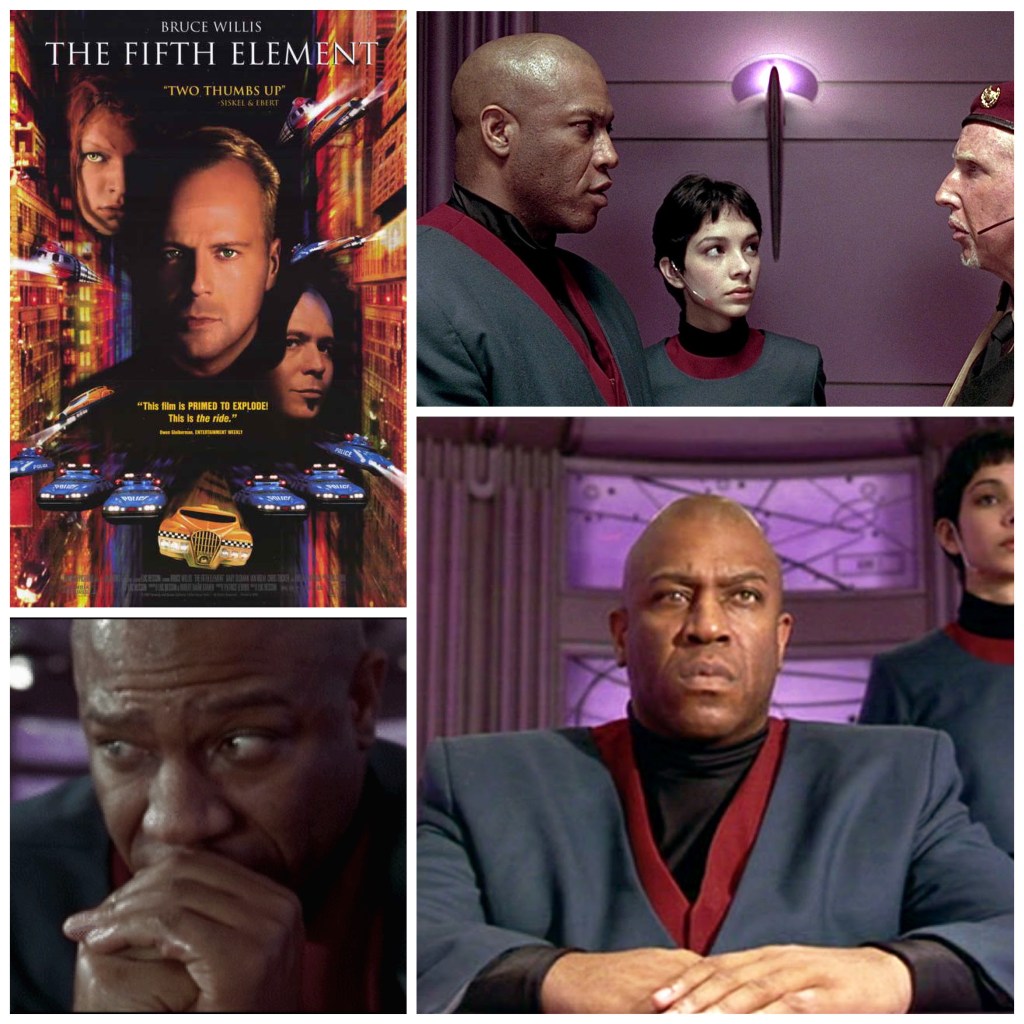
1. President Lindbergh in Luc Besson’s The Fifth Element

Jovial, impatient and eccentric, Lindbergh is my favourite President of the United States in cinema and Lister makes him perhaps the most playful incarnation of America’s top dog, the position given a futuristic refurbish, snazzy purple vapour-wave style wardrobe and snappy, gung-ho attitude. Such a great character.

-Nate Hill

Passenger 57

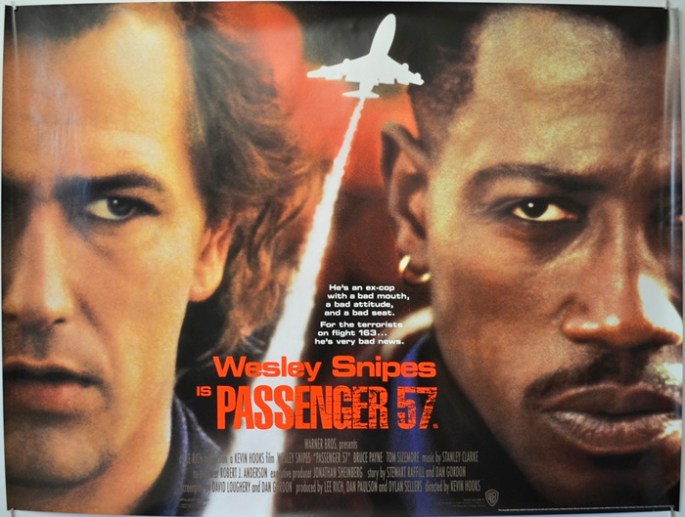
A handful of seasoned Hollywood action stars got their chance to fight terrorists on a plane including Bruce Willis, Chuck Norris, Kurt Russell, Harrison Ford, Liam Neeson, Samuel L. Jackson (snakes count as terrorists, right?) and in Passenger 57 Wesley Snipes gets to as well in a kind of Coors Lite version of the aesthetic that is a bit more low-key when compared to the others but still fun. The real standout here is underrated Bruce Payne as some sort of super hyper mega terrorist, an ice cold aristocratic mad dog limey bastard who is being transported to execution IN FRIGGIN COACH and only guarded by one ignoramus cop. Why the rampant negligence in the face of such obvious nefariousness? Why, Wesley’s intrepid Air Marshal can step in to beat seven shades shades of shit out of Payne and all his varied cohorts of course, played by everyone from Elizabeth Hurley to Michael ‘Deputy Hawk’ Horse, how’s that for unintentionally eclectic casting. Throw in a reliably twitchy Tom Sizemore as Snipes’s best bud boss and Bruce Greenwood as a smarmy Airline CEO and you’ve got quite the roster. But how’s the action? Decent, yet nothings a standout and even the final villain death feels a tiny bit overwhelming like air being sucked out of the room (mild spoiler). Snipes is always a badass though and holds his own, I just feel like this would have been more impressive with a bigger budget, a longer runtime and some more chutzpah, bells and whistles and over the top carnage in the fashion of.. well what’s an airplane set action film I haven’t mentioned yet… Con Air? That’s a benchmark and hard to top. Anyways this one is a decent distraction while doing chores or whatnot.

-Nate Hill

Gregory Hoblit’s Untraceable

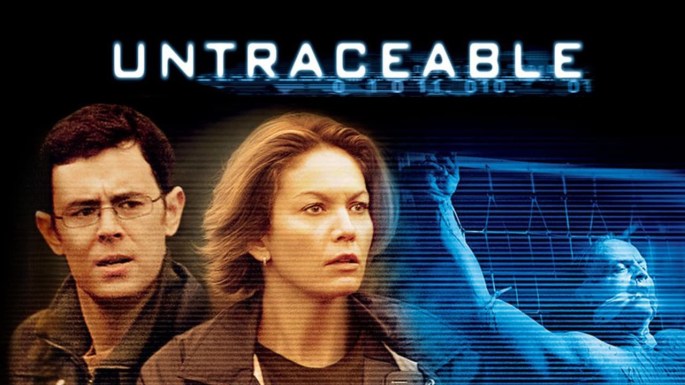
Gregory Hoblit’s Untraceable is one of those rare Hollywood serial killer thrillers that manages to walk a tightrope between being super intense and over the top gruesome yet sill smart and believable in its story. Set in chilly, rainy Portland, Diane Lane plays a gruff FBI agent pursuing a particularly nasty mass murderer who kidnaps people, kills them and broadcasts the filmed footage all over the internet, and the more viewers who sign on, the faster they die. You would think that this would come across purely as torture porn or at the very least too gratuitous but they somehow manage to make the thing feel genuine and stylish without tipping into overboard horror territory. This is mainly thanks to the fact that there is a genuinely fascinating reason as to why the killer is doing what he’s doing, down to the very details of his methodology and victim selection. He *is* a cuckoo bananas fucking nut-job but he’s not just some wild sadist off the chain killing at random and only for enjoyment, which the criminal behavioural profiler in me appreciated. The film is incredibly suspenseful and some of the elaborate murder set pieces orchestrate a terrific amount of race against the clock tension, while an ambient score by Christopher Young, solid and engaging lead performance from the always awesome Lane and rain-streaked Pacific Northwest cinematography go a long way. Director Hoblit is responsible for some of my favourite high concept genre thriller including Frequency and Fallen, and I’d now add this one strongly among them. Very good film.

-Nate Hill

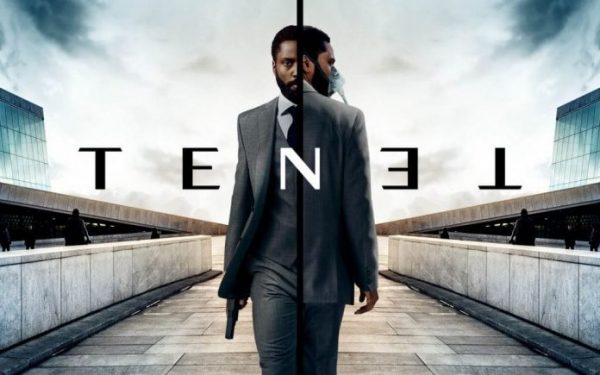
Tenet

First off, let’s shoot the elephant in the room with an irradiated reverse flow bullet: Nobody should be encouraging anybody to sit in a crowded room for two and a half hours in 2020, no matter how much blood, sweat and treasure has gone into the shiny object that would unite strangers in such an endeavor. Hard stop. Second, let’s imagine that instead of the supposed heady intellectualism that Christopher Nolan attacks the action movie genre with, perhaps on Tenet he cradled a bong for six months while playing Hitman 2 and strung together a series of game inspired missions while grafting some timey-wimey stuff—you know, some of that patented weird Nolan shit—onto the proceedings. Not likely part of his process, but as one watches the increasingly ludicrous and delightful setpieces of this film unspool at a breakneck pace, you have to wonder. The fact of the matter is games like that are inspired by the hoary old boy’s club film franchise of Bond, James Bond, so the bleed through feels pretty on point. We finally have Christopher Nolan’s 007 movie, and boy is it something.

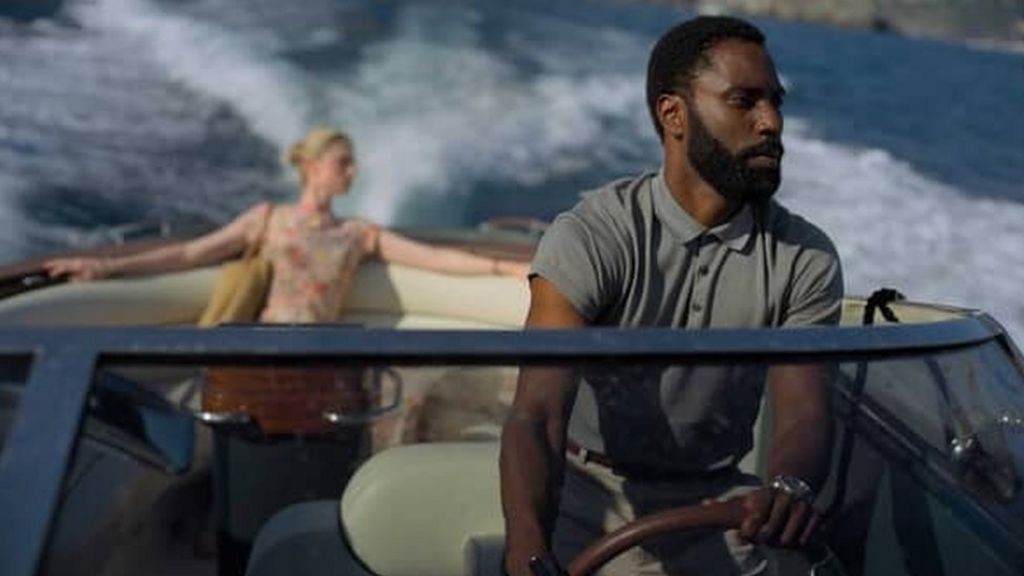
The filmmaker’s rise from indie puzzle box darling to Spielberg level showman is well documented and mileage can vary wildly from viewer to viewer. After learning to shoot and cut action on the Batman franchise, he’s gone on to weld high concepts to big explosions time and again, blasting the audience with a combination of overwrought explication and dazzling visuals. After Tenet, it’s tough to see him quite topping this combo formula. As many have speculated, Tenet does indeed feel like a spiritual if not literal sequel to Inception, that bullet riddled thriller involved less with traditional crime than a downright magical ability to run around in other people’s dreams. Without getting into too much detail, this time it’s about time, the bending of, that is. We’re introduced to a crackerjack paramilitary agent played with cool to spare by John David Washington, a movie star growing up before our very eyes here. He’s on a complicated extraction mission that, in a Nolan-esque twist, actually serves as a test of sorts to see if he can level up to face the most dangerous challenge staring down humanity. Shadowy allies appear to guide him through a variety of international missions, all moving towards getting on the radar of a vicious Russian oligarch played with scenery chewing aplomb by Kenneth Branaugh. Nolan seems to hear his critics and flip bird in their direction as he slowly rolls out the tricky sci fi concept; several times the opportunity to explain what’s going on is gamely mocked by Washington or rushed through by a bored walk on player. It’s as if the filmmaker knows what he’s doing is mind boggling enough that if we just latch onto the broad concept, we’ll thrill to the ride.

But do we? I more or less did, watching Tenet at home as one should in 2020 and dissecting the film/game references with my son. While the IMAX level crazyness would have been great fun on a large screen and I hope to experience the film in that format someday soon, having the opportunity to throw around theories as we saw it brought the overwhelming insanity of the proceedings down to a manageable level. Not to say we chattered through the thing; I was often on the edge of my seat waiting to see what would happen next. Probably the wisest choice made here is to latch onto that James Bond model. We have a super agent, we have a fanatical villain (Nolan leans in here like he rarely does), we have fortresses to be stormed and heists to be executed. We also have a refreshingly female heavy cast for this kind of exercise, and a diversity of faces not often seen at this big budget level of actioner. You’ll also find a variety of familiar thematic elements from Inception and elsewhere in this director’s resume on display: The threat of separation from a beloved child, the chance to start a new life without the baggage of the past, the need to punch and shoot your way through pretty much every situation. I’ll never agree with Nolan’s push to get people into the theater for Tenet or any other film in this, the toughest of years (to be fair, the film does encourage mask wearing at times). But after watching it I can see why this of all his films felt the most urgent to get in front of the masses.  For better or for worse, we have the filmmaker’s obsessions writ large over every second of this movie.

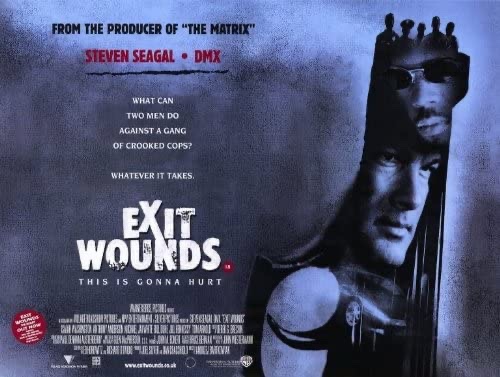
Andrej Bartkowiak’s Exit Wounds

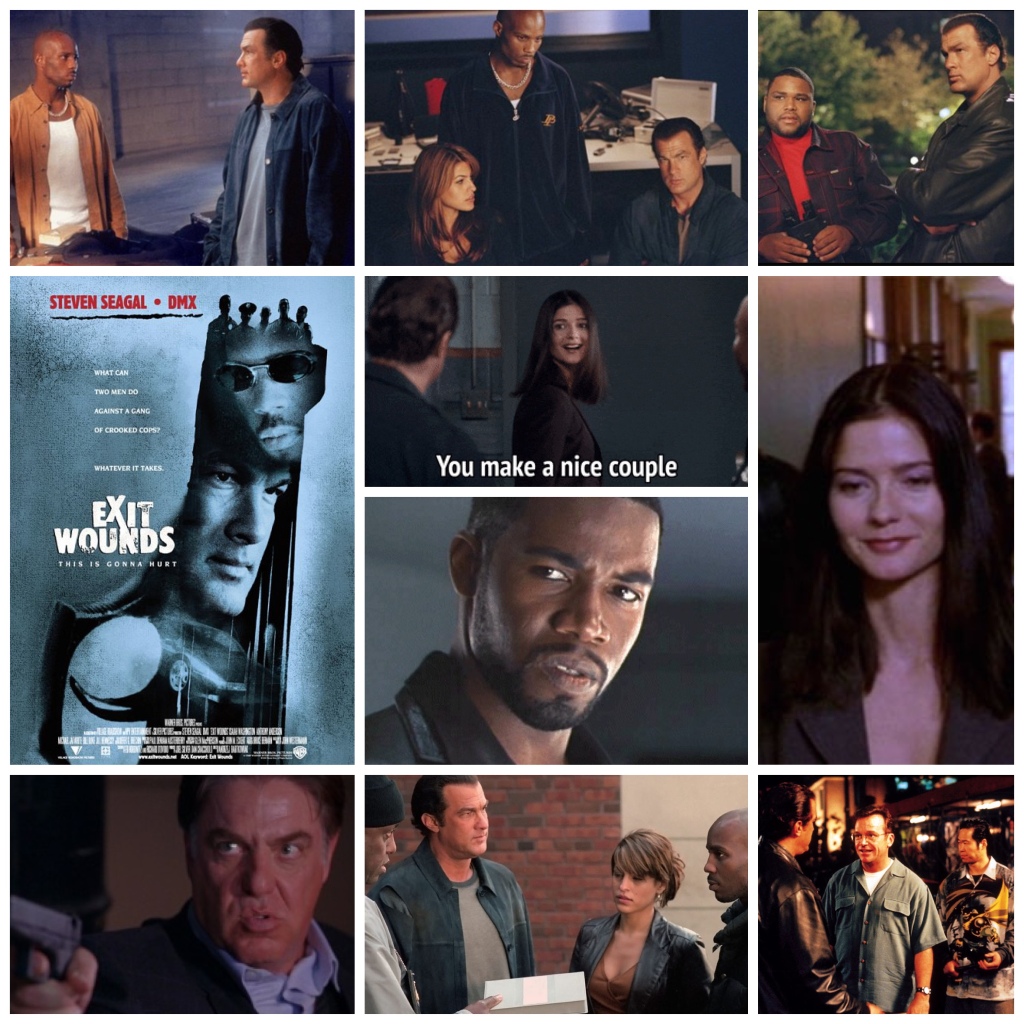
Exit Wounds is one action flick in an unofficial yet unmistakable early 2000’s trilogy together with Romeo Must Die and Cradle 2 The Grave. What do they have in common, you may ask, that I’ve dubbed them a trilogy? Besides all three being directed by lo-fi action guru Andrej Bartkowiak and sharing many of the same cast members in a sort of recognizable posse, they just have this intangible time capsule vibe backed by hip hop music of the times from folks like Aaliyah and DMX, the presence of standup comedians in supporting roles, ridiculous plots built around endless set pieces and are just so totally ‘of their time’ that I love them on sheer novelty value alone. One day I’ll have to do a longer, more comprehensive piece on all three as a whole but I just rewatched Wounds for the first time in a while and it’s just as goddamn silly yet awesome as I remember it being when I was a teenager. It does feature Steven Seagal in a comeback of sorts, purged of his ponytailed zen phase and ready for some inner city urban destruction. He’s actually really dope as rogue detective Orin Boyd, a tough but reckless cop that no precinct seems to want as he has this uncanny knack for sniffing out and laying the hammer down on department corruption. After being fired by his former sergeant (Bruce McGill turning up the ham) for excessive force he’s assigned to a precinct elsewhere in Detroit under the command of a tough as nails CO played by the lovely Jill Hennessy. It isn’t long before he finds trouble again, tangles with mysterious drug runner DMX and uncovers a cabal of dirty officers doing no good shit headed up by Michael Jai White who is welcome in any film in my book. I can’t say the same for Tom Arnold though, who has to be one of *the most* irritating onscreen presences and I’m not sure why they keep letting him be in stuff but life is full of mysteries I guess. Anthony Anderson shows up as he does in all three in this trilogy and there’s appearances from Isaiah Washington m, Bill Duke and a very young Eva Mendes. This film only really has a plot to service action set pieces, which are all well done and exciting if you can get over the fact that there ain’t much else it has to offer. Seagal is good though and does some impressive stunt work like doing a fucking Olympic long jump thing over a car that’s speeding towards him. Fun stuff, but I’d recommend the other two in the trilogy first.

-Nate Hill

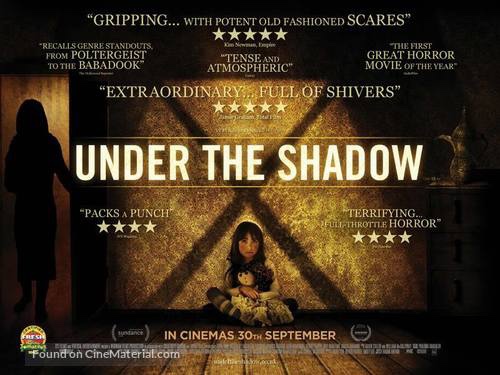
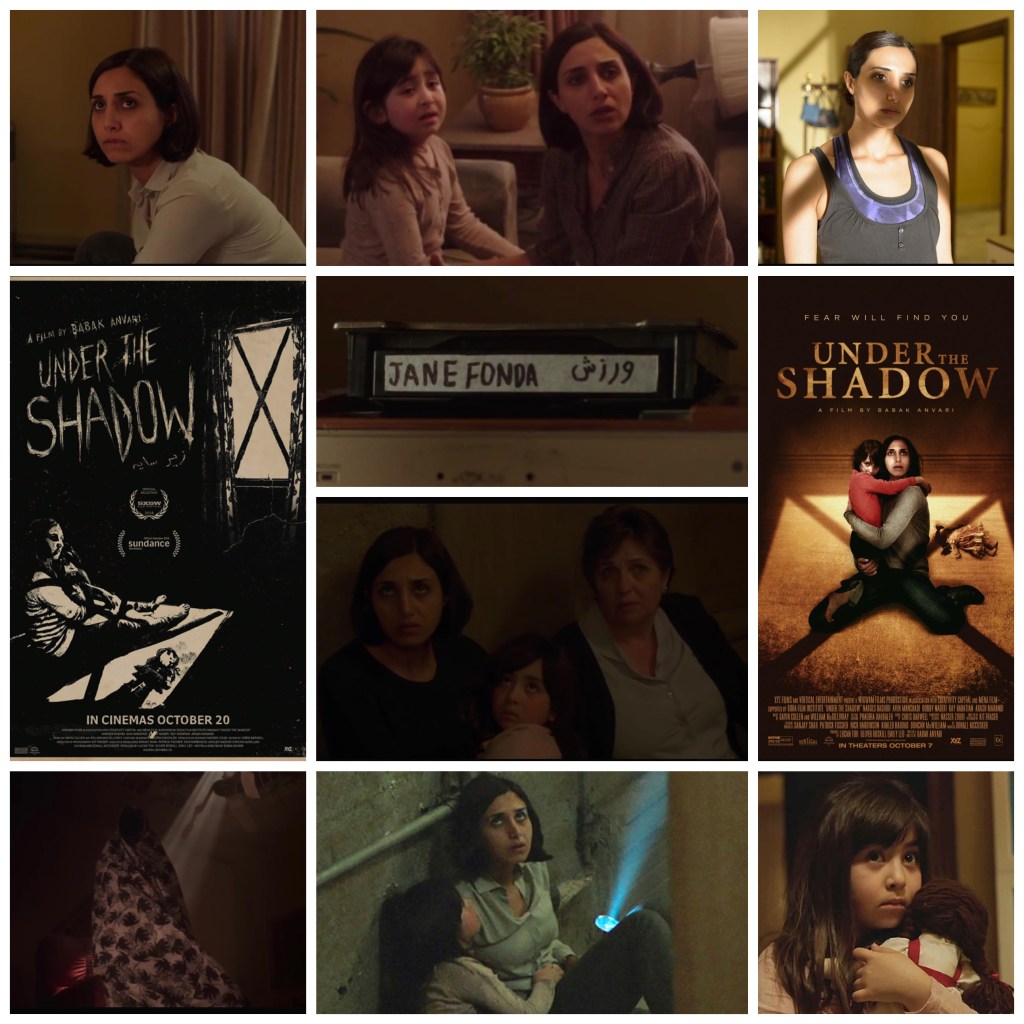
Babak Anvari’s Under The Shadow

I admire ghost stories that set their story around an already troubled region of period of conflict because it raises the stakes unbearably high. If a haunting occurs in tranquil North American suburbia it’s bad enough but can be dealt with on its own terms, but let’s say a ghost or demon shows up during an especially stressful time, in the case of Babak Anvari’s Under The Shadow the Iraq/Iran conflict of the 1980’s, there is an extra level of horror the protagonists must go through on top of their already considerable suffering and it can be incredibly effective in getting you to invest paramount interest and sympathy in the story. In war-torn Tehran, young mother Shideh (Narges Rashidi) struggles when her husband (Bobby Naderi) is drafted in the military and she’s left alone with her young daughter (Avin Mashadi) in a creaky tenement building as air raid sirens signal incoming bomb threats and the mounting tensions get closer to home. One day an actual literal bomb does drop in through the roof of the apartment complex and although doesn’t detonate, sits there like some ugly reminder of the potential violence just outside their walls. Her daughter is convinced that something else came along with it though, something evil and supernatural that rode the same winds that carried the bomb to them and is now tormenting her with night terrors, waking visions and feverish apparitions. There are some flat out terrifying scares in this film, the acting is all terrific and the mythology surrounding the ghost is utterly fascinating. What really makes it a winner though is the atmosphere that Anvari conjures up, a suffocating cloak of wartime dread and bleak apprehension that is completely immersive and will root you to your couch. I love films that start off with a brief written summary on black background like “The year is 1980. Conflict rages across so and so, as one family struggles etc etc.” It’s an incredibly powerful way to begin your story if you choose the right music and lead-in to follow and this film is darkly captivating from the moment those words show up on screen and the first scene fades in. This is streaming on Netflix (at least here in Canada, anyway) and I highly recommend it for fans of chilling atmospheric horror with a grounded human core.

-Nate Hill