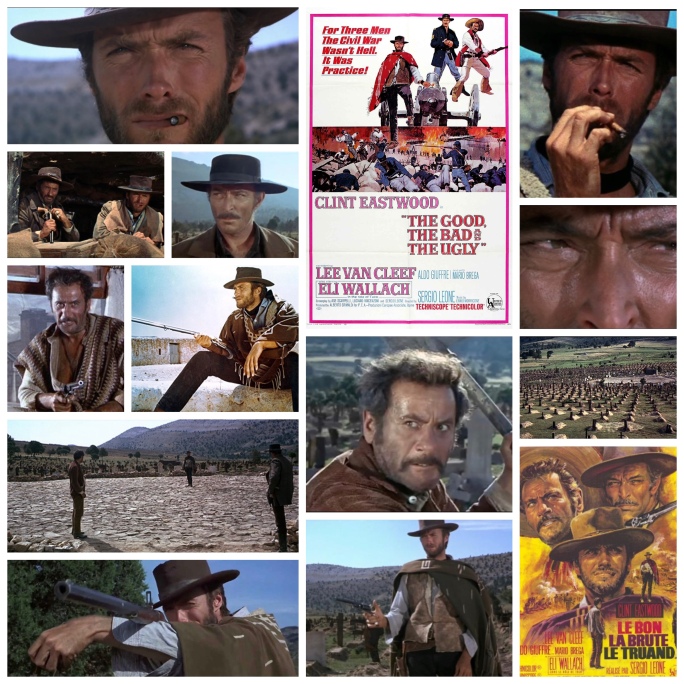
Sergio Leone’s The Good, The Bad & The Ugly

How iconic has the image become of Clint Eastwood, poncho adorned, rolled cigarette locked firmly in that drawn snarl, peering out from a wide brim, dust caked hat atop a horse? The Man With No Name is such a household name these days that he’s shown up everywhere from Stephen King lore to an animated Johnny Depp movie, but it all began with Sergio Leone’s original spaghetti western trilogy, the best of which is the fireball classic The Good, The Bad & The Ugly.

The trilogy itself not only launched an entire sub-genre in the early sixties but created a mood, a feel that no one besides Leone has ever been able to so specifically distill. Extreme closeups on eyes deep set in furrowing brows. Languid establishing shots of frontier town streets, expansive railroads and acres of dry brush-lands. The actors aren’t necessarily blocked from scene to scene with any kind of briskness but rather wade languidly through an ambient space seemingly at their own leisure and never with haste. Spaghetti westerns are never about the plot, but about the moment, the setup, the apprehension in the saloon, grotto, civil war torn graveyard or desert that these hard bitten folks find themselves in.

Eastwood’s nameless gunslinger meanders across a bitter, busted up American west that is, of course, actually Italy, engaging in war games and an obsessive treasure hunt with two other pieces of work, the sociopathic monster Angel Eyes (Lee Can Cleef) and the lecherous, untrustworthy rodent Tuco (Eli Wallach). All three are after a legendary gold stash somewhere out there in the desolation and are prepared to kill anyone who stands in their way, bonus points for each other. Eastwood is cold, calm and opaque, Cleef is cheerfully, sadistically ruthless, Wallach oozes weaselly survival instinct and together they make a captivating trio.

Three scenes in particular stand out in my mind; the first is the epic showdown between them all, stood a few hundred paces apart in a triangle, locked in a tense pre shootout stare-down as Ennio Morricone’s gorgeous and threatening score booms around the landscape and plays with expectations wonderfully. It’s a kicker of a scene and probably the showcase Western showdown in cinema. The second (and I’m assuming at this point that anyone who’s read this far has seen the film) is the final sequence where Eastwood taunts Wallach by literally leaving him hanging and riding away as Morricone yet again gives our eardrums symphonic bliss. It’s a wicked little epilogue that illustrates the character’s dry, subtle sense of humour nicely and I remember my dad (this was a favourite for him) rewinding it just to catch the beats a second or third time. The third is a moment where Eastwood comes across a soldier who is dying in the dust. He offers the man a drag off his cigarette, and the simple action suggests a beating heart and flickers of compassion in a mostly hard, stoic fellow. Nice touch.

-Nate Hill

Friday the 13th Part 2 (1981)

As it limped out of the 1980’s with a notoriously ridiculous entry in which Jason somehow takes a boat adventure out of Camp Crystal Lake and winds up in Manhattan, it was sort of up in the air if Paramount’s Friday the 13th franchise would survive. After its purchase by New Line Cinema, its three additional entries and then the inevitable post-9/11 remake kind of beg the question as to whether or not it really did.

But nostalgia being what it is, Friday the 13th has gone on to become one of the most beloved franchises in the horror genre. A once taboo series of films that gave Gene Siskel and Roger Ebert the absolute vapors, there is probably a small section in your friendly neighborhood Target that is now stocked at this very minute with some Friday the 13th tchotchke,

Within the fandom of the franchise, almost every title is sacrosanct and has its hard core fans. The folks that run horror conventions can always fill space by booking obscure cast members from any one of the Friday the 13th films with the assurance that a good number of folks will show up to give them money for a picture and an autograph. Hell, even Ari Lehman, the dude who played Jason as a boy in the original film, travels all over this land, gauntlet-adorned hands grasping a machete-shaped keytar while fronting a middlebrow rock band called First Jason which makes absolutely no sense but thrives regardless.

That the Friday the 13th fandom is so hardcore should be of little surprise to anyone since one has to be a shameless apologist or in serious denial to even consider any of these films in the first place. Sean S. Cunningham’s first entry, sometimes misremembered as a good movie, was a hack rip-off of John Carpenter’s Halloween with a cheat whodunit thrown in for good measure. Part 2 wisely dispatches almost everything from the first film and uses its climax as the setup for its tale even if, in doing so, it boxes itself into a logistical trap of utter nonsense that it could give two shits about solving. And Paramount bet that audiences wouldn’t care either. And it bet correct.

Friday the 13th Part 2, as everyone who has seen Scream knows, is the first entry in the series in which the antagonist is actually Jason Voorhees, hockey-masked psychopath that has become an iconic piece of the American experience. But we’ll have to wait until the awful next installment (in 3D, because two dimensions of terribleness weren’t enough) before he acquires the mask. So, yes, there is an underrepresented Jason out there while hockey-masked Jason and showboat Ari Lehman are soaking up the glory. Who will stand up for Warrington Gillette’s backwoods Jason, clad in plaid, covered in denim, and donning a sack over his head? After all, from a horror film standpoint, he is the most effectively creepy-looking Jason.

But wait just a dang minute! How is Jason even alive? Didn’t he drown back in the 50’s, as told by his mother during the ridiculous climax of the first film? And when doubt is cast upon his fate in that film’s denouement, as he pops up out of the water to deliver one final cheap scare to the audience, isn’t he still, inexplicably, a boy in 1980? I mean, sure, it’s chalked up to a possible dream sequence but his existence as a man who somehow survived the drowning and then just lived in the woods alone is utterly absurd. In fact, so risible was this setup that Tom Savini, SFX artist for the first film, refused to even entertain lending his services to the production, packed up his gear and went down the street to work on The Burning. Of course, it mattered not since gun-shy censors bowdlerized the majority of the gore effects on this one as they had the first one.

But in stringing the logic of the pre-credit sequence out, we have to wonder just how Jason is even able to track poor Alice (Adrienne King), the weak final girl from the first entry, to her home in the first place? Do audiences even want to entertain the implausible idea that this grotesque creature likely had to sit on some kind of bus, taxi, or semi cab just to make it to civilization? Or is it that they just relieved that Alice is getting an ice pick to the temple and they’re not going to be asked to accept her shrieking at the top of her lungs in her JC Penney wardrobe and Cathy Rigby hair for the remainder of the film? Given that the film burns about 12.5% of its total runtime on this sequence and nobody seems to give a flying fuck, I like to think that folks just wanted to say “goodbye and good riddance” to Adrienne King.

And what a good stroke of luck that is for audiences because director Steve Miner (who would go on to put his head all the way up his ass helming the aforementioned third film), scored a major coup with Amy Steel whose relaxed, charming, and intelligent performance as Ginny elevates her to the greatest final girl of the entire franchise. Sure, she’s not given much to do because, after all, this is a Friday the 13th movie, but she brings a spunk where King brought a plunk. She’s sunny, warm, thoughtful, and resourceful and, as an audience, we’re with her 100% during the climax where, in the original, we merely watched it unfold while simultaneously wondering how Sean Cunningham escaped getting sued by John Carpenter.

And it’s not just Steel that brings a higher authenticity to the proceedings. John Furey’s Paul makes for a much more appealing and less stuffy male lead than Peter Brouwer’s downmarket Marlboro Man Steve Christy did in the first film. In fact, it must be said that the entire cast of the sequel at least APPEARS to be populated with actual people who are having something of a good time and all of the romantic couplings, while eye-rolling and predictable, seem pretty natural. This is most especially true for the romance between Marta Kober’s Sandra and Bill Randolph’s Jeff who are, without question, the hottest Friday the 13th couple of all and who also look like they absolutely could not keep their hands off of each other during the entire shoot.

Friday the 13th Part 2, by most metrics, isn’t a great movie but with its likeable cast, smart plot progression, creepily abrupt and open-ended finale, and some fine homages to Mario Bava’s Bay of Blood, it’s a very good Friday the 13th movie. In fact, if it weren’t for the truly hilarious and superior sixth entry, it would likely rank as the best Friday the 13th movie. And I guess that counts for something.

– Patrick Crain

Hey, speaking of Mario Bava, next week I’ll engage in some financial terrorism with John Phillip Law and Marisa Mell in Bava’s groovy, color-splashed Danger: Diabolik. Until then, if you see a ramshackle hut in the woods, don’t go in it. Or do. Whatever…
Paul Greengrass’s The Bourne Ultimatum

I’ve said before in reviews that it’s pretty much impossible to pick a favourite from the initial trilogy of Bourne films, and I stand by that. They’re somehow completely their own thing as separate entries and also a synergistic entity together as well, using Moby’s propulsive song Extreme Ways to jet into each new chapter.

Paul Greengrass’s The Bourne Ultimatum brings Matt Damon’s arc as super-spy spy to a gong show of a close in New York City after breathless jaunts through London and Madrid. By this time Bourne has had so much trauma inflicted on him and lost so much that he’s almost in devil-may-care mode, but something in him senses that despite recalling a whole bunch lost memory, there’s still a few pieces of the puzzle that need to fall into place, starting with the interrogation of an ill fated British reporter (Paddy Considine). This puts corrupt wings of the CIA onto his trail once again, with evil David Strathairn filling in for evil Brian Cox and evil Chris Cooper before him. It’s a vicious cycle of selfish, narcissistic shirt tuckers trying to cover their asses while innocent people all over the globe die needlessly, and Bourne’s mounting anger has never been more understandable than here. Joan Allen returns as stern but sympathetic Pam Landy, Scott Glenn brings leathery charm as the agency’s duplicitous director and watch for Corey Johnson, Daniel Bruhl, Albert Finney and Edgar Ramirez as a rival asset dispatched to hunt him who is the first of his kind to show a glimmer of humanity. Julia Stiles also returns as Nicky Parsons, an integral person in the saga, her work in all three films is underrated as a restless portrait of guilt over past actions and patient resolve to do better with each new decision, I wish she’d get more complex roles like this because she’s so great.

Greengrass got a lot more kinetic and hyped up (the shaky cam is a turn off for some) than Doug Liman did with Identity, the first chapter. The hectic vibe serves to illustrate Bourne’s stormy, frayed mental climate and works for me, as does Damon’s ferocious performance. The stunt work and action set pieces are flat out spectacular, especially the explosive bike derby in Spain and the tense cell phone tag sequence in London’s crowded financial district. Like I said I can’t really pick a favourite, this is as close to a completely cohesive trilogy you can get, but this one was my dad’s top pick of the three so I suppose it has that edge going for it. As far as the other two that exist outside this trilogy… that’s a story for a far less glowing review. Ultimatum, however, is solid gold.

-Nate Hill

Blake Edwards’ The Party

Anyone who’s been on a movie set, or any professional or social setting for that matter, knows that one lovable but clumsy wrecking ball who constantly trips over stuff, fucks shit up and inadvertently causes disaster wherever they go. In Blake Edwards’s brilliant 60’s screwball comedy The Party that someone is Peter Sellars as Hrundi V. Bakshi, a hapless Indian extra actor who just can’t seem to get it right, despite his best intentions.

Hrundi is blacklisted after causing what was probably a million dollar mistake on set, but the producer accidentally logs his name into the guest list of the swankiest party Hollywood has to offer, and he’s gonna crash the hell out of it. It turns out to be one of those straight-laced, button down industry affairs somewhere in The Hills, and he ends up standing out like an elephant at a house party (that later crosses over from metaphorical to literal, by the way). From the moment he walks through the door he’s knocking shit over, hitting the wrong intercom buttons, nosediving into the fancy indoor pool thingy and generally cultivating a level of uproarious pandemonium that reaches near maniacal heights in the third act. I’ve been to some barnstormer house parties in my day but never one with parrots, bows and arrows, rooms filled with soap bubbles and a painted elephant. Okay, maybe I have, but just not with the elephant.

The cool thing about this character Sellars creates is that despite being an outright moron and harbinger of unavoidable mayhem, he’s actually the sweetest, gentlest human you could meet and just seems cursed with the shitty luck of being the clumsiest guy at the circus. You can see by the way he protects a budding starlet (Claudine Longet) from the slimy sexual advances of a nasty mega producer and just in the simple way he treats people with earnest kindness that he’s a far cry from the polished but seedy diplomacy one usually finds at these events. He’s endlessly watchable and Bakshi is my favourite character he’s ever come up with, whether he’s literally talking back to a parrot who’s yapping at him (Birdy num nums!!), trying to fix the destruction caused by a severely liquored up waiter (Steve Franken) or fanboying over his favourite western movie star (Denny Miller), he’s an unbridled joy to watch and I still can’t believe this never got a sequel. The house in question is designed like a carefully primed mousetrap of pratfalls and slapstick hijinks and the script is a breezy, unconstructed playground for this guy to tear around like a driverless ATV in a Walmart. I used to watch this film with my dad all the time, it was one of his favourites and has become one of mine, the ultimate comedy of errors that has a beating heart and enough comic set pieces to blast the roof off the house. Brilliant film.

-Nate Hill

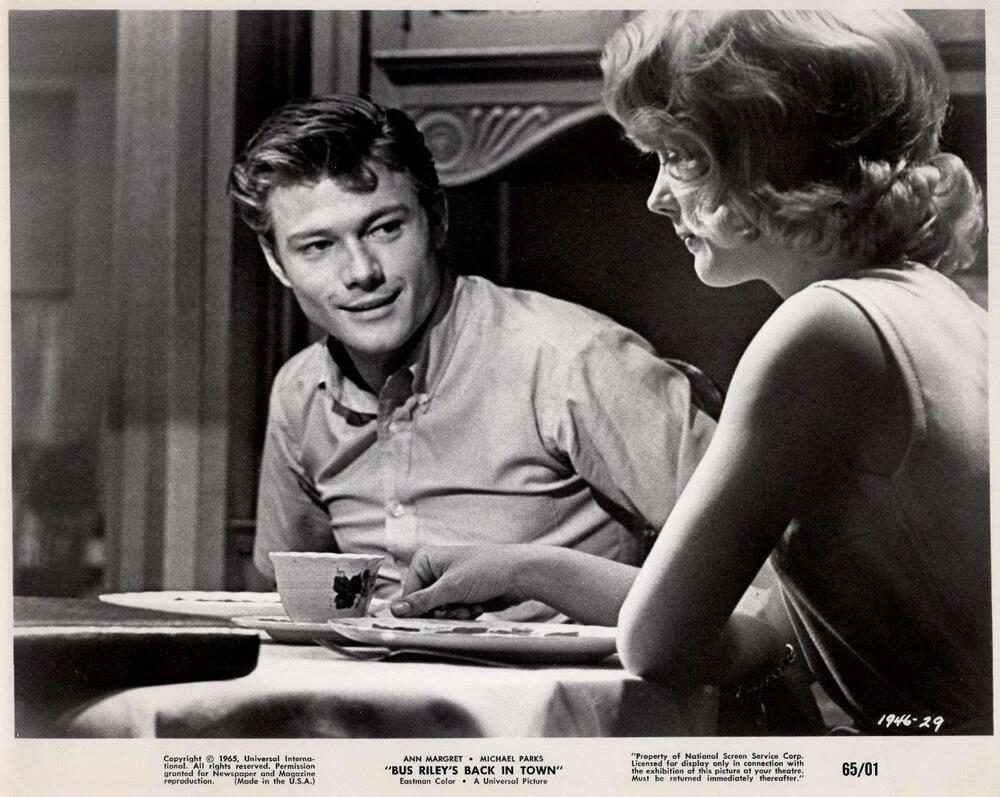
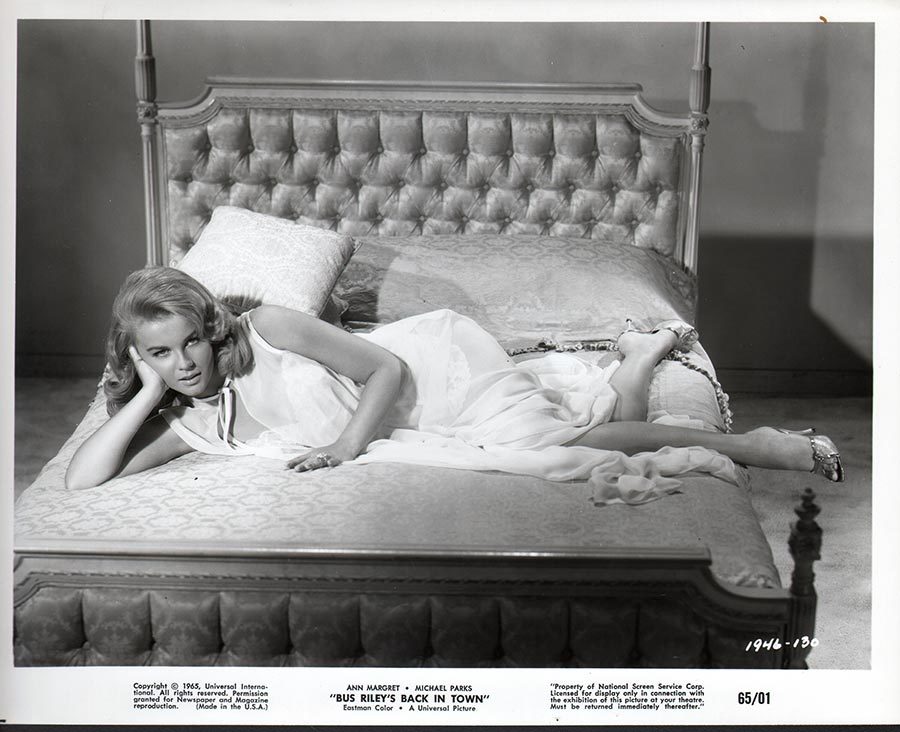
Harvey Hart’s BUS RILEY’S BACK IN TOWN

If the Eagle’s LYIN’ EYES was a film, it would most certainly be Harvey Hart’s BUS RILEY’S BACK IN TOWN. The perverse and transgressive drama features an exceptional cast led by Michael Parks and Ann-Margret with supporting turns by Kim Darby, Brad Dexter, Brett Sommers, and David Carradine. The film has the Old Hollywood look of silky black and white, sharp camera work, and two beautiful movie stars, but with New Hollywood themes; homosexuality, adultery, apathy, and a man’s penchant for underage girls. 

Michael Parks brings his all as a young man recently returned from a two-year stint in the Navy, tattooed with his love for Ann-Margret on his forearm, only to find that she had married a rich old man. Angst and apathy engulf Parks has he walks the streets of his old town, smoking cigarettes and drinking beers with David Carradine, he drifts in his home town, as he zigzags between jobs, all the while trying to avoid the nostalgically emotional traps Ann-Margret lays for him. 

The more “controversial” themes of the film are mainly left to not just the viewer’s interpretation, but their intellect. It is not that Parks’ fondness for high school girls comes off predatory or aggressive, it is difficult to dissect if it something that is consciously doing or subconsciously. He isn’t a sexual predator, but it certainly is not a coincidence either. 

Ann-Margret is wickedly fun in this film. She knows exactly what she’s doing, and my oh my, does she know how to arrange things. She’s the best kind of femme fatal; sexy, alluring, yet deep down inside of her lay a turmoil with no resolution, no end in site – she is destined to be vapid and hollow for eternity. She is magnificent in this role in a beautiful showboat of a performance. 

BUS RILEY’S BACK IN TOWN is the epitome of a “sleeper”, it’s a film that is underseen, and due to its racy subject matter, is a film that more than likely did not find its proper audience upon its release, and still has yet to find home video distribution in any region. While the film is tame, by today’s standards and those of other late 60s and 70s films – given the context, the film is well crafted and features a young Michael Parks whose on-screen charm and aesthetic would give James Dean a run for his money any day.

Ridley Scott’s The Martian

You know those Sci-Fi movies where someone has a near miss, narrow escape or heroic encounter up in space and everyone down in the NASA control room leaps up, cheers and claps in collective catharsis? It’s a well worn narrative beat and can sometimes be an eye roll moment. Ridley Scott’s The Martian has several of these but because the characters and plot are so well drawn they feel earned, appropriate and exciting. That goes for the film itself as well, it’s a two and a half hour space epic that feels as breezy as a ninety minute quickie, an optimistic, human story of one man’s ultimate quest for survival and everyone else’s daring attempts to rescue him.

Scott is no stranger to darker, more austere stuff particularly in his Sci-Fi exploits, but he shines a bright light on the proceedings here, making a super complicated, science based story with many moving parts somehow seem light and carefree while also making a big emotional landing. Matt Damon is Mark Watney, astronaut, botanist, space pirate and celestial castaway, marooned on the red planet following a mission gone wrong and presumed dead by NASA and his crew, until he’s able to communicate. He grows potatoes using… homemade fertilizer, repairs a satellite and awaits rescue while everyone else faces moral and technical quandaries in their struggle to bring him home. NASA’s director (Jeff Daniels, smarmy but never an outright baddie) is reluctant to go all out and send another mission, the crew’s handler (Sean Bean, fantastically low key and against his usual tough guy image) wants to do right by them and inform their commander (Jessica Chastain). The earthbound commotion is nicely interlaced with Damon’s solo outings up there and somehow they edit the thing to both realistically depict the passing of time but also fly through the proceedings breathlessly. Scott casts his film with ridiculous talent including Kate Mara, Donald Glover, Michael Pena, Aksel Hennie, Sebastian Stan, Benedict Wong, Chiwetel Ejiofor, Kristin Wiig and Mackenzie Davis.

Many people wrote this off as a good film but simply fluff, like an enjoyable but kind of inconsequential ride, or at least that’s the vibe I got from some reviews. I couldn’t disagree more. This type of story is exactly the kind of thing we need more of in this day and age. One could remark on the vast amount of effort, overtime hours and expenditure NASA puts in simply to bring one astronaut home, and whether or not it’s worth it (Jeff Daniels certainly has that thought cross his mind), but the truth is that it’s not about just Mark Watney, or just any one person stranded up there, it’s about what the actions and efforts signify, and how important that is, as well as the notable and extreme resilience on his part. This is a film that shows the best in human beings who are put in impossible situations, and how we might make ourselves, and those around us into better people. It’s a rollicking space flick speckled with incredible talent, hilarious comedy, scientific knowledge and has already aged splendidly since it’s release four years ago. Top tier Ridley Scott for me, and one of the best Sci-Fi films in decades.

-Nate Hill

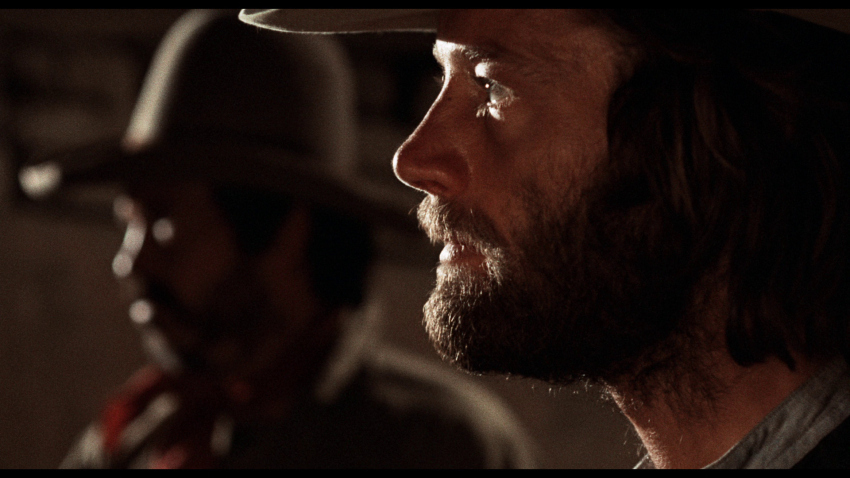
Peter Fonda’s The Hired Hand

In the wake of EASY RIDER reinventing the cinematic wheel, Universal Pictures made a five-picture deal with young filmmakers, offering them each a million dollar budget and final cut, one of these films was Peter Fonda’s THE HIRED HAND. In his directorial debut, Fonda captures an intimate portrait of friendship and identity and foregoes the ultra-violence of Sam Peckinpah and embraces the melodrama of Douglas Sirk

What is most striking about the film is the technical achievements, the cinematography by Vilmos Zsigmond is without a doubt, absolutely astounding. He captures life, which at no point seems staged, as if it is happenstance that he just happened to be there to document the story; it all just seems so effortless. Bruce Langhorne’s score further laminates the remarkable visual beauty, with serene musical numbers that accompany Fonda and Warren Oates as they travel back to Fonda’s homestead. 

The two men head back, in hopes that Fonda’s wife (played by the remarkable Verna Bloom), ten years his senior, will accept him back after he left unannounced years ago. The pair was originally a trio, and the third, a young hand, gets murdered under a mysterious cloud in the first town they stop in, those are the events that lead to Fonda’s awakening of needing to go home.

Once the pair reach the homestead, many revelations lead to an introspective crisis for all involved. Fonda forcing himself back into a life he left behind, Bloom and her transgressions while Fonda had been away, and Oates and his silent love for Bloom. The performances are as magnificent as one would think. Fonda gives a sleeper performance, very understated yet quietly raw and vulnerable. He doesn’t speak much, he doesn’t do much; yet every single frame he is in, one cannot help but be completely captivated and enamored by him. Bloom is just as wonderful, showcasing her range by providing grit with deep vulnerability. And then there is Warren Oates, and in this film, he is as expected, Warren Oates playing Warren Oates. He is remarkable.

Technically, the film is a hybrid of its time, much like EASY RIDER, the film looks and feels like it takes place in the time it is set, yet it is absolutely apparent when the film was made, the freeze-frame psychedelic aesthetic is used just enough, without wearing itself out, and the editing by Frank Mazzola is out of this world. THE HIRED HAND fits perfectly with the cinematic output of the late 60s and early 70s, and is absolutely the conventionally unconventional western much like the films of Sam Peckinpah and Sergio Leone. 

Steven Knight’s Serenity

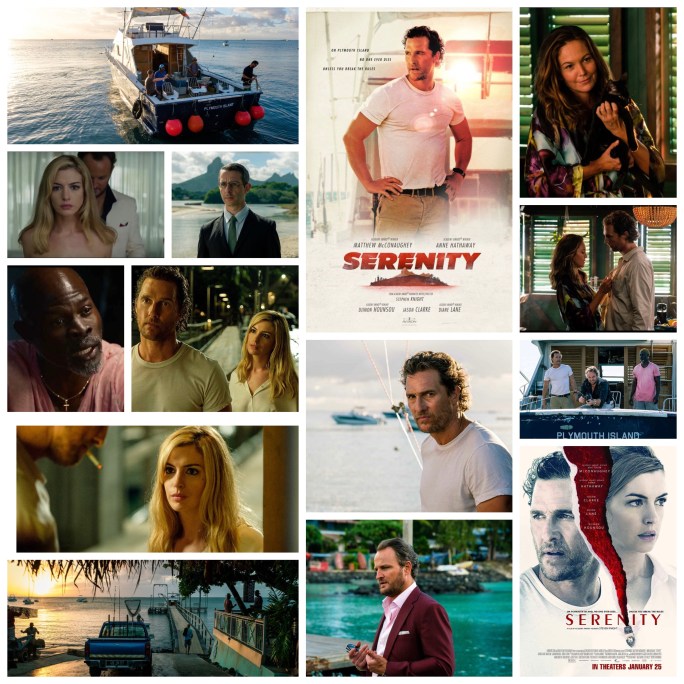
I’m not sure why an imaginative, original concept film like Steven Knight’s Serenity got the unanimous critical beatdown it did, but I didn’t find it anywhere close to as bad as I’d heard it was. It’s uneven as all hell, bizarrely staged and written like a soap opera gone postal, but in a sea of sequels and remakes it goes a long way that they even tried something this ‘out there.’ Like a warped bastard child of Black Mirror and the sultriest stuff that Brian DePalma has to offer, this one plays out on a specifically fictitious Florida destination known as Plymouth Island, a place where reality might not quite be as it seems.

Matthew McConaughey gives another intense, haggard turn as Baker Dill, a commercial fisherman reduced to ferrying tourists around to catch tuna with his even more intense second mate Duke (Djimon Hounsou in Cajun mode). Baker spends his days banging local beauty Constance (Diane Lane in yet another role that’s beneath her) and trying to catch a giant rogue tuna he’s nicknamed Justice. Anne Hathaway shows up in a blond dye job, squarely in femme fatale mode as his ex wife who has married one tyrannical, abusive monster played by Jason Clarke in a performance that I genuinely was confused whether to find hilarious or be terrified by. Hathaway wants Baker to take hubbie out fishing and feed him to the sharks, Baker wants nothing to do with either of them and Clarke wants to get hammered, insult everyone and do some other things I dare not repeat here. It’s a lurid, noirish snake-pit of sweaty sex, deception and indecent human behaviour, but there’s something more high concept going on beneath the film of scum on the upper layer of the script. A mysterious suit (Jeremy Strong) pursues Baker around and there’s just this gnawing feeling that what’s happening isn’t quite… real, at least in the traditional sense. That’s all I’ll say in that arena.

McConaughey isn’t doing anything revolutionary here and the hangdog, lady’s man drunk is nothing new for him, but he puts on a good show and is clearly having fun. Hathaway and Lane curl around the dialogue like the pros they are and do fine as well. Clarke is something else though, and has to be seen to be believed. He’s a misogynistic, blustery, abusive, hard drinking lunatic who seems to be channeling Lee Majors, Lee Marvin and The Devil all in the same note. I can’t tell if it’s great character work or more a bull in a china shop scenario, but he certainly makes an impression.

This isn’t a great film and certainly seems at odds with itself, I’ll concede that. The reality bending, the sleazy noir and some surprising sentimental notes later on all seem to be culled from various other sources and sort of clash onscreen in the same film. But there’s something so alluring about the ambition of this thing, the sheer ludicrous dedication to a concept that seems more at home in the Twilight Zone than a big budget theatre release. Nevertheless, I wasn’t bored once during it and it’s well made, scored (unusual, invigorating composition from Benjamin Wallfisch) and acted into oblivion by the ensemble cast, all clearly self aware and having a blast. This thing got royally shredded by everyone and their mother upon release, prompting me to put off watching it for quite a while. Safe to say it was unfairly assessed, I found it to be a good time.

-Nate Hill

Brightburn

brightburn1

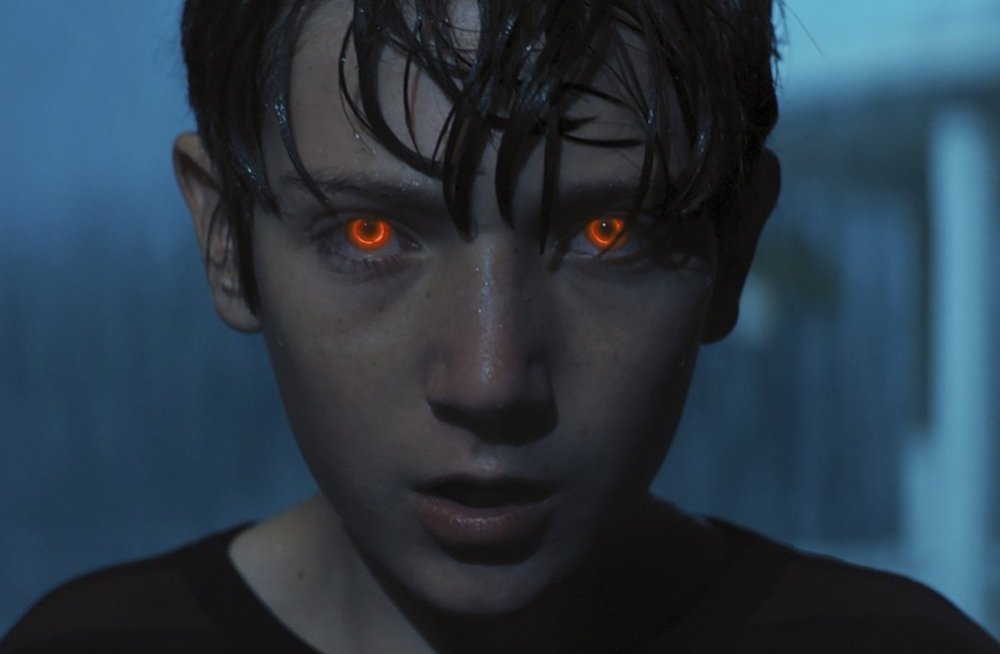
Trope rolls off the tongue like a dirty word when discussing film. It reeks of stereotype, repetition and outright plagiarism; nobody wants to hear that their movie is based on tropes.  But what if trope is embraced as a guiding principle to subvert the form and mesh two popular geek genres at the same time?  Cousins Mark and Brian Gunn took a look at several iterations of Superman’s comic book beginnings and decided that collection of tropes might come together nicely with the horror genre—after all, a meteor crashing into earth with an invulnerable alien baby inside doesn’t actually lend itself to sunny predictions out here in the real world, does it?   They’ve crafted a screenplay that deftly jumps between throwing a dark mirror in the face of the shopworn superhero origin story to working every twist and turn of the story like a classic monster movie.   It’s a neat trick, pulled off with the help of a relatable cast and sturdy direction from David Yarovesky, telling a comic book tale using every horror movie trick in the book.  And for the most part, it works.

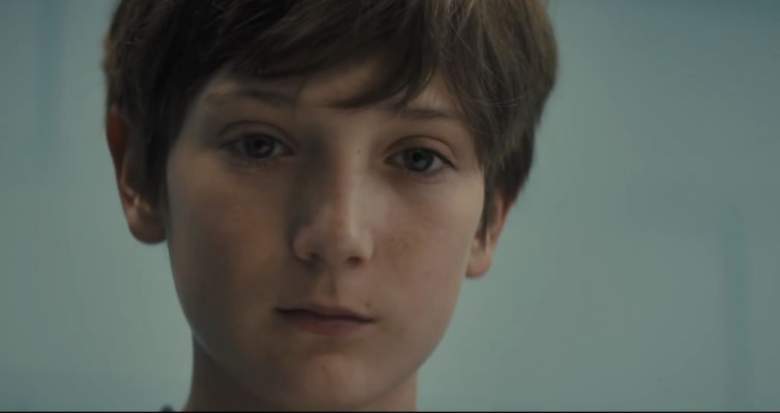
I say for the most part because some tricks do in fact cross into the realm of truly overplayed trope—this movie has so many jump scares, based on the same trick (surprise surprise, the kid can move really, really fast) that you might be reaching for seizure meds by the end of it.  Still, most of the scares are quite fun as we watch Tori (Elizabeth Banks) and Kyle (David Denman) overcome fertility problems thanks to a cosmic bolt that, in the very early going, appears to be nothing but a blessing.  One of the grounding graces of Brightburn is this pair’s performances.  Their small town red state world feels lived in and authentic, a place where everyone has a big house surrounded by bigger fields and a hunting rifle is a fine present for a 12 year old boy.  The boy in question, Brandon Breyer (Jackson A. Dunn), hits puberty as the story truly begins, and we’re hit with another trope subversion as Superbad turns into The Omen.  Dunn has the right look and acting chops to pull Brandon Beyer off; a cute urchin with just enough isolation to his presence that you could easily see him turning into the next school shooter, or, in this case, overpowering serial killer.

Make no mistake, the moments that would usually introduce challenging opportunities to discover heroic uses for newfound abilities here present themselves as a monster increasingly capable of terrorizing its prey before the kill.  Over the course of its fleet runtime, Brightburn earns a big bloody R rating thanks to the sequences of increasingly violent mayhem, working the tropes of the horror genre while playing switcheroo with familiar superhero moments—those who’ve seen the likes of Superman Returns and Man of Steel will get a dark chuckle out of some of Brandon’s interactions with vehicles here—and a stomach churning third act reveal is slyly telegraphed from early on.  The Gunn cousins, working with production support from James Gunn himself, no stranger to horror and comic book films, have gone all in on this queasy, nasty concept and reminded us all that yes, there are still strange, unexpected and satisfying corners of tropes to be mined for our cinematic dreams—and nightmares. brightburn2

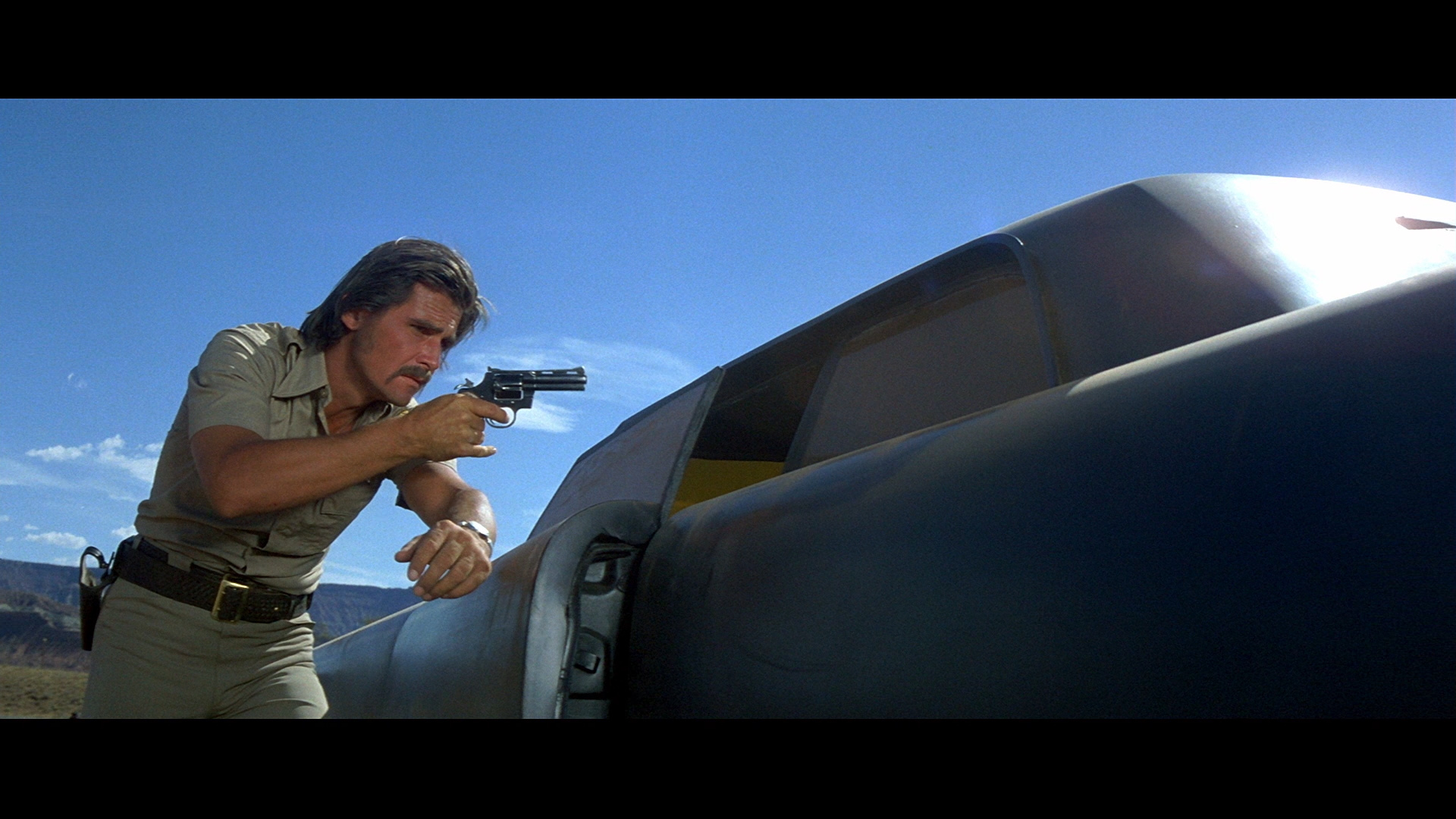
Elliot Silverstein’s THE CAR

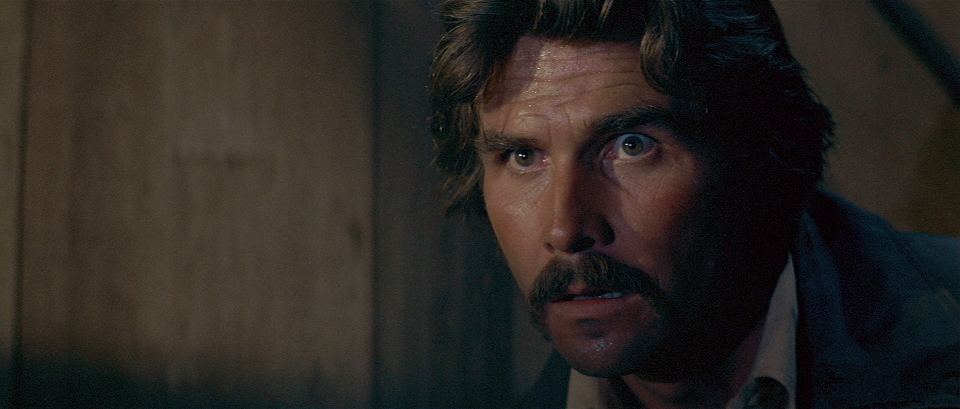
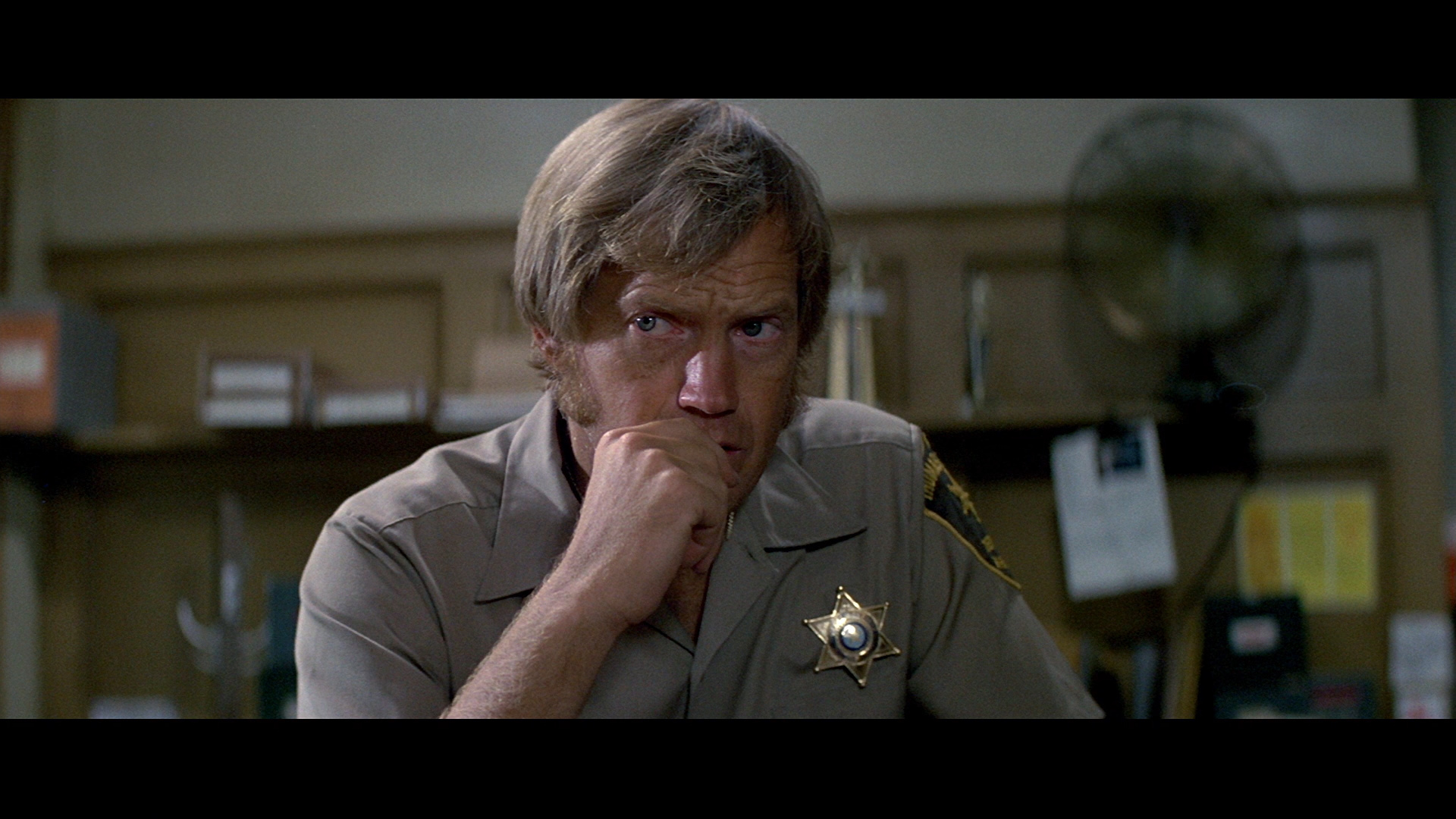
A sharp and witty script along with cracking performances is what keeps Elliot Silverstein’s THE CAR above the fray of the below-the-line grindhouse inspired cult films of the 70s. James Brolin, who in his younger days is a dead ringer for Christian Bale and sounds like Matthew McConaughey, is the lone sheriff in Santa Ynez who must stop a demonic car from killing people. Whilst not a direct inspiration,  there are elements and similarities to Quentin Tarantino’s DEATH PROOF, and would be near impossible for this film to not be an influence. This flick is a lot of fun. 

The supporting cast populated by a wickedly fun R.G. Armstrong, a playful Kathleen Lloyd, stoic John Marley, and a vulnerable turn from Ronny Cox. The principle characters are given a bit more to do than they normally would in a film like this. Brolin is raising two daughters on his own while courting a local school teacher; Marley’s first love is in an abusive relationship with Armstrong, and Cox is the closet alcoholic who puts the pieces together about the demonic car.

The Car itself is a lot fun. It is matte black, indestructible, and terrifying. One of the many highlights of the film is the point of view of The Car, which is cut to during key moments of the film and adds a heightened sense of reality to the situation this dusty California town finds itself in.  The practicality of the effects is another aspect to not only admire but respect about the film. The stunts are wonderful, and the Car brings the action, especially in the third act where the Car literally gets airborne and drives through a house to take someone out. It is rather awesome.

The strengths of this film surely out way any slight aspects that potentially hinder the film’s enjoyment factor. James Brolin is quintessentially cool in this film, and carries the weight of the lead perfectly – if this film had been made in the 40s, Gary Cooper most certainly would have played the role. The menacing score, the remarkable set pieces and expansive cinematography are all factors that showcase what a wonderfully fun picture this is. A minimalist approach is very effect in horror, and THE CAR is a prime example.