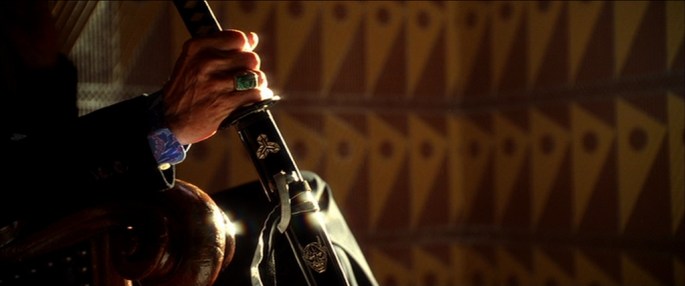
Quentin Tarantino’s kill bill volume i

“You know, I bet I could fry an egg on your head right about now, if I wanted to.”

What was once a film that would star Warren Beatty in the title role, wherein Bill would have been more James Bond and less David Carradine, tensions mounted as production stalled due to Uma Thurman’s pregnancy. Beatty grew impatient with not only the delay in production, but the constant reference to Beatty playing the role like Carradine would. Beatty inevitably left the picture, imploring Tarantino to cast the only actor alive or dead to play Bill, David Carradine.

The film marks one of Tarantino’s most dynamic screenplays, a soundtrack featuring score tracks only used in other films films, Robert Richardson’s richly fulfilling cinematography, and an ensemble bread from his most organically diverse cast.
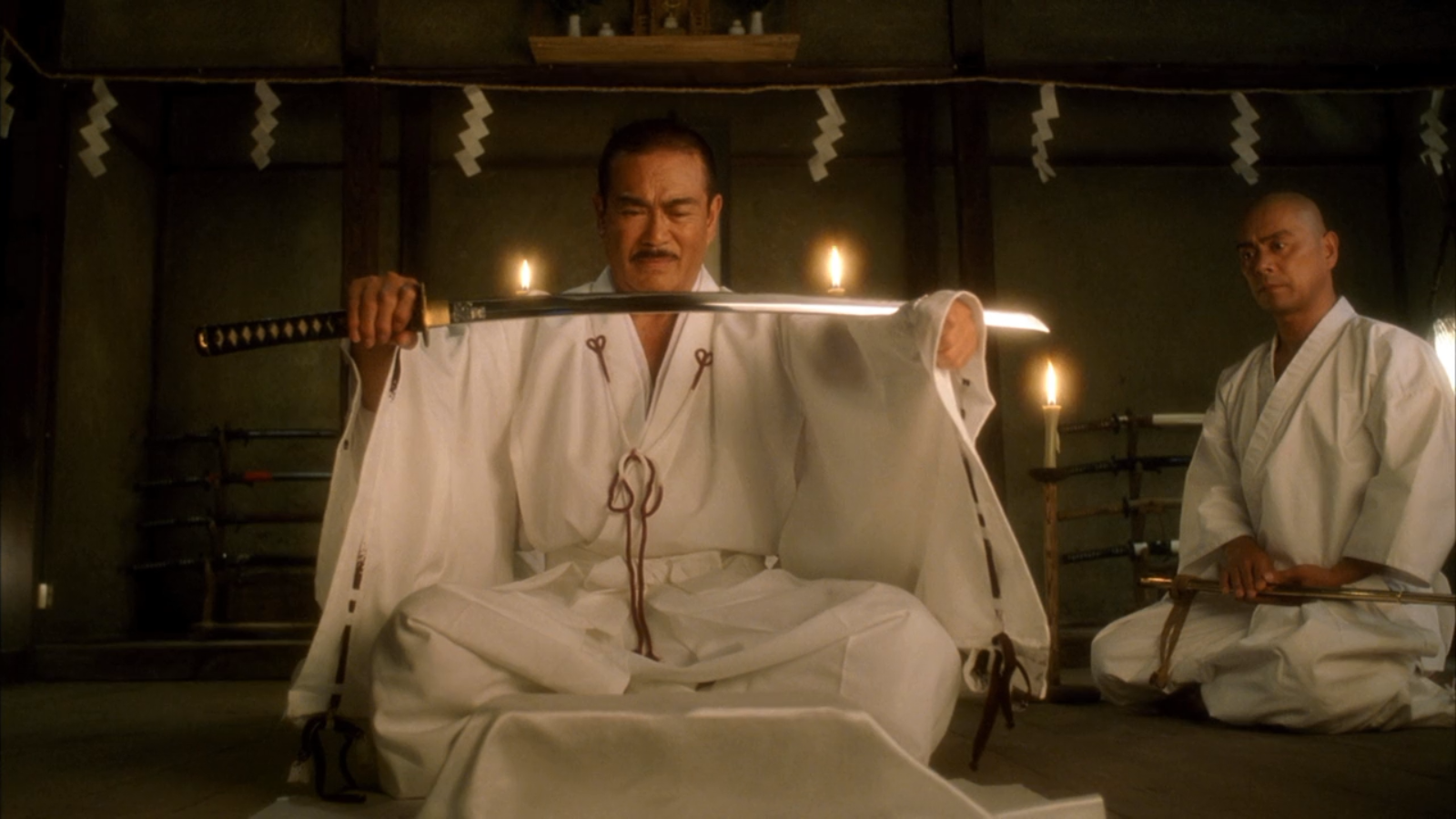
What is encompassed within is his most seminal and homage laden film to date is referencing everything from Mark Goldblatt’s THE PUNISHER, to the STREET FIGHTER films, with a ONCE UPON A TIME IN THE WEST capstone.

This isn’t just some hardcore, stylishly sexy revenge flick (which it is), at its heart is a story about a scorn lover whose hubris sets a deadly chain of events in motion. Bill, who is only heard and whose hands and boots are only seen, loves the heroine so much, he would rather kill her than to be without her. Potent stuff.
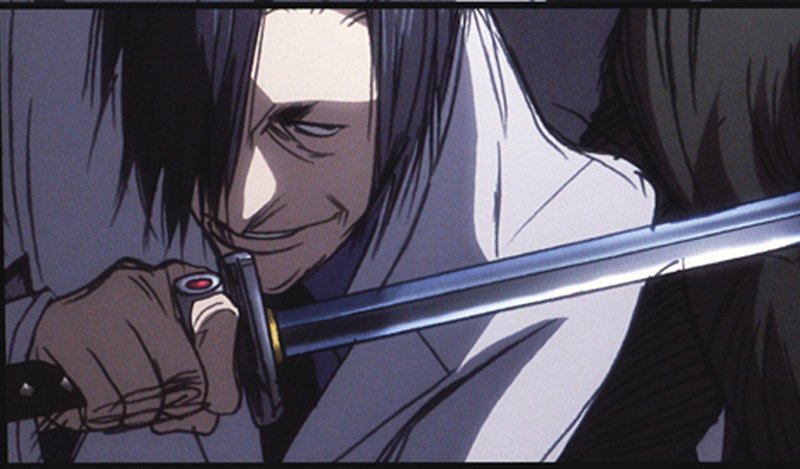
What ensues is a tale of bloody revenge where Tarantino’s most ass-kicking character stops at nothing to exact a near equal measure of revenge to those who killed what was supposed to be the greatest day of her life, marrying “some fucking jerk” and leaving behind her life of being a member of the Deadly Viper Assassin Squad.

In the Tarantino-Verse, things get much more colorful and downright self indulgent, but baby, it is absolutely glorious.

Uma Thurman gets shot in the head, Daryl Hannah is featured in the best Brian De Palma homage ever, Michael Madsen acts as the thread that directly leads into the second volume, Production I.G. came in and did an amazing animated segment, RZA supplied the sound effects, Lucy Liu gets a reintroduction sequence that any actor would kill for; not to mention getting scalped, Sonny Chiba gives an encore as Hatori Hanzo, Michael Parks returns as Sheriff Earl McGraw, Vivica A. Fox delivers one of the most memorable on screen deaths in a QT movie, and David Carradine is the man.

None of that even begins to scratch the surface.

The first volume of KILL BILL is what rebirthed Tarantino into an acutely self righteous auteur. Making films for not just his rabid and loyal fanbase, but most importantly films that he, as a passionate fanboy of cinema, would want to see on screen.

Happy 56th birthday, Wayne!! I mean….Mike Myers…

Let me bring you up to speed. My name is Wayne Campbell. I live in Aurora, Illinois, which is a suburb of Chicago – excellent. I’ve had plenty of joe-jobs; nothing I’d call a career. Let me put it this way: I have an extensive collection of name-tags and hairnets. OK, so I still live with my parents, which I admit is bogus and sad. However I do have a cable access show, and I still know how to party. But what I’d really like is to do Wayne’s World for a living. It might happen. Yeah, and monkeys might fly out of my butt.

PRISONERS (2013)

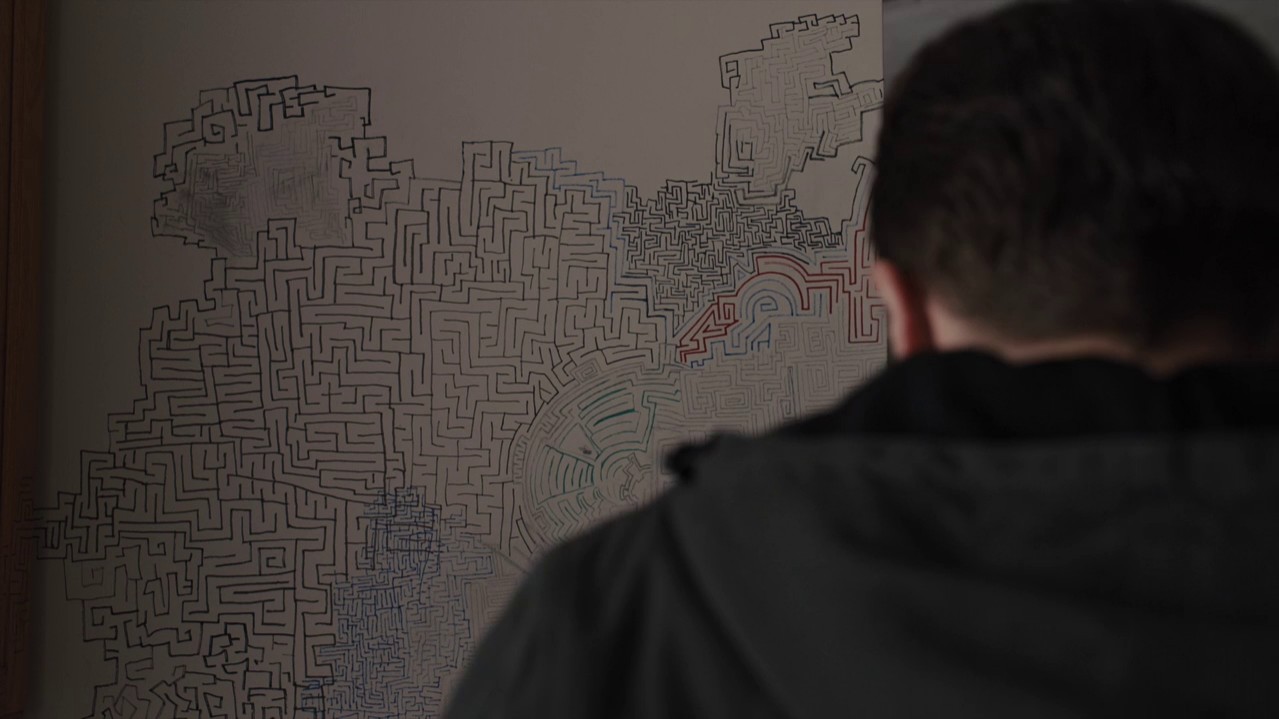
“If goodness is order, evil must be disorder, the straight path or the maze…” – Eugene Ionesco

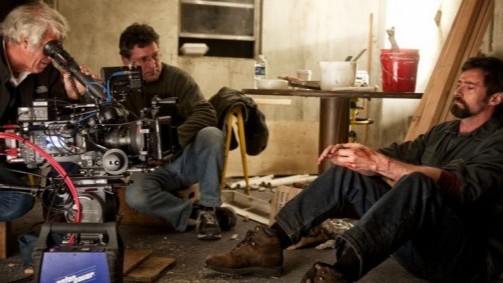
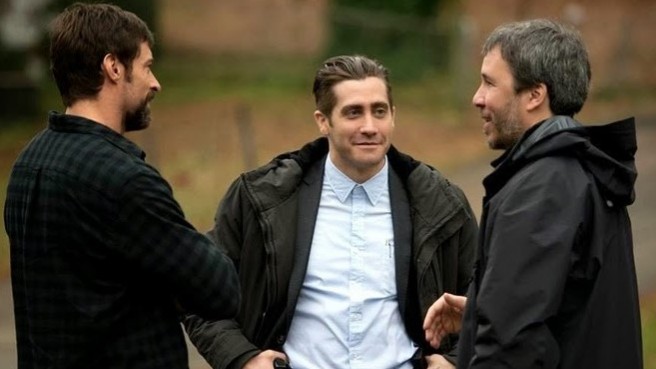
In 2013, when the oh so talented French-Canadian film director, Denis Villeneuve (Sicario, Arrival, etc) paired with the triple BAFTA and long awaited Oscar winning cinematographer, Roger Deakins (EVERYTHING) for Prisoners, a cinematic masterpiece was born. I can only imagine how Aaron Guzikowski (Contraband, Papillon) must’ve felt knowing his script had fallen into the hands of greatness. And can we talk about that hypnotic score by none other than the late, great Jóhann Jóhannsson (Sicario, Mandy) that’s been playing on a loop as I write this??

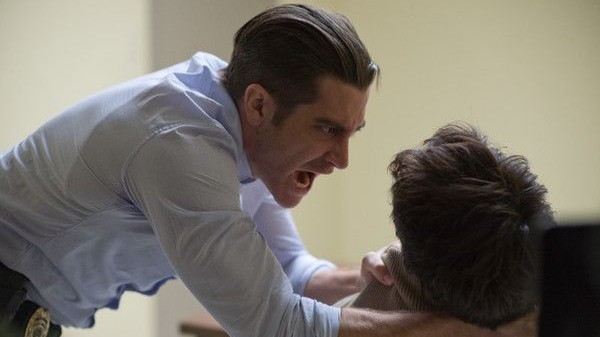
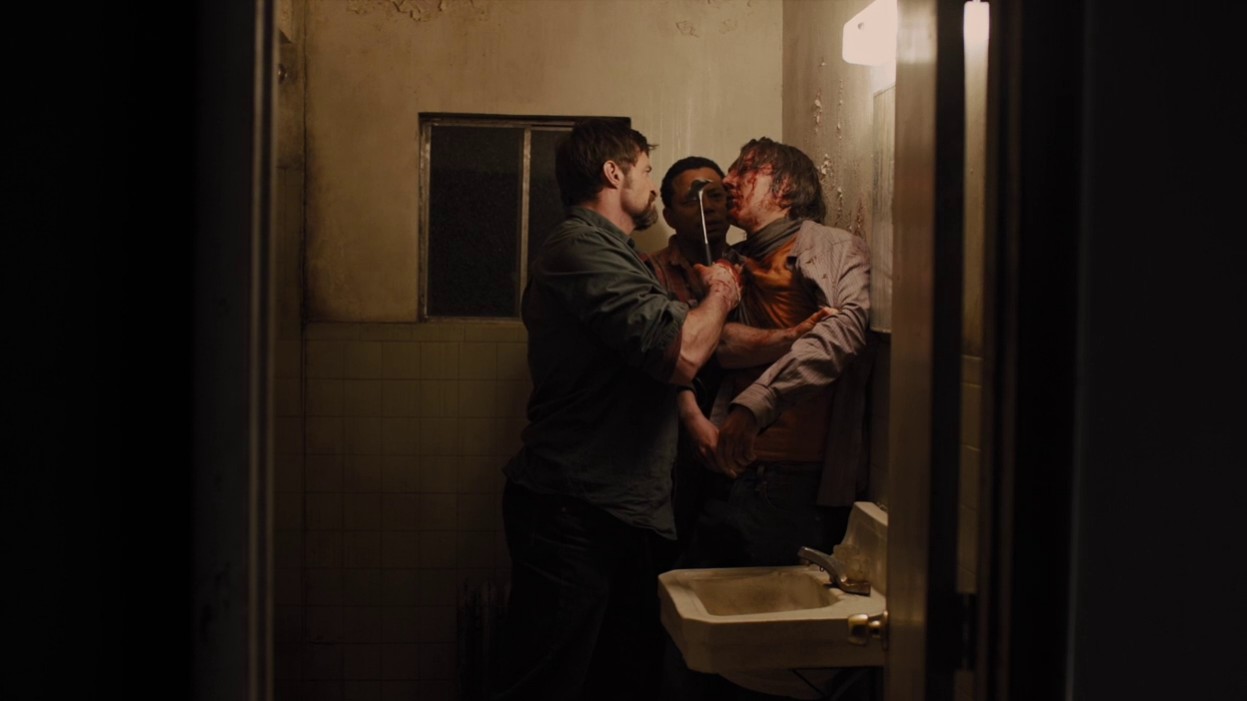
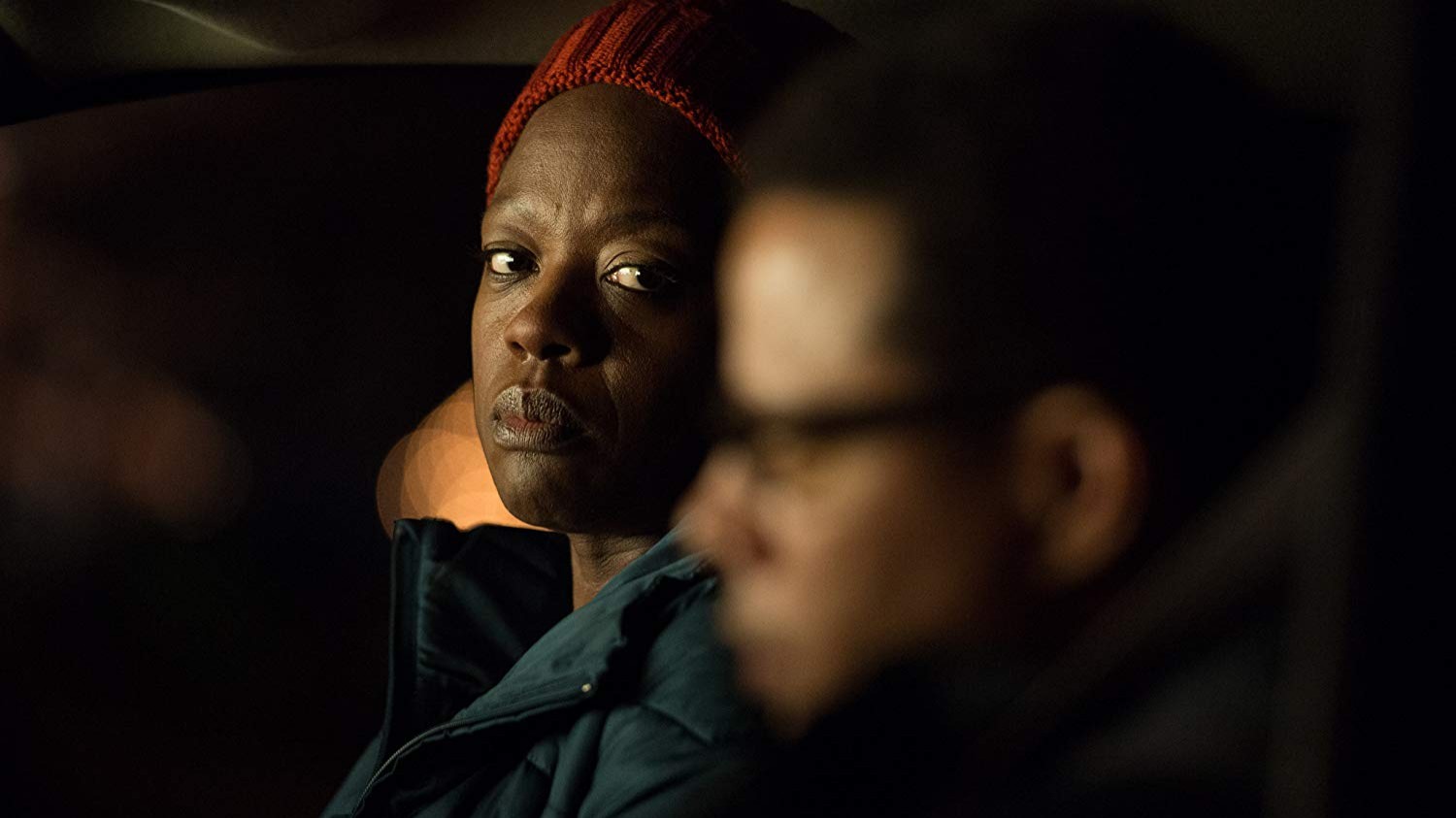
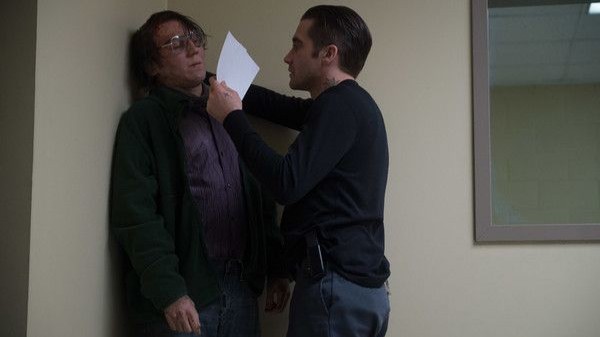
I, for one, am a BIG fan of movie violence and Prisoners doesn’t shy away from delivering a heavy dose of it. However, with its consistent tone, it is only violent when it needs to be and delivers it with realism. The outbursts of rage burgeon from Keller Dover (Hugh Jackman) as he finds himself lost within his own mental labyrinth between morality and retribution. A man who will stop at nothing to find answers about his missing daughter, even if it means ruthlessly torturing Alex Jones (Paul Dano), a suspect released due to the fact that he has the IQ of a 10 year old boy and yet seemingly still knows pertinent information about the case.

They didn’t cry until I left them” – Alex Jones

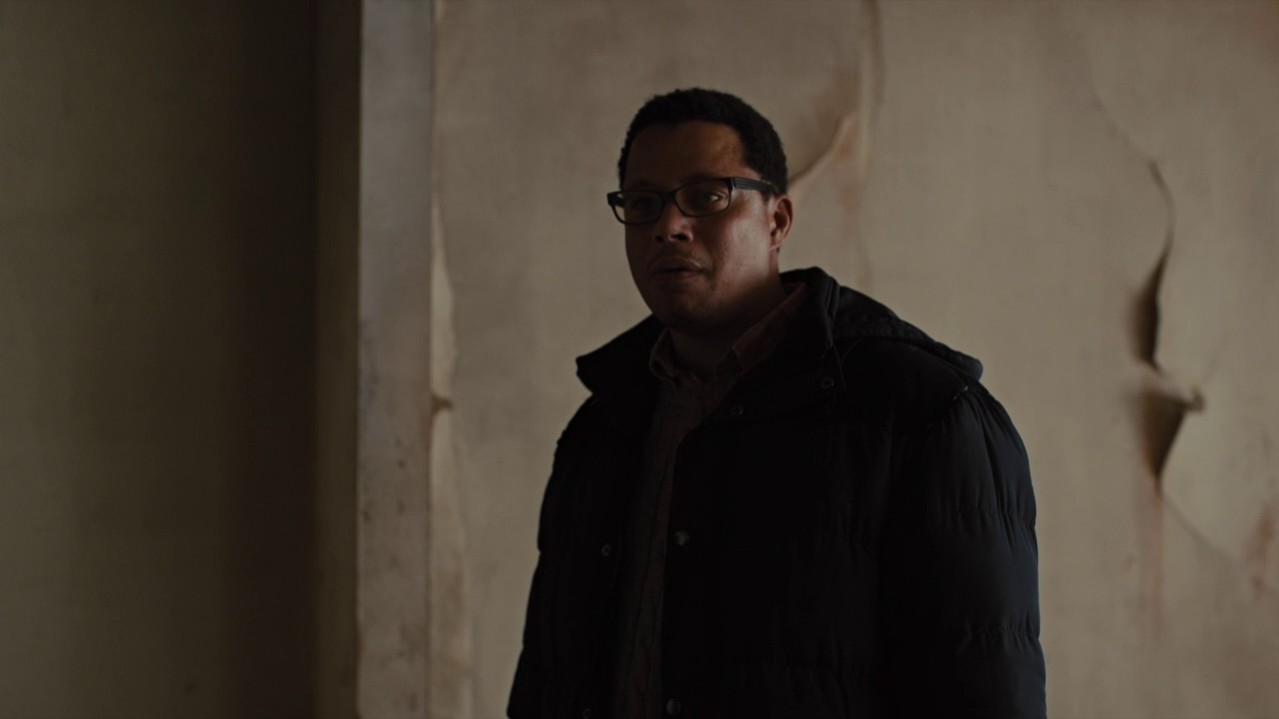
Franklin Birch (Terrence Howard) personifies what’s at stake for Keller in relation to his deeper conscience. As Franklin remains true to his wife and stands by his family, we see Keller start to lose grip with reality, drifting further away from his family through drinking and becoming more focused on his new….um….extracurricular activity.

No light gets in, barely enough
room to sit down inside.
The shower still works, but we
control it from out here. I
rigged the water heater, so it
either comes out scalding or
freezing.
– Keller Dover

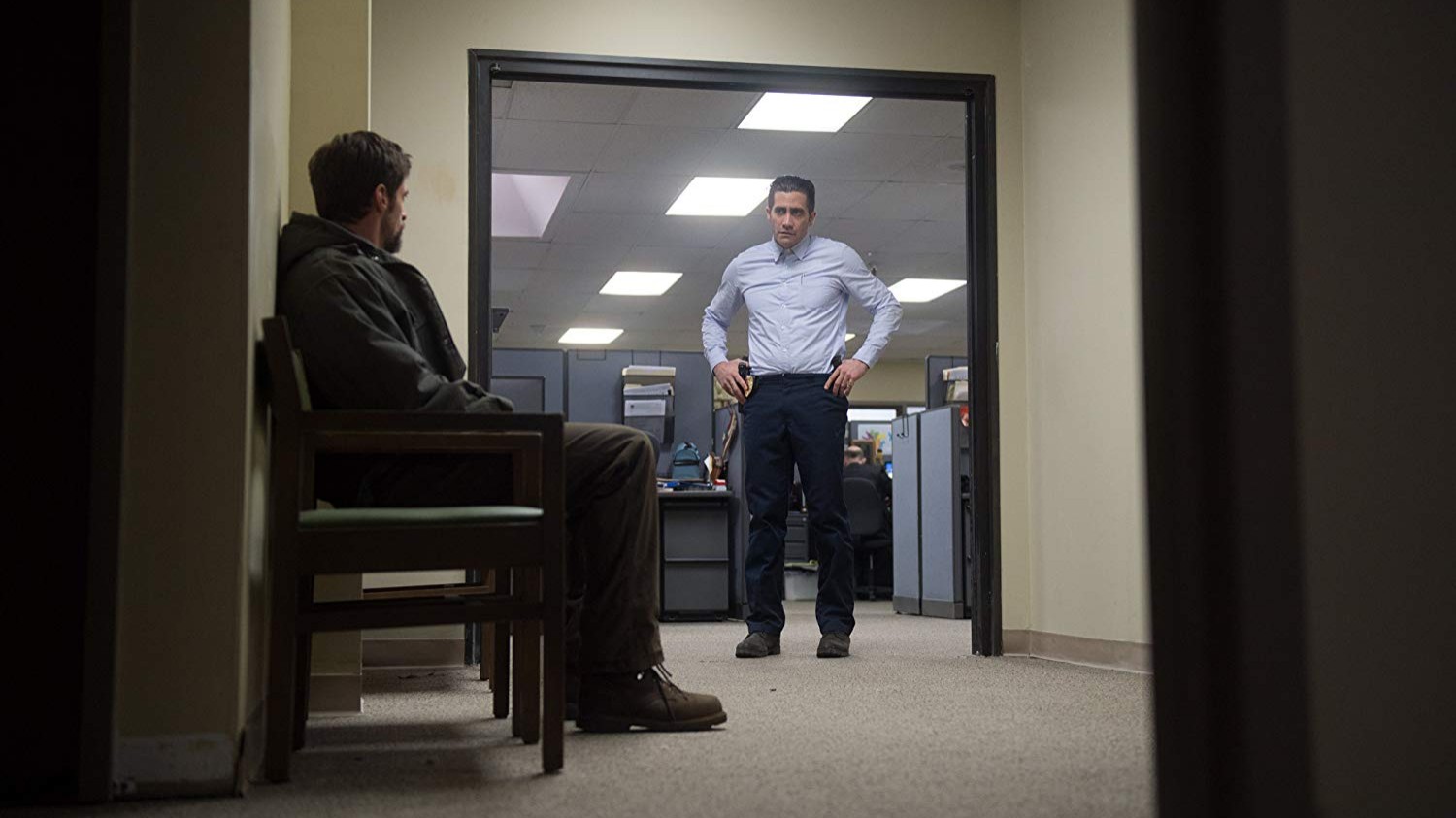
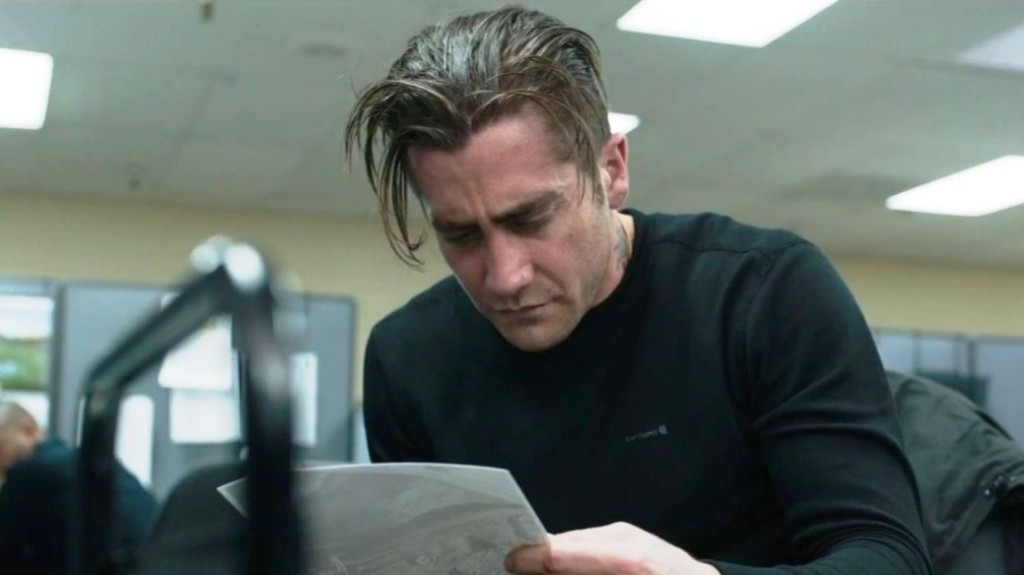
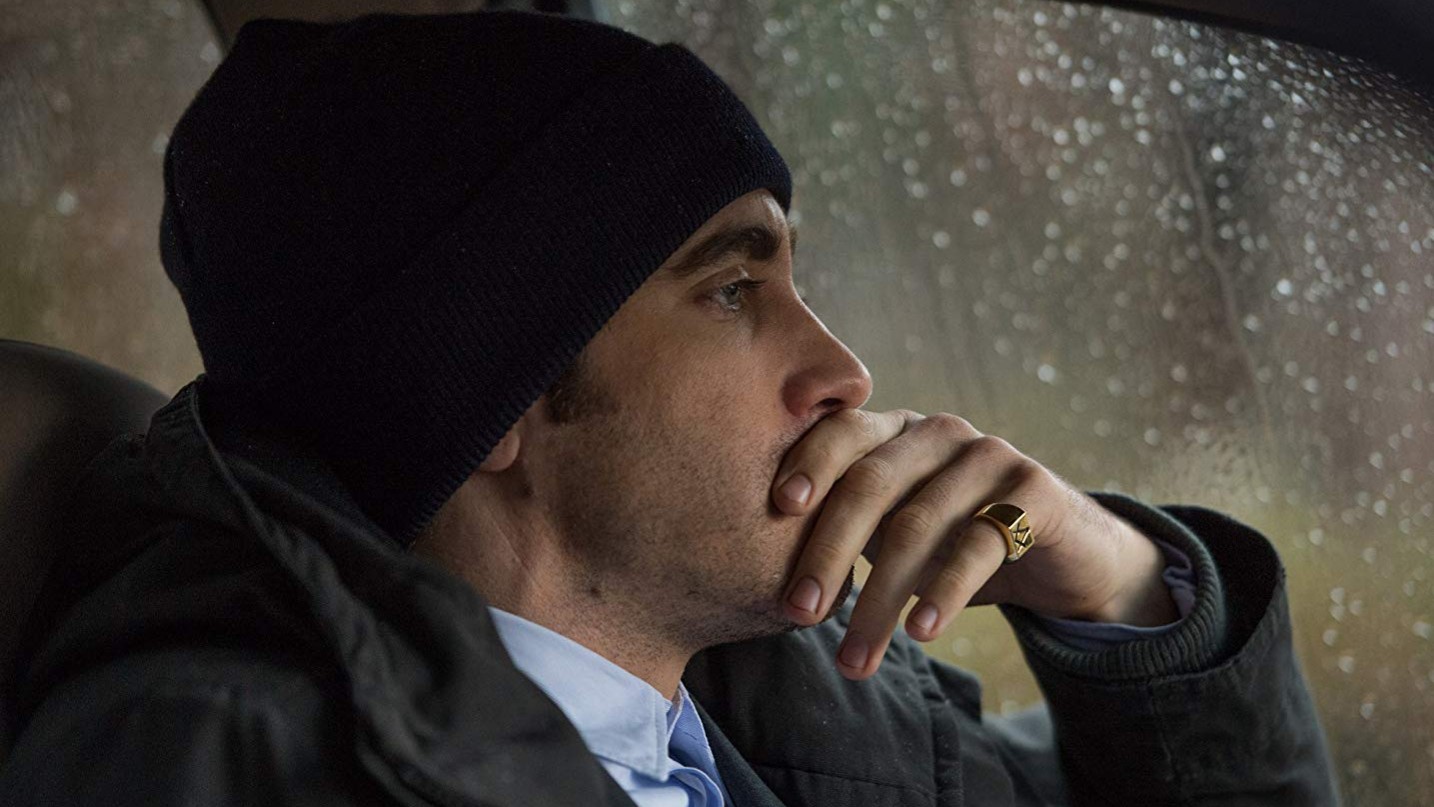
And then let’s talk about Detective Loki (Jake Gyllenhaal). One of Gyllenhaal’s best performances, in my opinion...but what’s with that blue shirt buttoned all the way up throughout the whole movie??

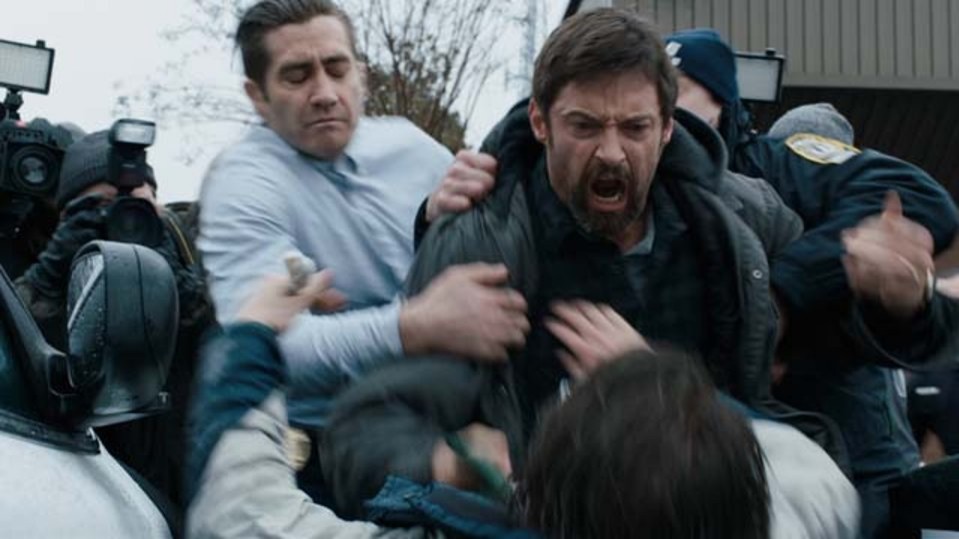
His daunting angst is made visually apparent by a nervous tick and cold exterior especially when given the case of the two missing girls. His steadfast level of professionalism is tested when dealing with the grief-stricken, emotionally deranged Keller. Loki seems to internalize everything, which makes his few emotional outbursts all the more unsettling. His obsession with this particular case makes him briefly question his own sanity but he eventually succeeds at piecing together this tumultuous puzzle.

In closing, I give this film a ten out of ten and if you haven’t seen it yet then I highly recommend you set aside two and half hours of your life to do so. I absolutely adore these types of hard boiled movies and greatly appreciate this type of material. Why not create more films at this caliber instead of the onslaught of sequels, trilogies, and remakes upon remakes?? If I see another Disney cartoon made into a live action movie my nightly bloodlust will overflow into my days. I’ll feel lethal, on the verge of frenzy. I think my mask of sanity is about to slip….

From the incredible cinematography, to the masterful direction and captivating performances, Prisoners will forever be one of my top film picks.

Meatballs (1979)

“You make one good friend a summer and you’re doing pretty well.”

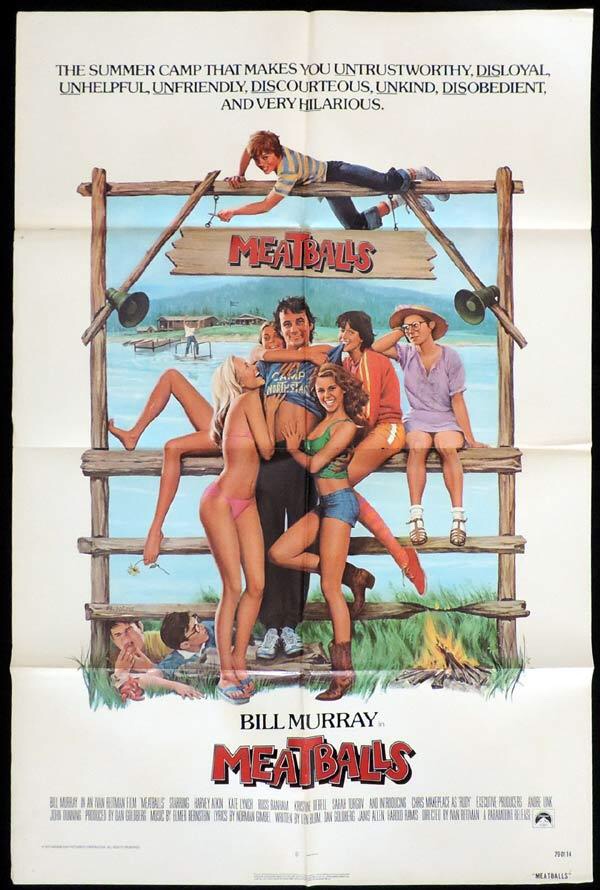
You wouldn’t know it today by how little it’s discussed but, believe it or not, there was a time in which Meatballs seemed to be playing all the time and was completely ubiquitous in the experience of a kid cresting ten in the early eighties. This was a time, of course, in which John Belushi was still alive and the inaugural cast of Saturday Night Live had the muscle to burn up the box office. This was also a time in which HBO would shamelessly play, ad nauseam, anything that had achieved a PG rating throughout the day for the latchkey kids who had to entertain themselves before Mom and/or Dad came home to make dinner.

But Meatballs has sort of given way to history in the way that, say, the Groove Tube has. Most mark Bill Murray’s performance in Caddyshack as their earliest favorite if they can even see beyond the gigantic horizon that is Ghostbusters. Even a cult item like Where the Buffalo Roam, with its built-in interest due to the ever-widening legend of Dr. Hunter S. Thompson, seems to get more ink these days than Meatballs.

And, to be sure, Meatballs is a complete trifle. Even as a summer hijinx movie, especially one co-written by the wittily acerbic Harold Ramis and directed by the equally irreverent Ivan Reitman, it’s pretty soft and inoffensive. Everything is kept tasteful; a quick mention of periods in the girls’ cabin, some innocuous riffing on how a girl can and can’t get pregnant, and some on-screen kissing that seems more wistfully sweet than something that could raise the temperature in the room. There is absolutely no hint of nudity and the most dangerous anatomical reference is in aid of a movie-ready softball strategy in the third act. Little wonder that the target audience of Meatballs recalls it a little more hazily than, say, National Lampoon’s Animal House or Stripes (both co-written by Ramis and the latter of which was directed by Reitman), two films that delivered the goods on the sex and the nudity.

But what Meatballs lacks in terms of the ribald excesses of its peers, it has more heart than any of those films combined. This is due, in large part, to Murray and Chris Makepeace, both making their film debuts. Without Makepeace’s Rudy Gerner, an awkward twelve year-old victim of shape-shifting puberty, Bill Murray’s Tripper Harrison would be nothing but a loud, immature wisenheimer. But in Gerner, Murray sees a pained, wounded kid who is understandably bad at soccer and whose dad is absent at Parents’ Day. And the way Murray takes him under his wing is truly the heart of the film. It is in those scenes that we see Makepeace workshopping for a similar turn in the following year’s My Bodyguard and Murray showing the kind of tenderness that would surprise audiences again and again throughout his career. And while it is all perfunctory and there are absolutely zero surprises anywhere to be found in Meatballs, there is something so special in the relationship between Murray and Makepeace that I’m completely charmed every time I put it on.

There are other things to admire in Meatballs. Kate Lynch’s Roxanne makes for an unusual and interesting romantic foil for Murray even if her character isn’t given much to do, and only a person with a heart of stone could dislike Harvey Atkin’s hapless camp director, Morty Melnick. All of the romantic couplings, while no better than sketch ideas, are handled with the right tone and temperature for the piece and the location, Ontario’s Camp White Pine, an actual functioning summer camp, lends some authenticity to the film. But mostly, I’ve just always been keen on how much Meatballs loves its characters which is likely one of the reasons it retains its charm 40 years later. Nobody is awful, nobody hits below the belt, and none of the outcast characters are really treated with scorn. And, ultimately, who can resist the film’s creaky-yet-effective populist bent with the scrappy underdogs of Camp North Star taking on the rich snobs of neighboring Camp Mohawk? These are the reasons why, when I want to kick off summer with a film that is a celebration of the kind of youthful magic that is only possible during the summer, I immediately go to Meatballs.

I may very well be on a quixotic quest to try and loftily immortalize this film. Watching it now, I can fully understand where Murray’s then-awkwardness as a performer having to star in his first vehicle can land him in very smug and unlikeable territory for some viewers. I can also agree that much of Meatballs is simply a vague series of ideas that are strung together just enough to make a movie. I can also appreciate how much of it would strike anyone raised on bawdier affair as old-fashioned pap; a film that never even attempts to get to first base. But for a slowly shrinking number of folks of my generation, Meatballs will be a forever young ode to adolescent awkwardness and as sweet as any great memory that was created therein. And that’s all it was ever aiming for.

Now I think I’ll go off and listen to Terry Blacks’s Moondust, thank you very much.

– Patrick Crain

Next week, I’ll look at the downside of summer camp with Friday the 13th Part 2. Stay safe, Camp North Star campers!

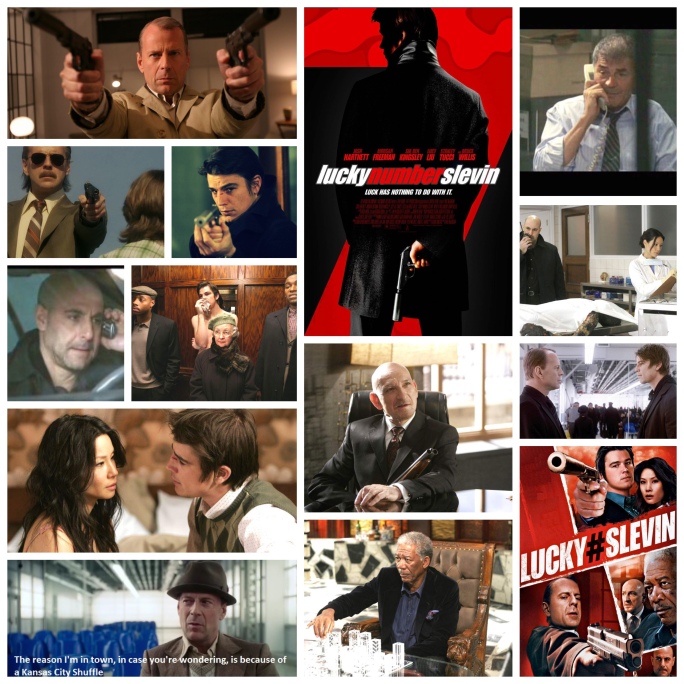
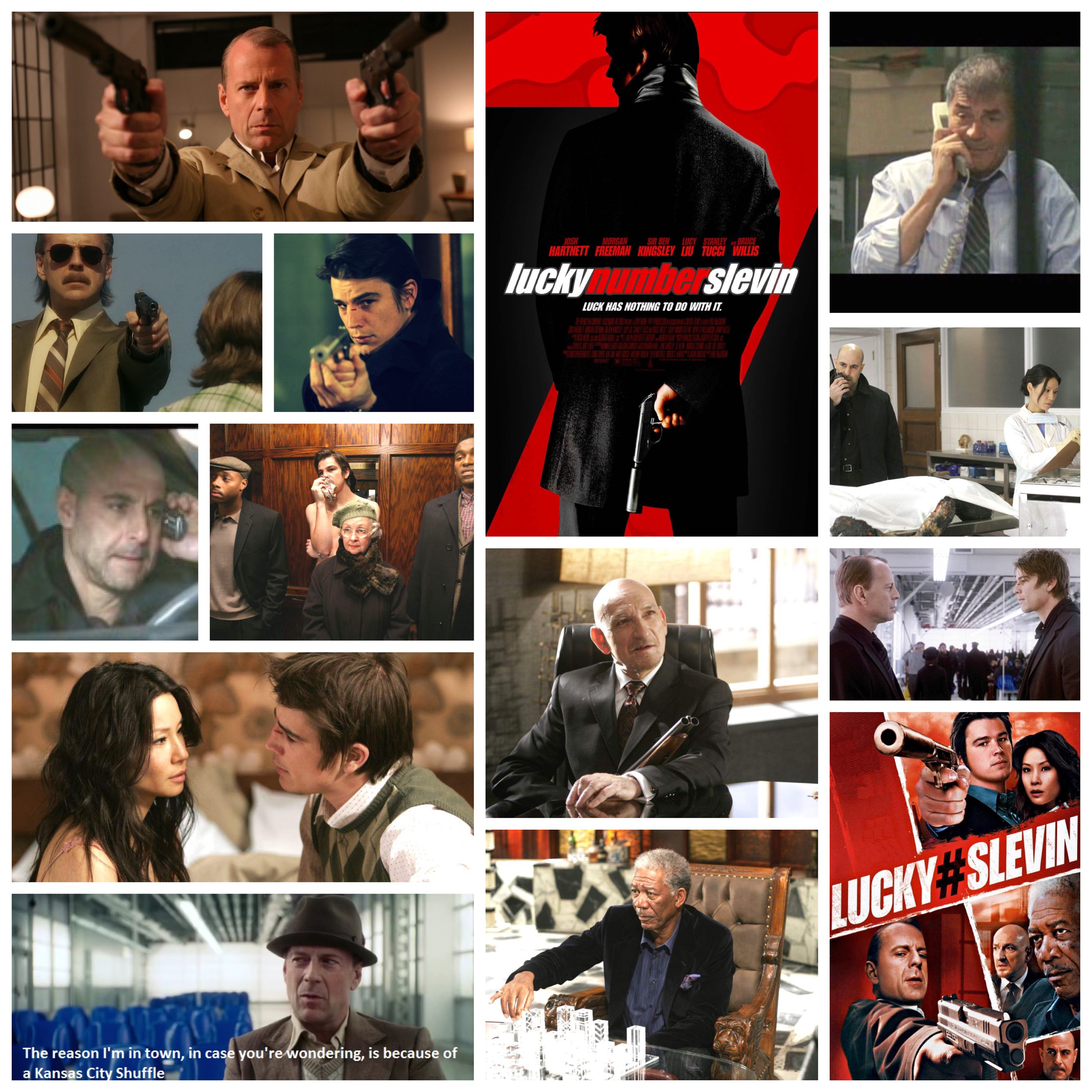
Paul McGuigan’s Lucky Number Slevin

Like Bruce Willis’s cranky hitman Goodkat assures us in the sleepy opening to Paul McGuigan’s Lucky Number Slevin, this is a story that pulls the rug out from under you big time, going left when you look right and anchoring the very glib, cavalier crime shenanigans in something solid and emotional in the eleventh hour. It’s a wild, wacky film that borrows from others and often gets sidetracked by itself, but it’s also one of the most stylish, ambitious and beautifully made crime dramas of the last few decades, and has become an all time favourite for me.

Josh Hartnett plays the mysterious Slevin, a hapless dude who is constantly mistaken for an even more hapless dude named Nick Fisher. Fisher is in a lot of trouble, owing large gambling debts to feuding NYC mobsters The Boss (Morgan Freeman) and The Rabbi (Ben Kingsley), debts which now forfeit to Slevin simply because he’s consistently in the wrong place at the wrong time. Then there’s the overzealous, shady NYPD cop (Stanley Tucci in mean mode) shadowing him, plus the bubbly girl next door (Lucy Liu) who tags along in his adventures in mistaken identity. It’s all very overelaborate, convoluted and long winded, but it’s part of what makes the thing so magical. Characters often use ten words where two will do, employ quirky anecdotes, monologue and show their pithy eccentricities, it’s an oddball script by Jason Smilovic that makes for one labyrinthine ride through New York City’s peculiar underworld dating back to the 70’s. The actors are having an absolute blast here and we get further work from Mykelti Williamson, Cory Stoll, Danny Aiello, Peter Outerbridge and more. A standout is the great Robert Forster in a cameo as a cop who delivers more exposition in one single scene than I’ve seen in some entire films, he’s a great enough actor that he fills a seemingly inconsequential role with wit and personality.

McGuigan is a stylist who throws colour and pattern into the mix even when the scene doesn’t call for it, to great effect. Why shoot in a drab warehouse or monochromatic apartment when you can douse your set in kaleidoscope design just for the sheer hell of it? It works, the offbeat production design serving to illustrate and accent a very strange, often hilarious yet ultimately human story. Much of the film is near cartoon level neo noir that doesn’t dig two deep, but there are three scenes, and I can’t be specific here without spoiling, that anchor it straight into the ground, provide an emotional core and make something heartfelt cut through the tomfoolery. Many people wrote this off as just silliness, but that’s lazy criticism 101. This is a fantastic film, full of many things to love. It’s probably Hartnett’s best work in a very eclectic career and his romantic chemistry with Liu (also superb) is patiently developed and adorable to see. Freeman and Kingsley eat up the dialogue like wisened old alligators and have a blast playing their arch villains. Willis is darkly charismatic and empathetic when he needs to be, stealing every scene. A classic for me.

-Nate Hill

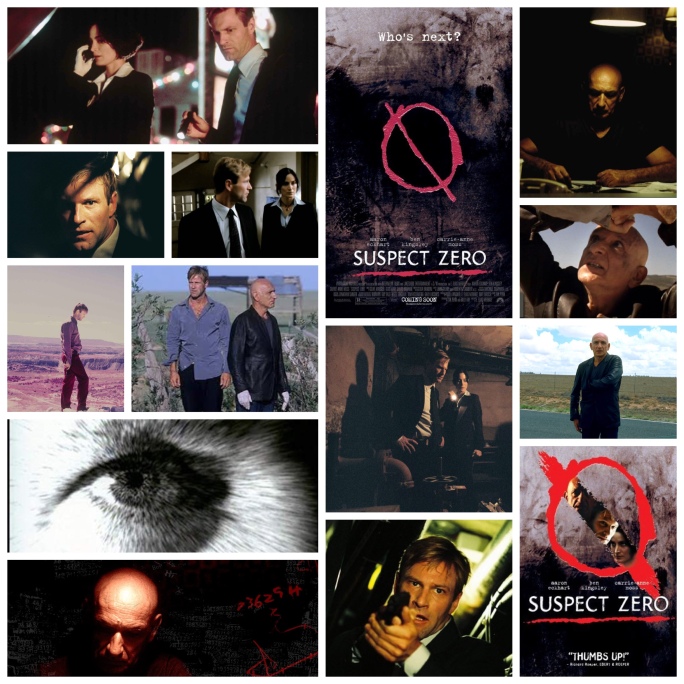
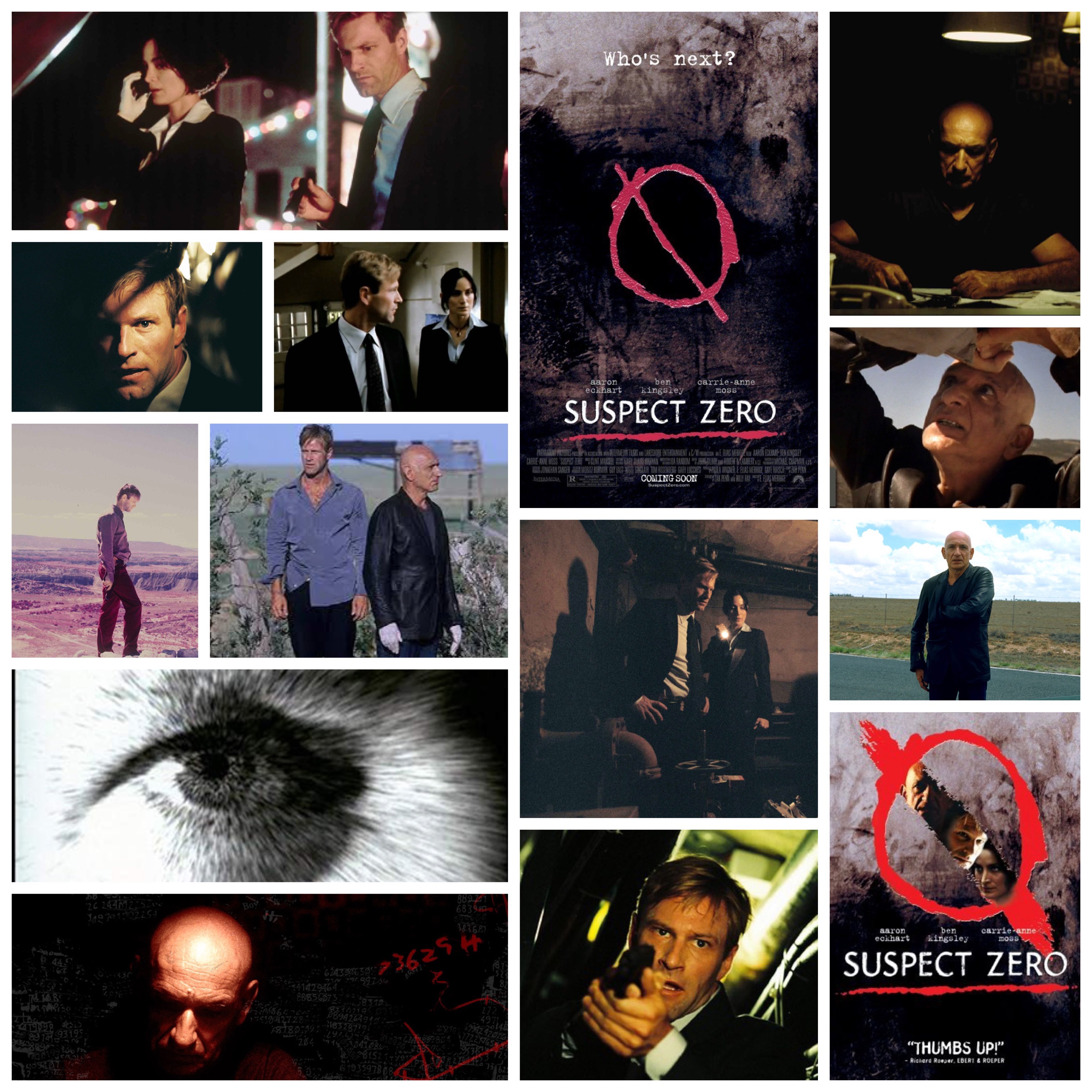
E. Elias Merhige’s Suspect Zero

E. Elias Merhige’s Suspect Zero is an interesting piece for me. Although it’s almost universally looked at as a failure, a shell of what it could have been, I’m crazy about it the way it is and think they did a fantastic job. It has a bit of a muddy past: Zak Penn wrote the script back in the 90’s, after which it gained much interest from the likes of Tom Cruise, Ben Affleck and others. It took until 2004 to finally get the film made, resulting in a version that many frown upon and consider a shitty film. Balls to them.

This is a grim, eerie serial killer chiller with an atmosphere thick enough to slice with a razor, and one extremely unsettling lead performance from a haggard, haunted Ben Kingsley. He plays Benjamin O Ryan, an ex FBI agent. Or is he? He’s efficiently hunting down and murdering random people (or are they?), leaving vicious visual calling cards and deliberately leaving victims lying on state lines to ensure the Bureau’s involvement. In particular he takes a shine to raw boned Agent Mackleway (Aaron Eckhart), leaving specific clues for him. O Ryan employs a metaphysical method of finding his victims, using an old psychic technique from a scrapped program the feds once explored. This gives extreme stylist Merhige a reason to throw sketchy, disconcerting images, sounds and editing into the fray, providing a visually and aurally chafing experience. Merhige is infamous for making the surreal, experimental shocker ‘Begotten’, and he brings the same stark, discomforting qualities to the proceedings here. I’m reminded of another experimental director who brought a near elemental aesthetic to an otherwise grounded serial killer flick: Tarsem Singh with his brilliant psychological fantasy ‘The Cell’. Suspect Zero is the grimy, fragmentary cousin to The Cell’s grandiose beauty. There’s also traces of Sev7n, Silence Of The Lambs, Millennium and more, yet the film finds its own groove and never sinks into derivative gestures. Composer Clint Mansell ditches his trademark celestial tones for something truly unique, a dread soaked nightmarish lullaby that gives the film an otherworldly tone to linger in dreams.

From Kingsley’s unnerving introduction hunting down a stranger on the interstate to his haunted, sympathetic final moments you get a feel for this extreme character that only this actor can give, infusing O Ryan with a zen like resolve that’s perforated by the psychological damage within. Eckart shows brittle desperation and blesses his performance with a touch of noir, which is appropriate to the film. Harry Lennix, Kevin Chamberlain, Frank Collison, William Mapother, famed writer Robert Towne and Carrie Anne Moss all give great work too. If you can forgive a few instances of murky plotting and one or two cheap plot turns, you’ll hopefully enjoy this as much as I do. It really deserves better attention and praise than it has gotten so far.

-Nate Hill

John McTiernan’s The 13th Warrior

There’s always those films whose reputation is more widely known than themselves, where the stormy production or behind the scenes drama caused such a ruckus and eclipsed the final product, creating negative buzz whether or not the film is good. John McTiernan’s The 13th Warrior is one of those, I haven’t read up exactly on what went wrong but I’ve always felt the film that was born out of whatever trouble there was is an excellent one.

Antonio Banderas stars as an unconventional version of the badass hero we’re used to, one who starts off as anything but that and has to earn his way to glory. He plays a Persian poet sometime around 900AD, a man who is sent away for macking on the sultan’s wife and captured by a roving band of Vikings. They are amassing an army of elite specialist warriors to bring back home in the north in order to defeat a near indestructible menace that is moving in on their land. Banderas finds himself caught up in the war, alone with the tribe and forced grab a sword, find his courage and take a few swings at this fearsome enemy. The plot is fairly simple stuff but it’s atmosphere and character development that win the day here, as well as epic production design. Banderas starts off as basically a pampered court jester who the Norsemen mock and ridicule, until he learns their ways and a bond of brotherhood forms, an arc from both parties that is handled with dignity and heart. The enemy they fight are an unseen horror who burn, kill and eat everything in their path, there’s a sense of genuine fear and threat when they show up and the battles are staged with smoke, mist and fire for ultimate atmospheric effect. A highlight is when they raid underground caverns used to hide out in via ships and you really get a sense of setting as well as budget on display. Banderas is supported by various people including Vladimir Kulich as the heroic Buliwyf, Diane Venora, Tony Curran, Richard Bremmer, Sven Wollter and a very brief Omar Sharif.

People can talk shit about this one all they want but I really feel like they’re thinking of the troubled production instead of the film itself and need to get their heads out of the sand, and refocus their gaze. This may be a fairly scrappy flick but it’s simply not a bad film. Banderas is a solid lead, there’s a tactile sense of wonder to the settings, both southern and northern and McTiernan mounts the sieges, battles, massacres and poetic revelry assuredly. Great film.

-Nate Hill

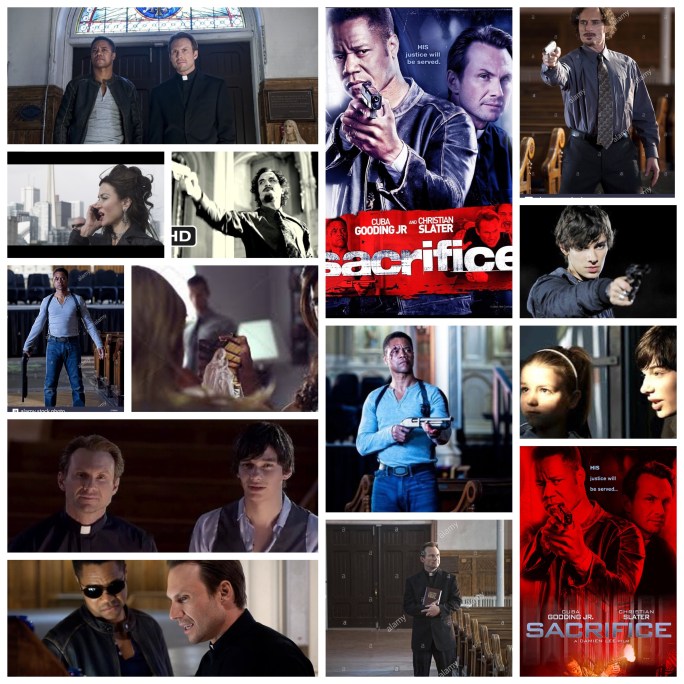
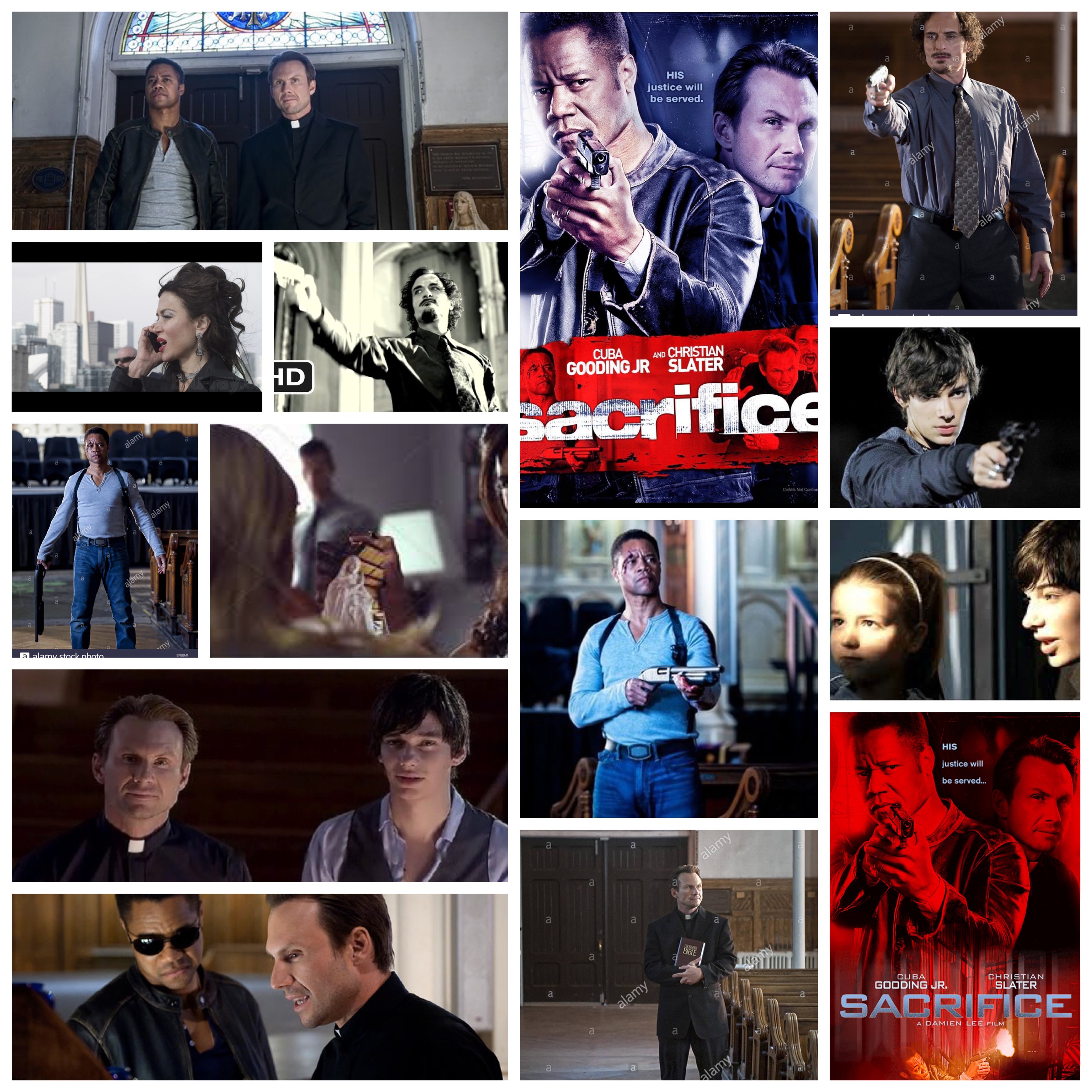
Damien Lee’s Sacrifice

An attempt was made with Damien Lee’s Sacrifice, but the efforts result in a weird, tonally bonkers slog through low rent noir that has you wondering what just happened. It’s one in a long series of Cuba Gooding Jr. cheapies and although definitely not the worst (Hardwired with him and Val Kilmer proudly holds that title) it falls short of being something coherent or memorable.

Gooding plays a tough but damaged undercover Narc in Toronto’s criminal netherworld, a good man with a dark past who seems to attract danger and bad luck. When a young defector (Devon Bostick) of the city’s nastiest heroin smuggling rig leaves his five year old sister in his care while he tries to put things right with dangerous employers, Gooding’s reflexes and morality are put to the test, and old memories of his own wife and kid are dredged up. Christian Slater plays a priest buddy, one of those men of the cloth who isn’t above picking up heavy artillery and capping a few bad guys when needs must, which is about all the actor gets to do here, but it’s a good scene worth sticking it through some muck for. Kim Coates eases into well travelled villain waters as the kingpin of the drug ring, who has a curiously well developed romantic subplot with the madam of a whorehouse (Laura Daans) he owns. Coates and Daans show up together markedly often if you follow such patterns (nerd alert on my part) and the two have chemistry but their scenes here, although good, are out of place and seem to be blueprints for a sequel to another Damien Lee film they both starred in, which I’ll get to in my next review.

Lee does mostly indie dramas and low key art house stuff, sensibilities which show up here in abundance. But when you’re hired to direct a cop/crime flick with Cuba Gooding Jr and Slater it may be pertinent to stick to well worn tropes and an appropriate tone, the dramatic aspects sort of slow the whole thing down and make it feel weirdly paced. Still, the performances are there, the story is clear and it’s entertaining enough. Oh, and it’s nice to see a film that’s not only shot but *legit set* in a Canadian city for once.

-Nate Hill

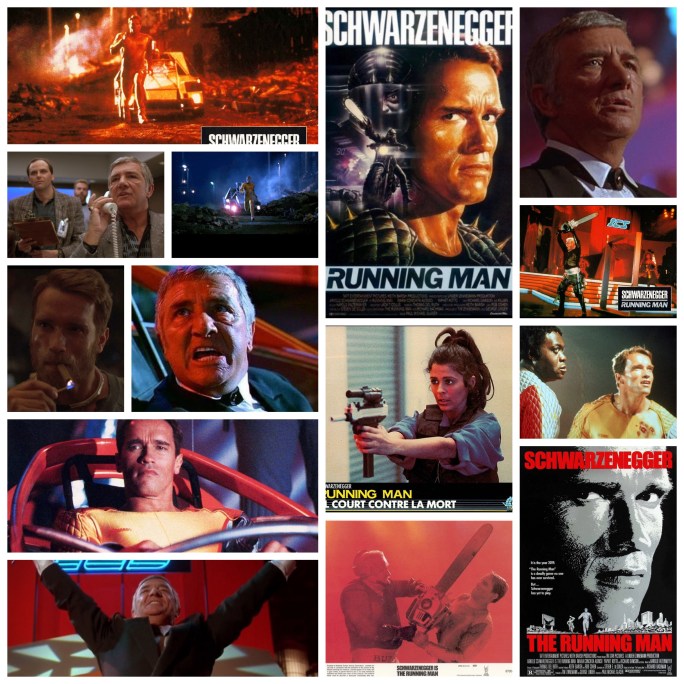
The Running Man

The Running Man is some silly ass shit, but it’s done with so much adorable enthusiasm, blinding 80’s neon and deafening ultra violence that it kinda wins you over. Plus it has one humdinger of a villain who, lets face it, gives the film most of its personality. Based on a Stephen King novel (albeit under his sheepish Bachman pseudonym), this takes place in one of those austere, glumly lit fascist hellscapes where there’s rubble everywhere, helicopters relentlessly thrum overhead and humanity has devolved to its worst. This is set in the year 2019 and although they undershot the level of depravity they imagined we’d sink to at this point, they sure as fuck weren’t far off the mark. Arnold Schwarzenegger stars as Ben Richards, a military man who is framed for heinous war crimes and forced to compete in the world’s most popular game show, a sadistic tournament called The Running Man where convicts are hunted down on live television by paid pro wrestler looking freak shows. This is all masterminded by an egotistical sociopath called Killian, played by real life former game show host Richard Dawson in what has to be one of the most inspired pieces of casting out there. It’s fun watching Ahnuld and slightly less athletic pal Yaphet Kotto get saddled with hilarious spandex onesies and shunted down a luge course from hell where they’re faced with such looming monsters as Subzero, Buzzsaw and Dynamo, who Arnie naturally begins dispatching in clever, gruesome ways followed by those obligatory one liners. It’s not a thoughtful film and the dystopian nightmare it establishes at the outset is never established on nor explored, mostly we just get sound, fury, profanity and extreme carnage as the game plays out about as loudly as any could get. The production design is so 80’s you could stick it in a time capsule, from dancing chicks with perms to synth music to Jesse Ventura himself in full roid-rage mode. Dawson is the soul of it all though and it wouldn’t be the same film without him, he steals the show as the ultimate evil ringmaster and has charisma that makes you laugh and want to knock his teeth down his throat in the same instance. Not the best of 80’s Arnie, but a fun, hectic ride through futuristic sci-fi.

-Nate Hill

Quentin Tarantino’s Death Proof

Death Proof is regarded as the weakest link in Quentin Tarantino’s work, but in a career so consistently awesome does that really matter much? It might be weirdly paced and the inherent schlock in trying to recreate the Grindhouse aesthetic makes it hard to take seriously but it’s still a sterling flick in my book and one fucking wild ride at the movies.

I wasn’t around for the Grindhouse era but it seems to me like Quentin and Robert Rodriguez only partially aped the vibe and sort of trail blazed through their own stuff instead of sticking strictly to routine like, say, Hobo With A Shotgun did. It’s a good thing too, because you wouldn’t want two creative wellsprings like these filmmakers limited to doing something that’s cheap to its bones and has little innovation. As such (with QT’s half of the double bill anyways) we get something that’s a healthy compromise of balls out Mad Max style vehicular bedlam and leisurely paced, character heavy interludes of dialogue, which is of course his trademark. There are an absolute ton of characters here, but naturally the one that showboats across centre stage is Kurt Russell’s Stuntman Mike, a charming but sadistic serial killer who mows down and decimates innocent women in his souped up Dodge Charger. That of course fills up the back half of the film, while initially we are treated to a solid chunk that sees different groups of girls bicker, banter, discourse on everything from John Hughes’ films to the benefits and drawbacks of being a semi-famous radio DJ and generally have a good time. Usually when you think of showcase Tarantino dialogue and characters this film wouldn’t enter the running, and I’m not sure why, he writes some of the most wonderful parts here and these gals positively act the pants off of them to the point that when the highway mayhem kicks in, you’re almost disappointed that the round table discussions and quirky friendships are done with. Russell is absolute perfection and seems born to play this peculiar villain. He’s so charming that bad vibes aren’t even perceived, and even later when he gets downright psychotic there’s this fourth wall breaking sheepishness that gets chuckles instead of screams, especially in the end when he turns into a big baby. My favourite of the gals has to be Vanessa Ferlito as sultry Arlene, Rosario Dawson as tomboyish Abernathy, Mary Elizabeth Winstead as sensitive Lee and Sydney Tamiia Poitier as aforementioned DJ Jungle Julia. Others are fantastic too including Jordan Ladd, Zoe Bell, Tracie Thomas, Marcy Harriell, Helen Kim, Tina Rodriguez and Rose McGowan as angelic Pam, who squares off against Mike in both the funniest and scariest sequence of the film. Watch for cameos from several of the Inglorious Basterds as well as a brief turn from Texas Ranger Earl McGraw (Michael Parks).

The film consists mostly of two things: girls hanging around in apartments, cars and bars talking and beautiful old muscle cars playing havoc along the interstate. When you have Quentin at the helm providing pages of wonderful dialogue and overseeing practical effects based car chases, it makes for something endlessly fun. I saw this as a double bill alongside Rodriguez’s sometimes fun, often lame Planet Terror and viewed together is enough content to melt both brain and eyeballs, especially when you consider that they each have generous runtimes. This is the better of the two films and I think they should be viewed separately as their own entity. Not the weakest thing Quentin has done (Hateful Eight bears that crown for me) and so much more fun than people remember or give it credit for.

-Nate Hill