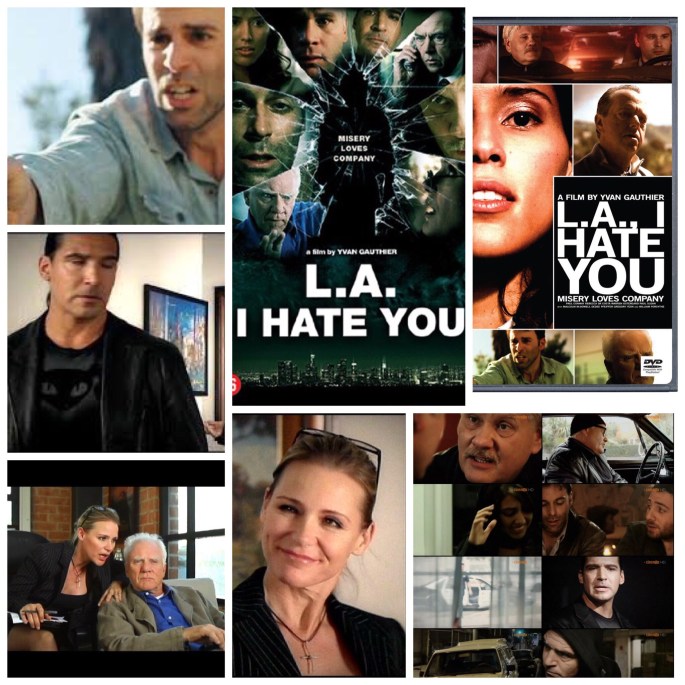
B Movie Glory: LA, I Hate You

There’s this odd trend in art films these days to make a haphazard anthology thing with various actors in a string-along parade of vignette cameos, title them with the name of a city followed by the sub header ‘I Love You’, or ‘I hate You’. Examples include ‘Paris, Je T’ame’, ‘New York, I Love You’, and you get the idea.. it’s as weird trend, most of the entries I haven’t seen, but the copycat effect trickled down into direct to video town, and I did catch one called ‘L.A. I Hate You’, a strange and cheaply made noir knockoff that doesn’t have much to offer except a few decent actors in sly parody roles. It’s made in three segments, all set in Hollywood and revolving around the film industry, all three chunks of the story ultimately going nowhere. There’s a down on his luck dude with a paraplegic wife who gets sucked into a violent scheme involving his estranged, dangerous uncle (William Forsythe doing his ultra-sleazy tough guy shtick) and the wife’s morally bankrupt father (Gregory Itzin). A struggling wannabe actor (Paul Sloan) is coaxed into stardom at a high cost by a devilish movie producer (Malcolm McDowell, also in scumbag mode), and attempts are made to make these three seemingly separate narratives intertwine here and there, but neither that script, editing or acting is good enough to make us either believe or care. Oh, there’s also a really unnecessary UFO subplot too, just in case it wasn’t cluttered up with enough nonsense. A cheaply made, half assed turkey.

-Nate Hill
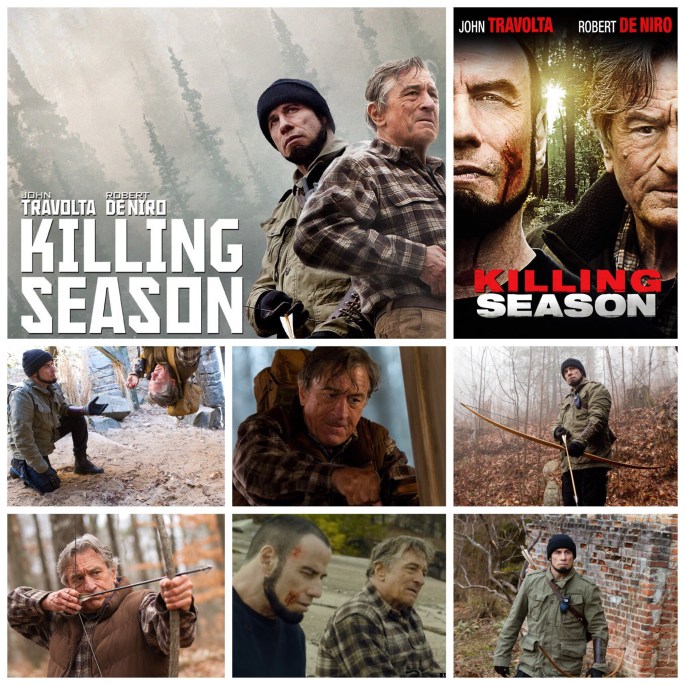
B Movie Glory: Killing Season

As much as Killing Season has it’s flaws, and would have been better suited to a half hour short film rather than a slightly stretched out feature, it has strong points as well and entertains as best it can as a passable genre flick. Going the rugged survival/revenge route, a low key Robert Deniro plays Ben, decorated veteran who makes his homestead in the remote isolation of the the Smoky Mountains, scarred from battle both physically and mentally, ready to rest. Down time isn’t in his cards just yet, however, as trouble arrives in the shape of John Travolta as Emil, a Serbian/Bosnian warrior with wounds of his own and one big unresolved grudge against Ben. Both skilled hunters and survivalists, the two engage in a deadly geriatric cat and mouse game against a spectacular wilderness backdrop until the pasts and intentions of both are laid bare, and that inevitable climax rolls on in. Their close quarters warfare is quite fun, surprisingly brutal and just cartoonish enough to elicit a dark laugh here and there. Speaking of laughs, Travolta is so oddly characterized here he begs the query “Are you for real?”, sporting a dime-store fake beard and warbling out the most unconvincing Eastern European accent since John Malkovich in Rounders. That aside though, his actual acting isn’t half bad, especially in the final confrontation with Deniro that contains pathos the film never knew it had. The real allure here is the Smoky Mountain scenery, and I would give a shout out to the cinematographer but honestly with a location this good, a six year old and a smartphone could point n’ shoot and it would look like something Deakins wrought. This is by no means a great film, but is it entertaining and engaging? Absolutely, and any of these critics ripping it a new one on all fronts are just bitter, it seems.

-Nate Hill

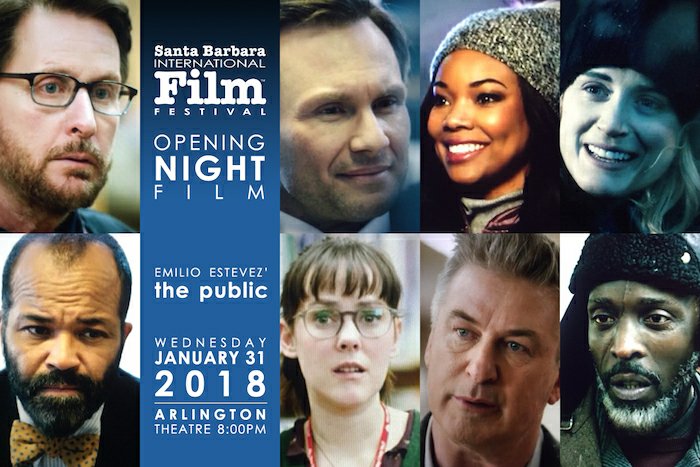
33rd Santa Barbara International Film Festival Opening Night: Emilio Estevez’s ‘the public’

Opening the 33rd Santa Barbara International Film Festival was Emilio Estevez’s new film, ‘the public’ which is set in a library deep in the harsh Midwest winter in the heart of Cincinnati where the local homeless population seeks refuge during the day, stages a sit-in to spend the night after all the local shelters reach their maximum capacity and numerous others had frozen to death.

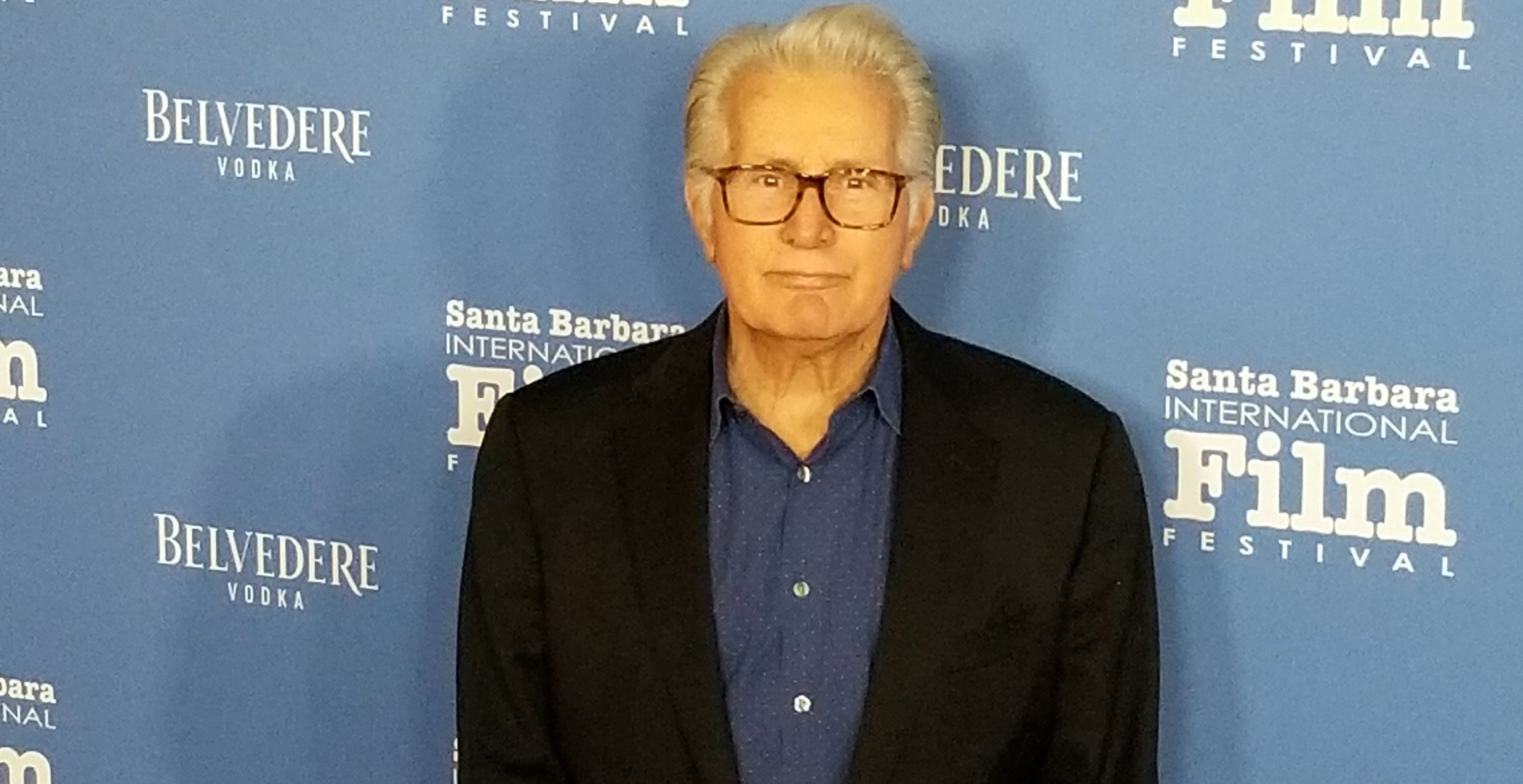
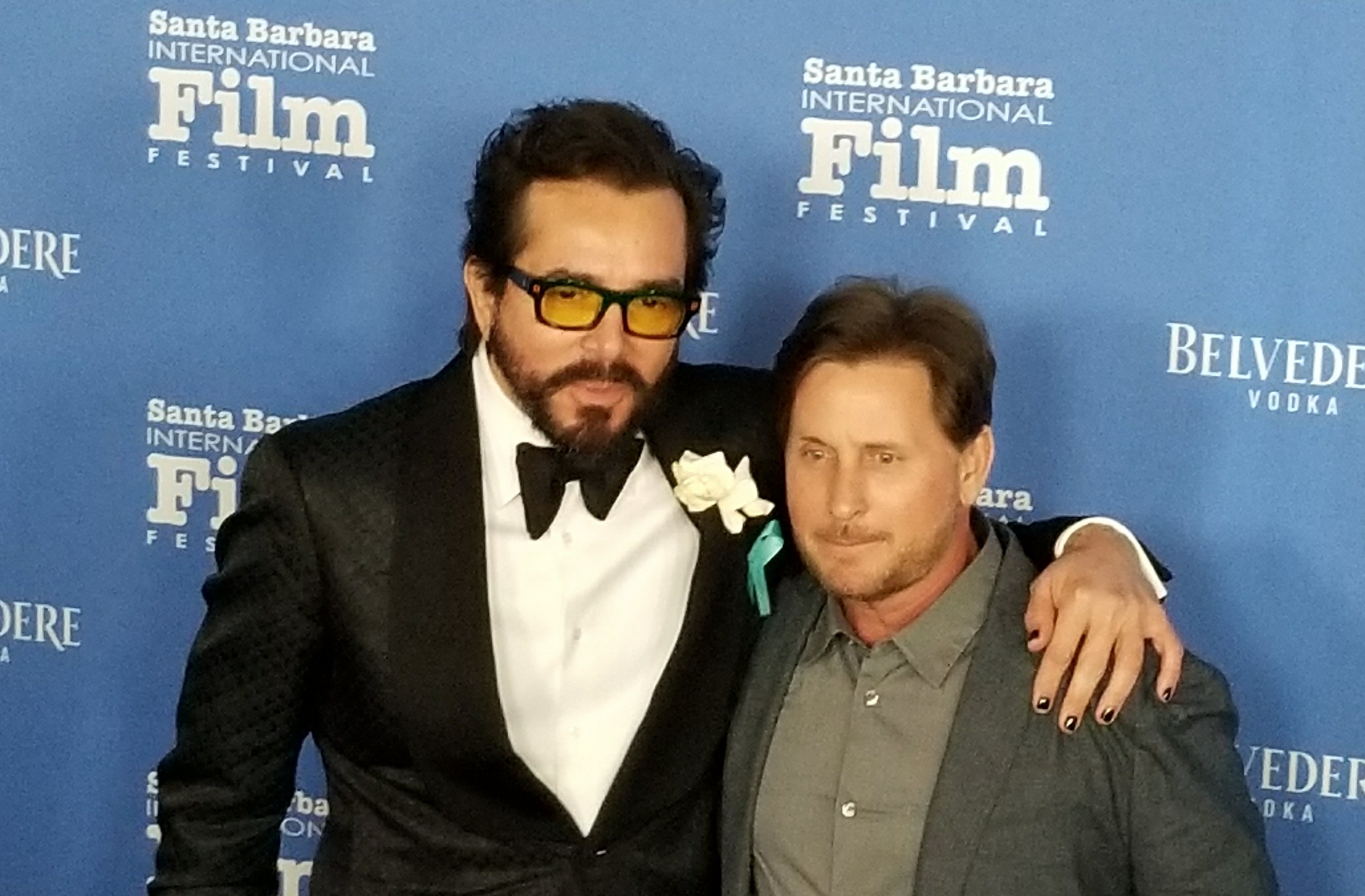
Estevez, Jena Malone, Alec Baldwin, and Michael K. Williams were among the stars of the film that took to the red carpet along with Martin Sheen who did not appear in the film, but was there to show support for his son.

Introducing the film with an elegant and impassioned speech was dashing Executive Director of the festival, Roger Durling, who spoke about the recent catastrophic mudslides that deeply affected the community.

‘the public’ is a gripping, topical film that is a reflection of the many humanitarian crisis in America, and particularly one; the homeless population. The film is incredibly cunning. The focal point isn’t solely aimed at the social and economic injustice of America’s homeless population, but also the opioid epidemic as well as mental illness and how it is currently viewed by the poisonous symbiotic relationship between window dressing politicians and manufactured news and how that information is then fed to the populous of America.

This film is a lot to absorb.

Estevez wrote, produced, directed, and starred in this feature and he assembled a remarkable cast from those who walked the red carpet premiere to those who did not including Jeffery Wright, Gabrielle Union, Christian Slater, and Taylor Schilling in a film that is a subtle recognition of one of Estevez’s most seminal films, John Hughes’ The Breakfast Club.

‘the public’ asks a plethora of serious and substantial questions whilst also pulling a strong emotional response from its audience. It is a great film that not only reflects present day America, but also exposing a problem that no one is seriously addressing in mainstream America.

Satoshi Kon’s Paprika

It’s always fascinating to me how other countries use the animation genre to do much more innovative and imaginative things than the states. Don’t get me wrong, Disney Pixar films and such are brilliant, but the potential in a visually boundless medium like that is somewhat more untapped than those studios realize. Japanese filmmakers, however, have been diving headlong into it for decades now, and Satoshi Kon’s Paprika practically reinvents the genre with it’s extreme brand of surrealistic storytelling and dense, provocative mind games. The film focuses on the R&D of a device called the DC Mini, a dangerous contraption that brings one subconscious mind into another for a dream-melding process that’s supposed to break new frontiers in psychiatry. The technology is soon hijacked by an elusive terrorist though, and used to create all kinds of pseudo-synaptic chaos in which elements from inside the collective unconscious bleed over into the real world and make the line between reality and dreams awful blurry. It’s up to lead scientist Chiba (Megumi Hayashibara), her dream alter ego Paprika, a police detective (Akio Atsua) with his own trippy demons, and the techies at their research firm to stop this dimensional crossover before existence as they know it turns into one big kaleidoscopic nightmare. That’s the over-simplified version though, for director Kon uses the template to go simply wild and ballistic with both the visual and written narrative, for an utterly confusing, hypnotic tapestry of future-shock imagery, primal forces at work and intangible mood-scapes that defy description. Once the dreams invade the conscious plane, a deranged parade of nonsensical beings marches through the film, turning people mad and making the illogical take centre stage, as the film truly manages to capture that ‘other’ set of feelings and impressions we all know of in dreams but can’t quite articulate. It’s one hell of a confusing film though, and multiple viewings are in order before one can unravel every elliptical plot point and reason behind each of the carefully constructed yet audaciously impulsive visuals. Speaking of visuals, rarely has animation been used to this mind blowing extant, a colourful, fierce blast of artistry and storytelling that fires on all cylinders. There’s a disturbing quality to it as well, a subtle doomsday vibe with the subject of technology, the human mind and the unwitting dangers we set loose when we meddle around with forces bigger and badder than us, and as playful as the tone sometimes gets, there’s a cautionary tale hinted at that gives the whole thing a grounded, ‘adult’ feel. Not to mention a haunting, endlessly catchy score by Susumu Hirasawa that adds to the film’s own vibrantly memorable personality. A classic.

-Nate Hill

Indie Gems: The Art Of The Steal

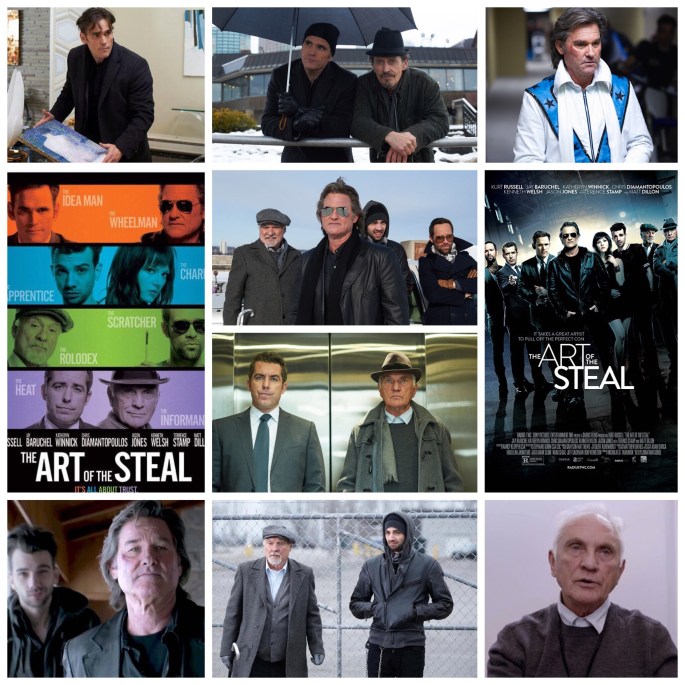
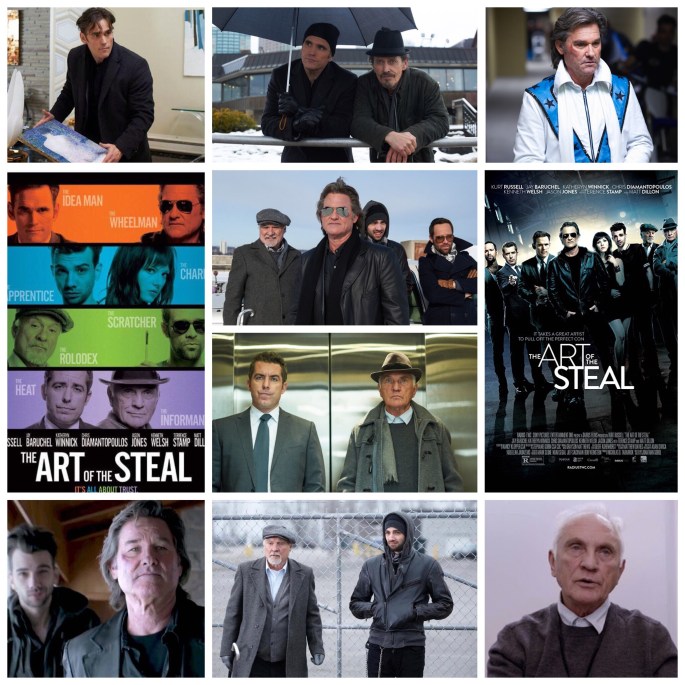
I’ve reviewed The Art Of The Steal before, but it constantly kills me how underrated this banging heist comedy is, so here goes again. Imagine a wickedly funny, smartly written all star art thievery caper starring Kurt Russell, Matt Dillon and a host of others at the top of their game and you’ll have some idea. It’s strange that it’s so unheard of with this pedigree of actors involved, but it’s a joint Canadian production so that may have had an effect on marketing, or lack thereof. In any case, it’s the funniest, smartest heist flick since Ocean’s Eleven, and maybe tops it too. Russell is Crunch Calhoun, an Evel Kneval type ruffian who moonlights as a driver for a crew of fine art pilferers he leads. He’s hard up for cash and fresh out of a stretch in polish jail after his brother and second command Nicky (Matt Dillon, sleazy as ever) rats him out as a fall guy. Now back in Canada, he reluctantly agrees to work with brother dearest, as well as his old crew, for one last job, the theft of an obscure gospel manuscript. Their plan involves swerves, dekes, double-crosses, cons, conniving, hysterical fuck ups, roper dopes and double entendres, so much so that one marvels all that’s in this goody bag of a narrative can fit into a ninety minute film, a testament to both editing and direction. Crunch’s crew is is a roll call of varied talent, including twitchy rookie Jay Baruchel, wily old dog Paddy (Kenneth Welsh), Crunch’s sexy wife (Kathryn Winnick) and their flamboyant French forger (Chris Diamantopoulos). The real treat is Terence Stamp as a weary ex thief working with an Interpol snot-rag (Jason Jones) to lift time off his sentence. Stamp doesn’t show up too often in films these days but he’s comic gold here and has a surprisingly touching bit that brings a bit of reverence and gravity to the world of grand-theft-art amidst the mostly madcap tone. It’s sad that films like this don’t get a theatrical run anymore these days, because they end up on Netflix or wherever and the only way they get mass exposure is through word of mouth, chance or crazed cinephiliac zealots like me shamelessly plugging them on blogs. So go fucking watch it..now.

-Nate Hill

Tim Burton’s Sleepy Hollow

Sleepy Hollow

1999.  Directed by Tim Burton.


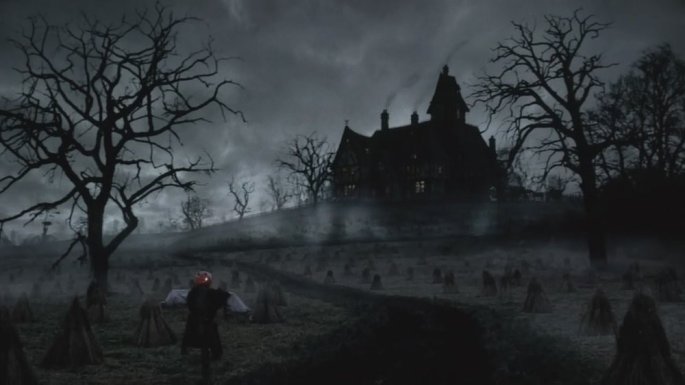
Tim Burton’s Sleepy Hollow takes a loose interpretation of Washington Irving’s classic story and infuses it with poetic Gothic visuals, a fragile Johnny Depp performance, and a heart felt homage to Hammer Film Productions, to create an artistic slasher film that defies genre conventions with its astounding art direction and beautifully captured sequences of operatic violence.

Ichabod Crane is a scientific police investigator who is dispatched to Sleepy Hollow to investigate a series of murders in which the corpses are being found without their heads.  Soon after his arrival, Crane is thrown into the midst of scheming aristocrats, malignant chicanery, a precarious love interest, and the impending arrival of the spectral Headless Horsemen.

Filmed almost entirely on set, Peter Young and Rich Heinrich’s art direction creates the town of Sleepy Hollow from the ground up, with the artificial feeling of the sets enriching the dreamy atmosphere.  The architecture has a Byzantine quality that offsets the colonial designs with a menacing undercurrent.  Young and Heinrich would go on to win the Oscar for their work.  Colleen Atwood’s Oscar nominated costume design takes Victorian tropes and uses a dash of steampunk to reinforce Crane’s outsider status, contrasting his big city cop with the town’s nobility, who cling to anachronistic ideals of pomp and circumstance.


Cinematography icon Emmanuel Lubezski uses a Stygian color palette and soft lighting to both emulate the Hammer Film ambiance and to present Sleepy Hollow as an ethereal revelry.  While the action sequences are violent, even the bloodshed has an art house quality, so much so that the viewer often forgets they’re viewing a horror film, an undeniable byproduct of El Chivo’s Oscar nominated work.  Long time Burton collaborator Danny Elfman scored the film, accentuating the Gothic vibe with droning organs and whimsical vigor.

Johnny Depp gives one of his most understated performances as Crane, the would be hero who is completely out of his element.  He’s supported by Christina Ricci, Jeffrey Jones, Miranda Richardson, Michael Gambon, Christopher Walken, Caspar Van Dien, Richard Griffiths, Michael Gough, Christopher Lee, and Martin Landau.  Yes, you read that right.  Burton assembled a well oiled machine of top shelf talent in which every participant gladly submits to the melodramatic terror with a playful sense of abandon.  While Andrew Walker’s script doesn’t allow much time for attachment, the sheer amount of talent makes each kill scene a story unto itself, with each of the formidable actors having their moment in the fog drenched spotlight.


Available now on Netflix, Sleepy Hollow is vintage Burton and a riotous horror departure.  Using amazing visual flourishes and tight cinematography to frame a well known story in a humorously violent package, this film is a welcome addition to any Halloween viewing list. Using a fable like presentation, replete with witches, demons, and redemption, Sleepy Hollow is a unique exercise in American folklore that delivers is a devilishly good fright film.

Highly Recommend.


download.png


David Koepp’s Mortdecai

So… I don’t quite get… how this film ever got green-lit, aside from Johnny Depp pulling a few strings. It’s like the most unfunny, painful thing to see unfold, like a Pink Panther flick with all the wit, heart and humour sucked out of it by dementors, leaving nothing but an acrid, soulless shell. That may sound harsh, but give David Koepp’s Mortdechai a day in court yourself and you’ll probably have similar things to say of it, or worse. Depp plays the titular buffoon, an aristocratic, borderline senile art dealer with a plummy British accent and a silly moustache that becomes the butt of a tiresome running joke involving the gag reflex of his wife (Gwyneth Paltrow, barely even trying with her accent). Mortdechai becomes involved in some overwrought global art-hunt that makes little sense and drags on for an interminable length, with his trusty lusty manservant Jock Strapp, ha ha, (Paul Bettany miscast in a role better suited for someone like Jason Statham or Vinnie Jones). Ewan McGregor and his sunny disposition show up for a while as a detective with the hots for Paltrow, as well as Olivia Munn embarrassing herself in a role that’s well beneath her, and an unforgivably underused Jeff Goldblum, showing up so briefly that it’s a wonder he agreed to waste his time here at all. This is junk of the highest order, not even fit for vague background noise as one immediately just tunes into tallying up the many ways in which it blows. You’d think Depp would know better, but he’s still in the preening dress-up quagmire phase of his career that he hasn’t been able to wade out of yet. He tries hard here, but every effort waddles forth like a lame duck, every comic beat royally missed. Don’t bother.

-Nate Hill

Best of 2017 Megacast!

BeFunky Collage

Frank, Tim, and Nate gather together to discuss this year’s Oscar nominations and then get into what they thought should have been nominated, running down their own top ten best pictures, and also giving their top five in each category. We will taking a week off and then we’ll be back with a vengeance with our annual Santa Barbara International Film Festival podcast!

Blast From The Past

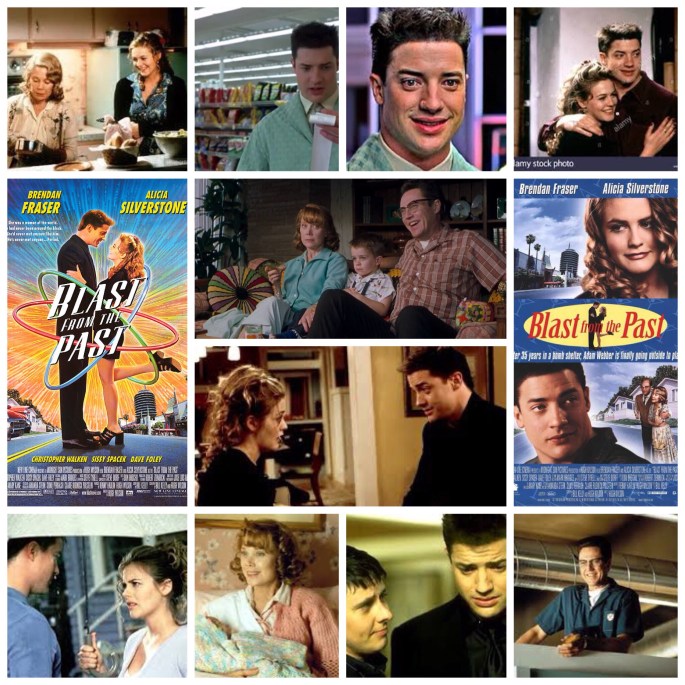
Blast From The Past is an apt title indeed, since not a lot of folks seem to remember this brilliant, high concept farce from the late 90’s that should be basking in notoriety to this day. It’s so forgotten these days it could almost be considered a cult classic, but either way it’s pure cinema bliss. In the early 60’s,

an eccentric scientist (Christopher Walken, because who else) builds himself a swanky underground bomb shelter for himself and his pregnant wife (Sissy Spacey) to hide in, should the missile crisis become a reality. They head down there during a false alarm, a plane crashes into their property confirming his fears and they pretty much stay hunkered in for over 30 years, raising their baby into a full grown man (Brendan Fraser, the life of the party). Then they head back up, or at least Fraser does anyway, to a bustling San Fernando valley in the midst of the late 90’s, which is a culture shock and a half for his sunny 50’s mindset and impossibly naive outlook. It’s a terrific concept that’s milked for a full on laugh riot as he makes his way around the city with not a clue how to interact or carry himself. Falling in love with a classic valley girl (Alicia Silverstone, excellent) in a sweet romantic subplot that soon becomes the backbone of the story, seeing the ocean for the first time, and a few hilarious cultural misunderstandings (“A negro!” He exclaims, having never seen variety in colour beyond his two parents) are just a few of the well written, thought out jokes and set pieces he rambles to and fro in. Fraser makes it a performance of physical comedy, deadpan cheekiness and puts genuine sweetness into an arc that some actors may have interpreted just slick shtick. Walken is his kooky self, while there’s work from Dave Foley, Bruce Slotnick and a jarring cameo from young Nathan Fillion. Filled to the brim with laughs, heart and the kind of humour birthed organically from story, it’s a gem.

-Nate Hill

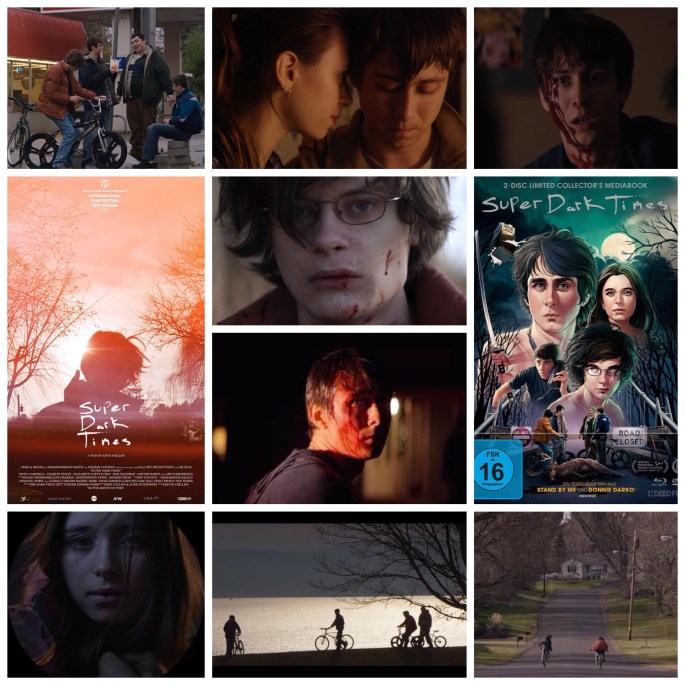
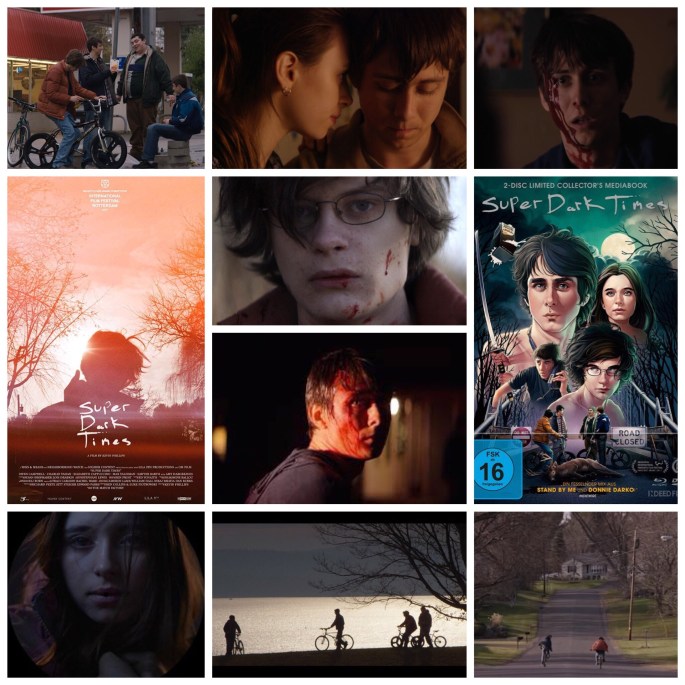
Indie Gems: Kevin Philip’s Super Dark Times

The title ‘Super Dark Times’ serves as a warning of sorts for the film to follow. It should be wisely taken into consideration, as this is probably the most disturbing film I’ve seen all year. In contrast, it’s also one of the most beautifully made. Bring a comfort blanket or cuddle buddy though, because these aren’t only Dark Times, they’re bleak, grim and tough to absorb without feeling grossly affected after. I like it when films explore themes of both violence and adolescence bourgeoning side by side in small town youth, everyone from Stephen King to David Lynch have been fascinated by these ideas. Violence is an unavoidable step in the learning curve for youngsters and a key element in any individual’s coming of age, no matter what we tell ourselves. First time director Kevin Philips pads those themes well by telling his story in the most realistic, blunt fashion he can, casting kids that genuinely look to be high school age, using sound design and cinematography to create a frighteningly immersive atmosphere and not neutering the stark violence in off-screen gimmicks to soften the blow of a blood-chilling story. Two normal enough high school boys (Charlie Tahan and Owen Campbell, both superbly good) are set on different yet equally dark paths following a brutal accident that scars them both, awakens a dark passenger in one and lays a blanket of dread over their small upstate New York town. That’s all I’ll say in terms of plot, it’s a scary guessing game of dangerous encounters, adolescent discoveries and tragic violence that unfurls like a jet black velvet carpet of doom. Metaphors as colourful as that are just me trying to abstractly impart to you how affecting the visual and auditory mood-scape are, but you’d be better off just watching the thing for yourself. Philips leaves certain areas of the narrative *just* vague enough until one gets the gnawing notion that what is presented to us might not be the full story, a tactic which instills the aftertaste of unease beyond the film’s bloody conclusion. Speaking of conclusions, this has to have the most suspenseful climaxes I’ve seen in a while, a breathless, literally razor sharp confrontation that feels earned and urgent because of how invested I was in the characters up until then. The film opens with violence, proceeds through a violent tale and ends with it as well, but as is often the case with films that care to do so, there’s contrast, a certain vitality to the characters and a hope that lives in lingering shots of a dying sunrise or a girlfriend (Elizabeth Cappuccino) gently comforting one of the protagonists. I read another review that called this ‘a simple story, well told’, which I partly agree with. It goes without saying it’s well told, but there’s a complexity to it, an intuitive force guiding the proceedings that one can feel like an undercurrent, and the moods it stirs are anything but simple. One of the best films this year.

-Nate Hill