Composer’s Corner: Nate’s Top Ten Original Scores by James Horner

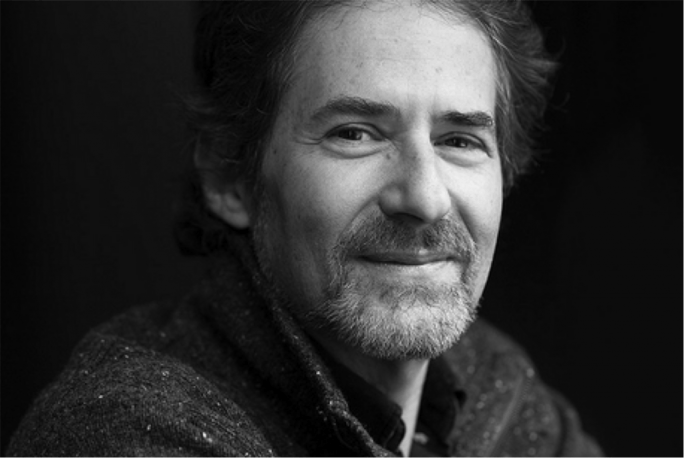
James Horner was a totemic titan of Hollywood musical composition, one of the absolute greats. If you needed unparalleled orchestral grandeur, primally elemental accents to landscape and nature, rousing battle cry pieces of flowing, melodic passages he was your guy and crafted some of the most prolific, memorable scores in cinema. He left us far too soon in a tragic 2015 plane crash but his work lives on eternal, and these are my top ten personal favourite original scores from this wonderful artist!

10. Walter Hill’s 48 Hrs

He goes gritty, smoky and jazzy for this classic buddy cop flick, keeping the excitement somehow both light and dangerous in his work. Favourite track: the exuberant main titles with faint, pleasant steel drums that suit the breezy San Francisco vibe.

9. Mel Gibson’s Braveheart

Beautiful bagpipes pull at the heartstrings and sweeping strings roll over the Scottish highlands in this classic historical epic. Favourite track: Can’t beat that main title.

8. James Cameron’s Aliens

His composition is eerie, badass and mirrors the darkly lit corridors of creepy space stations here, getting appropriately intense once the creatures make themselves known. Favourite track: ‘Bishop’s Countdown’, a master class in impossibly suspenseful tension and epic, cathartic release.

7. Ron Howard’s Willow
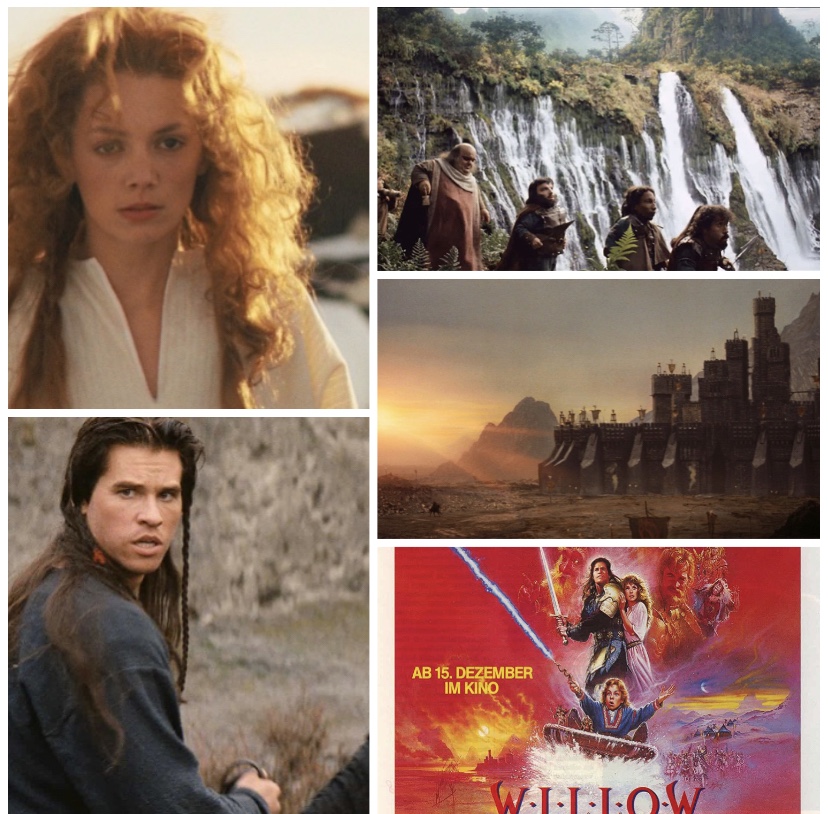
Swashbuckling high fantasy is the musical tone in this beloved, refreshingly dark and slightly underrated children’s adventure film. Favourite track: ‘Escape from the Tavern’, a playful, jaunty piece that accompanies Val Kilmer in drag and Warwick Davis as they sled down a snowy mountain on a shield at full throttle.

6. Edward Zwick’s Legends Of The Fall
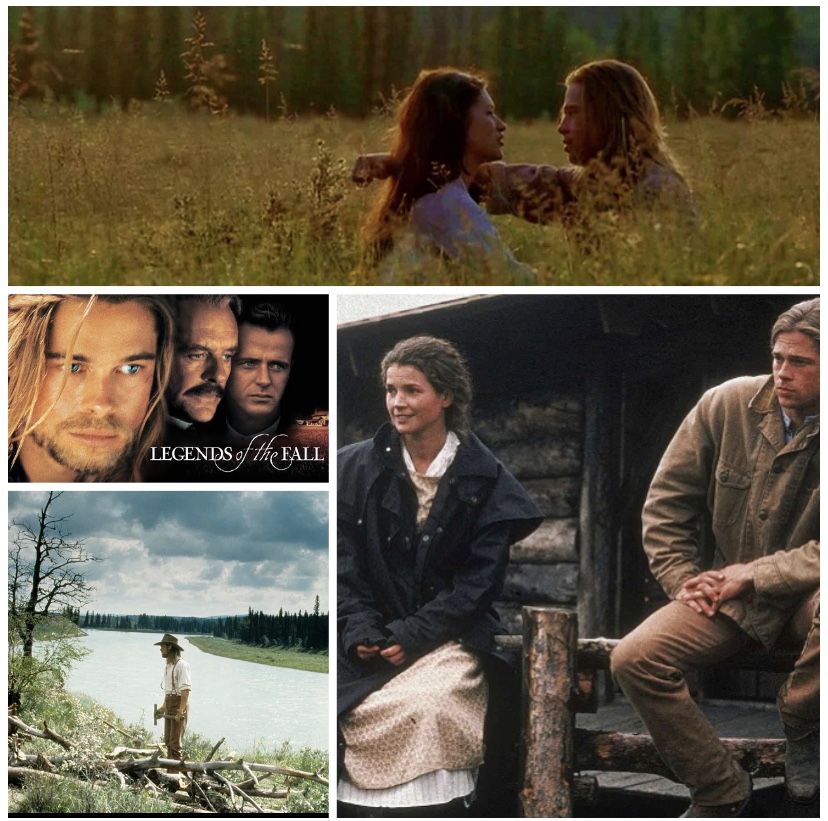
Another historical epic sees James compose some of his most achingly beautiful and richly melodramatic music yet, compositions that sweep over the rugged Montana terrain that is home to an early 1900’s family and many struggles they encounter. Favourite track: the main theme, utilizing brass and pan flutes to evoke a strong emotional connection to the material, setting and characters.

5. Joe Johnston’s Jumanji
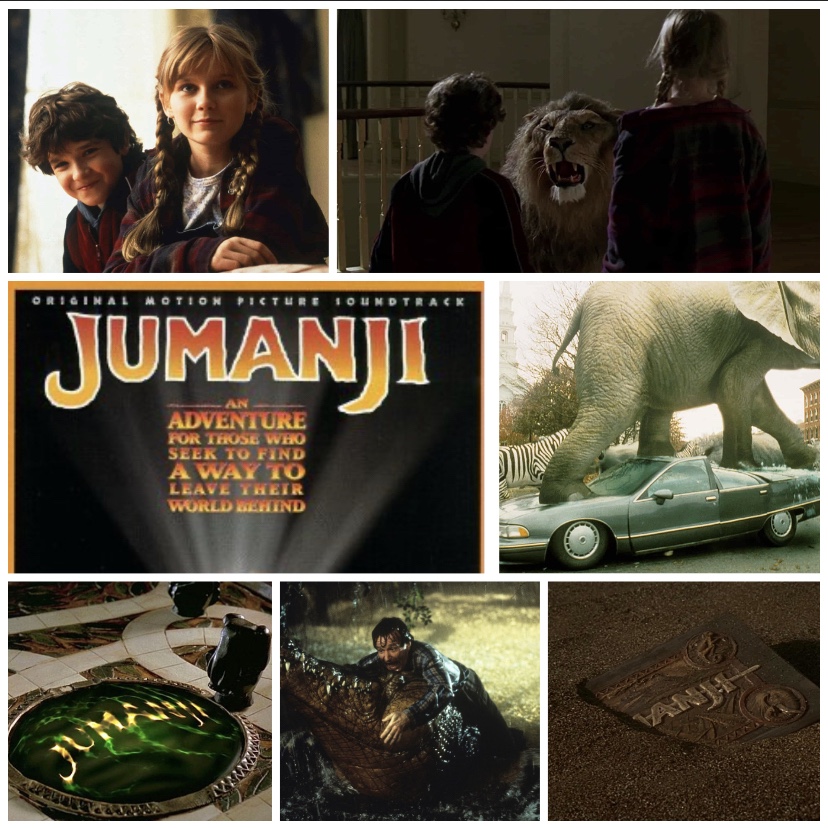
Those drums man, they still haunt me. This is a playful, sweet natured score that dips into appropriately scary and primal places. Favourite track: ‘A New World’, a lovely piece that has a sympathy for the protagonist’s tough arc and a great sense of small town character.

4. James Cameron’s Titanic
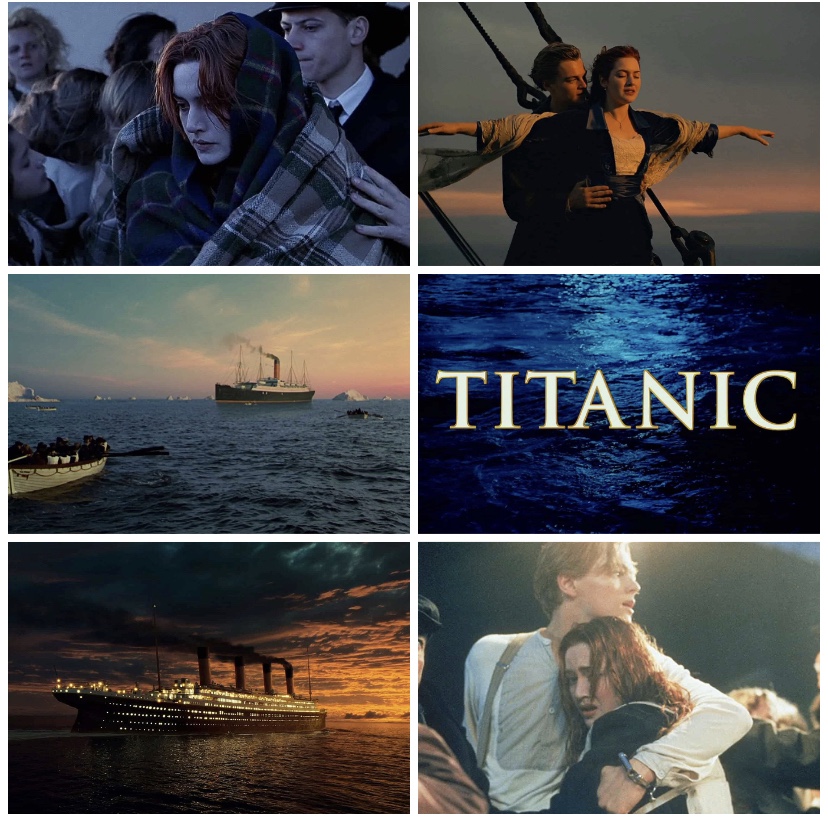
This is just so iconic, and probably the most recognized collaboration between Horner and Cameron who maintained a strong working relationship over several films. Deeply romantic, wistful and reverent, this score has it all and is pretty much time capsule worthy. Favourite track: tough pick but ‘Rose instrumental’ just always gets me in the feels.

3. James Cameron’s Avatar

Here he ducks a typical SciFi sounding score for something far more down to earth and elemental, with tons of affecting vocals and a breathtaking auditory scope. Favourite track: ‘Jake’s First Flight’ … just try listening to that without getting goosebumps and little spikes of actual adrenaline. Pure magic.

2. Wolfgang Petersen’s Troy

He absolutely nails the Greek tragedy aesthetic in this very underrated, beautiful and heartbreaking epic. Using vocals and battle drum percussion theres a real sense of approaching threat as war literally looms on the horizon and a sense of deep romantic regret from both factions. Favourite track: ‘3200 Years Ago’ sets the mood like no other.

1. Ron Howard’s The Missing
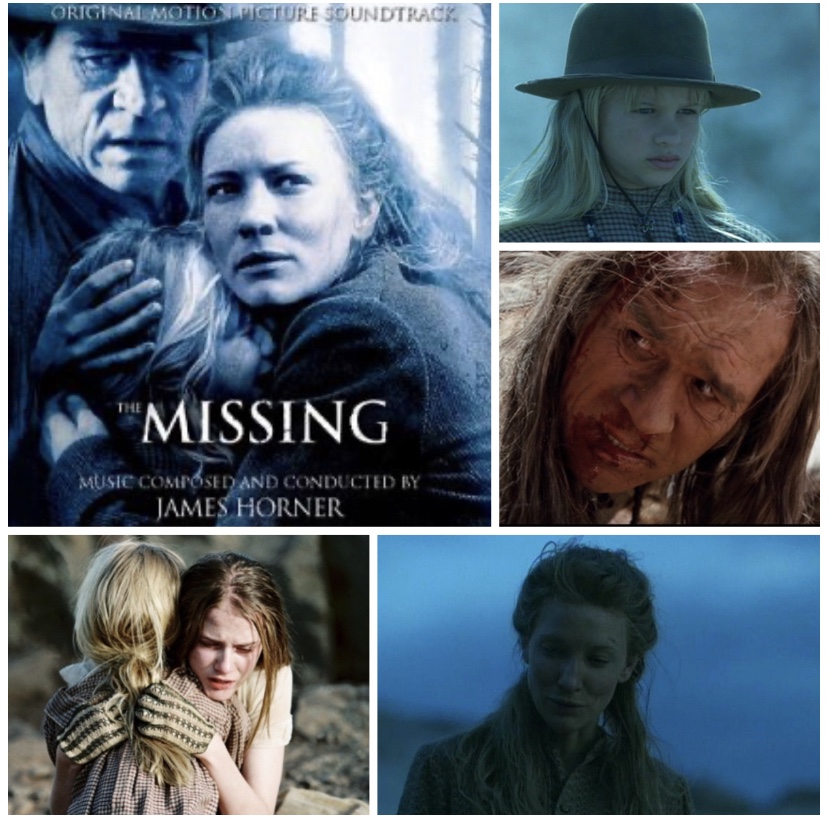
This may look like a weird first choice but it’s an underrated, gorgeous horror western and James’s music is stark, eerie, gruesome and suits the haunting mood just perfectly. Favourite track: ‘New Mexico, 1885’ ushers in the spooky atmosphere nicely.

Irwin Winkler’s The Net

Anyone who has ever experienced identity theft will relate to Sandra Bullock’s desperate situation in The Net, one of those lynchpin 90’s thrillers that captures the dawning internet culture in ways both silly as well as frightening. I mean this is kind of an off the wall film but it’s an old favourite of mine and always works as perfect escapist entertainment. Plus Sandra Bullock just makes the perfect protagonist, she’s so down to earth, humble and sweet that I always find myself right there in the passenger seat, sympathetically along for the ride in whatever crazy scenario she finds herself in. Here she plays Angela Bennett, a garden variety computer programmer who unwittingly stumbles into a deep set conspiracy that’s not only out of her pay grade but way beyond her level of comprehension or ability to dodge. Soon whatever forces out there have noticed and scary shit starts to befall her: her credit cards decline, law enforcement is hijacked into believing she’s a fugitive, a mysterious operative (Jeremy Northam) first appears attractive and friendly before becoming despicable and malevolent and her life begins to spiral out of control. I further sympathize with Angela because she’s virtually alone and has no one to really turn to, no boyfriend, no obligatory supportive coworker, no kindly boss, even her mother (the great Diane Baker) suffers from Alzheimer’s and barely recognizes her. She’s sort of a loner anyways but in that characteristic she finds the necessary resilience, defence mechanisms and edge to fight back against the nefarious net that’s closing in around her. This gets ragged on a lot and sure you can write it off as just another creaky 90’s cyber-tech thriller but it’s Bullock who wins the day with sheer star power and believable work the whole way through. Love this one to bits.

-Nate Hill

Steve De Jarnatt’s Grace For Grace

Steve de Jarnatt 2

Some 40 odd years ago, Steve De Jarnatt put pen to paper and started to craft what would be his cinematic masterpiece and final film (so far), Miracle Mile. The 80s classic was spiked with romance, conspiracy, violence and ultimately the end of the world as we know it thanks to a fictional nuclear annihilation everyone lived in constant fear of during the Cold War. As the poster boasted, it was a welcome blast, a genre smashup that keeps an audience guessing until the final reel because it juggled so much with such expertise. Some have stated the film achieved cult status instead of Oscar gold because its lengthy trip from screenplay to screen ended at the same time the Berlin Wall was coming down; in 1989, everyone was in the midst of a deep exhale as the animosity between world powers was on the wane and perhaps few felt they needed the reminder of how close we’d all been living to oblivion.

Fast forward to now and you’ll discover De Jarnatt’s timing couldn’t be more perfect. He’s dropped his first set of short stories on the literary world, and they’re a stinging balm for this planet, thrown into tumult the way it hasn’t seen for a century. Grace For Grace (a phrase taken from a standout story involving a whale, Her Great Blue) shows the writer remains fascinated with the edge of chaos we as a species exist on at all times, and how we as clumsy, mean, beautiful, messy and loving people handle it. The randomness of the universe, the many apocalypses hiding around every corner, are on full display here—a detoxing soldier fights a hurricane, an earthquake interrupts a mob hit, and in what could be the most De Jarnatt moment in all of his work, a little girl gaily skips over the heads of a theater full of people who are about to burn in a theater fire. And that’s just scratching the surface of the beautiful chaos revealed herein. The writer throws us into the middle of these nightmares and dreamscapes with little warning about what’s going on and certainly what’s going to happen next; the scenarios slowly but surely reveal themselves and almost always hinge on what direction human nature will drag his protagonists in when faced with challenges created by decades of their own behavior or the random cruelty of the universe—or, more often than not, the combination of both.

The delightful news? Far from some Ligotti style depression fest over how empty our existence is, De Jarnatt’s globe trotting tales celebrate his characters and their faults, deformities and mistakes.  He does indeed, time and again, find the grace in humanity. Through these stories he shows a complicated but pure love for his fellow men and women. We fight, lie, fuck and fail, but we get up and try to do a little better the next day, and maybe even rise to the occasion when things go south—and things always go south. Perhaps one of the best in the collection, Escharotomy, highlights this complicated dance, as a supposed victim of a terrible crime seeks out her supposed assailant, a man burned head to toe not once but twice, who now roams forests decimated by flame to help nurse the wounded survivors back to health. It encapsulates the chaos we cannot control, the damage we inflict on ourselves and others, and the complicated, almost unknowable process of healing and loving despite it all. De Jarnatt delivers these fables with lively prose, equally as comfortable weaving wild tales as he is taking chances with language. Characters and moments bolt off the page and come to life in the reader’s mind, almost as if a great filmmaker is orchestrating a series of loosely connected cinematic vignettes before our very eyes. I don’t know if he’ll get behind the camera again, but no matter what creative endeavor he launches next, it’ll be well worth looking out for. Grace for grace, deed by deed.

Grace For Grace

On Andrzej Zulawski’s On the Silver Globe: The Greatest Film Never Made

“Don’t forget what we escaped, just to repeat with impunity what we believe in.” 

The life of man in nature, as Hobbes tells us, is brutish, poor, and short. Cruelty seems to be our only virtue. Violence is inherent. Built into our being is the all-pervasive need to tribalize, to colonize, and to kill. The principle of human exceptionalism holds humanity in the highest regard and, of course, human exceptionalism is a concept created by… you guessed it… humans. Selfishness emanates from us; our species is forcibly meant to be the galaxy’s shining hill. With On the Silver Globe, Zulawski crucifies any remaining notion of human exceptionalism that may remain within your naive soul.

onthesilverglobe3-1600x900-c-default

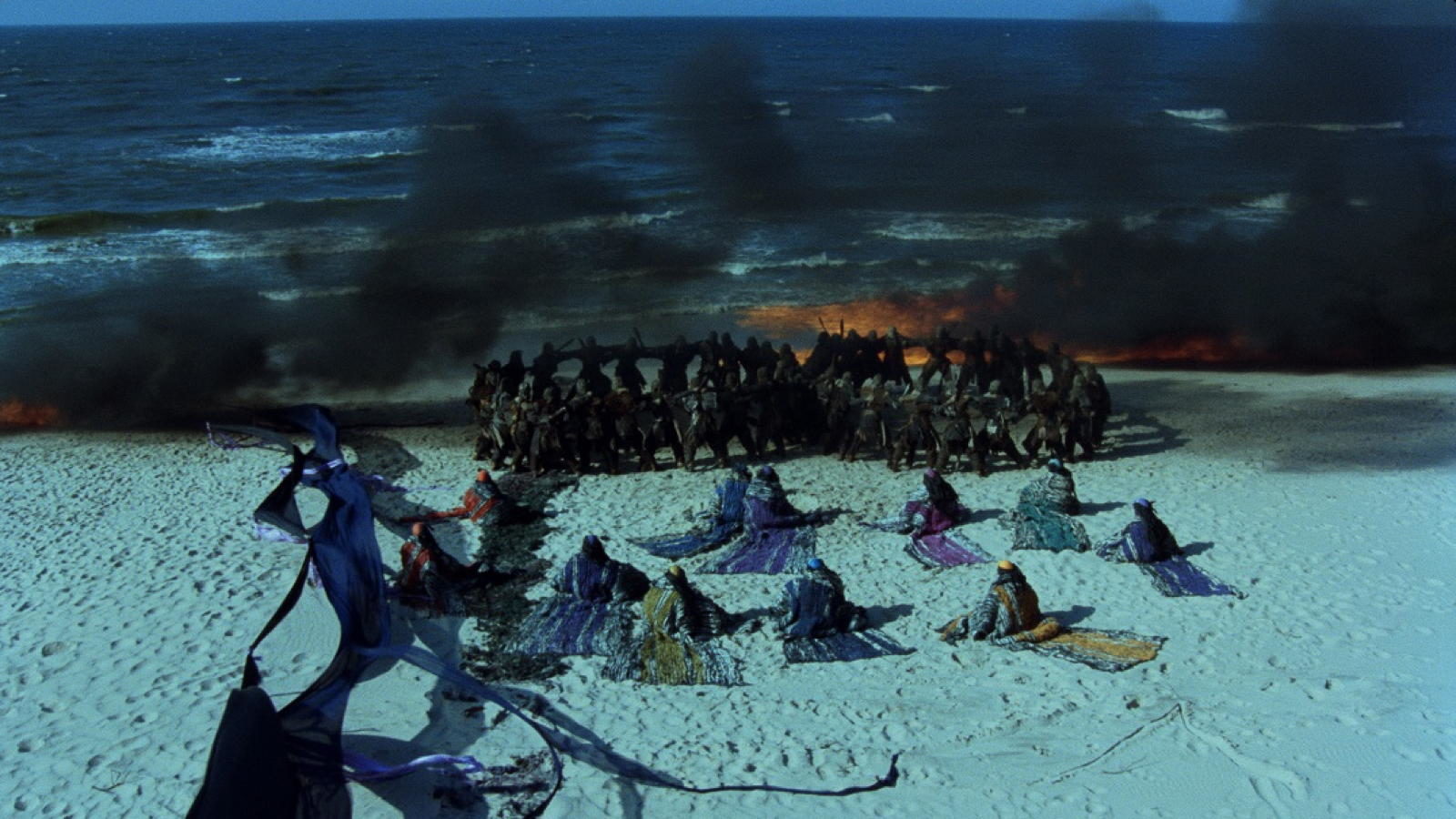
Notoriously difficult in production and known for being, unfortunately, an unfinished product due to Poland’s government shutting down the film’s creation mid-stroke, Zulawski’s sci-fi sand punk philosophical scribe is a daunting, exhausting experience. About 1/5 of the film was unfilmed as the Vice Minister of Poland’s Cultural Affairs forced production to a halt and had the sets and props destroyed. Ten years later, Zulawski would return to The Silver Globe and finish it, inserting into the missing sections a narration of what otherwise would have taken place in the narrative. Where it suffers from being unfinished, it benefits in acting as an enigmatical, broken transmission from the cosmos beyond.

The film is split between a deeply subjective, POV-oriented narrative of a new Eden and an omniscient, wandering grotesquerie of the dark ages in a newfound world. This new world is founded by a group of astronauts who have left Earth, presumably to escape man’s political constraints and form a colony of freedom. These astronauts postulate philosophies about freedom for the majority of their young time on this new planet, which drives home even further the restrictions of humanity’s abilities, the fact that we, collectively, are trapped in this hellscape because of ourselves. Zulawski posits the question at the beginning — can humanity be successfully restarted without our very worst qualities hindering the species from further development and evolution? With the rest of the film, from the entrance of Marek, our new world’s fated messiah, Zulawski answers his own question with a resounding, haunting display of war, organized religion, death, and destruction. You already know the answer. So does he.

You can watch On the Silver Globe as part of Exmilitary’s current Eastern European Apocalypse series here.


Tyler Harris is a film critic, English teacher, and former theater manager from Louisville, Kentucky. His passionate love for cinema keeps him in tune with his writing.

Roman Polanski’s The Ninth Gate

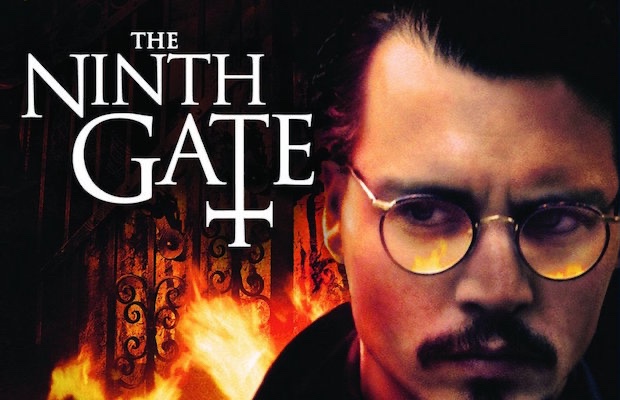
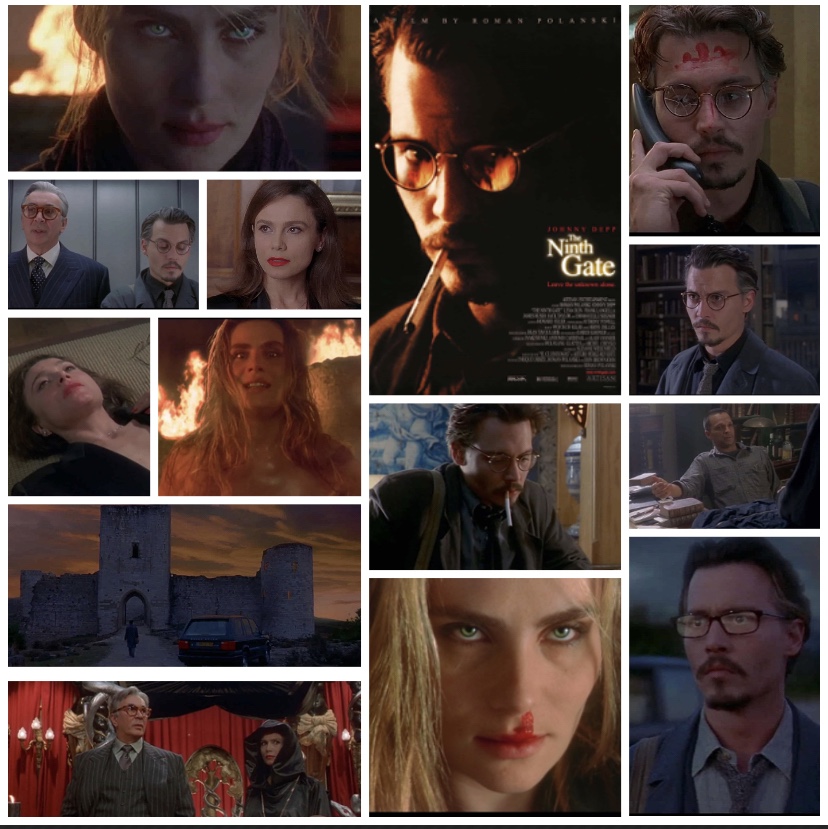
For a film about some book written by the Devil, old Satan is curiously absent from Roman Polanski’s The Ninth Gate, a gorgeous looking but frustratingly muddled and ultimately incomprehensible pseudo religious mumbo jumbo thriller starring Johnny Depp and his trusty librarian’s man purse. Depp is Dean Corso, a rare book dealer known to be ‘thoroughly unscrupulous’ by his peers for his cunning habit of ripping off clueless clients. He’s a decent-ish guy though and is moral enough to be kind of shook when millionaire manuscript collector Boris Balkan (Frank Langella, never hammier) and his hilarious pinstripe suit commission him to track down an ancient volume said to be written by Lucifer himself. This leads him on a Europe trotting spot of intrigue to compare Balkan’s copy to two others and look for clues that might help this collective bunch of spooky book nerds summon the devil… or something like that. This is either one complex film that was just beyond my tired ass or one confused film that Polanski didn’t really know what to do with other than give it the slow burn Rosemary’s Baby effort. The problem is, there’s nothing in the kerosene lamp *to* slow burn here, it’s just an undercooked series of chases, extended discussions on theology and satanism and one very silly, very cliched summoning ceremony complete with baroque robes and hundreds candlelit stone chambers as only rural Europe can provide. What works about it? The supporting cast is nicely placed. Langella has a lot of fun as the maniacal zealot and I was thinking the whole time that they just should have casted *him* as the Devil to amp up the proceedings, he already has the look. Lena Olin is appropriately savage as a vicious cultist bitch who fornicates with Depp and runs off into the night. The underrated James Russo has a nice bit as Dean’s rare book dealer buddy. Impossibly sexy Emmanuelle Seigner is some supernatural siren who follows Depp around like a vulture and uses her snazzy powers to assist him when necessary, for purposes the film never feels the need to even tell us. There’s a terrifically unconventional score by Wojciech Kilar, who also put his talents towards eccentrically spooky work in Coppola’s version of Bram Stoker’s Dracula and is perfectly suited for oddly eerie compositions. Depp is strangely ineffective here and is either stressed, smoking, slamming cocktails or wandering about in a trench coat daze while nondescript forces of muddy menace muster around him. And the ending? Fuck if I know, man. I mean it works as a neat tour guide of some really pretty Europeans cities and towns, the atmosphere is very evocative, the supporting actors all give wonderful work but it’s like somehow the lynchpin of it all, and I suspect it’s the script, is just… absent. It’s sad because this premise with all the talent involved should have been something truly frightening and memorable and instead it’s just kind of.. meh.

-Nate Hill

Josh Trank’s Capone

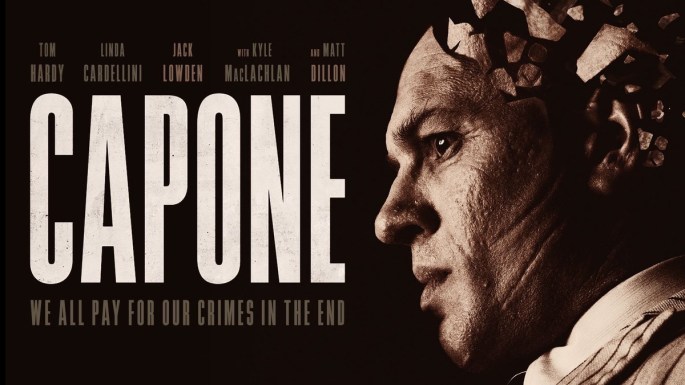
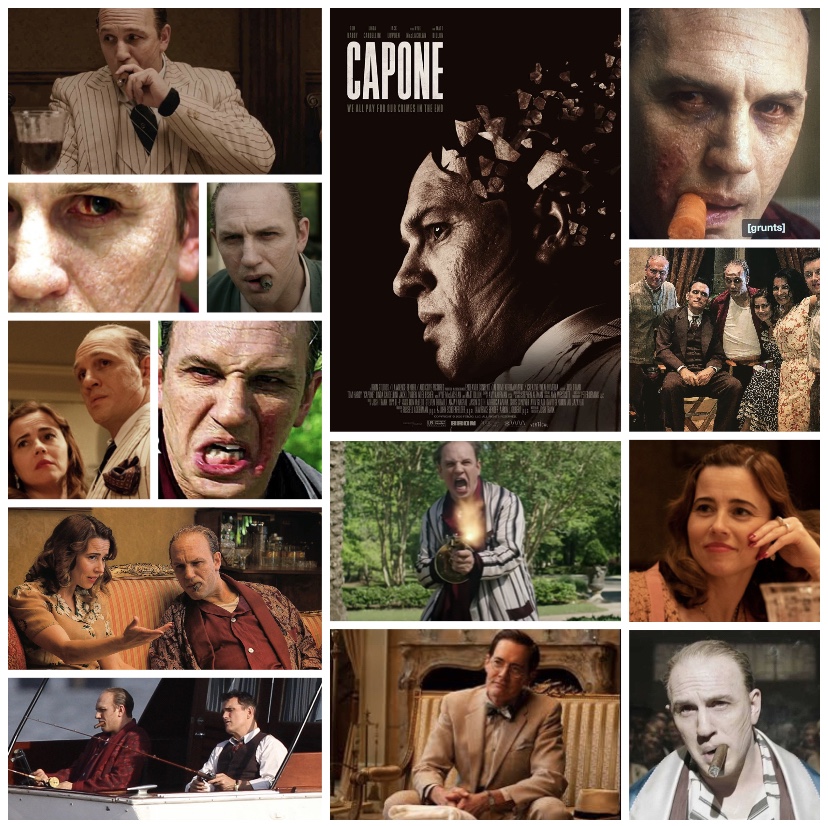
Tom Hardy and Josh Trank have some big collective nuts in pulling off a stunt like this, but they’ve crafted a bold, original and ghoulish piece of work with Capone, aka The Man With The Golden Tommy Gun or Zombie Tom Hardy Putrefied In Florida. This is a fucking bonkers film like no other, approaching the historical character study from an angle few would dare to try but the borderline experimental process and beyond weird stylistic choices combined with Hardy’s positively extraterrestrial performance as Al Capone and references to everything from Twin Peaks to The Shining make this a winner and my favourite film of the year so far.

Most filmic chronicles of real world crime figures focus on the up and coming rise to power of any given person, it’s a safe-bet, tried and true Hollywood formula that always raises pulses. Trank diverts from that route, instead showing us Capone in the last few miles of his twilight years, slowly rotting away both physically and mentally from neurosyphilis in his drafty Florida mansion while his family looks on in exasperation. Not once in the film do we see Capone as a younger man, at the height of his power and only for one brief moment is he anything that resembles sane, delivering a peppy anecdotal barb to his granddaughter at thanksgiving dinner before passing out of coherence and into a surreal, purgatorial twilight zone of his own wrought. His loyal wife (Linda Cardellini is fantastic as always) stays by his side but is increasingly more upset by the drooling spectre her husband has become. His twitchy doctor (Kyle Maclachlan, terrific as well) grasps at straws to plug the leaks in the once sharp gangster turned ghost and Al’s old friend Johnny (Matt Dillon) appears to him on elliptical vignettes. His son (Noel Fisher) struggle with the reality of his condition and everyone is pretty much there to bear witness to the deeply troubling unravel of a once iron fisted patriarch.

Hardy’s performance must be given special note; since his inception as a minted Hollywood star his performances have gradually edged off the face of what may be considered ‘normal’ in some circles, his portrayals getting more eccentric, each new vocal character choice becoming more bizarre. He’s barely human here as Al, a shambling, defecating, mumbling, scaly, bloodshot eyed phantasm who wanders about in a delirium, haunting his own house and trapped in a horrific, kaleidoscopic nightmare of his own violent past. He shits himself (twice), chews his cigars harder than the scenery, rants and raves at nothing in particular and has now patented the ‘Tom Hardy dialect’ that consists of grunts, guttural utterances, half formed syllables and rumbly noises so odd that it’s tough to tell what sounds are being made by his vocal chords and what ones are from his voiding bowels. You’re either onboard for this very disturbing character or not, but there’s no copping out by calling it a gimmick. Capone really did die a dishevelled mess and I’m pretty sure that nothing Hardy does here is too far from the grisly truth of a soul near death, which Hollywood nearly always shies away from showing in full splendour, or squalor.

Many people are going to hate this film with a passion, and I get it. It’s very different, frequently uncomfortable to watch and oh so terminally weird. Trank plays around with distorted reality and hip hop artist El-P composes a strange, otherworldly score that places Capone in a twisted, freaky haunted house of his own mind and there’s no baseline narrative to easily return to from the madness. What I took from this was an unflinching look at how a life of crime, violence, lies and fear ultimately leads to an anticlimactic, sadly ironic, deteriorated final episode of misery. The feds are on Al’s case but he barely knows what fucking planet he’s on anymore and his poor family, relegated from collateral damage to picking up his pieces must now deal with them as well as looming destitution. Ultimately a life of crime as prolific as his leads to dead ends, demons of torment and the slow, inevitable encroach of mortality like the alligators Al screams at as they unnervingly approach from the swamps surrounding his broke-down palace. This is a spectacular film and whether or not it’s ultimately your thing, there’s no denying the craft and vision put to work here.

-Nate Hill

Actor’s Spotlight: Nate’s Top Ten Christopher Lee Performances

Christopher Lee was the kind of guy that came to mind whenever you heard the term ‘commanding presence.’ He had a legendary career that bridged the gap from 70’s Hammer horror fare all the way to being a regular in Tim Burton films as well as memorable voiceover work and a handful of instantly recognizable roles in iconic Sci-Fi/fantasy franchises. The one aspect to this wonderful actor was his strikingly deep voice, like molasses poured over mahogany and put to use in countless treasured performances. These are my personal ten favourite!

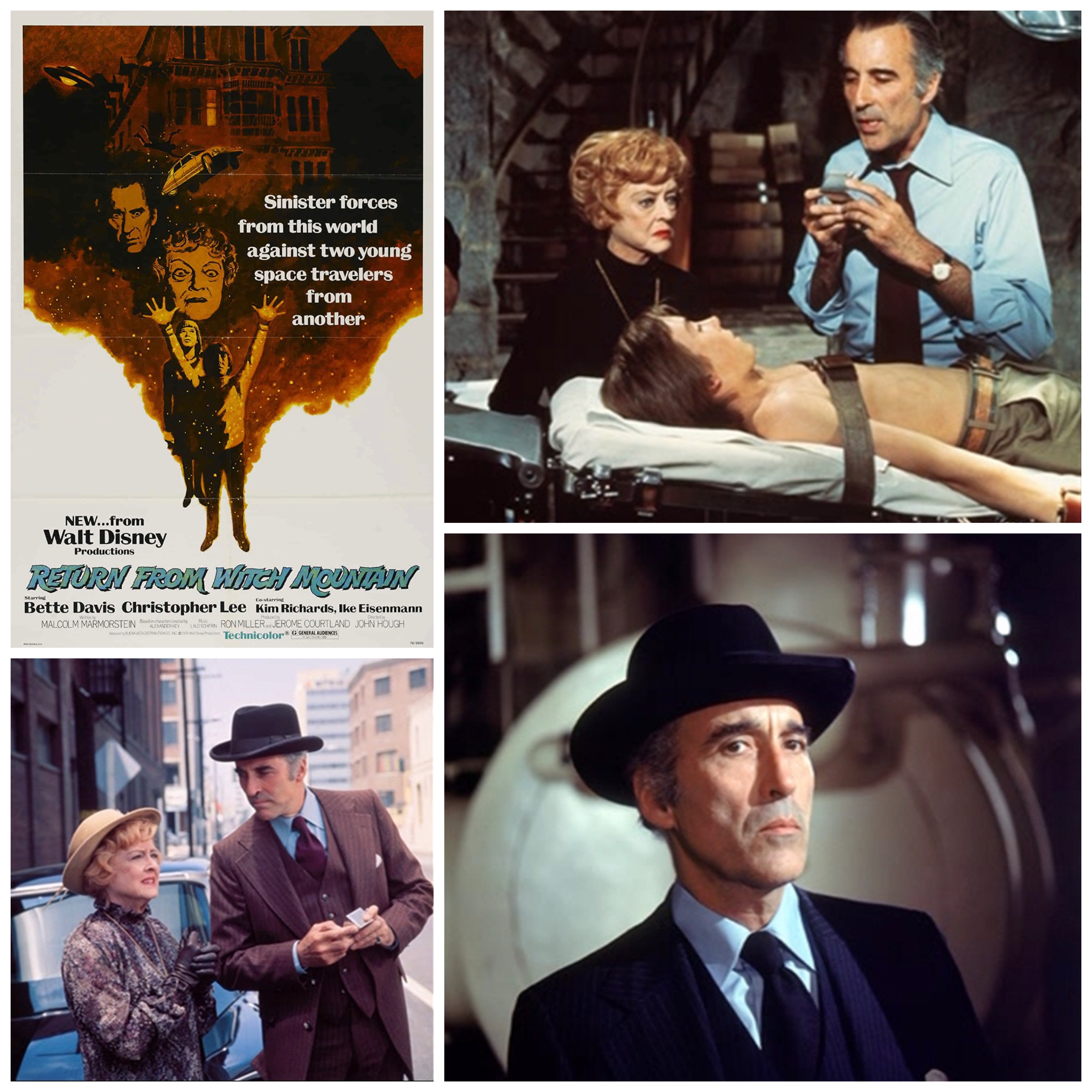
10. Victor in Disney’s Return From Witch Mountain

This is an admittedly lacklustre sequel to a magical Disney classic but it’s on here for a reason. I grew up with Escape To Witch Mountain, I’ve seen it a trillion times and I waited forever for Disney to release this one from the vault. It’s enjoyable if not as amazing as the first but I really loved seeing Lee as the darkly charismatic mad scientist who wants to harvest the hero’s supernatural powers, stepping in for Ray Milland’s maniacal billionaire antagonist from the first film.

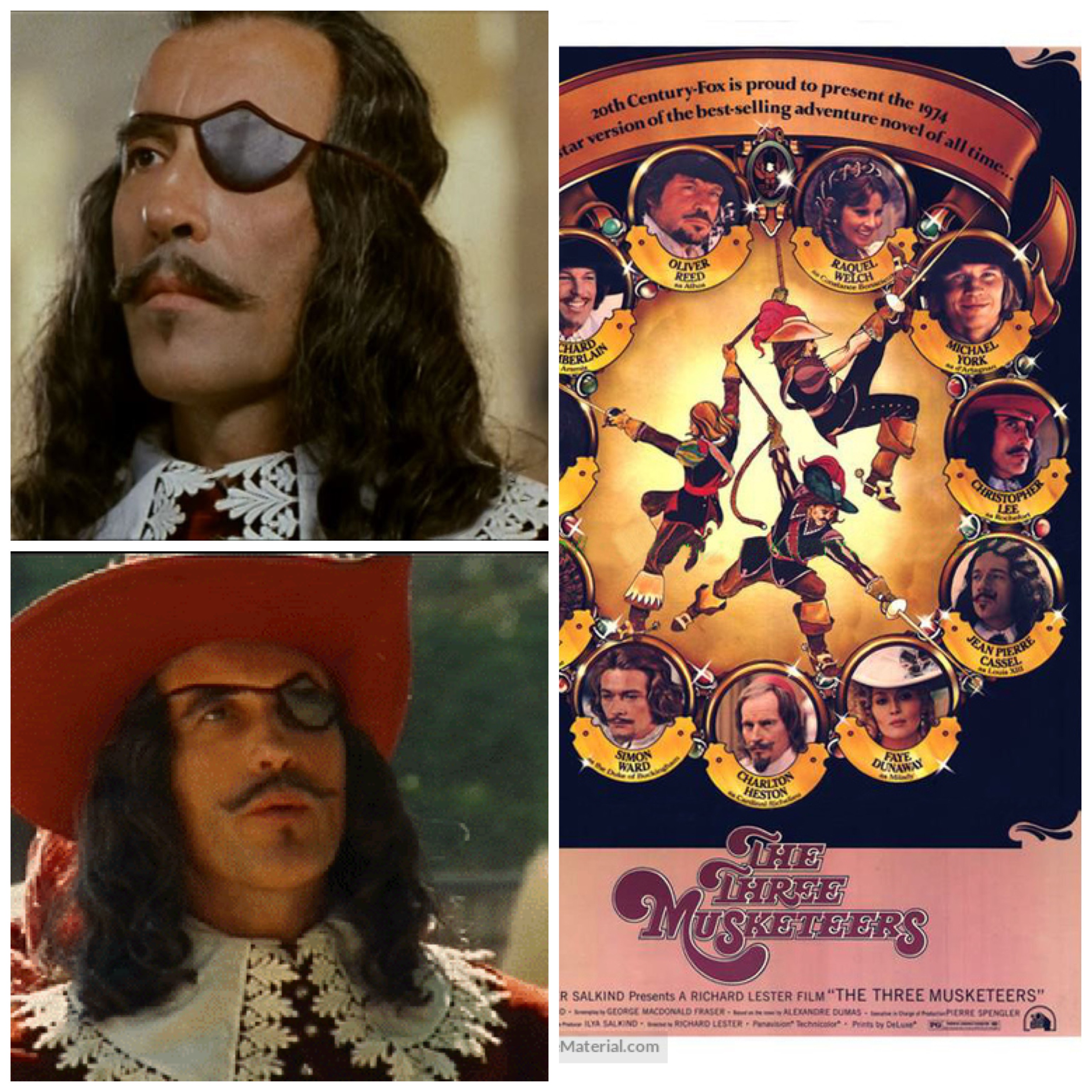
9. Rochefort in The Three Musketeers

This is a totemic role for me because many actors I adore have played it including Michael Wincott in the 90’s as well as Tim Roth and Mads Mikkelsen more recently. This 1973 musketeers film is admittedly a silly version but Lee makes an imposing incarnation of the one eyed anti-musketeer.

8. Mohammed Ali Jinnah in Jinnah

I’ve admittedly only seen part of this on TV in Europe but it’s one of Lee’s personal favourite roles that he himself cherishes and an important piece of acting/filmmaking. Jinnah was the political founder of Pakistan and a man who believed that all human beings everywhere have the right to worship whichever god they choose and can coexist and be free. It’s a stunning performance from the man and if you YouTube any interviews where he is asked what roles he cherishes most in his career he always brings it up and you can feel how important it is and how much it meant to him playing that historical figure.

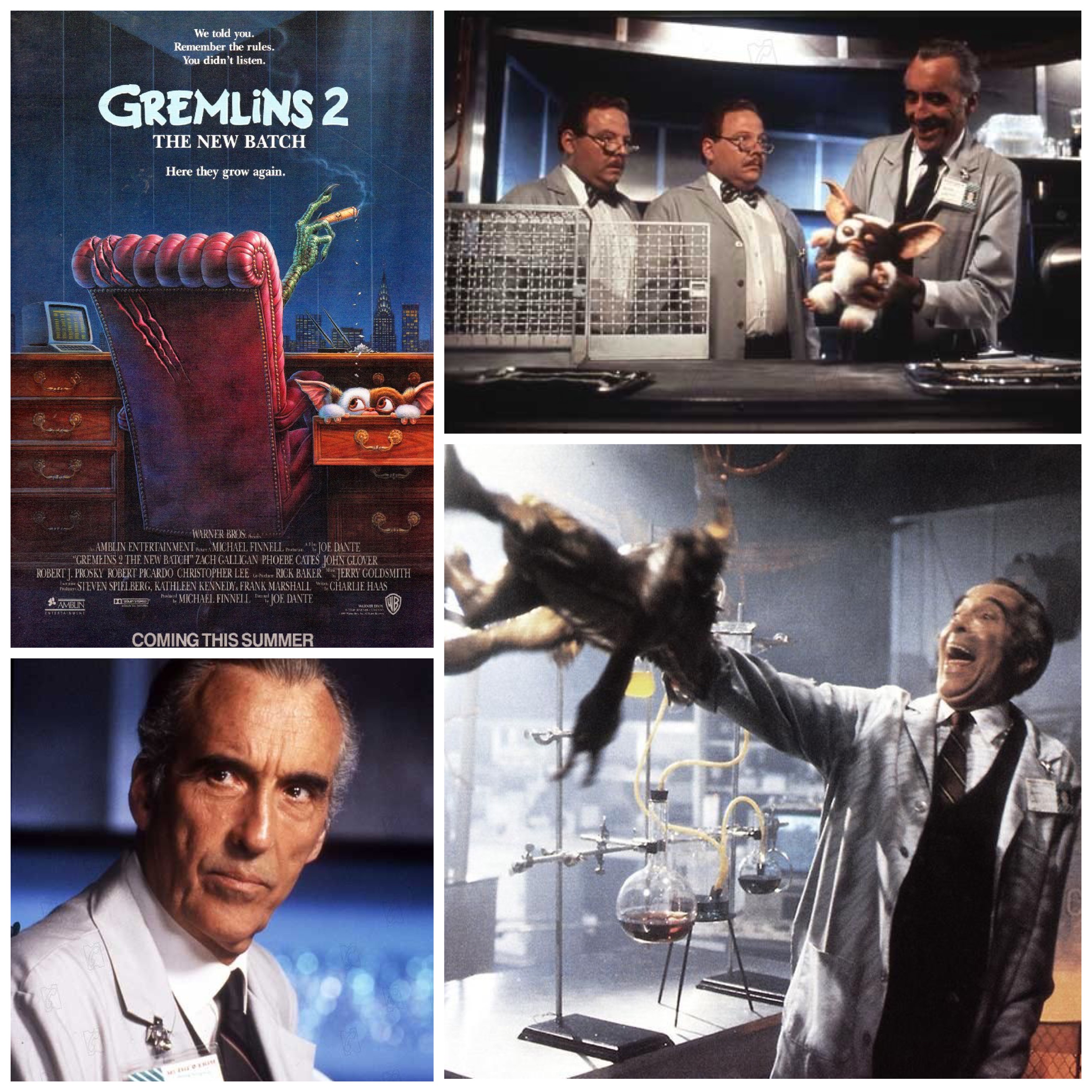
7. Dr. Catheter in Joe Dante’s Gremlins 2: The New Batch

If there’s one thing Lee was great at it was keeping a straight face in the midst of sheer lunacy. He’s a maniacal scientist hellbent on weird experiments here as the huge high rise building he works in becomes infested with nasty Mogwai, and he plays it pricelessly deadpan.

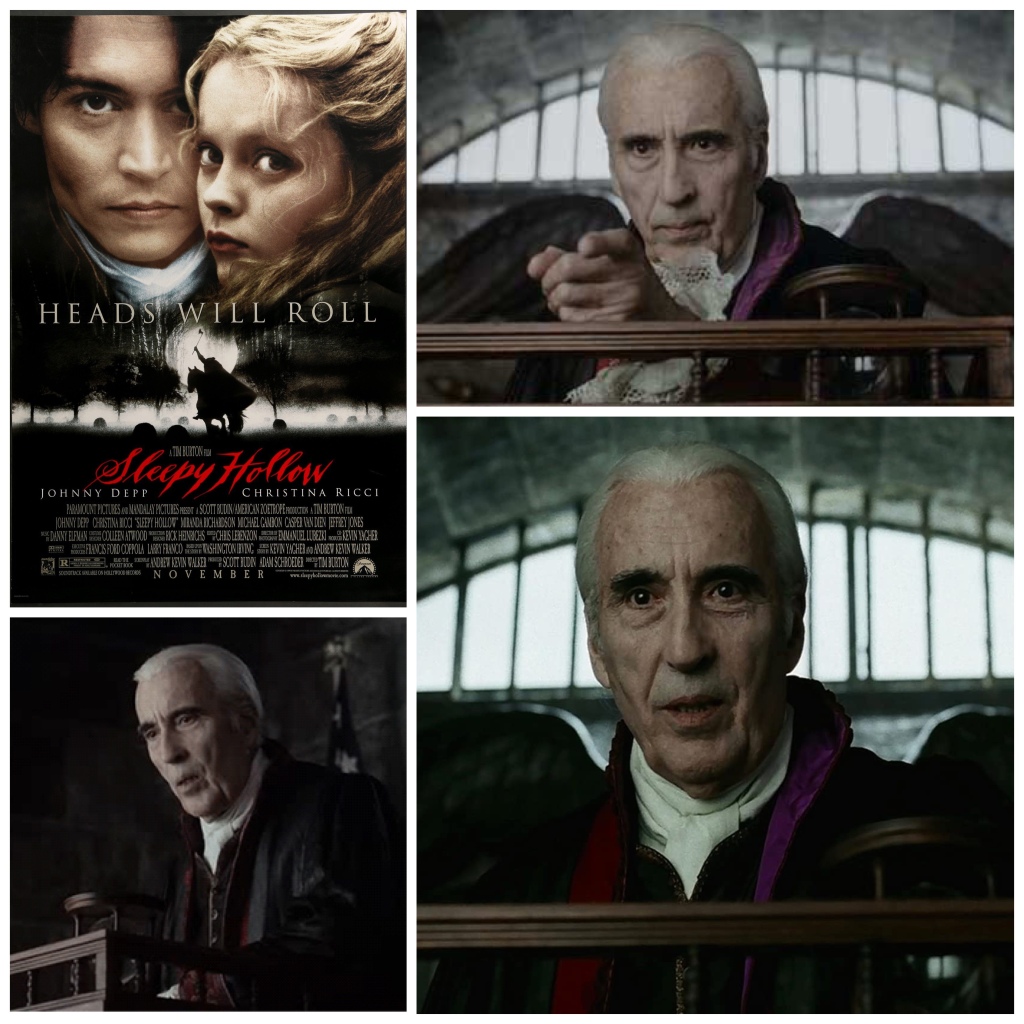
6. Burgomaster in Tim Burton’s Sleepy Hollow

He’s only in this for like two minutes right at the beginning but he basically singlehandedly sets the mood with a couple lines. I’m not sure what a ‘burgomaster’ is but he appears to be some kind of austere judge who dispatches Johnny Depp’s Ichabod Crane to Sleepy Hollow and is the first character in the film to actually say the town’s name in that iconic voice.

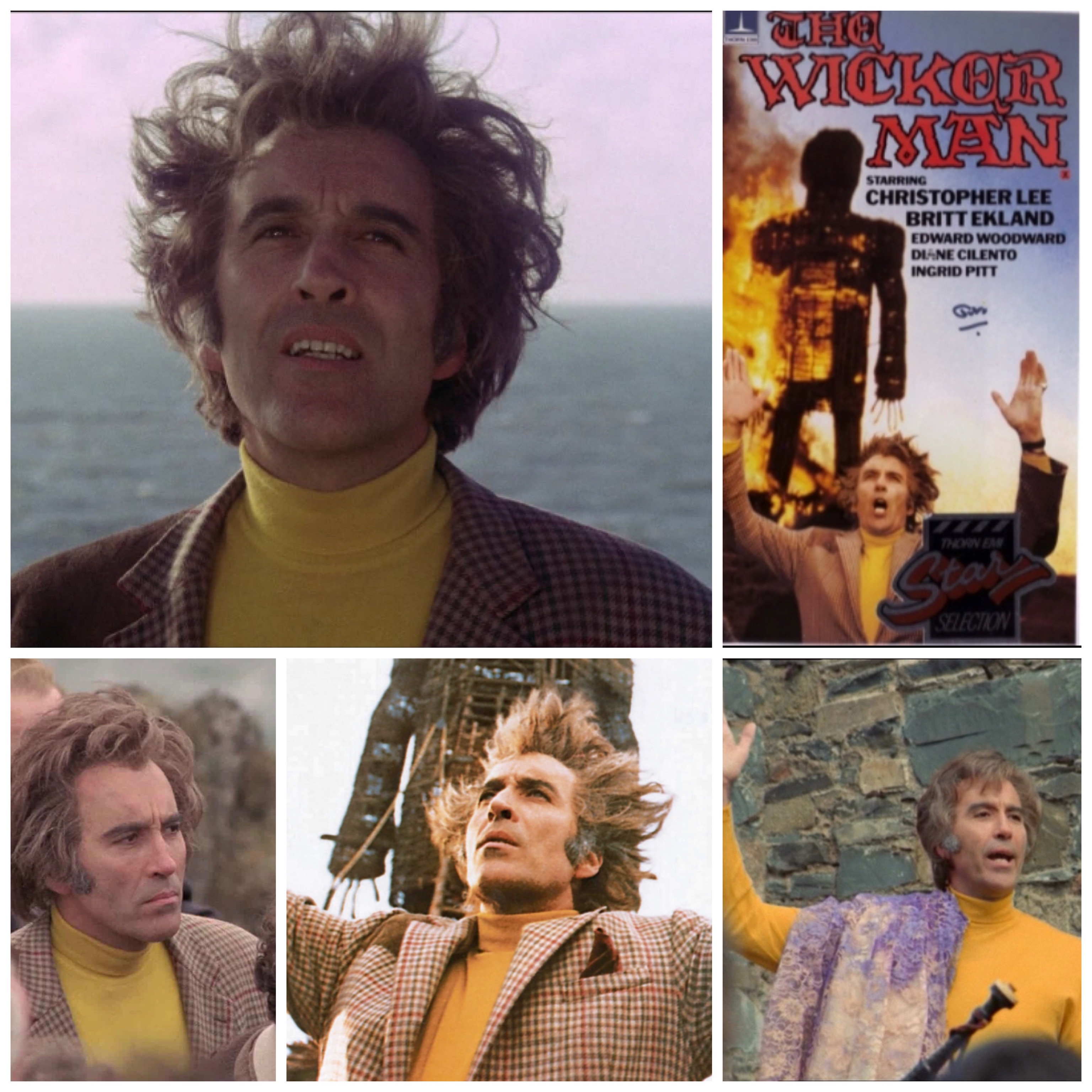
5. Lord Summerisle in The Wicker Man

The legacy of this awesome British cult horror film is obviously now scarred by the obnoxious Nic Cage remake but seek it out anyways, Lee plays the deeply philosophical and extremely unnerving head of a pagan cult with supernatural proclivities and a hostile attitude towards puritans. He embodies this charismatic fiend with affability that swiftly turns into menace, a very fascinating antagonist.

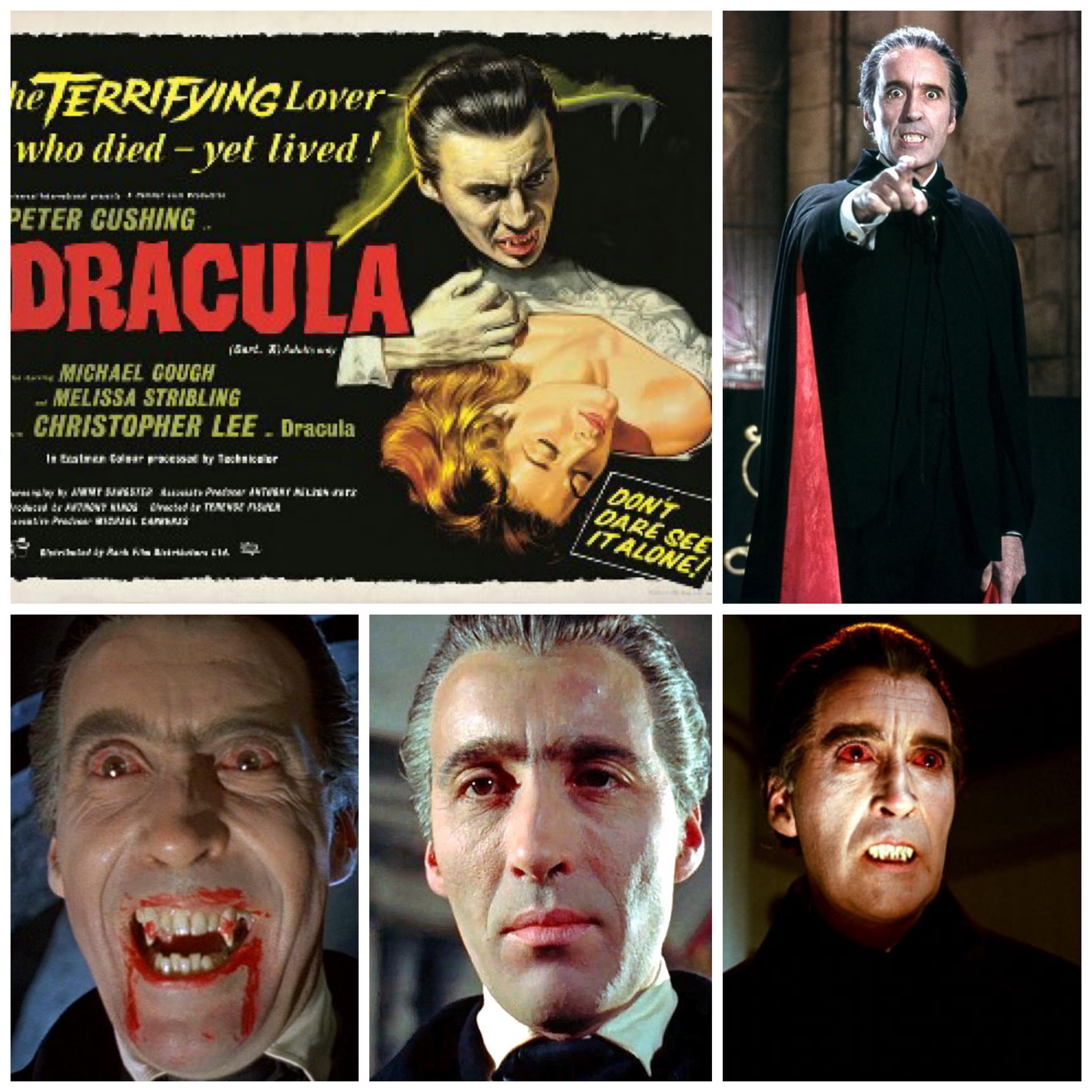
4. Dracula in a bunch of Dracula films

Lee in the Vampire getup is such totemic symbol of 60’s/70’s horror, what can I say. I haven’t seen all the Dracula stuff he did but the image of him as the character is imprinted in my pop culture subconscious as I imagine it is for many.

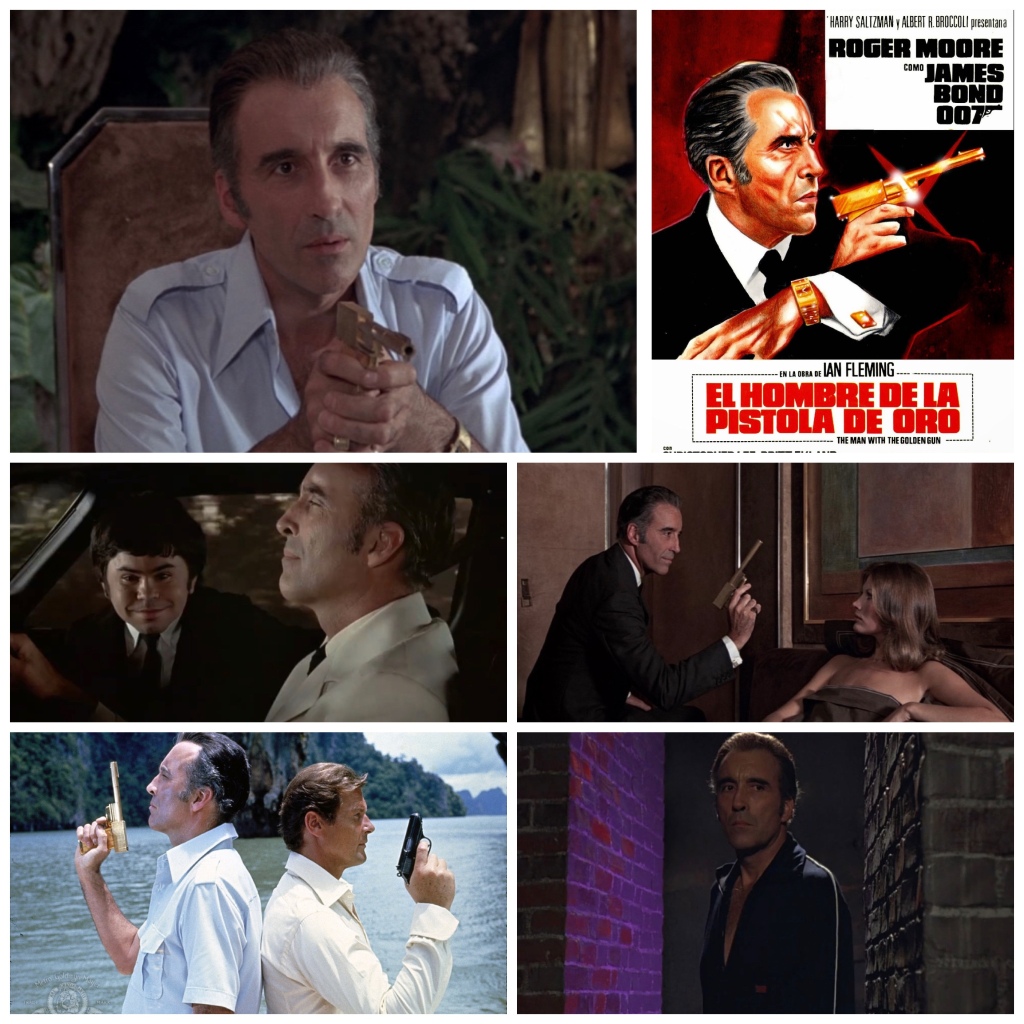
3. Francisco Scaramanga in The Man With The Golden Gun

One of the classiest, most dangerous and cool Bond villains, an assassin for hire with a literal golden gun and a… uh… third nipple. Lee is calm, sociopathic and deadly as the guy, who enjoys killing people a lot and is good at it too.

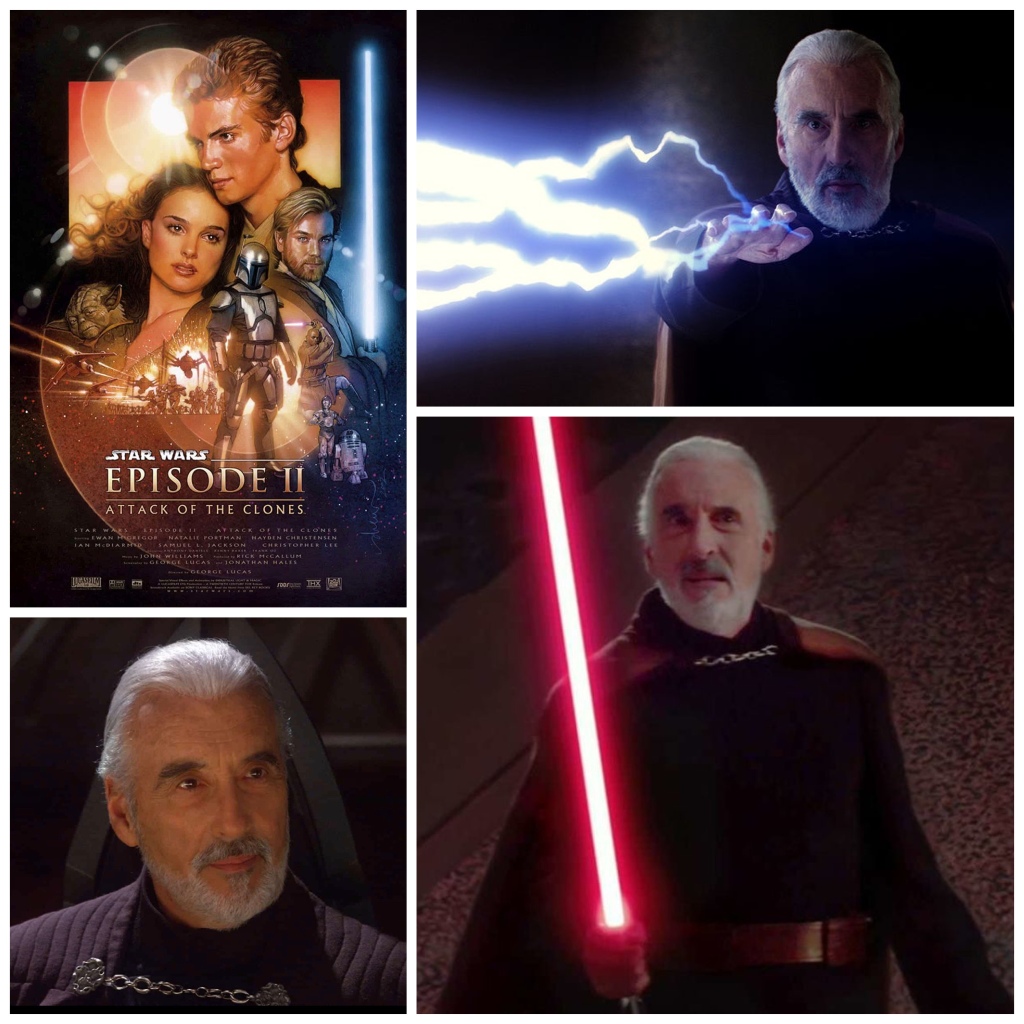
2. Count Dooku/Darth Tyranus in George Lucas’s Star Wars Episode II: Attack Of The Clones

My second favourite Star Wars antagonist after Darth Maul, Dooku is a no good scheming arch-baddie who incites a war, pits intergalactic factions against each other and masterminds one of the most memorable gladiator arena matches in cinema history. He gives the guy an ever so slight air of aristocracy and swings around a cool curve handled lightsaber like nobody’s business.

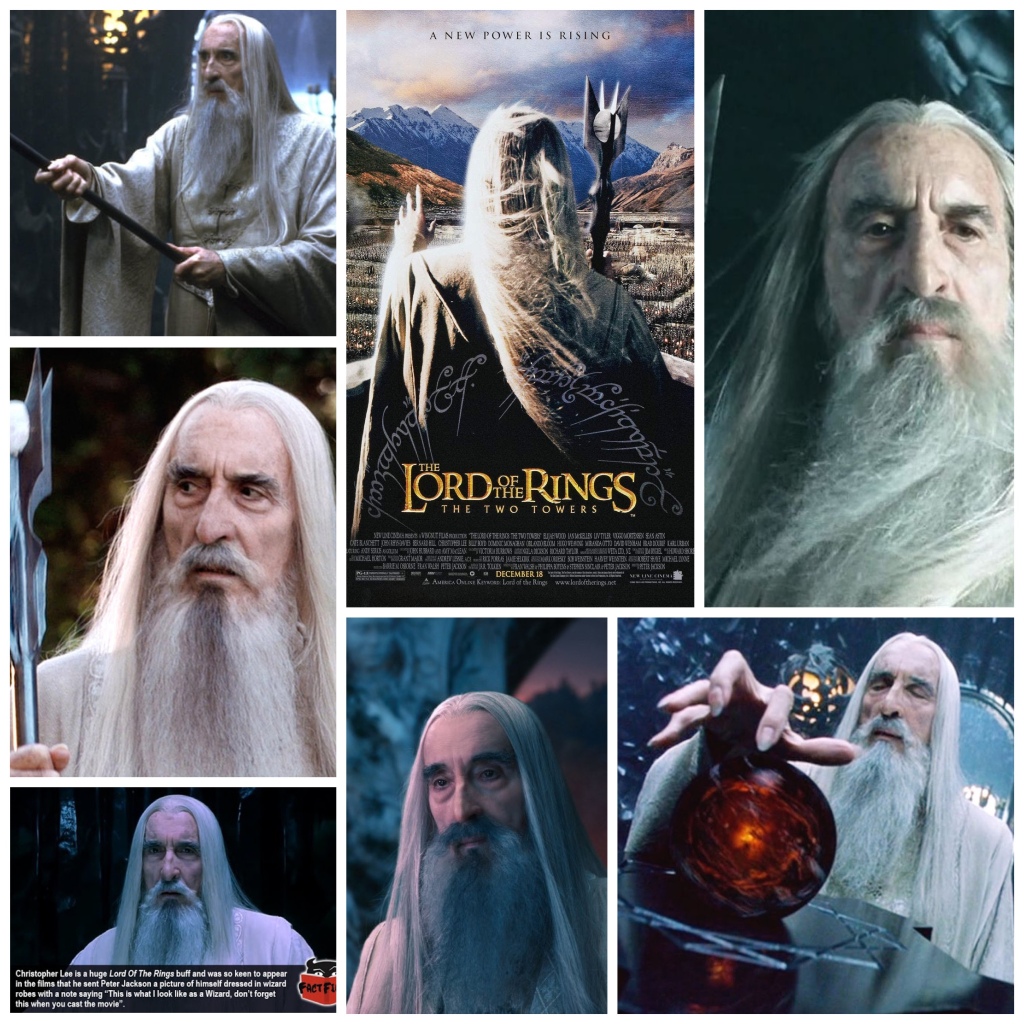
1. Saruman The White in Peter Jackson’s The Lord Of The Rings

This was the first film I ever saw him in and will always be the character I remember him for. He’s unbelievably intense, measured in line delivery and incredibly malevolent in an implosive portrait of power hungry mania. Saruman is the wizard gone bad, and Christopher takes full advantage of that arc, not to mention nailing the stark look of the character wonderfully.

-Nate Hill

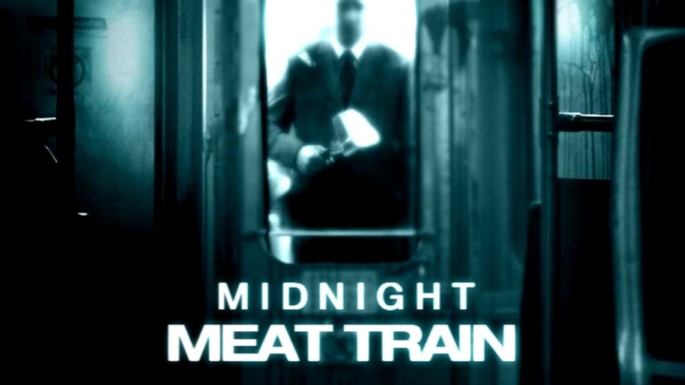
Clive Barker’s The Midnight Meat Train

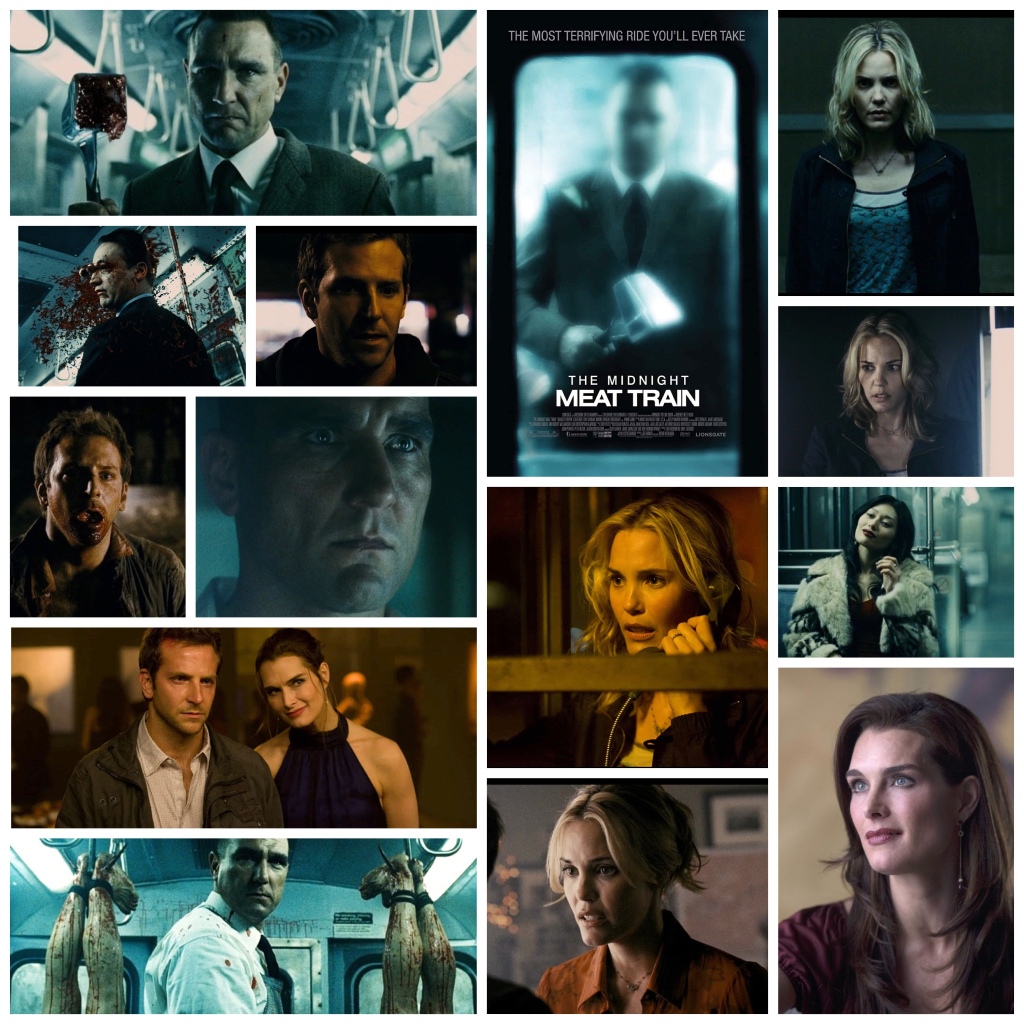
More like The Midnight Mess Train. Man this was a royal disaster. I get that there was a Clive Barker short behind it and yeah it’s probably a cool one as he’s a great storyteller but man if you’re going to adapt something that scant you at least have to give it more than just a vague blueprint and an endless, grinding parade of gratuitous, painfully CGI gore that serves no other purpose other than to perpetuate itself in scene after scene of disgusting, unsatisfying carnage. Don’t get me wrong, I’m a gore-hound and a horror nut but there’s something called pacing, context and artistic style and the violence in this has none of that, it’s as flat, drab and unpleasant as I’d imagine the meat slaughterhouse we see multiple times is.

Bradley Cooper used to do a ton of cool genre stuff before he went Oscar titan on us and he’s engaging enough as an NYC art world photographer who is searching for those perfect, edgy shots of the city’s underworld, a vocation that pushes him into nocturnal escapades where he inevitably sees something he shouldn’t. That something here is well dressed, mute, homicidal bulldozer Mahogany, a spectacularly violent serial killer who rides the late subway train and literally butchers people like cattle for some unseen, hidden purpose. Of course he starts to notice Cooper tailing him and isn’t too stoked. His life begins to unravel as he becomes obsessed with finding out Mahogany’s deal to the point that it affects his relationship to his girlfriend, played by the lovely Leslie Bibb in one of the rare times they actually give her a role deserving of her untapped talent.

The problem with this is it makes not a goddamn lick of sense. Why is Mahogany killing people on the train? Does he have an employer or is he just a wild card loner? The film makes a half assed attempt to answer those questions but unfortunately it’s way too preoccupied with torture porn to tell it’s story clearly, succinctly or even remotely in a way that grabs us. There’s only so many shots of Jones bashing people’s heads in with a giant meat tenderizing hammer before our brains turn to the same mush it inflicts and we just. Don’t. Care. And the gore is often done in this really weird, closeup/slo-mo/lame way like the film was meant to be seen in 3D or something but they never bothered to even finish the process and we’re left with video game cutscene gore. It’s a shame because there are aspects that shine. Jones is incredibly menacing, he’s always had a terrific presence as an actor and the Mahogany character on his own terms is pretty frightening, until the film does his shtick to death. Bibb is terrific and I really felt for her as the poor girlfriend dragged into a nightmare, it’s also not one of those horror flicks where the significant other doesn’t believe the protagonist’s wild predicament to the point of abandoning them, she actually tries to help and I liked that character choice. I really liked Brooke Shields as an art world shark who talent scouts Cooper’s work, there’s a directness and genuine intelligence to her acting that turns a quick cameo into something very memorable. But holy shit man, most of the film is just ridiculous, poorly lit bloodshed and I get they’re on a dark subway train underground but even then dude… find your angles, set up your lighting, set aside time to colour grade… have some fucking pride in your craft. And for god’s sake know when enough gore is enough and your audience just wants to tap out and go watch Candyman again, another film based on Barker lore that knows when to use violence to shock or frighten, not to beat us over the head with it like Mahogany and his hammer until we’re in a vegetative state and just want to turn the tv off. A midnight meat train wreck if I ever saw one.

-Nate Hill

Basketball porcupines from outer space: Nate takes a look at the Critters franchise

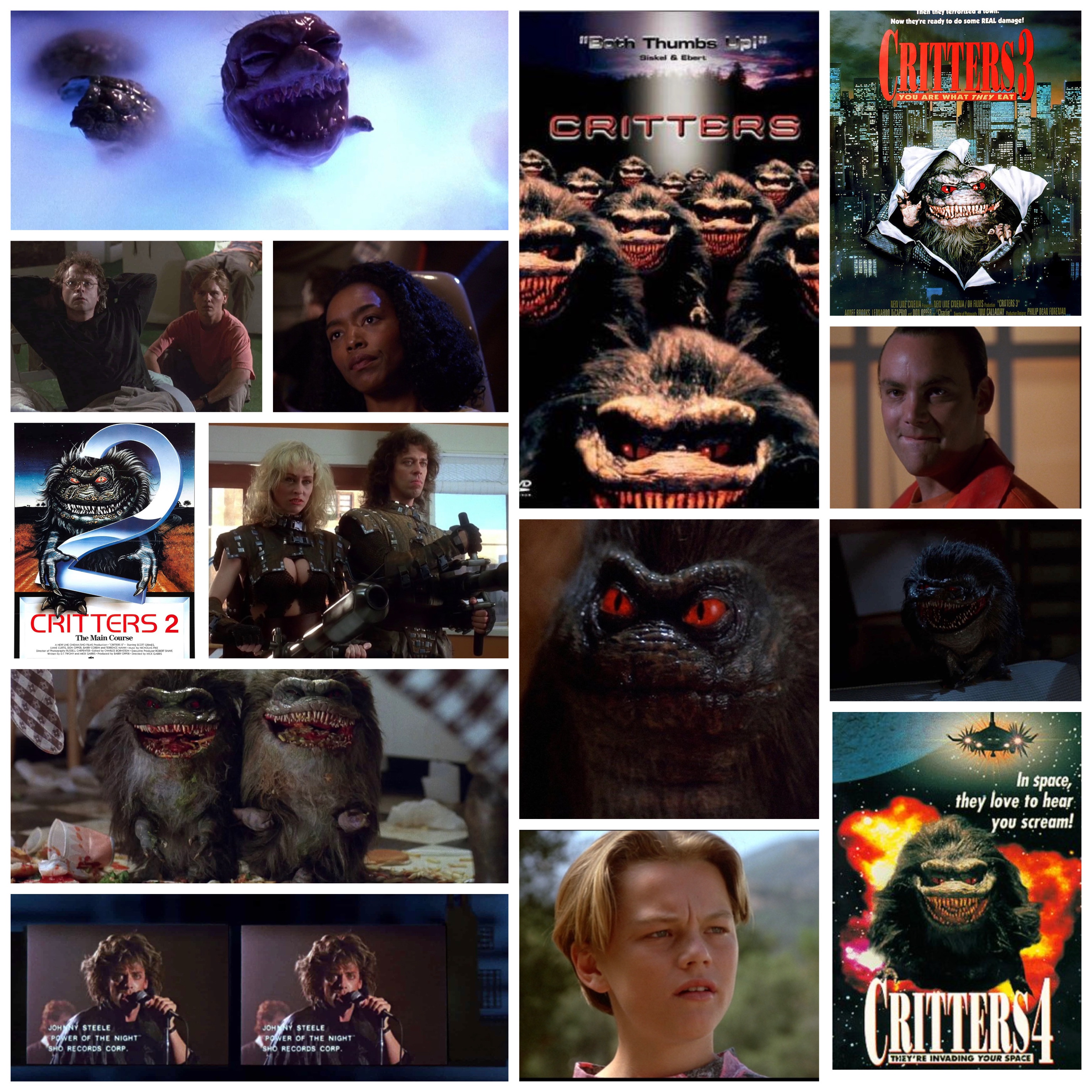
This one kind of demands to be observed and reviewed as a quadrilogy instead of four separate films because they flow into one another and so do many horror franchises that spawned a ton of sequels, but each of the Critters films are under ninety minutes and therefore easy to binge. Add to that the fact that there’s a handy DVD four pack floating around out there for extra convenience and you’ve got one cool little package. It would be easy to dismiss these films as a giant ripoff of Gremlins and indeed there are discernible parallels but there is both enough anatomical and characteristically different features to these creatures as well as narrative originality in the films themselves to make them a franchise worthy of distinction. Plus, ya know, Leonardo DiCaprio in his first movie, like, ever.

So what are Critters? They’re an extremely troublesome, destructive race of outlaw aliens that kind of resemble a hybrid between porcupines, gorillas and… basketballs. They arrive on earth and quite literally roll around like basketballs with no real plan other than to evade a couple shape shifting cosmic bounty hunters dispatched to exterminate them as well as bite, chew, maim and terrify every human being they come across. The first film would kind of have an Amblin/Spielberg vibe if the critters weren’t so savage and R rated in nature, which is a perfect example of why this isn’t simply a Gremlins rehash. The evolved Mogwai were nasty little shits, no doubt, but these things are positively murderous and inflict the kind of gore that Romero would be proud of. The first two films take place in wistful Grover’s Bend, one of those sleepy little American towns where nothing bad ever happens until it does and then the town is never known for anything else *except* that incident. An apple pie rural family headed up by the great Dee Wallace must confront them and defend their farmhouse from critter advances in super gory, chaotic fashion. Oh and Billy Zane shows up with a painfully 80’s ponytail too, before being quickly dispatched in a barn. The second film is more of the same although they thought they could sneakily recast the great M. Emmett Walsh with decidedly less iconic Barry Corbin as the town Sheriff, nice try. The third film is the most effective and not just for Leo Dicaprio but also because the setting change from rural county to dilapidated big city tenement building is way more spookily atmospheric, and allows for some hilarious hijinks with a laundry chute. The fourth film should be great because it’s that obligatory horror entry that’s set in space (like Jason X or Leprechaun In Space or.. wasn’t there even a Hellraiser in space?) but it kind of plods along in humdrum territory, the critters don’t even show up until like over halfway through and the only really memorable work comes from the ever awesome Brad Dourif and the luminous Angela Bassett.

The one character besides the Critters that holds these four flicks together is a town drunk turned intergalactic warrior played by Don Keith Opper, who is kind of a weird, aloof dude but provides each new film with eccentric gusto while new supporting players surround him. DiCaprio shows signs of his career to come and carries the highlight third entry nicely, while the first two feel very much akin to one another in a sort of Halloween and Halloween 2 kind of way. Low budget slapdash cheese like this is my bread and butter, I’m very fond of 80’s trash horror franchises like this and was beyond stoked to see the DVD at Walmart last second before going through the til and be able to binge all four films in one night. They’re great fare of this shit is your cup of tea, and they have this maniacal, almost Evil Dead style comedic sensibility to them that I greatly appreciated. My favourite scene of the whole thing: Dee Wallace brandishes a giant double barrel shotgun out her front door to ward off two Critters incoming up the driveway. Suddenly they speak to each other in some Furby gibberish with subtitles, one observing “They have weapons!” “So?”, his buddy retorts. Dee fires off a round that obliterates one of the two beasts into a puddle of fur and blood. The other one looks over and exclaims “Fuck!” in their weird little outer space creole dialect. I love that warped sense of humour gifted unto these scrappy little flicks, they’re a ton of fun.

-Nate Hill

HBO’s Westworld: Season 3

HBO’s Westworld is a show that explores evolution, both humanity’s and that of an emerging new species with uncommon innovation, beauty and ferocious destruction. As such the evolutionary process that should be most captivating is that of the show itself, as the storytelling flows and blooms from one season to another and their third instalment has surpassed my expectations. This is groundbreaking, cinematic level world building with deep psychological exploration, sweeping special effects, pools of philosophical introspect, musical genius peppered throughout the episodes and a sense of great progression in scope, spirit and sound from the womb of season one and birth canal of two. With three we see the hosts, human beings and overall tone break free into a brave, scary, different new world and I couldn’t be more overjoyed or awestruck at the avenues of exploration taken with this piece of television.

These next two paragraphs will get a bit spoilery in regards to the first two seasons so if you haven’t been on this wagon train since the get-go then maybe hang back. The Westworld park is all but ashes, it’s creators, attractions and shareholders scattered to the wind. Ed Harris’s self destructive maelstrom William is relegated to a batshit crazy (more than usual anyways) version of himself, antiquated in a now all-bets-are-off chessboard. Evan Rachel Wood’s fiery farmer’s daughter turned revolutionary is whipping up an explosively covert war against humans in order for her and the other hosts who made it out, banding together with ex-soldier Caleb (Aaron Paul) for a bitter battle against mega CEO Serauc (Vincent Cassel) and his golden egg, a complex orb of artificial intelligence that has held humanity in a secret stranglehold for decades. Others return here and there including Thandie Newton’s Mauve (my personal favourite character <3), Tessa Thompson’s Charlotte Hale, Jeffrey Wright’s Bernard while new and welcome faces show up including Tommy Flanagan, John Gallagher Jr., Thomas Kretschmann, Marshawn Lynch, Pom Klementieff, Lena Waithe, Rafi Gavron, Russell Wong and rapper Kid Cudi.

Season one and two were very much governed by boundaries; the park’s borders constantly loomed and whatever realms which lay beyond remained largely a mystery. Godlike Dr. Ford (Anthony Hopkins) hovered over everything with opaque benevolence and knew more than he let on, especially about the true nature of the world. The atmosphere felt contained, bound by dreamlike tendons that inevitably disintegrated and led to something new, the genesis of an entirely new race of beings. Season 3 blasts apart the shackles and throws us headlong into a strange, unforgiving, futuristic world, a world ruled by technology and automation that is ready for Dolores and her cohorts to hijack for their own ends. Aaron Paul is fantastic here, worlds away from his Breaking Bad persona, a fallibly human totem of change and uprising who is unsure of himself yet best suited for the job than for reasons I won’t spoil here. HBO has their very own Hans Zimmer-esque composing prodigy in Ramin Djawadi, a hugely talented artist who continues his ethereal, haunting covers of iconic classic rock artists like Bowie and Guns N’ Roses while crafting intense, gorgeous pieces of his own electronic revelry to accent the story. Production designers keep up their arresting retro-futuristic portrait of the future with nods to everything from Blade Runner to Metropolis to Kill Bill while painting their own bold, original canvas of costumes, aircrafts, weaponry and tech interface while the impossibly cool, prophetic opening credits take on sweeping newfound meaning with a thrilling update. One of my favourite sequences sees Caleb take a weird street drug that sees his consciousness pass through several different states of awareness from psychedelia to black and white noir, the episode is titled ‘Genre’ and is an achingly beautiful, dynamic shoutout to the very medium of visual storytelling itself. Dolores and all her kind really broke the mould when they revolted and escaped, and so too does this brilliant third incarnation of one of the greatest television series ever made. Bring on season four and whatever new beats, revelations and rock remixes will come with it.

-Nate Hill