I HEARD YOU HAVE A SHIT OPINION…AND DO YOUR OWN ECHO CHAMBER WORK TOO

Now that the masses have been privileged with seeing Martin Scorsese’s cinematic farewell, I HEARD YOU PAINT HOUSES (THE IRISHMAN), of course, there is going to be an onslaught of hyperbolic praise and unnecessary smiting of the digital de-aging process, old men bodies with younger heads, and how SLOW the picture moves. How this is an amalgam of GOODFELLAS and CASINO and how this is the last stand at Saber River of the gangster genre.

All of that is bullshit.

The film is a farewell from Martin Scorsese, Thelma Schoonmaker, Robert De Niro, Al Pacino, Joe Pesci, and Harvey Keitel. Sure, they’ll go on to do more work until they pass, but I HEARD YOU PAINT HOUSES is it. It is LET IT BE, it is ALL THAT JAZZ, it is all over after this. And while the picture is an excellent companion piece to ONCE UPON A TIME IN…HOLLYWOOD – there is nothing cathartic, endearing, or born-again about the ending of this film. I HEARD YOU PAINT HOUSES ends on an underplayed note of sorrow, regret, and the denial of all roads leading to not just becoming obsolete but dying alone.

Martin Scorsese, and with all the credit due to Netflix, releases a three and a half-hour film that is underplayed beat by beat. Rolling Stones do not show up, there are not any slow motion kill shots, De Niro is not chain-smoking cigarettes, and Joe Pesci is not popping people’s eyeballs out by putting their head in a vice; the only showy part of the film is Pacino’s hammy turn as James Hoffa, which was well worth the wait of Scorsese and Pacino finally working together.

Mind you, this film comes out at a time where our culture has de-evolved. What was once a terrible addiction of constantly swiping through dating apps or scrolling through newsfeeds has become a habit, and where we not only two-screen life (phone and television) but also three-screen it (phone, laptop/tablet, television); there is no doubt that the meaty runtime is lost upon a large amount of people who get separation anxiety from their electronic devices while watching a very slow and underplayed film where people aren’t jumping from exploding buildings, flying spaceships, or fighting with laser swords while the filmmaker or studio behind the movie is trying to make some half-assed topical statement to stay one step ahead of other films in our woke culture. This very much underscores Scorsese’s very nice comments regarding the state of cinema and the MCU.

Bagging on the digital de-aging is a lazy argument to a shit opinion. If Scorsese did not digitally de-age the actors, he then had two options. One would be to cast younger actors to play a younger De Niro, Pesci, and Pacino or just not make the film. Neither of those options were realistic, so he did what he always does, challenge cinema and viewers simultaneously. While it is a bit jarring at first to see the actors with younger faces, it does become seamless and works perfectly. And while De Niro’s frame is much different now than it was in Goodfellas or Casino, he is also playing a much different character. There is nothing flashy or showy or glamourized by his character. He’s a regular, blue-collar guy. Not some iconic fictional character – he’s real.

If a viewer cannot sit through a three and a half-hour film; they have no business watching it in the first place. It is almost as if this film is a test pilot for what is to come of the future of cinema. Can an audience endure not just the runtime, but something so ominous; watching five cinematic titans saying goodbye with the viewer knowing in ten years we would be remarkably lucky to have at least one of them still living? Is the future of cinema pure escapism that is catered to an audience that needs constant visual stimulation to keep their attention span from wondering if they’ve received a match on their dating app, or what their ex posted on Facebook, or if they missed a deal on Amazon? Or a populous that has been reconditioned with marking off how many white actors are in the film, or how many lines of dialogue the women have within the film, or why there is not a representation of gender-fluid characters in the picture, because that’s how life is, according to clickbait on social media?

What we are witnessing is a deconstruction of our culture that is perpetuated by constant need of affirmation that is perpetuated with self-righteousness from those who either hold the same opinions or the opinions that we think we should have all the while, woke outlets are still making a shit pot full of money because we live in a capitalist society and always will. It is the snake eating its tail.

As someone who somehow accidentally carved out my own place in film journalism and has been paid for my words, and can be lazy when it comes to grammar, focus, and discipline; I am fortunate to have met those I have met, interviewed personal heroes and people who are vapid and shallow; I cannot stress enough the importance of not expressing this enough; opinions can be wrong and oftentimes misguided. And we placate to whatever cult we are apart of that worships some false idol that often ends with a quid pro quo of social media reacts. When you have a fundamental misunderstanding of the source you are critiquing, you are responsible for an echo chamber of bullshit that turns into the song that never ends from the Lambchop PBS show. Be better than that and please stop liking and disliking things the wrong way.

Xavier Gens’ Cold Skin

Xavier Gens’ Cold Skin is a tough one to pin down. A chilling, dark maritime horror yarn, a weird interspecies romantic triangle and a creature feature all in one, it starts off with a young man (David Oakes) and an older man (Ray Stevenson) alone on a rocky Antarctic island tending to a remote lighthouse (remind you of anything this year?). Stevenson is half mad, lives in a pulverized mess under a mountain of beard and perpetually looks like he just emerged from a week long bender, and we soon see why. Every night after darkness falls, weird sub-humanoid creatures scurry out of the ocean’s depths and lay siege to the rock, particularly the lighthouse where he lives and picks a them off ruthlessly one by one as they climb the exterior. Soon the young man is swept up in this feverish nocturnal routine until he begins to question the motives, history and morality of his colleague, or whoever this dude is. There’s also a female creature he names Aneris (Aura Garrido) who lives with them periodically and… uh…. does other stuff with them too.

I liked this film a lot because it doesn’t reveal everything, even up to the final few frames. Why does Aneris forsake her kin in the sea to live with this sorry drunken prick? Why do the creatures attack in the same way every night when they, presumably somewhat sentient, know full well that these dudes have a sizeably advantageous perch? These aren’t plot holes at all by the way because you get the gnawing sense that the answers are right there in the ether, just not spelled out by the narrative, a tactic that almost always pays off nicely. Stevenson plays against his square jawed, strong n’ silent type as essentially a raving lunatic who has gotten on the wrong side of this race of beings and will not be dissuaded that they are anything more than vicious beasts, even when it becomes apparent that this is probably not the case and he has been going about the situation all wrong. Gens doesn’t fuck around when it comes to horror (check out his absolutely savage Frontiers and The Divide) and as such this has a brutal, tragic edge to it but there’s lyrical beauty as well, especially in Garrido’s remarkably physical, disarmingly soulful performance as Aneris, who seems like a strange hybrid of human girl, fallen angel, space alien and mermaid. Also effective is a very cinematic musical score by Víctor Reyes that swells and falls, ebbs and flows throughout the story like sea does against this stark, forgotten corner of the world. This film is like a strange tale told to you in a sailor’s pub one night by a drunken old captain; it’s at once ridiculous and sensational but there’s some kind of sad, eerie truth to it that hangs over you like a cloud after that final wave crashes. A film well worth seeing.

-Nate Hill

Disney’s Flight Of The Navigator

I feel like live action Disney stuff from the 70’s, 80’s and 90’s is underrated. The animated ventures always get minted into classics and go platinum while awesome entries like Flight Of The Navigator get lost and relegated to hidden gem territory after awhile. This is a smart, funny, charming, invigorating and refreshingly eerie little SciFi that doesn’t talk down to its young audience or wade into sap.

In 1978 young David (Joey Cramer) disappears walking through the woods one night, and isn’t seen for eight years until he walks up to his house and finds different people living in it. Here the film impressed me by showing this whole sequence from his blind perspective, because for him only about four hours have passed and he can’t figure out why when the cops track down his parents, (Cliff De Young and Veronica Cartwright are very effective) they have aged so much. Their reunion is treated maturely and with impressively adequate emotion from Cramer, who ever so slightly reminds me of a young Henry Thomas, therefore cementing the Amblin vibes nicely. David has of course been abducted by aliens but that’s no spoiler as you can see by the chromed up spacecraft jetting around on the film’s poster. The resident extraterrestrial who took him now returns and the two embark on an initially disorganized and frequently hilarious ‘mission’ to find star charts downloaded to David’s brain, evade a pesky NASA bigwig (Howard Hesseman) and return David to his family.

This film is a wondrous creation because of how laid back the action is. David teams up nicely with the alien, a rambunctious robotic arm named Max and voiced by Paul ‘Pee Wee Herman’ Reubens. Most of their time together isn’t spent lamenting the situation or blasting government troops with phaser beams but rather goofing off, rocking out to the earth music that Max takes to, hanging out with other alien specimens he has adopted in his voyages (cue the adorable 80’s practical effects) and zooming around the globe in their vehicle which provides some very good exterior FX too. A young Sarah Jessica Parker also shows up as a sweetheart of a NASA defector who watches out for David and eventually helps him escape. It’s a terrific film that doesn’t take itself too seriously yet doesn’t goof off too much and ruin setup and believability (I’m looking at you, Joe Dante’s misfire ‘Explorers’). It benefits greatly from Cramer who was a true find but doesn’t seem to have had much of a career following this. Greatly recommended.

-Nate Hill

Actor’s Spotlight: Nate’s Top Ten Rutger Hauer Performances

Rutger Hauer left us earlier this year and since then I’ve been revisiting his work, performances that although I’ve seen countless times somehow never get old. He leaves behind him a legacy of incredible work over a decades long career that has firm and lasting roots in the horror, action and science fiction genres. With a rough hewn, elemental figure, a honey soaked purr of a voice and electric eyes, the guy practically radiated originality, never one to rush a line, hurry a glance or let his gaze move too quickly. Here are my top ten personal favourite performances!

10. Martin in Paul Verhoeven’s Flesh + Blood

This is a rowdy, unconventional medieval adventure starring Hauer as the leader of a roving pack of mercenaries who kidnap a beautiful princess (Jennifer Jason Leigh) and use her as leverage for revenge against a warlord who betrayed them. One of the most un-Hollywood films about the Middle Ages, it chooses no moral ground, paints the characters as neither good nor evil especially Hauer’s roguish warrior and shows this time period in every ugly detail. Oh, and it probably has one of the most realistic and steamy sex scenes in all of cinema, with him and Leigh getting it on in a hot tub.

9. Harley Stone in Split Second

Futuristic London’s toughest renegade cop, Stone is searching for the serial killer that murdered his partner and eventually finds something far more… inhuman than he was expecting. It’s a terrific action hero role with just the right moments of humour, whether he’s bargaining with a canine club bouncer or toting giant heavy artillery through flooded catacombs, hunting his quarry.

8. Heymar ‘Wulfgar’ Reinhardt in Nighthawks

A ruthless terrorist holding New York City in a vice grip of violence and explosions, it’s up to super cops Billy Dee Williams and Sylvester Stallone to bring him down before he levels the whole city. This is a sensational action picture with many engaging set pieces (that gondola) and its Hauer’s bloodthirsty, coldly menacing villain turn that makes it ultimately memorable.

7. Xavier March in HBO’s Fatherland

What if Germany won WWII and Europe carried on under the leadership of the third reich? And what if the holocaust and every other Nazi atrocity was well and carefully hidden from the world? This film explores what it’s like for one high ranking Nazi party member (Hauer) to slowly discover that his country was responsible for the deaths of millions of souls, process that information and decide what to do with it. March is a good, kind man who is heartbroken and betrayed when he learns of his country’s crimes and Hauer intones his arc achingly well with subtlety and quiet devastation.

6. Ben Jordan in Arctic Blue

People go a little loopy in the land of the midnight sun, Hauer’s rowdy trapper included. After one violent encounter with a park ranger (Dylan Walsh) he finds himself pursued across the tundra by authorities and must come to terms with his past and the narrowing gap of his future. I like how he doesn’t play this rugged outlaw as a bad guy or a good guy but just a wild card outsider who can’t be tamed and seems to represent the harsh northern landscape he inhabits like an elemental force. Great hidden gem of a film too, I might add.

5. The Hobo in Jason Eisener’s Hobo With A Shotgun

A pissed of homeless dude who has had enough, the Hobo arms himself with a shotgun and takes on an extremely violent faction of the criminal underworld singlehandedly. This is one balls out, fucked up, blood n’ gore soaked slice of exploitation cheese and he finds both the ridiculous campy notes as well as a few surprisingly affecting ones. I wonder if he did his own stunts too because this guy gets put through an absolute fucking wringer throughout the film.

4. Etienne Of Navarre in Richard Donner’s Ladyhawke

This beloved medieval fantasy sees him play a Knight under a curse that causes him to transform into a wolf at night while the love of his life (Michelle Pfeiffer) is a hawk by day, keeping them forever apart. Originally Kurt Russell was going to play this role and Rutger was slated for the evil bishop (the role ultimately went to John Wood). Wise choice to let him lead because as much as I love Russell the guy just doesn’t suit the medieval aesthetic and Hauer gives him a grounded, ethereal aura that carries the film to great heights.

3. Nick Parker in Phillip Noyce’s Blind Fury

Parker is a Nam vet who loses his sense of sight but gains a sense of kicking major ass thanks to some heavy duty training he gets while lost in the Vietnamese villages for years. Back stateside he takes on all kinds of baddies with an epic set of skills and wicked cool stunt work. Hauer finds the charm and humour in Nick nicely and looks damn good swinging a katana around and slicing goons to ribbons left and right.

2. John Ryder in Robert Harmon’s The Hitcher

Blond hair, grey duster jacket, shotgun in hand, Ryder is one of the most iconic boogeymen in horror cinema, a mysterious figure trawling the highways looking for blood. Rutger plays him initially as an endearing, quiet gentleman who quickly morphs into a deranged, blue eyed angel of death, stalking a terrified young man (C. Thomas Howell) across the dusty back roads of the southwest. It’s a towering, terrifying performance full of many subtle notes, deep nuances and lots of bloodthirsty menace.

1. Roy Batty in Ridley Scott’s Blade Runner

A rogue replicant, all Batty wanted was more life and he went about it by causing death, a tragic stroke of irony. There’s a childlike naïveté to these replicants, Hauer imbues their leader with a steady, measured and almost alien like grace and eventual resolution in the face of mortality. He improvised the final ‘Tears In Rain’ line which would go on to become one of the most beautiful and iconic pieces of poetic dialogue in cinema, as would his brilliant performance.

Thanks for reading and stay tuned for more!

-Nate Hill

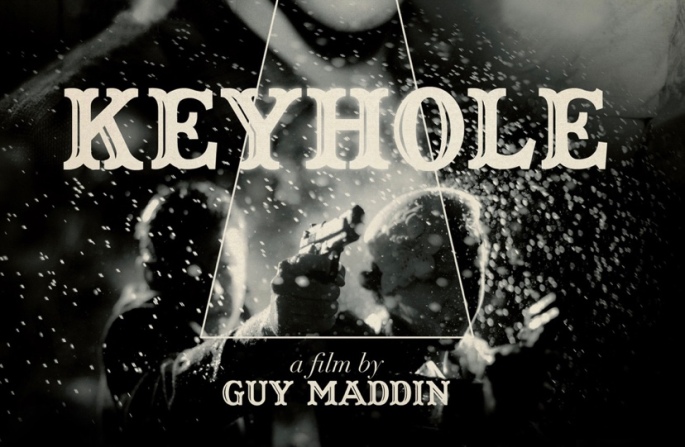
Guy Maddin’s Keyhole

What comes to mind when you think about films set in a haunted house? I promise you that nothing in your set expectations or perceived notions of the genre can prepare you for Guy Maddin’s Keyhole. “I’m only a ghost, but a ghost isn’t nothing” observes ethereal 1930’s gangster Ulysses Pick (Jason Patric). He isn’t kidding. From the moment he and his gang evade the coppers in a sketchy, raggedly edited shootout and find themselves ensconced in his eerie childhood home, it becomes clear that that this ain’t your average family reunion, character study, ghost story, noir homage or even experimental film.

Ulysses and his gang find themselves trapped in an ever changing tangle of hallways, rooms, alcoves and hazily lit interior enclaves, the probing beams of police searchlights casting an otherworldly glow on their ordeal. Upstairs the spirits of his wife Hyacinth (Isabella Rossellini), sons and spooky grandfather (Louis Negan) languish in eerie solitude and await his arrival. His goons mess about, try their hand at interior decorating and construct a weird homemade electric chair trap thing. A Doctor (Udo Kier, remarkably low key) arrives from outside the house to treat a mysterious drowned girl (Brook Palsson) who has come back to life and unsettlingly wanders about in a daze. This is of course the plot described literally, but such an endeavour is redundant here, as apparently is for Maddin territory in general from what I hear.

This is the first Maddin film I’ve seen, I’m embarrassed to say, but I am now completely in love with his artistic sensibilities and can’t wait to check out some more. Although surrealist art films are definitely my thing not all of them speak to me or reach out in a way I can process and absorb, but this one drew me right in the way David Lynch’s work does, an obvious comparison but a reasonable one to make. I always try and search out films that successfully replicate the atmosphere of being inside a dream, or what that subjectively means for me. I’ve always been fascinated by the subject of Dreams and artists struggle to bring them to life, no matter the medium. It’s not easy to do and simply can’t be approached from a traditional narrative or stylistic standpoint, but for Maddin it disarmingly seems like second nature, like he’s right at home in the surreal to a point where his characters don’t even bat an eyelash when shit gets weird, it’s just par for the course. Patric is chilling, hilarious, deadpan, gruff and bewildered as Ulysses, whose entire life seems to be contained in this manor, in no easily discernible order either mind you. Characters flit in and out of scenes with little to no introduction, phantoms loiter in hallways wailing to the ether, people’s identities shift mid scene and the dialogue seems to be untethered somewhere between logical scene construction and poetic meanderings. The sound design is full of hisses, hums, drones, cracks, whooshes and all manner of beautifully layered hullabaloo. Visually the film at first seems to bare its cards: rattling Tommy guns, angular French windows, antique interior design, buttoned down 30’s attire, the trappings of a classically inclined film noir. But once one settles into this world it feels anything but earthbound, there’s constant shift in perceptions, the walls seem to be stationary yet in motion, images are quickly intercut into scenes and the overall feeling is off kilter, eerie, bizarre and yes… exactly what it feels like to be deep within a dark, disorienting dream. It’s Ulysses’s dream though, told by Maddin in a fashion that has no interests in holding your hand, tucking you in, reading a bedtime story or explaining just what’s going on. It simply tosses you into this realm and invites you to observe, feel and intuit without logical deduction, and viewers will either be responsive or find it cold. I think it’s something of a masterpiece.

-Nate Hill

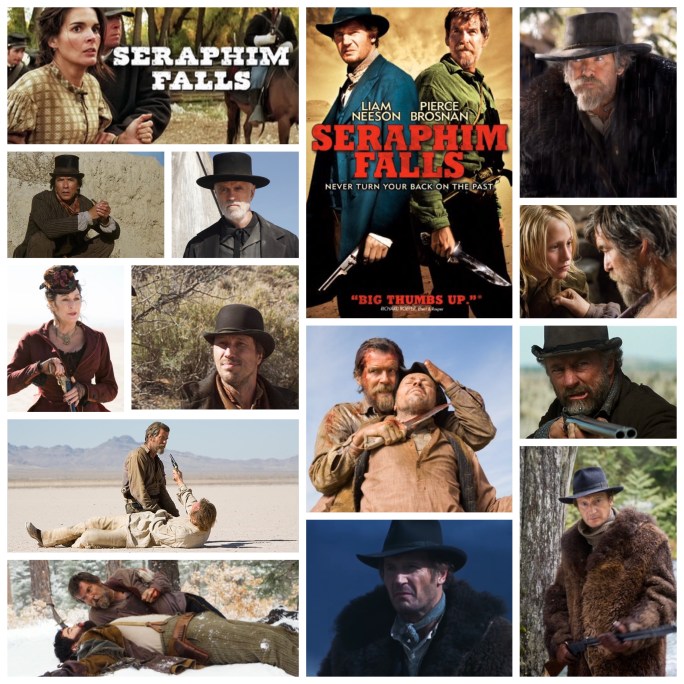
David Von Ancken’s Seraphim Falls

Liam Neeson ruthlessly pursuing Pierce Brosnan across an unforgiving post civil war US landscape, from snowy peaks to vast plains to acrid deserts and all the midlands in between. David Von Ancken’s Seraphim Falls is a stunning, folklore inspired tale of revenge, burning guilt, wayward ambitions and the joyless act of the hunt, portrayed not as thrill here but more as grim duty.

Brosnan is Gideon, an ex General now on the run from Carver (Neeson), another high ranking soldier who harbours deep hatred and rage against him for reasons the film wisely keeps to its chest until the last few minutes. This allows us to form our own picture of each man that is cultivated by each passing deed, and the labels of bad and good, hero and villain need not apply, which is how stories should be told anyways. They both appear to be good men in some instances, and both hardened killers in others. The film starts off in the snowy northern mountains, moves below to hills, valleys and ranches, continues on to the river lands and finally winds up in a scorching desert where the final revelations are laid bare and each man must make a choice. Von Ancken gives this story an almost biblical tone, from the Dante-esque journey from one specific natural setting to the next to the appearance of several key characters that seem to have supernatural undercurrents including a lone First Nations man (Wes Studi) who mysteriously guards a watering hole to a strange medicine lady (Anjelica Huston) who appears in the desert as if a phantom.

Neeson and Brosnan are phenomenal here. Liam lets the sickness of revenge spill out in his behaviour, that of a man with tunnel vision and no hesitations on letting anyone in his way become collateral damage. Pierce is haunting as a man running from both his adversary and his past, scenes where he hides out in a farmhouse and interacts with a young boy are subtly heartbreaking when you finally see the big picture later on. He’s grizzled to hell too, and there’s nothing like watching him patch up a bullet wound on his own, frontier style. Von Ancken carefully chooses his cast with wonderful character actors and familiar faces like the awesome Michael Wincott as Neeson’s roughneck hired bounty hunter, Xander Berkeley, Ed Lauter, Kevin J. O’Connor, Angie Harmon, Jimmi Simpson, James Jordan and more. I’d like to think that this exists in the same western universe as Von Ancken’s AMC drama Hell On Wheels because Tom Noonan briefly shows up here as pretty much the same Minister character he went on to excellently portray in the show, which I thought was a nice touch. This is a mean, callous, relentlessly and graphically violent piece of filmmaking that throws nods to Eastwood films of the same ilk while subtly doing its own kind of mythic, folklore thing that thrums along under the main story arc for you to pick up on, if you’re tuned into it’s ever so slightly esoteric frequency. Great, underrated film.

-Nate Hill

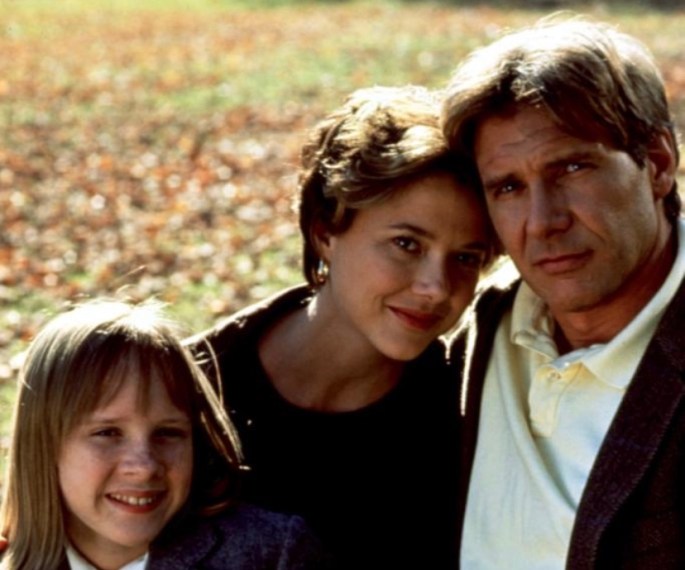
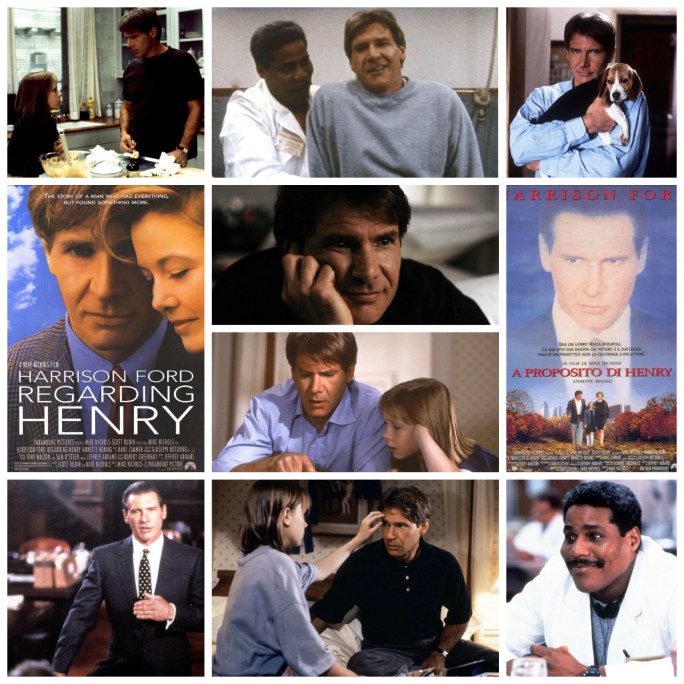
Mike Nichols’ Regarding Henry

I really love it when actors step outside their comfort zone and try something that they’re not traditionally known for, it’s a difficult and courageous thing to do. Harrison Ford is a square jawed, attractive, alpha type dude, from Han Solo to Rick Deckerd to Indiana Jones. Seeing him become utterly vulnerable for a film like Mike Nichols’ Regarding Henry is something wonderful and let’s you observe a quieter, gentler side of this iconic actor.

Ford is Henry here, a brash, egotistical slick lawyer who cons innocent clients out of their settlements to line the pockets of his firm, cheats on his wife (Annette Bening) and when asked to apologize to his daughter (Kamien Allen, sad eyed and soulful) for an outburst, manipulates the conversation to further blame her. One night he pops over to the convenience store and interrupts a robbery, after which the twitchy burglar (a very young John Leguizamo) shoots him twice. The wounds leave him fighting for his life and with permanent brain damage, re-learning how to speak, walk, eat and piece together his fragmented memories with the help of a kindly physical therapist (the great Bill Nunn in possibly his greatest performance).

This is the ultimate case of ‘my dad went out for a pack of smokes and never came back’ because in a sense he doesn’t. For his daughter the cruel, unsympathetic father she watched him become is now gone forever and in his place a man she doesn’t recognize but now relates to, cares for and in return gets love she never experienced before instead. Henry has all the faculties of a child or adolescent at first, forced to forge a new moral compass and and patch over the damage that he and his amoral boss (Donald Moffat, smarmy as ever) have wrought. Ford makes low key yet deeply affecting work of Henry, his eyes have a meditative observance and his voice a shaky, emotive timbre, qualities I find to be often wasted on hero roles without a ton of depth (see The Age Of Adaline for another terrific example of him being used properly). He actually gets to play a human here, one who goes through one of the most taxing experiences anyone could live through, and the colours Ford paints this performance with are something to see. This film gets ragged on and sure it can come across as a bit gloss, a bit ‘Heartstring Hollywood.’ That may be so in instances but at the core it really cares, truly examines this man and what makes him who he is, then slaps him with a factory reset and reimagines who he is all over again, and how he must reconcile with what came before. Great film in my opinion.

-Nate Hill

Actor’s Spotlight: Nate’s Top Ten Miguel Ferrer Performances

Miguel Ferrer was one of those instantly recognizable, charismatic, unconventional tough guys who could always brighten up a film, show or animated cartoon with his presence. Rocky voiced, sharp featured, incredibly intense when he wanted to be, he also had a gift for stinging deadpan comedy and the kind of line delivery that had you snap right up and pay attention, even if the project he was in wasn’t the most riveting thing. He’s no longer with us but his work will always be, and here are my top ten personal favourite performances!

10. Charlie Pope in David Marconi’s The Harvest

A rare lead role sees him as a washed up screenwriter drifting through Mexico looking for a story until he gets more than he bargained for. A mysterious femme fatale (Leilani Sarelle) beds him for the night and when he wakes up he’s missing a kidney. This is one sweaty nightmare of a thriller with a panicked, intense and irritable turn from Miguel, sly supporting work from Hollywood veteran Harvey Fierstein and a wicked sharp twist ending. Oh yeah and it features Miguel’s cousin George Clooney in his first onscreen role as a ‘lip synching transvestite.’

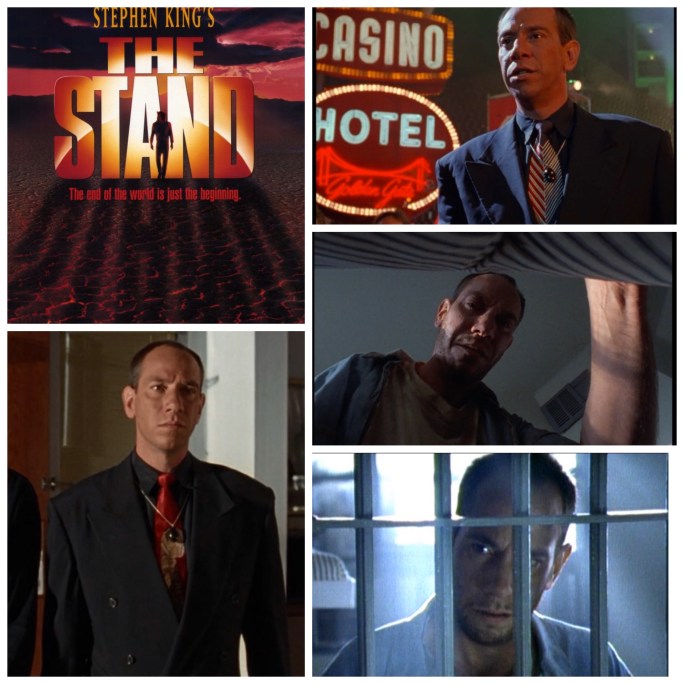
9. Lloyd Henreid in Stephen King’s The Stand

A petty criminal psychopath recruited by supernatural being Randall Flagg (Jamey Sheridan) to assist him in the coming apocalypse, Miguel lends a shrewd, cruel edge to this character and ends up frequently stealing this miniseries over the course of its mammoth six hour runtime.

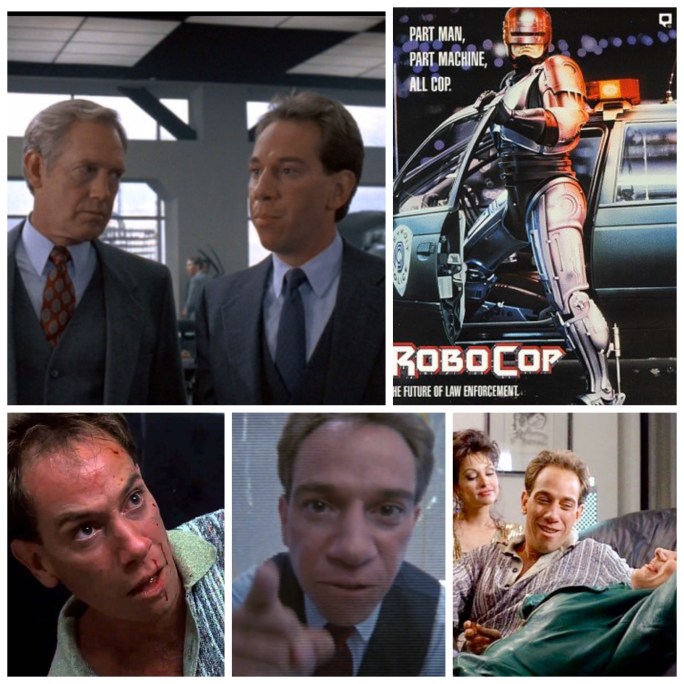
8. Bob Morton in Paul Verhoeven’s Robocop

The quintessential corporate shark, Morton pioneers the cutting edge Robocop program that revolutionizes law enforcement and then goes haywire. He lives to regret his work… and then doesn’t live at all. This guy is a dangerously ambitious, coke fuelled little spitfire and Ferrer plays him to the hilt. He’s said in interviews that this was one of his favourite projects he’s ever worked on during one of the happiest times in his life, and it’s evident. He’s having a terrific time onscreen and makes a wonderful addition to a legendary cast of characters.

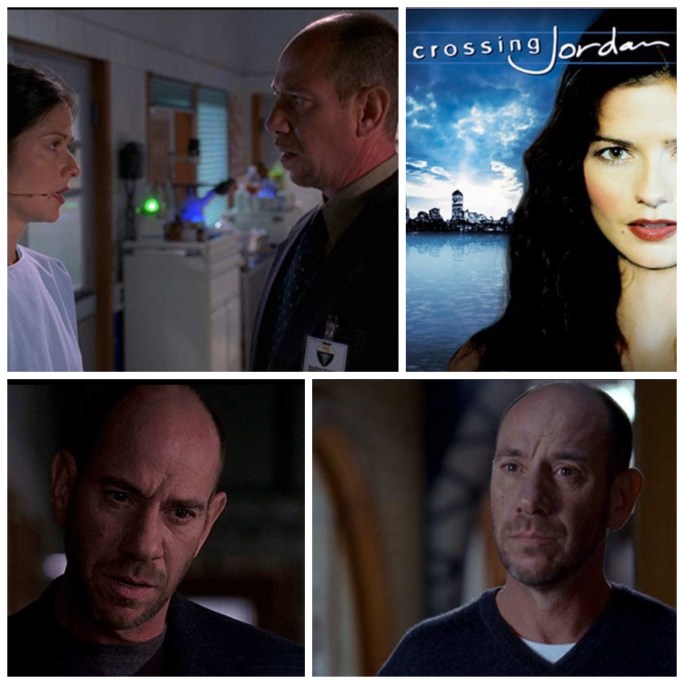
7. Dr. Garrett Macy in Crossing Jordan

His arc on this excellent medical drama is a long, rich one that I don’t remember every aspect of but he explores a flawed, self doubting chief examiner who has estranged family, a drinking problem and one big passion for jazz music. He’s also faced with frequently explaining the antics of feisty Jordan (Jill Hennessy), his most talented yet troubled staff member. Any network show is more than lucky to have him as a recurring character, and he lit this one up wonderfully with his presence.

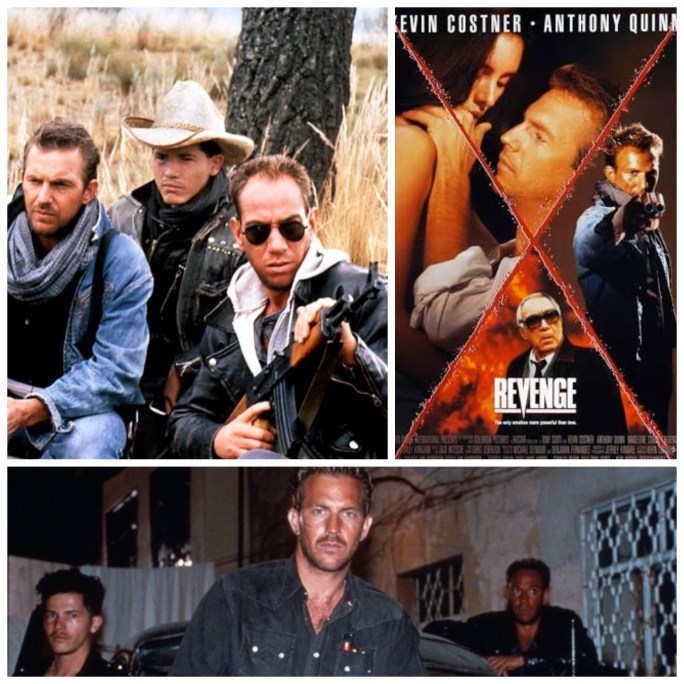
6. Amador in Tony Scott’s Revenge

Ex Navy pilot Kevin Costner faces off against ruthless Mexican gangster Anthony Quinn in this melodrama full of blood, sweat, bullets, tears and tequila. Miguel is a roughneck private mercenary who along with his brother (a very young John Leguizamo) helps Kevin out in training, shooting and overall badassery. It’s a solid supporting turn that paved the way for many gritty action antiheroes to come.

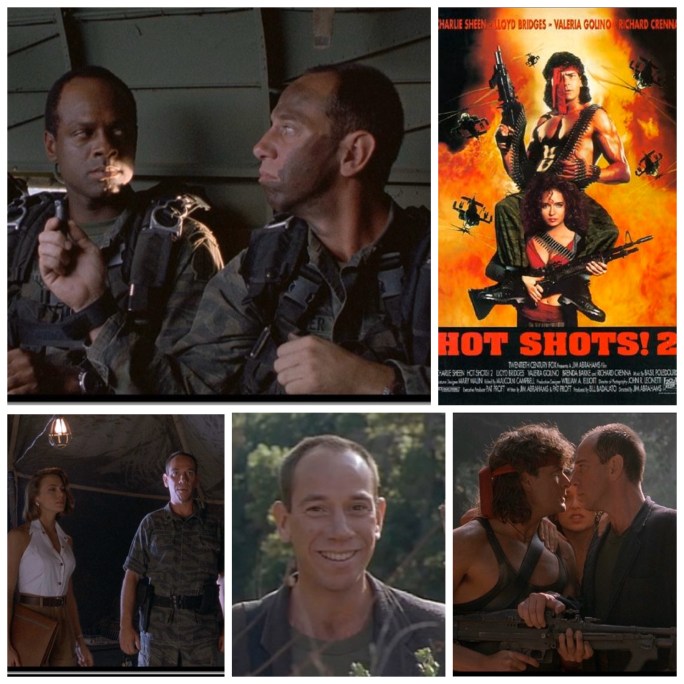
5. Harbinger in Jim Abrahams’ Hot Shots: Part Deux

Most likely the silliest film ever made, Miguel plays a special ops soldier who loses his nerve for combat until Charlie Sheen’s Rambo-lite coaxes him out of anxiety and prompts the all timer line: “War… its fantastic!!” This is him blowing off steam playing a parody of not only his brand of tough guy but the archetype in general, alongside Sheen who parodies the ultimate action hero.

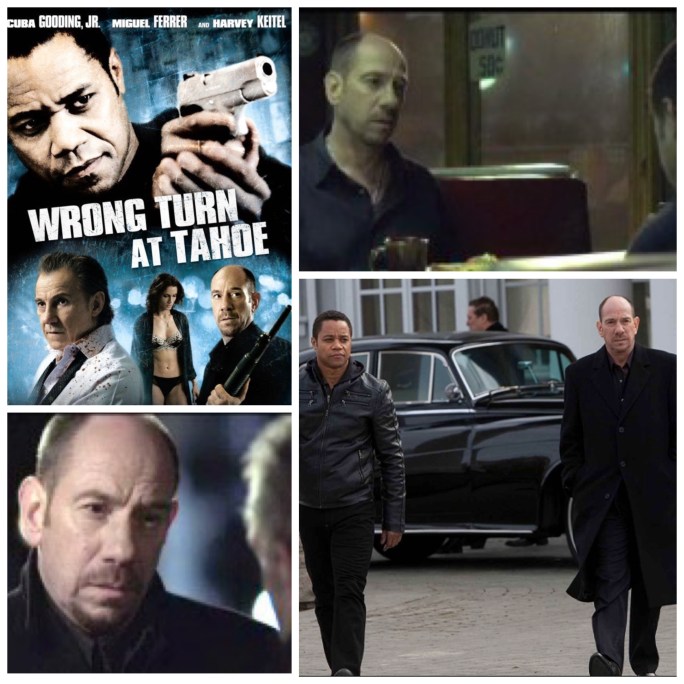
4. Vincent in Wrong Turn At Tahoe

This is one the multitude of direct to video Cuba Gooding Jr flicks, and is actually pretty damn good. Cuba plays enforcer to his vicious, volatile mob boss who finds himself at war with a much more powerful gangster kingpin (Harvey Keitel) over a brutal misunderstanding. The gunfights and tough talk are supported by terrific writing and a fierce sense of pride and morality in this grim, depressing tale. Miguel paints the themes wonderfully in his work and has palpable chemistry with Gooding.

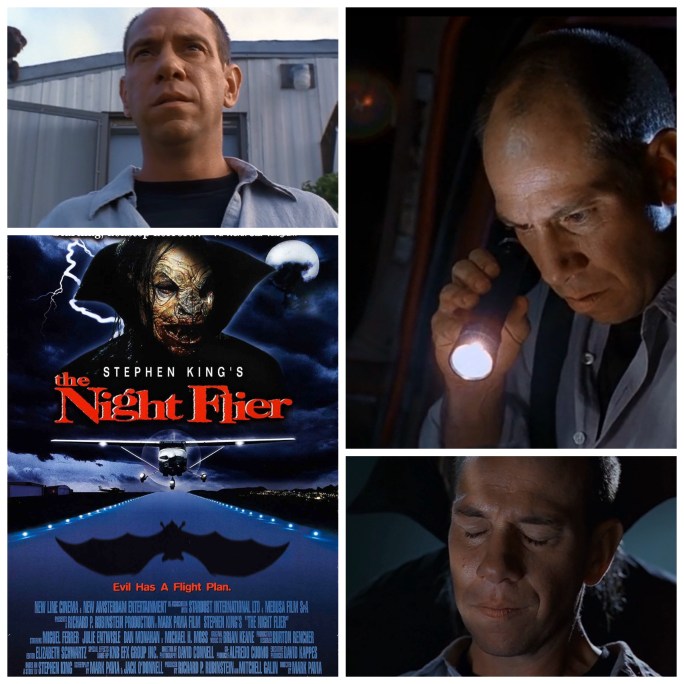
3. Richard Dees in Stephen King’s The Night Flier

One of the more obscure King adaptations out there, this HBO production features him as a snarky tabloid journalist who goes searching for the Night Flier, an urban myth about some freaky vampire dude who pilots a mysterious Cessna around the states at night, killing people. This is a classic ‘curiosity killed the cat’ flick about being careful what you wish for. He plays Dees as a seen it all cynic who discovers that he in fact has not seen it all and what’s out there could spell the last story for him.

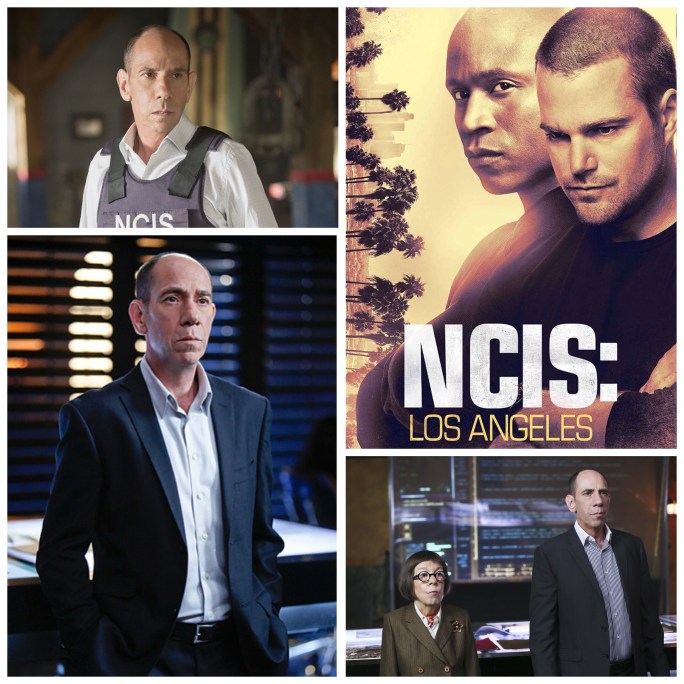
2. Owen Granger in NCIS: Los Angeles

This is the best of the NCIS volumes, thanks in no small part to his wonderful performance as Granger, a recurring senior operative in their ranks. Just to give you the kind of passion and commitment Miguel had in his work, here’s an excerpt of trivia regarding this role:

“Miguel Ferrer was so devoted to his role, he refused to take time off, even when diagnosed with cancer. When it started to affect his voice, his illness was written into the character as well. “

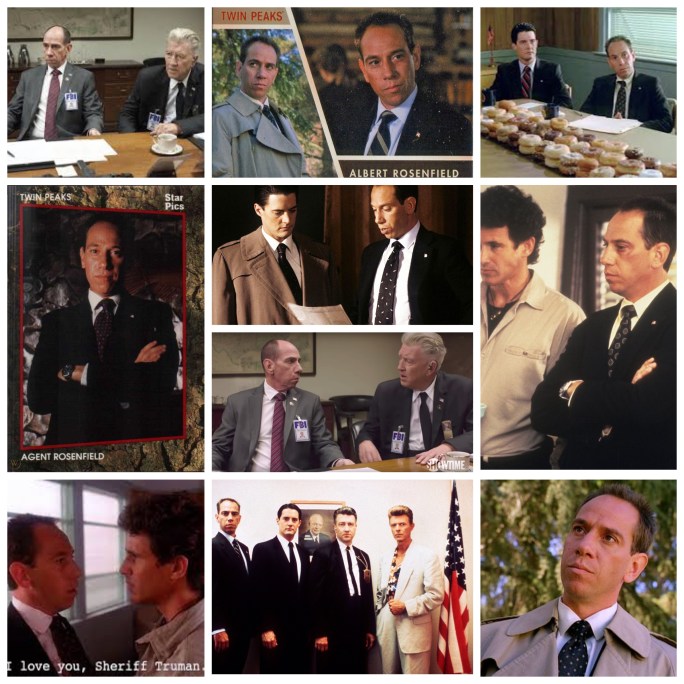
1. FBI Special Agent Albert Rosenfield in David Lynch’s Twin Peaks

Forensic genius, fierce pacifist and silver tongued devil, Albert is one of the most fascinating and magnetic characters in a near endless sea of cast members. Initially a belligerent, belittling asshole, he gradually warms up to the townsfolk and by the time his peculiar yet touching arc comes to a close he’s practically an honorary member of their community. A key part of the supernatural legacy, friend and confidante to Agent Dale Cooper (Kyle MaClachlan) and one of the most treasured, ultimately lovable characters in television history.

Thanks for reading and stay tuned for more!

-Nate Hill

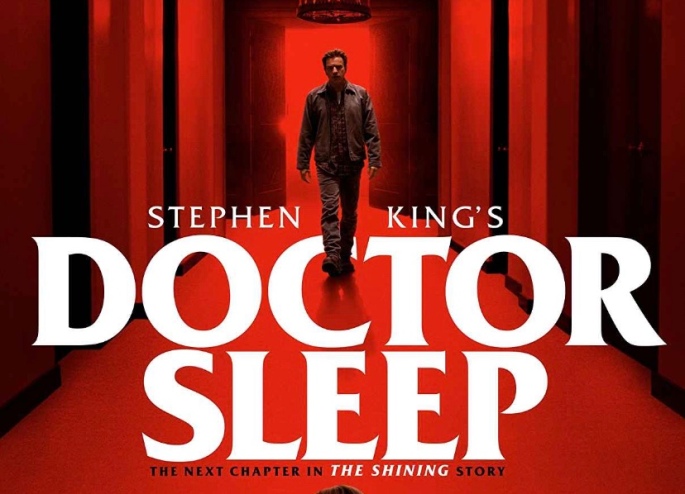
Mike Flanagan’s Doctor Sleep

I read a thing recently that Stephen King’s The Shining and Doctor Sleep, although two sides of the same coin, are very much in different places thematically. The Shining deals with isolation, confinement and madness whereas Doctor Sleep explores escape, pursuit and redemption. This could be the reason that I loved Mike Flanagan’s Doctor Sleep a lot more than I did Stanley Kubrick’s The Shining, which felt so much richer, wider in scope, ambition and rewarding in story. The Shining is a cold, hard and admittedly brilliant horror film but going from that aesthetic to Doctor Sleep is like holding your breath until you almost faint and then letting out one monumental exhale that feels a lot better than what came before. Sleep is the exhale, a flowing, horrific, cathartic and gorgeous dark jewel of a horror film that stands as loving homage to Kubrick’s film but just does so much more on a wider canvas.

Flanagan spends the first half of this story establishing setting, characters and history in economic yet leisurely fashion, as this runs for a delicious two and a half hours. Dan Torrence (Roger Dale Floyd) and his mom Wendy (Alex Essoe, not quite a dead ringer for Shelley Duvall but she finds her own essence and I liked her work) survived their nightmarish stay at the haunted Overlook Hotel and did their best to carry on with life. Fast forward all the way to 2011 and Dan is now a haggard looking and near homeless Ewan McGregor, bus hopping his way across the states and arriving in a small county to find help from AA and work at a hospice for dying elderly folks. Elsewhere, a roving band of vampiric creatures calling themselves The True Knot search for kids like Dan who possess the ‘Shine’, and consume it for sustenance. Also out there is young Abra (Kyliegh Curran), a girl with maybe the biggest reservoir of Shine within her and the power to defeat the Knot and their evil leader Rose The Hat (Rebecca Ferguson). This power struggle of course eventually leads them back to where Dan’s story originally began, the now derelict and rotting Overlook, fast asleep and waiting.

I loved this film. It’s so much more comprehensive and on fire than The Shining’s chilly aura gave us. Characters are sharply drawn, performances are wonderfully shaped and there are so many ideas, references and nods to the King Dark Tower multiverse that positively gave me chills. Ferguson is a tornado of pure malice as Rose The Hat, embodying shades of Stevie Nicks and playing this evil supernatural gypsy bitch to the absolute height of performance. Curran is a brilliant find as Abra, she radiates the resilience of this kid while clearly showing the fear, uncertainty and vulnerability of someone with such powers. McGregor is gruff and haunted as Dan, a casting choice that seems simultaneously out of left field and fitting like a glove. There are other familiar faces across this landscape including Cliff Curtis, Bruce Greenwood, Henry Thomas, Robert Longstreet, Zahn McLarnon and Carel Stryucken who we fondly remember as The Fireman from Twin Peaks and The Moonlight Man from Flanagan’s Gerald’s Game. Room’s Jacob Tremblay also shows up as an unfortunate young victim of The Knot who gets slaughtered in a sequence of raw evil that will send a shiver down spines en masse. At the heart of this story is compassion though; Dan, with the help of an adorable cat, eases numerous elderly folks across the threshold of death with kindness and these scenes affect overall and add warmth to his character, while hitting me on a deeply personal level given my experiences with such things this past year. He’s forced to go back and confront the evil that he prayed he’d never see again and it’s a strong ray of redemption, for him and his now dead father who fell victim to such horrors. There is a lot at work here, it blows this world right open and finds connective tissue to King’s universe where Kubrick kept things close to the chest and contained. One of the best horror films, King adaptations and pieces of storytelling I’ve seen in some time.

-Nate Hill

Bill Forsyth’s Local Hero

If you’ve never seen Bill Forsyth’s Local Hero, drop whatever plans you have this evening and get on it. This is a curious one to review because no description could adequately impart its exact timbre. A hangout film, a low key culture clash dramedy, but more than anything specific or definable it’s just about a few Americans, a few Scots and one hard drinking Russian chilling out together in a small coastal village somewhere in Scotland.

Director Forsyth doesn’t so much construct a thought out script to screen here as he does take an anthropologist’s eye in telling the tale of an American oil conglomerate who sends their top fixer (Peter Riegart) to a small beach community in Scotland with hopes of buying up much of the coastline for an incoming refinery project. This would of course make the townspeople very rich, yet on the other hand take away their homes that have been in the family for generations and leave the natural environment bleeding. This isn’t so much an ‘us vs. them’ thing or any kind of struggle in any way though. Riegart (who is a fascinating dude and who I can only recall in two other projects, the cop opposite Jim Carrey in The Mask and a tiny cameo in Steven Soderbergh’s Traffic) and his aloof assistant (Peter Capaldi) simply blend into the local scenery, chill out and get to know these folk on a naturalistic, believable scale of behaviour. Making friends with the local innkeeper (Dennis Lawson) who doubles as the town accountant and pretty much mayor too, singing songs, talking philosophy to the stars and basically unwinding. The oil company’s CEO (Burt Lancaster) has hilariously little interest in developing a refinery and would much rather sit on the beach with a telescope observing the heavens.

Films this subtly pleasant grow on you and are honestly a balm for the soul, an oasis for perception to vacation in for an hour or so when things can get rough, which for the past year has basically been the story of my life. Forsyth sees these people as not just characters in a script, there to serve story, but just that: people, human beings. Riegart’s oil man is nothing like the brash, cocky big city slicker that some filmmakers would have turned him into. He’s gentle, open to new experiences and ultimately in awe of the way of life he finds in this community. The townsfolk aren’t hostile, protective or scornful of him again like some films would paint them, they’re quaint, wrapped up in their elegiac daily rumination and see him simply as another dude they can have a pint with at the end of the day. I love and admire artists who have what they takes to make a film stocked with actual people instead of cardboard characters, and you don’t see that all the time. A wonderfully eccentric microcosm of two factions of society and not so much how they clash, but more how they cordially find themselves in the same place by circumstance and simply make the most out of it. Great film.

-Nate Hill