Lunch with Immortan Joe by Kent Hill

978

635674753658762734-GTY-472515634-72883568

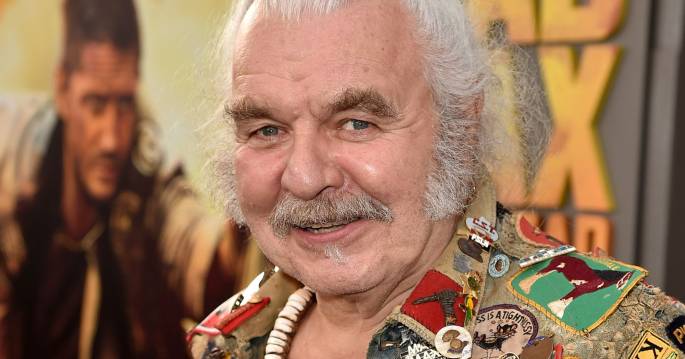
Dolly Parton once said, “If your actions create a legacy that inspires others to dream, learn more, do more and become more, then, you are an excellent leader.” I like to muse that this was going through the mind of my distinguished guest and Ozploitation luminary, Hugh Keays-Byrne. And my reason behind this thinking – even though, for all intents and purposes, the characters he has brought to our screens for decades have been seen as pure, cold-hearted villains – turns out, we’ve all been wrong.

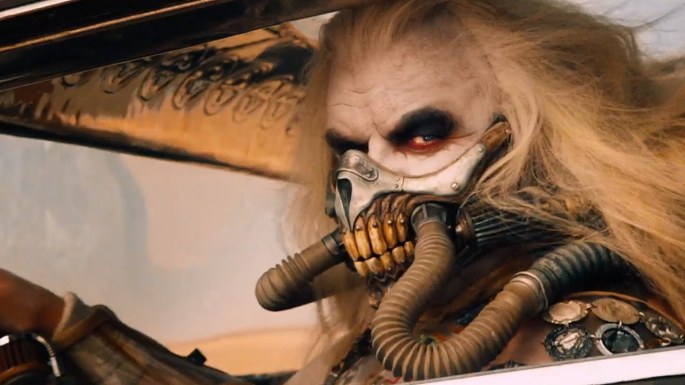
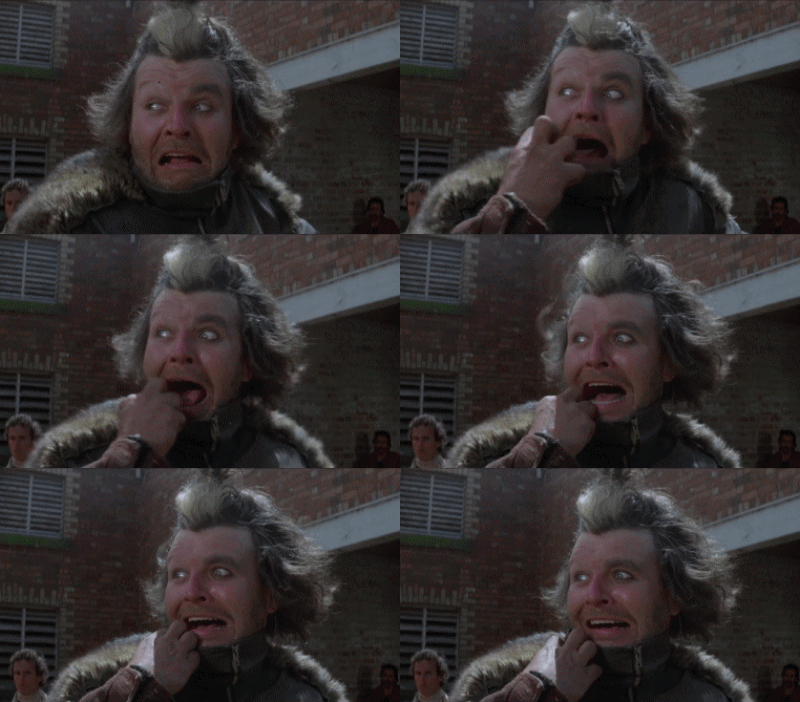
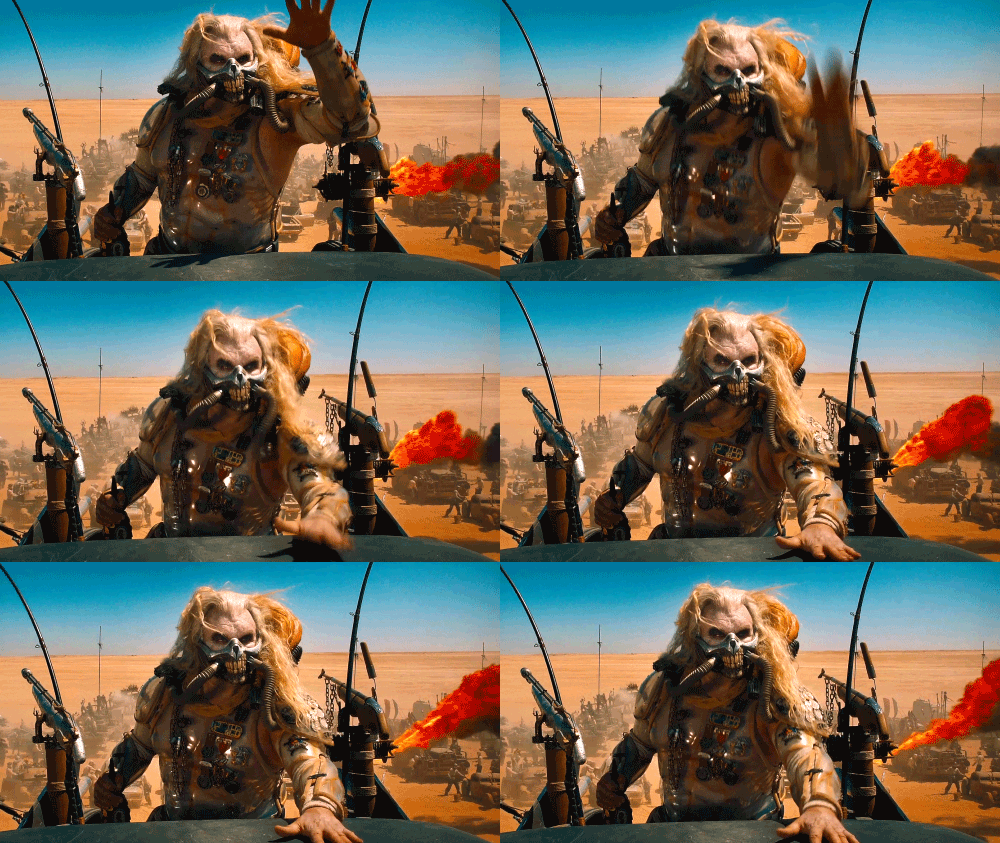
Toad (Stone), William Whopper (Secret Valley), Toecutter (Mad Max), and the divine one, all shiny and chrome, Immortan Joe (Mad Max: Fury Road) are not the boogeymen society would have you believe. No folks, they are progressives, forward-thinkers. They see the big picture, they are thinking about future generations, not the pesky problems of the current cloud of mayhem.

But let’s face it people – bad dudes are more fun. And our Hugh is one of cinema history’s ultimate bad (though secretly underappreciated visionary with people’s best interests in mind) dude. Born the same year, in fact two days before my Dad, in India, Hugh returned the homeland of his parents, England, where he not only completed his education but also found his way into The Royal Shakespeare Company, and it was in one of their productions that he found his way here, to the great southern land – and here he stayed.

Continuing as he had also been in Britain, prior to his Shakespearean exodus, he appeared on local television productions till along came the ultimate auteur-ozploitation picture in the form of Sandy Harbutt’s STONE. Keays-Byrne would transform into the iconic Toad. But ladies and boys, this filmography is a little bit like a classic rock radio station, because the hits, just keep on coming. He shared a cab ride and a request for narcotics with the Easy Rider, he’s tasted THE BLOOD OF HEROES (while saluting the Juggers), he’s shared the landscape with FARSCAPE and very nearly was the Martian Manhunter for Dr. George’s Justice League. Sure, sure. It might have been groovy. But he will be remembered in the halls of Valhalla as the electrifying good guy of Miller’s indelible imprint on the art of the motion picture when he became the Toecutter in a little movie headlined by a guy named Mel.

Recently, Mad Max: Fury Road has back in popular discussion. It is topping lists as one, if not the penultimate action film OF ALL TIME! That’s right, I said ALL TIME. Now – these may be mere lists on the internet – no shortage of those right – but truth be told, Miller literally, all these years after THE ROAD WARRIOR  (or Mad Max 2, as we like to call it), has reignited the same fire that he started way back when. Fury Road is as much a cultural monolith as it is action-film opus.

It has been a long time between lunches here in my little corner of cinematic nirvana. Last time I had lunch it was with The Equalizer himself, (and another Aussie cinema legend) Richard Norton. So, it is with great pride that I get to enjoy another lunch break with you dear PTS listeners – lunch with the merciful and compassionate Immortan Joe…
jVgOCQx

OH WHAT A DAY, WHAT A LOVELY DAY!!!


Remembering Robin Williams: Nate’s Top Ten Performances

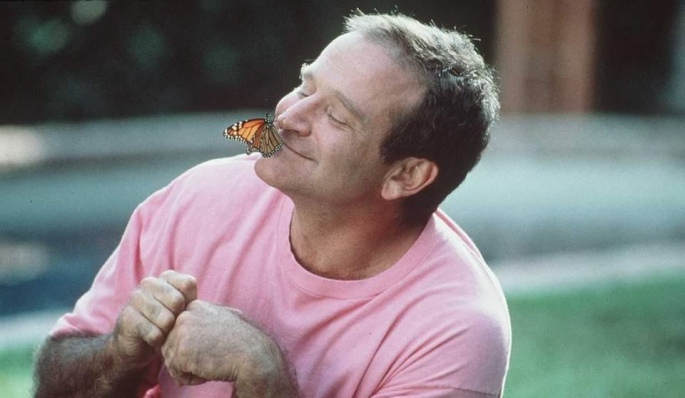
Robin Williams left us five years ago this week, and out of all the celebrities, actors and entertainers who have passed on, his absence is still the one I feel most. So what made him so special? For me it was the way he could cut so deep in both serious and comic performances. When he showed up in the room the energy turned light and carefree as the zany, untethered forces of his improvisation and imagination took over like a gentle breeze. Then when it was time to rein it in for a more serious, introspective scene he would be less effervescent but the light in his eyes wouldn’t dim, the focus wouldn’t falter and he’d demonstrate his equally brilliant talent for heartbreaking drama as well. He could carry an entire film on his own, light up a supporting role and even make a cameo glimmer through to become memorable. In looking back I’d like to highlight the ten performances that are most personal, most memorable and mean the most to me as someone who grew up watching him on the TV all the time, idolized and loved him dearly. Enjoy!

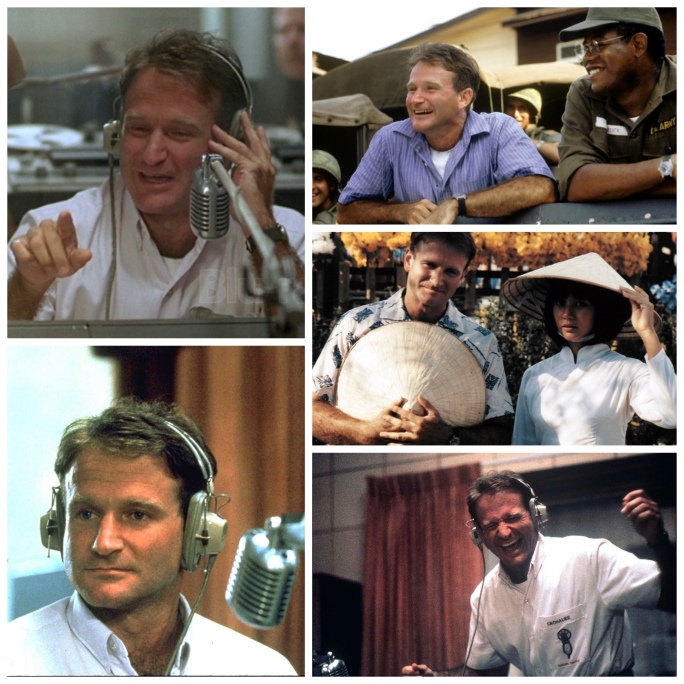
10. Adrian Cronauer in Barry Levinson’s Good Morning Viet Nam

No other scenario requires a much needed sense of humour like the fog of war, but Williams’s rebellious spirit isn’t received well by the brass in Nam, yet he makes it clear that a good dose of verbal comedy is exactly what the airwaves need in this case. It’s a no holds barred performance with some touching emotional notes and plenty of slotted time to let loose behind a radio DJ’s mic.

9. Walter Finch in Christopher Nolan’s Insomnia

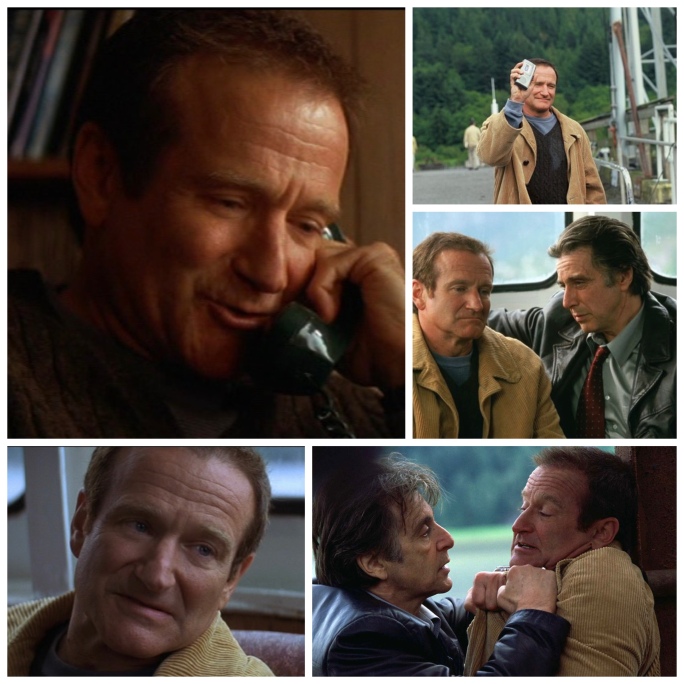
Cast against type as the freaky villain of Nolan’s chilly murder mystery, he channels a Stephen King style energy in playing a slippery antagonist set against Alaska’s grey skies and at odds with Al Pacino’s sharp but distraught homicide cop. Williams is somehow constantly likeable yet creepy in a way you can’t quite put your finger on until the third act rolls around and he really lets it rip.

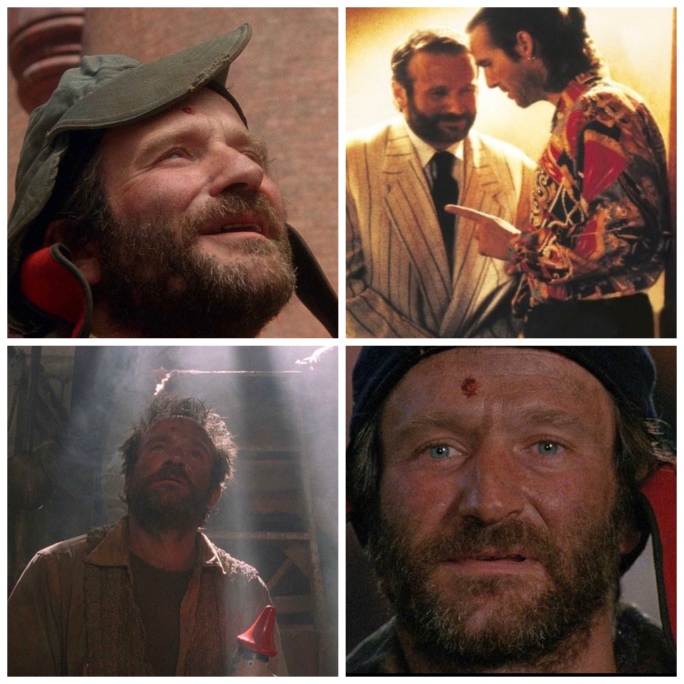
8. Parry in Terry Gilliam’s The Fisher King

Mental illness gets a ballistic but tender portrayal in Gilliam’s urban fantasy that sees Robin as a former professor of medieval history who loses his mind following a tragedy. Surreal production design helps his work flow but the raw potency is all his in a performance that brings down the house, brings out the best in both Gilliam and Jeff Bridges and shows how a mind broken isn’t necessarily one lost forever.

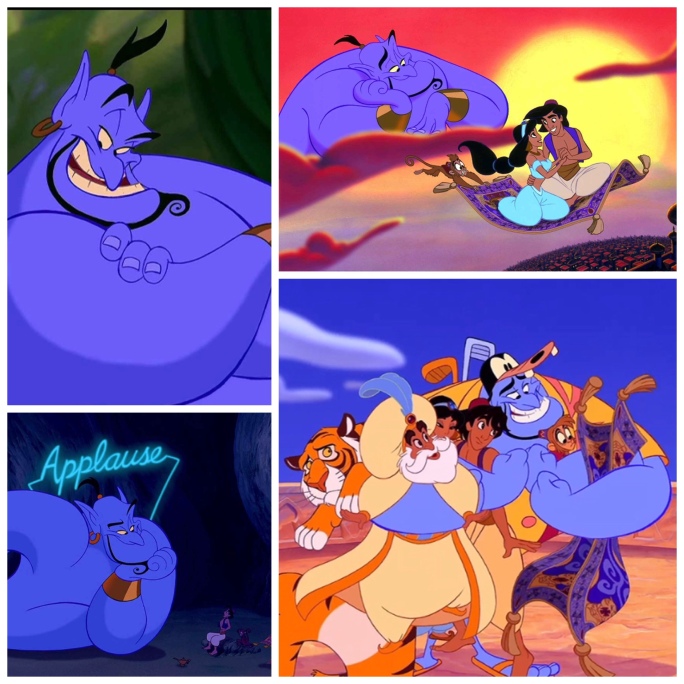
7. The Genie in Disney’s Aladdin

I’m pretty sure all of the Genie’s dialogue wasn’t even scripted off the bat, I think they just sat Williams down in front of a voiceover mic each morning, gave him a general outline and then slowly backed away out of the room to observe the magic happen. The result is a nostalgic blast of a vocal performance that so many hold dear and one of the most quotable Disney characters of all time.

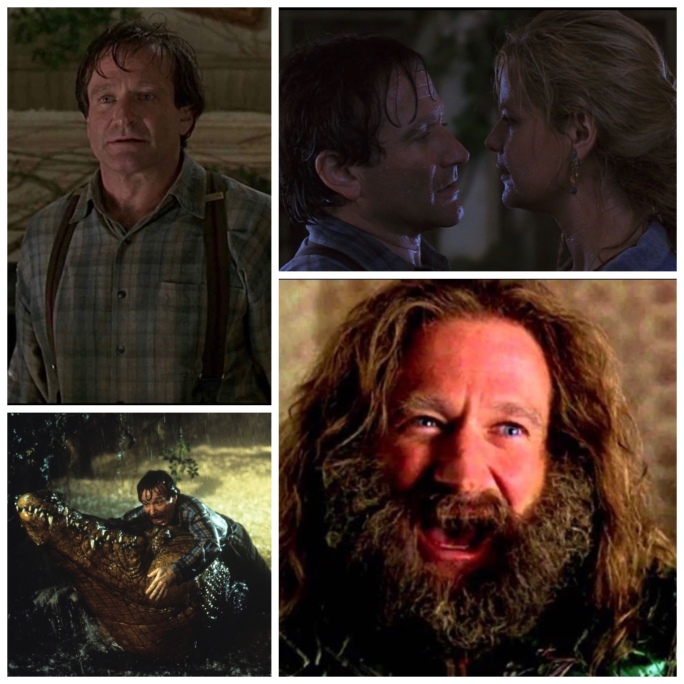
6. Alan Parrish in Joe Johnston’s Jumanji

Infusing childlike wonder is something he was always good at, and it served well here in playing a guy who has been trapped inside a deadly jungle themed board game since he was a kid. His chemistry with Bonnie Hunt is funny and touching, his feral mania upon being finally released from the game into 90’s suburbia is hilarious and the interaction with young Kirsten Dunst and Bradley Pierce makes for a dynamic character that I always love to revisit.

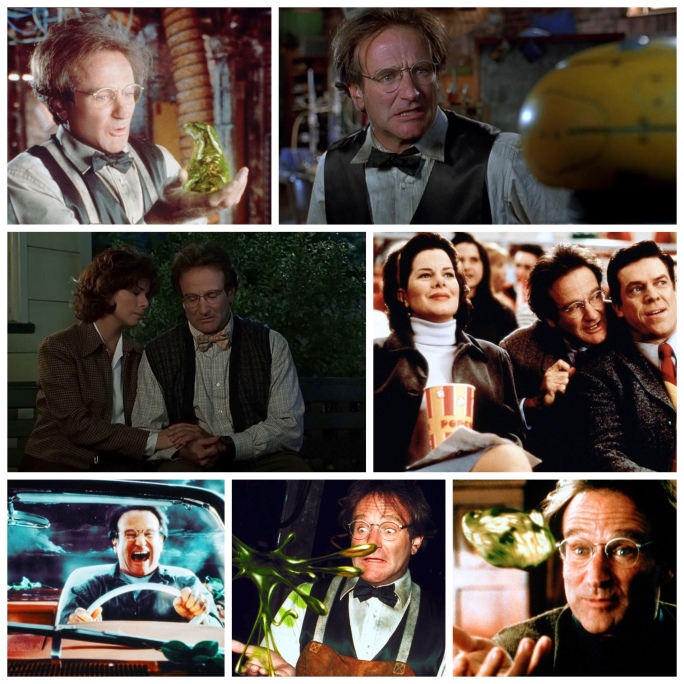
5. Philip Brainard in Disney’s Flubber

Williams plays an incarnation of the absent minded professor archetype in Disney’s unfairly dismissed comedy. In a film whose star is a rambunctious pile of ever morphing charismatic green goo, trust Williams to defy that description and upstage the Flubber itself with his own wild, inspired performance. But he also gets surprisingly deep when lamenting: “I’ve spent my whole life out there trying to figure how the world works when I should have been trying to figure out *why* it works..” it’s a disarming line to hear him intone in a heartfelt manner from a Disney film, but that’s why I love this one so much.

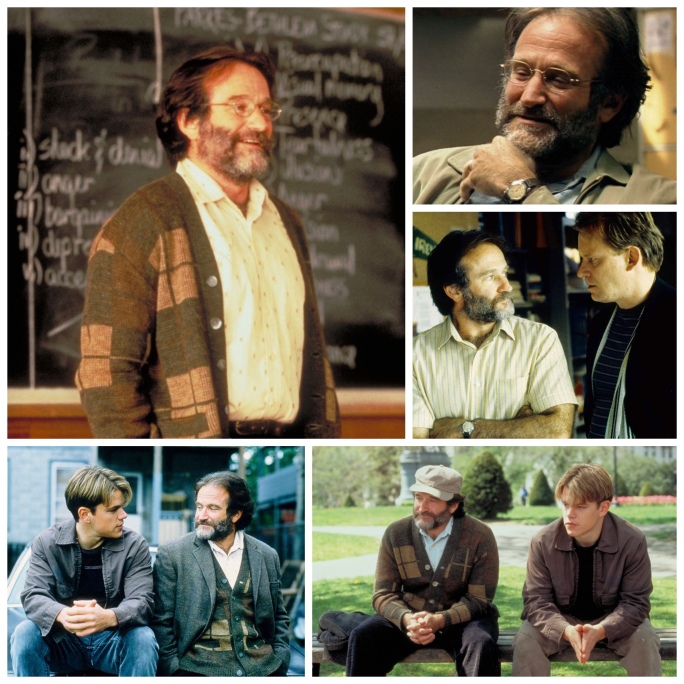
4. Sean Maguire in Gus Van Sant’s Good Will Hunting

Mentor, friend and advisor to Matt Damon’s prodigal kid, Williams imparts wisdom in clear eyed fashion here as an extremely down to earth fellow faced with an extraordinary situation. His mid film monologue to Damon won him a best supporting Oscar, but the moment that captures this character’s spirit most beautifully is when he wistfully remembers his wife who passed away, and injects some humour into the conversation that was purely Robin’s improvisation and as a result hits the scene home.

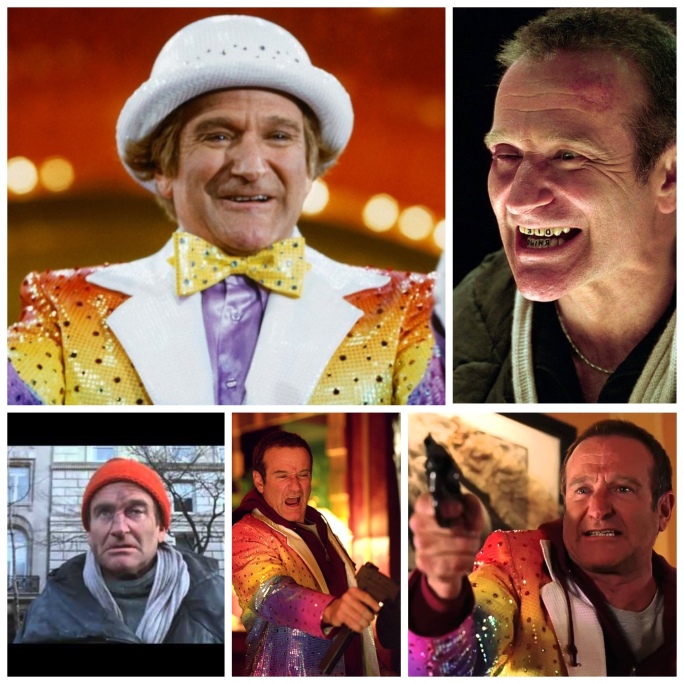
3. Rainbow Randolph in Danny Devito’s Death To Smoochy

Devito’s venomous farce of children’s media is a criminally undervalued and quite terrific film, and Williams goes into full on nut-bar mode as a disgraced kiddie show host who never should have been let on the air to begin with. Trying to kill Edward Norton’s beloved rhino Smoochy in between bouts of rage, flagrant insecurity and maniacal mood swings, it’s an incredibly ballsy, thoroughly R rated and absolutely hysterical piece of black comedy performance art not to be missed.

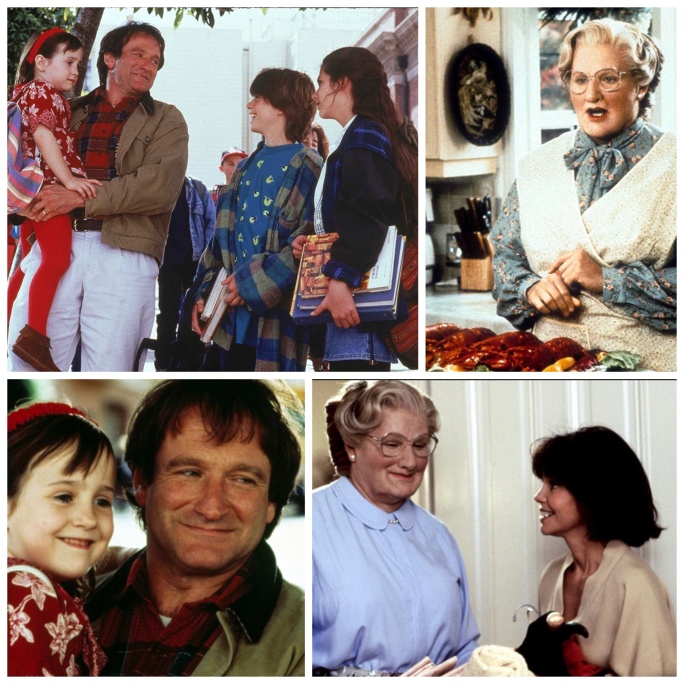
2. Daniel Hillard/Mrs. Doubtfire in Chris Columbus’s Mrs. Doubtfire

The lengths that loving father Williams goes to in order to see the children he lost custody of here would be horror movie material in any other actor’s hands, but because Robin was so adept at both wacky innovation, disguises and genuine heartfelt explanations for such behaviour, the result is both magical and realistic. The restaurant scene alone is time capsule worthy, in which Hillard has to multitask and hop in and out of the Mrs. Doubtfire suit rapid fire to both have a family dinner and entertain a scotch swilling TV exec (Robert Prosky).

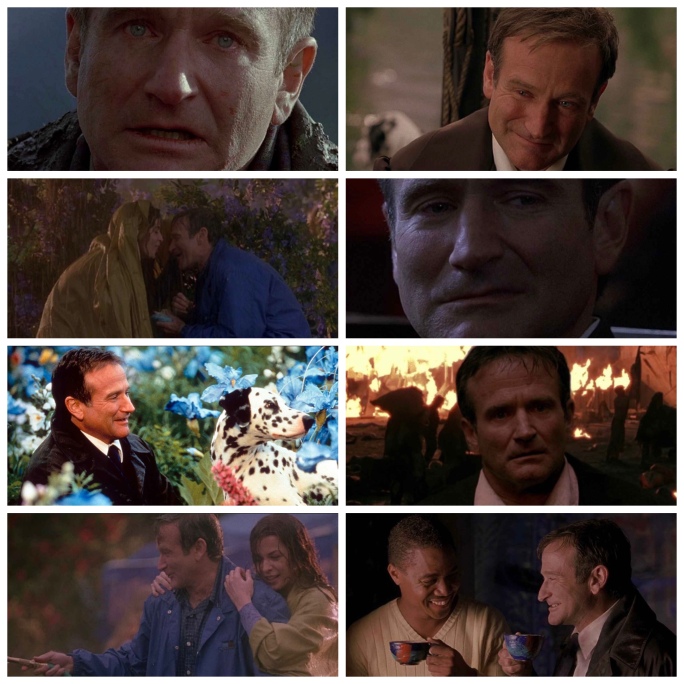
1. Chris Nielsen in Vincent Ward’s What Dreams May Come

A gorgeous fantasy film showcases Robin in his most deeply felt and affecting performance as a man who has lost everything including his own life. He ventures out across the afterlife through heaven, hell and beyond to find his wife and soulmate (Annabella Sciorra) and save her. Williams portrays celestial determination like no other and a fierce, passionate love for her that shines like a beacon through realms of the astral plane and lights up the film in the process.

Thanks for reading! I hope you all enjoy and hold Robin’s work as dear as I do, and have enjoyed my thoughts here.

-Nate Hill

Sam Shepard’s Silent Tongue

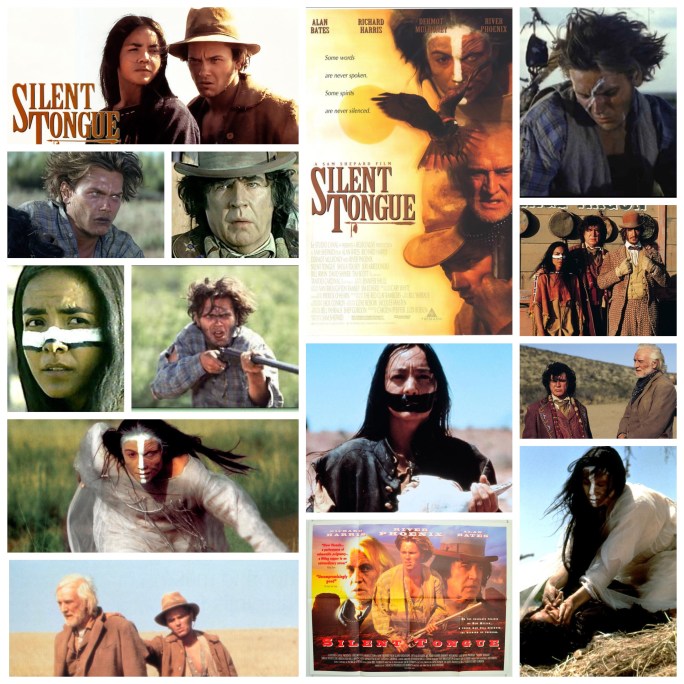
Sam Shepherd’s Silent Tongue is a bizarre one. The writer/director is usually in succinct, assured control of his art but here he kinds of makes a mess in the sandbox, literally since this is set in the deserts of the American Southwest. There are some outright fantastic ideas at play here and scenes of striking beauty and chilling poetic morbidity, but the narrative isn’t fixed together solidly enough and much of it is lost on the viewer in a hail of haphazard scenes and a story that barrels along with scant exposition, a complaint that you will rarely, if ever hear from me, but here we are.

This is River Phoenix’s last film before an untimely passing, and it finds him sitting half crazed out on the frontier, grieving the death of his halfbreed Kiowa wife Awbonnie (Sheila Tousey), who perished during childbirth. He’s an already slow kid who is driven positively mad by this tragedy, and sits there with her corpse on a makeshift alter howling at the moon and brandishing a giant rifle at anyone and anything who comes near them. Because of his refusal to give her proper burial rights, she comes back as a vengeful, spooky ghost to harass and haunt him, something like a desert legend crossed with a spectral Kabuki costume. Elsewhere the boy’s distraught father (Richard Harris) returns to the dusty travelling circus where he bought Awbonnie in hopes of purchasing her twin sister Velada (Jeri Arredondo) to console his son out there on the plains. The circus owner and father of the two (Alan Bates) is less than cooperative when he learns of his first child’s passing and his son (Dermot Mulroney) is downright hostile. Seeing no other option, Harris kidnaps the girl and high tails it for the desert enclave where Phoenix sits and Awbonnie roams around like a lost soul tormenting him.

This isn’t a pretty boy western, a shoot em up or a cowboy picture, it’s a gnarly, fucked up frontier horror story populated by strange people and punctuated by odd, supernatural occurrences and disturbing flashbacks involving the mother of the two Kiowa girls (Tantoo Cardinal), who is called Silent Tongue for a very specific and unsettling reason. Phoenix is convincingly unhinged and plays the horror well, Harris is weary and understated, while Mulroney seems miscast and stumbles over the articulate western dialogue. It’s Bates who takes the cake though as the constantly drunk circus owner who has to face his past out there on the plains, he practically fills up the whole runtime with his ranting and raving, it’s a wonder he could sustain that level of mania for an entire performance. Tousey is intense and elemental as the ghost, adorned in eerie makeup and face paint and spewing out freaky threats in a guttural voice. Shepherd tries his best to anchor everything in symbolism and provide a story that makes sense, but it simply gets lost in a muddle and ends up making little emotional impact, which is kind of unforgivable because this story technically *does* make sense when you work it out in your head and *should* make a landing like that. I’m not usually one for remakes but this one practically begs for it because the story and ideas are so beautiful and full of potential, but the execution turned into kind of an inconsequential shit show. Shame. Great score by Patrick O’Hearn though.

-Nate Hill

THE RIDER

The Rider poster

“Cowboy up,” they say. It is a call to “play” through the pain. We’ve all heard it, in other sports (and sometimes war) movies, some of us in real life. Sometimes it comes out “man up,” or “toughen up,” or “walk it off,” or probably dozens of other variations. In Chloe Zhao’s THE RIDER Brady Blackburn (played by Brady Jandreau in basically his life story) faces the biggest “cowboy up” of his young life. A rodeo rider who suffers a near fatal accident when a horse crushes his head, Brady must decide whether to continue to follow his dream, to “cowboy up” despite the seriousness of his injury, or to take the advice of his doctors, not to mention the wishes of his father and sister (played by Jandreau’s real life father and sister), and retire from rodeo riding and horse training forever.

The stage is set for innumerable sports movie cliches, but Zhao has no interest in pursuing a straight forward sports film so when the moments arise where cliche would seem primed to take over, she sidesteps them with naturalness and authenticity. An early example of this comes when Brady’s friends (played again by the real life people), wake him up to go to the desert for a bonfire and male bonding. This is the first time any of them has seen his injury. They are all stunned by its appearance and try to give Brady the requisite hard time, but instead of succumbing to that pressure, which is what most sports films would have him do, he doesn’t even run with them when they are goofing around and call for him to join. Later, sitting around the fire, a friend tries, with little enthusiasm, to play the “cowboy up” card as they all tell stories about various injuries. They know that this situation is different though. They don’t say it but it’s on all their faces. Brady’s puts it simply when he states, “the brain is a lot different than ribs.”

What follows is a thoughtful, quiet film about one man’s journey to come to terms with drastic change and the loss of a dream. One of the side effects of Brady’s injury are,  he learns later, a series of seizures, of which the main visual symptom is a clenching of his fist and an inability to release it. He literally has to pry his fingers apart. It is as good a metaphor as I can imagine for Brady’s situation; his passion for rodeo is so all encompassing, so much a part of who he is, he simply can’t let go. He must suffer setbacks born of his stubborness and love before he can see the truth of his new life. A great help in realizing this comes from his best friend Lane Scott (also playing himself), who also suffered a near fatal injury, one that has left him partially paralized and unable to speak. The two communicated by sign language when Brady visit the facility where Lane lives and receives treatment.

It is clear that Zhao has a special touch with non-actors (I’ve since seen her debut feature, SONGS MY BROTHERS TAUGHT ME, a film about life on an Native American reservation and it is equally moving and adept at using non-actors) and the complex interplay between fictionalization and reality. At any moment a film of this kind is in danger of becoming too much a documentary or exaggerating or embellishing reality to the point of detrimental distortion. Zhao never falters. When she needs moments of reality like the aforementioned campfire scene or the visits with Lane, she intuits the natural power of these moments and doesn’t intrude with the camera but steps back and lets that power speak for itself. Conversely, when the film demands beauty in order to crystallize for us what it is that these young men love about their way of life, she creates that beauty effortlessly with classic western vistas, confident handheld work, and a way of shooting faces and reactions that allows her characters to be quiet and contemplative. I was reminded on more than one occasion of one of my favorite filmmakers, Werner Herzog, perhaps the reigning king of blurring the lines between reality and fiction. Zhao has tapped into his search for “ecstatic truth” and come away with two amazingly graceful films. 

Next up for Zhao? Marvel of course. That’s not a typo. Zhao is currently filming  THE ETERNALS , the second film (after BLACK WIDOW) in phase four of the MCU. I can’t imagine what Zhao’s going to bring. To go from no budget, non actor, on location films to working with some of the biggest names in Hollywood with a Disney budget, on stages and in front of a green-screen, it seems surreal.  Whatever the outcome, and I’m speaking here as neither an MCU hater nor fanboy, I hope Zhao does not give too many years to Marvel. We don’t get a lot of legitimate cinematic poets these days and Zhao fits the bill in my book. It would be a shame to lose her completely to Hollywood so early in her career.

–Jason Callen

Alejandro Amenábar’s Regression

If you’re going to make a horror film about misdirection and surprises, at least make the revelations later on in your narrative count for something and give the initial setup some weight and relevance. Alejandro’s Amanábar’s Regression is a piss poor attempt at what I just vaguely outlined as well as in telling a coherent, believable story that arrives somewhere satisfactory.

Back in the 80’s and 90’s there was spooky mass hysteria revolving around continued reports of satanic ritual abuse and here those who suffered it, those who perpetrated and covered it up and those who investigated it are explored, starting with Ethan Hawke as an intense local detective in a small town who takes special interest in the case of a teenage girl (Emma Watson) who claims to have been tortured and abused as a young girl, by several cultists including her father. Together with a wry psychoanalyst (David Thewlis) he starts a murky investigative procedure into this girl’s past and the collective secrets of the entire town. Many involved indeed do have repressed memories of ritual horrors conducted in secret ceremonies where unspeakable acts happened and the devil was summoned. But did they, and was he? That’s the problem with this story as a whole.

The film tries to arrive somewhere entirely different from where it started out and the result is an embarrassing mess. Exploring ideas of collective mass hysteria and paranoid delusion are one thing but when you spend so much of your narrative building things from a literal horror-centric standpoint and then abruptly turn it on its heels like they do here it’s a giant misstep and ruins the whole thing. There are numerous detailed, graphic and genuinely disturbing scenes of satanic abuse that are fairly effective until the story bares its true colours and all mood and tension they tried to build is sucked out of the room. Hawke is good at displaying unstable nature as a guy who gradually starts to lose control of his sanity and Watson, at least for the first two thirds of the film, is believable in her traumatized desperation and fear, while Thewlis is always reliable no matter what. Their hard work is ultimately swallowed up by a hollow, pointless and stupidly lazy narrative that is so half cooked you can practically hear the MacBook still whirring as the last few lines of the script are hurriedly typed out to rush the film into production. Amanábar has made some good films before (The Others, The Sea Inside) but he lets things get right out of control here and loses sight of whatever it was he started out with at the outset big time. It’s a shame because I’ve waited for a good story about all these freaky claims for years. Somewhere out there is a great script and resulting film based around the satanic worship scandals from back then, but this sure as hell ain’t it. Not even close.

-Nate Hill

Around The World In 80 Days

These days, a race around the world would just be about who can log onto flight centre quick enough and start booking, but for a Victorian gentleman in the 1800’s, it would be a bit more of a task. Around The World In 80 Days was always a childhood favourite for me, because I’d load up the big ass double VHS tapes and take a lazy, rainy three hour voyage with London debonair Phileas Fogg (David Niven) and his trusty butler Passeportout (Cantinflas) as they journey across England, Spain, India, Japan and eventually the Wild West of America. You really felt like you were taking this journey with them and ending up in all these exotic global locations.

Looking back on the story now it’s kind of hilarious that this race against time to circumnavigate the global isn’t some big event, isn’t covered by the press or organized in any celebratory way. It’s simply a bunch of rich, bored dudes in a gentleman’s club betting one another that no one could get around the world in eighty days, and Fogg being the eccentric fellow that he is, actually tries to do it, the absolute madman. It’s like if you and your buddies were at the pub and bet each other that you couldn’t make it up the Grouse Grind and back down in thirty minutes… and one of you ran out the door to literally go try it. Anywho, Fogg and Passeportout start their journey out of England and over to Spain for an extended bullfight sequence where they retain the services of a hot air balloon to cross the alps, eventually arriving in India to rescue beautiful Princess Aouda (Shirley MacLaine), who Fogg ends up marrying. It’s a huge sprawling epic and a lot of it is simply extended diversions that don’t have much to do with plot but are there so that the viewer may soak up the gorgeous locations and cultural detail of their voyage like tourists of the cinema.

The cast is packed with stars too, some in cameos so tiny it’s as if our heroes wandered onto other film sets in their travels and simply bumped into them. Peter Lorre does his amusingly creepy bug-eyed shtick as the steward of a Japanese steamship, Robert Newton hams it up (as usual) as a Scotland Yard inspector who believes Fogg to be a notorious thief who robbed the bank of London, Buster Keaton plays a bumbling train conductor on the US plains and Frank Sinatra tickles the ivories in a San Francisco saloon. There’s too many others to mention but watch for Glynis Johns, Robert Morley, John Carradine, Noel Coward, Melville Cooper, John Gielgud, Cesar Romero and a very drunk Red Skelton. Back then a trip round the world was a little more hands on that it is now, and I enjoyed taking it countless times whenever I grabbed the VHS tapes off the shelf and departed with these characters. From Sioux raids on a speeding locomotive across the West to the Geisha girls of Japan to the sooty brick alleys of London, this really took you on a comprehensive journey that felt real. Ignore the remake with Jackie Chan, it’s a cheap, over-lit pile of shit that doesn’t come close to the wonder and magic of this, which is the real deal.

-Nate Hill

Quentin Tarantino’s Once Upon A Time… In Hollywood

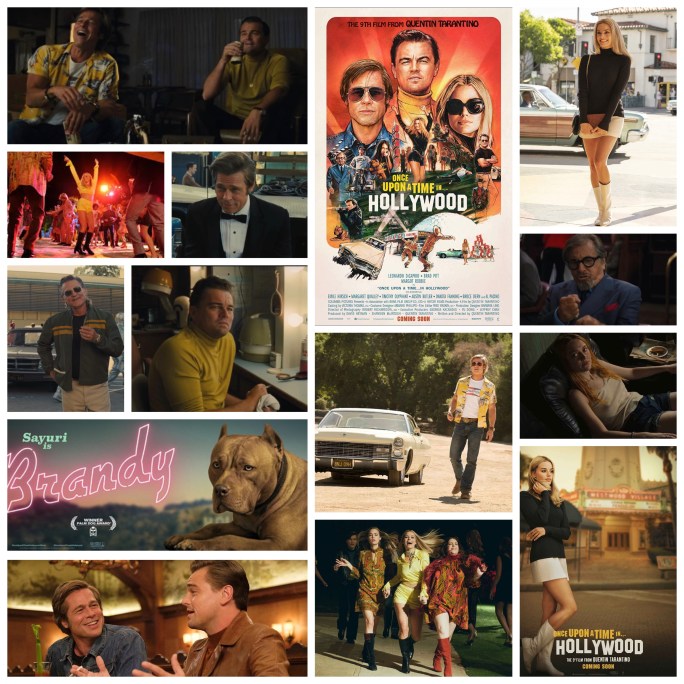
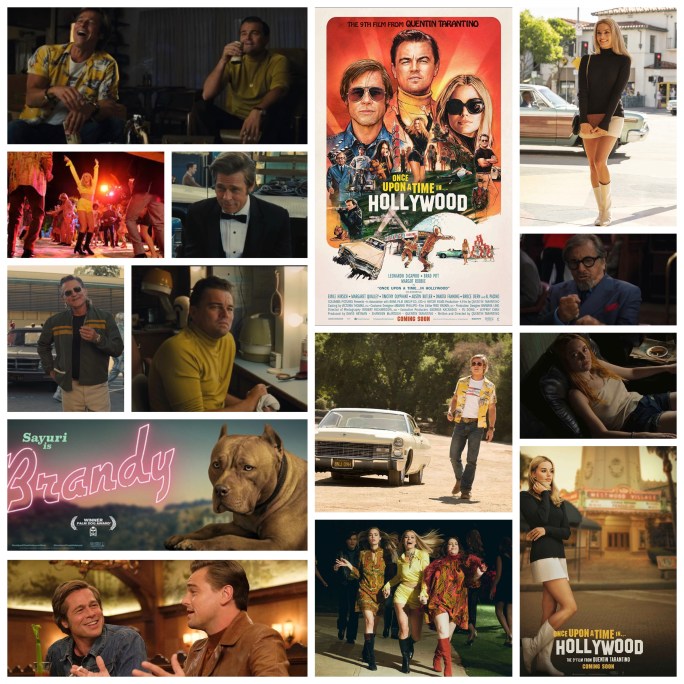
One time Robert Rodriguez asked pal Quentin Tarantino for advice on his Mariachi films and Quentin told him that if he was going to go for a third one it should be big, loud and be called Once Upon A Time In Mexico. This to me represents a certain decision in the career of any filmmaker to make a ‘Once Upon A Time’ in the sense that it is to be big, loud, lengthy, personal and something of a milestone, and I always wondered what Quentin’s ‘Once Upon A Time’ might, if ever, manifest as. Well it’s here, and let me tell you that Once Upon A Time… In Hollywood is the real fucking deal. It’s Tarantino’s best film since Kill Bill (in my humble but stubborn opinion) and a magnum opus of poetic justice, cartoonish buffoonery, horrific suspense, painstakingly beautiful production design, dirty fuckin’ hippies, pitchers full of margarita mix, a pit bull you’ll fall in love with instantly and enough meta moviemaking fanfare to send one into a coma of cinematic bliss.

It’s a western, a period piece, a borderline documentary at times, a buddy comedy, a horror film and more but at the centre of it Tarantino stashes a deep love and reverence for an era long past. I didn’t grow up in the 60’s, I wasn’t born yet but watching these old cars careen through the Hollywood hills at dusk, hearing the the gorgeous soundtrack, various meticulously chosen commercials and radio plays gently warble out from stereos and televisions and seeing neon billboards flare up all over town somehow just put me right there as if I’d lived through those decades. There’s a sense of idyllic innocence in Margot Robbie’s Sharon Tate, a hopeful force of good as we see a woman in the first lap of both life and her career, the world open in front of her like a red carpet. There’s also menace in the land as the evil, twisted Manson cult hovers over the fringes of town like a flock of banshees. Tarantino clearly has no love for these people, portraying them as trashy dumpster diving lunatics who live in putrefied squalor and come across as inbred jackals waiting to pounce. There’s a clear cut hatred for the acts perpetrated in our timeline by Manson’s followers, and a deliciously cathartic sense of righteous retribution in how the filmmaker acts out his own version of an event that for him changed the face of the city.

Brad Pitt and Leonardo Dicaprio are two mega movie stars who share the screen for the first time here, and they also get to share a bromance thats poignant and perfectly pitched in terms of comedy and tragedy. Dicaprio is Rick Dalton, a once dapper TV star whose jump into film has faltered, or at least it has in his own perception of himself. Pitt is Cliff Booth, his trusty stuntman, confidante and drinking buddy, an ice cool cowboy with a dangerous edge and uncanny way of getting in more sensational real life shenanigans than Rick does behind a camera. Their relationship is the core of the film and while we get to spend quite a bit of time with both together, much of the film we see them off doing their own thing. Rick has landed the bad guy of the week guest spot in a western called Lancer, struggling to keep his cool, remember his lines and stay on top. Cliff picks up a spooky hitchhiking chick (Margaret Qualley makes a stark impression) and makes a visit to the sinister Spahn movie ranch where the Manson brood have taken up roost like vultures. They make a trip to Rome so Rick can do a few spaghetti westerns that his agent (Al Pacino) keeps talking up. It’s a hangout film for much of the languid two hour and forty five minute runtime, and despite the lulls and chill time not a moment feels wasted. Pitt may well have whipped Tarantino’s best character, a kooky badass who is clearly dysfunctional on film sets but has his own hard edged set of morals that cause him to dish out western style justice at the drop of a hat, when he isn’t eating kraft dinner, hamming beers or feeding his adorable dog Brandy. Leo is insecure, melodramatic and neurotic no end, there’s a frustration and hilariously relatable self loathing that’s tamed in a touching encounter with a child actress (Julia Butters- a breakout star here) who befriends him and puts things into perspective.

Tarantino amasses a monumental cast here from cameos to clever impersonations and more, watch for Bruce Dern, Timothy Olyphant, Luke Perry, Michael Madsen, James Remar, Lena Dunham, Damon Herriman, Emile Hirsch, Damien Lewis, Austin Butler, Mike Moh, Maya Hawke, Victoria Pedretti, Danielle Harris, Scoot Mcnairy, Clifton Collins Jr, Marco Rodriguez, Dreama Walker, Rumer Willis, Spencer Garrett, Clu Galagar, Rebecca Gayheart, Martin Kove, Perla Haney Jardine (The Bride’s daughter in Kill Bill, no less), Zoe Bell and Kurt Russell. One standout is Dakota Fanning as a terrifyingly dead eyed Manson chick who tries admirably but unsuccessfully to intimidate Cliff. This could well be Tarantino’s best film, but really it’s hard to pick and why argue. It’s certainly his most eclectic, most personal and most human. Rick and Cliff seem born out of LA, out of Hollywood and out of the dreams of a man who grew up in cinema and went on to craft some of the most treasured films of the last thirty years. I feel like it’s my new favourite, and it’s tough for me to say why. I suppose it hauntingly captures a portrait of a different era almost in a fashion akin to time travel. He uses the ‘if we could only go back on time’ sentiment on the infamous Sharon Tate event and refashions it to something that although is no less violent, is not the tragedy everyone remembers. It’s a brilliant narrative, anchored and spurred by the chemistry that Rick and Cliff have together, the humour and humanity that each bring and sense of time and place like no other. Once Upon A Time in Hollywood… Quentin Tarantino made a film about an actor, his stunt double and the girl who lived next door, and it was something a masterpiece.

-Nate Hill

David Lynch’s The Straight Story

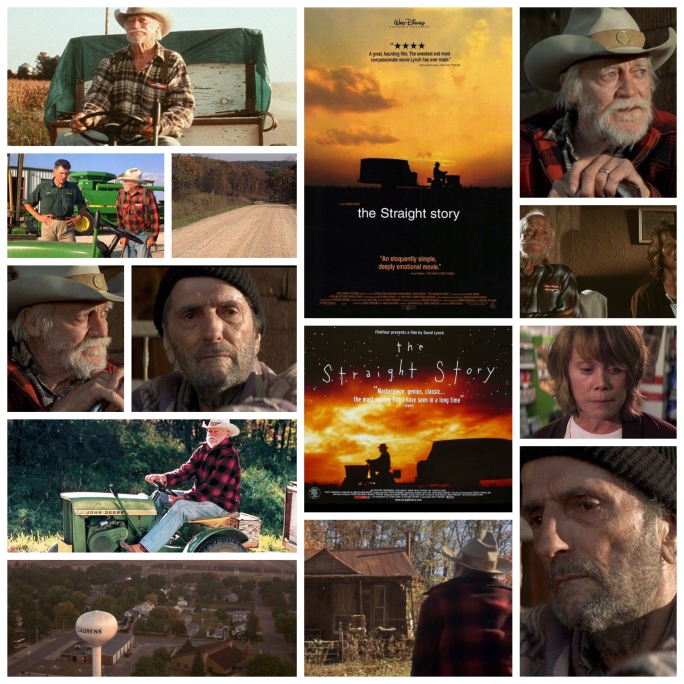
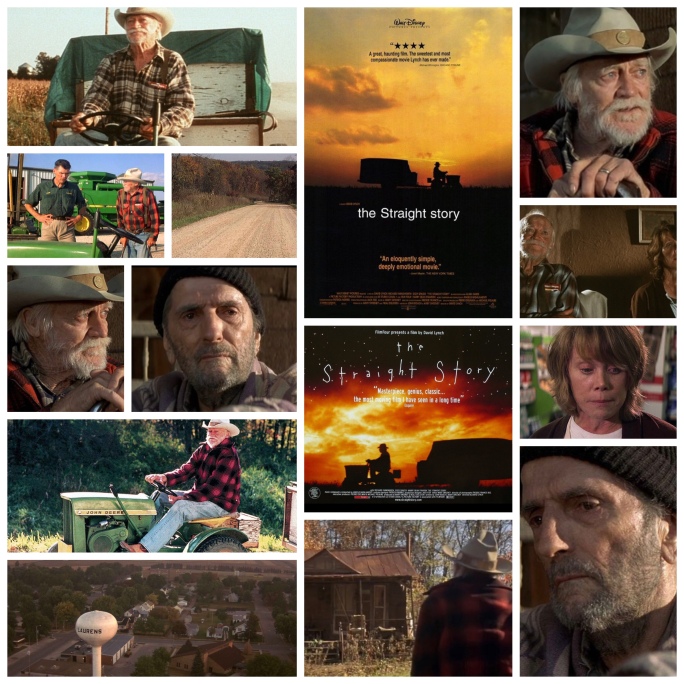
Nothing says determination like driving a John Deere ride-on lawnmower nearly three hundred miles across two states to visit a loved one who is sick. David Lynch’s The Straight Story tells the tale of Alvin Straight (Richard Farnsworth), a man in his 80’s with failing eyesight and bad hips who can’t drive and therefore takes it upon himself to trawl his trusty mower, trailer in tow, across Iowa into Wisconsin to see his estranged brother (Harry Dean Stanton) who has had a massive stroke. It’s an unbelievable story but it really happened, and what’s more amazing and gives it authenticity you can’t fake is that Farnsworth, ever a trooper, was suffering from bone cancer throughout the shoot and champed it out anyways.

Straight, a WWII veteran with a tragic past, lives the quiet life with his daughter (Sissy Spacek) in a sleepy farming town until news of his brother Lyle’s condition reaches him. After buying a new mower from the local Deere dealer (a welcome cameo from Lynch regular Everett ‘Big Ed’ McGill) he sets out on a deeply personal solo voyage across hills, valleys, mountains, wheat fields, tree lined country roads and backwood fields. He meets and has poignant, clear eyed interaction with many folk along the way including a fellow vet, a pregnant teenage girl and a woman who can’t stop ploughing through deer on the interstate, which provides Lynch with the one sneaky opportunity to inject some of his trademark lunacy into the only Disney film he ever made.

There’s something so simple and so essential about both Alvin’s story and Lynch and Farnsworth’s methods of telling it to us. Even as the film opens we get a hazy aerial shot of golden fields in the evening sun and hear Angelo Badalamenti’s achingly beautiful, quietly reverent original score and a mood is set like no other. Everyone is decent and kind in this film, yet Lynch makes it very apparent that mistakes have been made and no one is perfect in their lives. Straight is just like his name, an open hearted fellow who has nothing left to withhold. He admits to losing years to alcohol, making mistakes in the war and falling out heavily with his brother years before. It’s a personal quest for him, and we get the sense that he won’t let anyone else drive him there out of sheer dedication to this final odyssey that will take him to his twilight years. It’s Lynch’s most benign film, but in no way is it dumbed down, sugar coated or blunted of an edge. The filmmaker has always been about truth wrapped in beauty, and all the desire to explore human nature is still on display here, only given a gentler, more elegiac touch. A masterpiece.

-Nate Hill

Quentin Tarantino’s Jackie Brown

Quentin Tarantino’s Jackie Brown runs right around two and a half hours, and if you were to go through the film and separate all the scenes that are directly about the central plot specifics from the ones that are simply characters hanging out, shooting the shit and socializing, you’d probably cut the film in half. There’s a lesson I was taught in film school and it goes something like “every scene in the script must serve/move the plot and anything that doesn’t must go.” Well, I get the creative sentiment there but it’s often much more complicated than that, and often very subjective what one person will distill personally from a scene and use for their appreciation of the story overall versus another person being bored by it. In the case of Jackie Brown, I absolutely loved each and every laidback scene of breezy character development. These people start talking about movies, weed, cars, guns, the city or anything offhand and slowly, gradually they shift into what the story is about, which is the genius of Tarantino’s screenplay, an adaptation of Elmore Leonard’s novel Rum Punch.

As the titular Jackie Brown, Pam Grier gives the performance of her career as a desperate middle aged career woman trying to score a little extra loot for herself, and getting trapped between a rock and a hard place in the process. She smuggles cash in from Mexico for low rent arms dealer Ordell Robbie (Samuel L. Jackson), a fast talking psychopath who enlists his newly released ex con pal Louis (Robert De Niro) into helping him out with the latest gig. Also involved is Ordell’s beach bunny stoner girlfriend Melanie (Bridget Fonda), a low level thug on his payroll (Chris Tucker) and stoic, sad eyed bail bondsman Max Cherry (Robert Forster). All these players shuffle around the LA chessboard, often lazily and in no rush and it’s these scenes that give the film its lifeblood. Jackie and Max find compassion, solace and bittersweet romance together, Tarantino let’s them circle each other in no great hurry and later in the film when they do share a kiss it’s just the most beautiful, well built up moment. Grier comes from a blaxploitation background and it’s apparent in her performance, but we also get the sense that this operates on a real plane, much more so than many other Tarantino films. Forster is always noble, observant and calm in most of his career, there’s a few obscure manic performances from him out there but for the most part he underplays his work. Max has to be his best creation, a steely journeyman dude who’s seen enough and wants something new in his life, something he finds in Jackie as he falls in love with her literally at first sight.

This is a character piece, and in addition to Grier and Forster we get incredibly vivid, funny and idiosyncratic work from all involved. Jackson is hysterical as the most verbose cat of the bunch, he’s also scarier than Jules in Pulp Fiction too. DeNiro plays Louis as a dim-headed fuck-up who seems to be playing dumb to stealth people, then seems to actually be thick again until we’re just not sure right up until the hilarious last few beats of his arc that result in some of the funniest black comedy I’ve ever seen. Fonda let’s a stoned veneer hide a deep resentment and hatred for pretty much everyone around her until she takes it one step too far and pays for it hilariously. Michael Keaton and Michael Bowen show up doing a flawless good cop bad cop routine as a local Detective and an ATF agent on both Jackie’s and Ordell’s trail. Watch for Lisa Gay Hamilton, Tommy ‘Tiny’ Lister and genre veteran Sid Haig as well.

I get conflicted when ranking this amongst other Tarantino films because he’s adapting someone else’s work and therefore it’s not purely his creation, which is always when his most energetic and inspired stuff happens. Jackie Brown is a masterpiece and one of my favourite films, no doubt. But it’s Tarantino doing something else, chilling out in the pool and letting this cast of characters hang out too, in bars, beach apartments, cars, cluttered offices, malls and airports. There’s no great momentum or surge behind this story, it’s all very laconic and easy breezy, which is the strongest quality. But it just as much feels like a Leonard story as it does Tarantino, which works too. His crazy, wild style and pop culture obsessions are given a modest track to race around because of Leonard’s low key, slow burn dialogue aesthetic and the resulting flavour is so good it’s almost perfect. But it’s not just Quentin at the helm. Whatever your thoughts on that and comparisons with this film next to the ones he’s both written and directed, there’s no arguing that this is a beautiful, hilarious, touching, suspenseful, romantic classic of the crime genre.

-Nate Hill

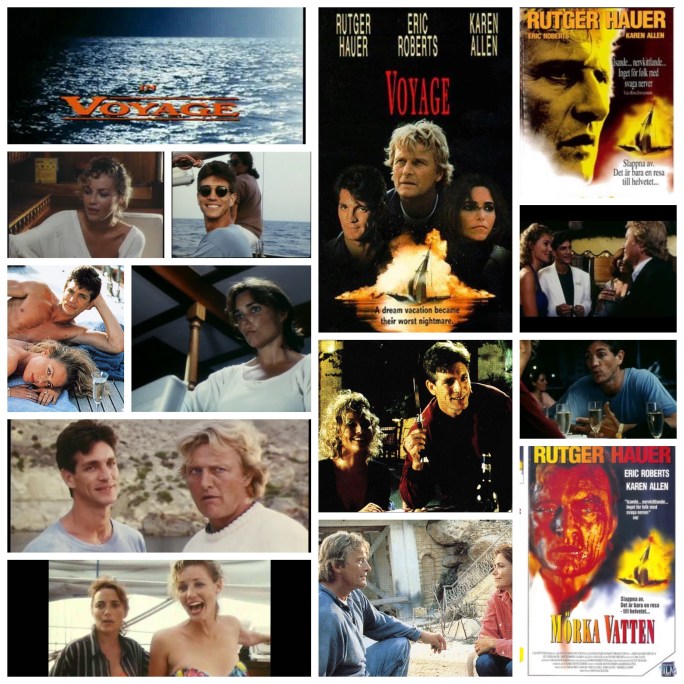
B Movie Glory: John Mackenzie’s Voyage

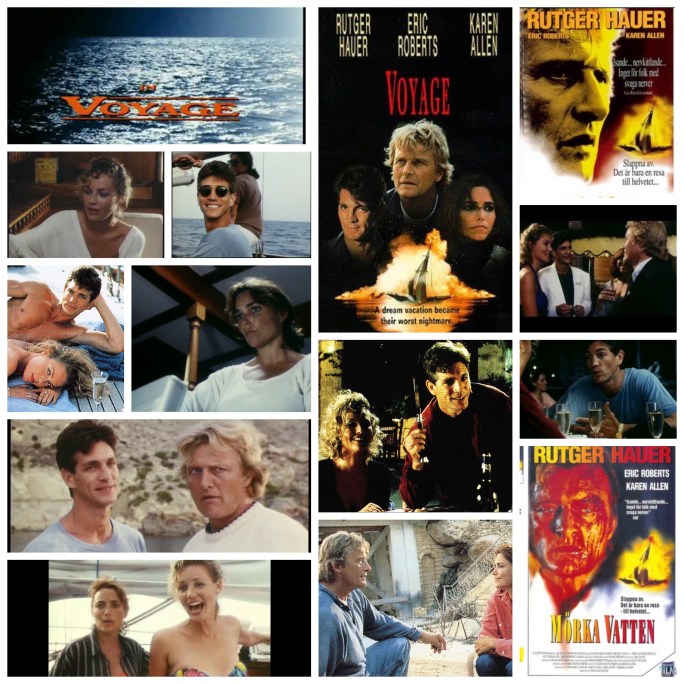
Remember that movie Dead Calm where creepy Billy Zane terrorized Nicole Kidman and hubby Sam Neill on the high seas? Well, picture that with a wayyy cheaper budget and starring Rutger Hauer, Eric Roberts and Karen Allen instead and you’ll have some idea of John Mackenzie’s Voyage, a cheap little B grade thriller that benefits from a cast who deserved a better script and some gorgeous, atmospheric Mediterranean locations. Hauer and Allen are a wealthy couple fighting their way through a crumbling marriage who sail towards a dilapidated Monte Carlo mansion they wish to restore over the summer. Soon they run into a young hotshot (Roberts) and his sexy wife (Connie Nielsen), invite them aboard and continue through the sun and surf as a quartet. It’s always a bad move to trust strangers though, especially if one of them is Eric Roberts and that mile wide, winning yet somehow sinister smile of his. Soon it becomes apparent that these two kids aren’t who they say they are and clearly have intentions beyond hanging out on the boat and having drinks. Mackenzie is an accomplished director, having made notable impacts with The Long Good Friday and The Fourth Protocol, among others. Roberts and Hauer are legendary badasses of cinema but also notorious for appearing in shit films. They hold their own and give awesome turns here though, as do the two ladies, but it’s in script and execution that this thing falters. It should be full of tension and uncomfortable suspense, and unfortunately the tank is only partly full, and it ultimately fails to deliver as an effective thriller. Still, worth it for the four leading actors who are all consistently reliable performers, as well as the beautiful Mediterranean ambience to soak up. Just don’t expect to be excited or kept on edge all that much.

-Nate Hill