Steven Soderbergh’s Ocean’s Eleven

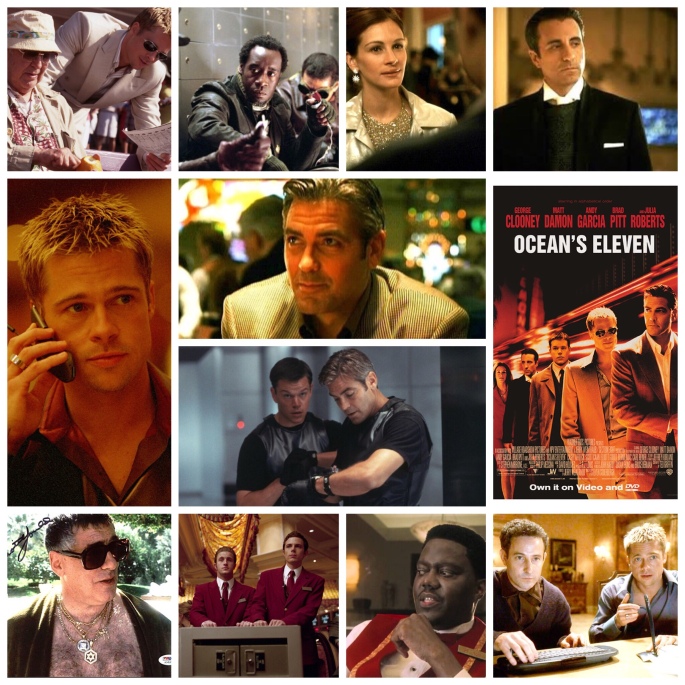
I’ve seen Steven Soderbergh’s Ocean’s Eleven so many times I couldn’t count on the hands I have, or all twenty two of those attached to the gaggle of slick, fast talking lounge rats who pull of the most laidback, easygoing casino heist in Vegas history. Most heist flicks have a breathless cadence and at least one high powered action sequence. Not this baby. It’s like the weekend R&R of robbery films, the classy brunch of crime stories. Hell, even Heat, as hypnotic and subdued as it was, had gunplay here and there. It’s in that refusal to get its hands dirty, the insistence on a relaxed, pleasant vibe that has made it the classic it is today. George Clooney and Brad Pitt are iconic now as ex jailbird Danny Ocean and fast food enthusiast Rusty, two seasoned pros who plan to take down tycoon Terry Benedict (Andy Garcia, looking and sounding more constipated than a police commissioner at a 420 rally) and his three giant casinos. To do this, they round up the most eclectic bunch of scoundrels this side of the wild bunch, including fussy, flamboyant businessmen Elliot Gould, slick card shark Bernie Mac (“might as well call it white jack!”), twitchy techie Eddie Jamison, dysfunctional petty thief Matt Damon, eternally squabbling wheelmen brothers Casey Affleck and Scott Caan, acrobatic guru Shaobo Qin, rowdy safecracker Don Cheadle (with a piss poor attempt at a cockney accent, I might add) and grizzled grifter Carl Reiner. Oh, and a sultry Julia Roberts as Danny’s ex wife, because no caper flick would be complete without the high stakes and charm of a woman involved. What a pack. The logistics and steps of their plan have a labyrinthine feel to them, especially the sheepish twist that seems just easy enough to work and just far-fetched enough to earn friendly chuckles. Soderbergh did his own cinematography for this, which explains why the vision here is so singular and unforgettable; he shoots Vegas like a subdued nocturnal dreamscape full of fountain soaked vistas, dazzling light displays and ornate casino floors, and directs his actors with all the lithe, cordial and cucumber cool personas of the born n’ bred Vegas characters you can spot whilst on vacation there. Ebert wrote of this, “Serious pianists sometimes pound out a little honky-tonk, just for fun.. this is a standard genre picture, and Soderbergh, who usually aims higher, does it as sort of a lark.” Oh, Roger. This is my main pet peeve with film criticism and analysis: the distinct differentiation between ‘genre fare’ and ‘high art’, a snooty attitude that devalues both forms and axes a rift into a medium that at the end of the day, is all storytelling. Some of Soderbergh’s best films (this, Out Of Sight and last year’s Logan Lucky) are exercises in storytelling without the burden of subtext or lofty behind the scenes ambition, and are somewhat the better for it. Rant over. In any case, this is style, charm, wit and lovable caper shenanigans done just about as best as they could, and remains one of my favourite films of this century so far.

-Nate Hill
Tony Scott’s Revenge

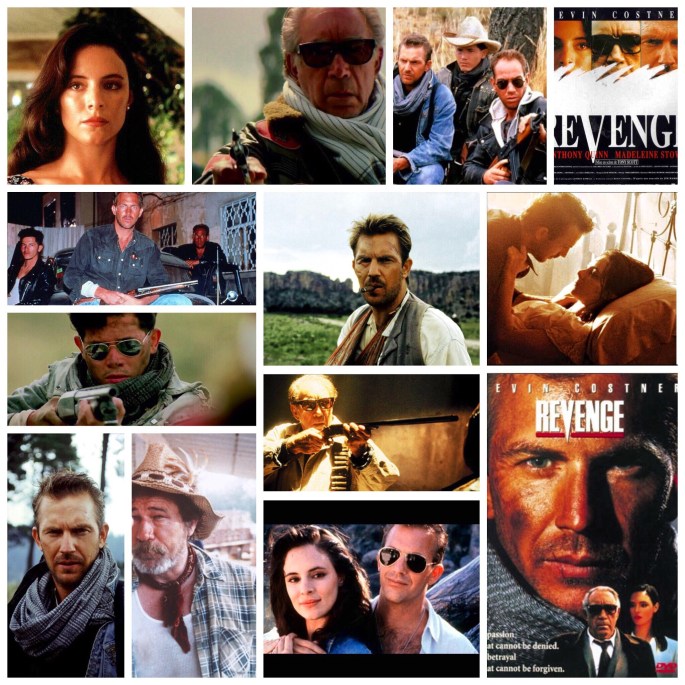
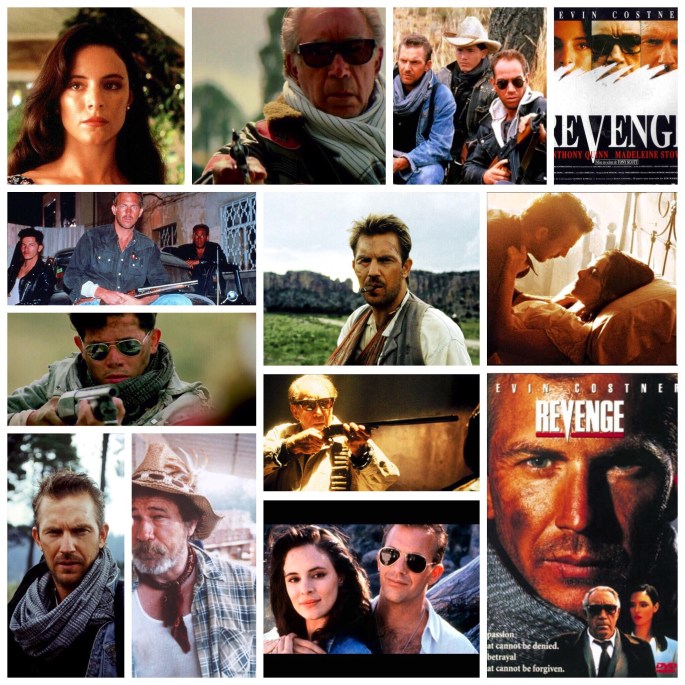
Tony Scott’s Revenge is a difficult one to sit through, but it’s Aalto a good showcase of not only the late director’s inherent talent around a camera and staging of restless, brutally violent action, as well as one of the better, albeit off-putting entries in a sub genre I like to think of as ‘desert noir’ (Oliver Stone’s U Turn pioneered and set the good standard in my books). Sweaty, sleazy, excessively graphic, melodramatic and mottled out of those old school, primitive pulp laden love triangle bad blood archetypes, it’s relentlessly unpleasant but has a dark hearted charm that somehow sneaks in the back door and gives it an iota of likability, albeit in a weird way. Kevin Costner plays a hotshot navy pilot (Scott shamelessly plugging Top Gun) who heads to Mexico for a little down time, where he finds anything but. While on a visit to his old gangster friend (Anthony Quinn, that big ol’ sweaty Italian meatball), he meets the kingpin’s beautiful, shockingly young wife Miryea (Madeleine Stowe, back when she used to be in things), and naturally they fall in love. This ignites a volcanic conflict between them all that results in some of the most sadistic, sexist acts of violence and a giant rift in the brotherhood between Costner and Quinn, for you see, the pilot saved his life years before and there’s some vague blood debt owed, obviously now null in void when he tries to mow the guy’s lawn. There isn’t much to the story other than these Stone Age, chauvinistic games of betrayal, sex and retribution the three play, or at least the two while Stowe is so badly hurt she’s out of commission after the first act. Costner spends time moping about the backroads and flophouses of Mexico, befriending a dusty old shit-kicker (the late character actor James Gammon, credited simply as ‘Texan’), who helps him get back on his feet. He’s also aided in his vendetta against Quinn by two mercenaries, played by scene stealing Miguel Ferrer and John Leguizamo. The eventual final confrontation between them has the hollow howl of redundancy as both men sheepishly realize they’ve become a slave to their own emotions and ruined their lives, and especially Miryea’s. Ebert wrote of this “It’s such a good job of salesmanship that you have to stop and remind yourself you don’t want any.” Well, that’s Scott for you, who could take footage of a domestic dispute and whip it up into a frenzy of action and energy you can’t take your eyes off of. This is a dark, empty, unpleasant film bereft of gallows humour or tongues in cheeks. But there’s something about it’s lurid sense of danger, hot blooded anger and over the top, hide-behind-the-couch doses of extreme violence that draw you in and cast a dark spell.

-Nate Hill

Marvel’s Ant Man

In a world of gargantuan Marvel Movie phenomena, it’s nice to see the little guy get some love amidst titans, superheroes and demigods, and by little guy I mean Ant Man, who I recently heard referred to as the underdog of Marvel movie protagonists, and that he is, given adorable slacker charm by Paul Rudd, who couldn’t have been cast better. From InnerSpace to Antibody (first rounds on me if anyone’s heard of that one), the concept of people shrinking down to minuscule size has been a staple of cinema since before The Borrowers said they were doing it before it was cool, and this one, although stubbornly an MCU entry, functions better as a loving throwback to the kind of old school Sci-Fi bliss you’d find someone like Dennis Quaid, Jeff Bridges or Michael Douglas headlining in the late 80’s, early 90’s. Speaking of Douglas, he’s in this, as Dr. Hank Pym, a fancy scientist who should star in his own spinoff/crossover called Honey I Shrunk Paul Rudd, because that’s more or less what happens. Rudd is petty thief Scott Lang, a middle aged dude who acts like he’s twelve until a little fatherly guidance from Pym and a *lot* of snazzy metaphysical science turns him into a microscopic hero. Of course the technology is coveted by a sinister rival scientist, played by Corey Stoll and set set up for this summers sequel as the super villain The Wasp. What I loved so much about this is it knows how to have fun and utilize the potential of it’s premise so effectively. All the scenes involving shrinking have a thoughtful innovation, absurd sense of humour (the toy train crash jump cut killed me) and warped, trippy style. The third act sees a scary malfunction in which he literally can’t stop shrinking and starts to lose himself in molecular infinity, which is probably the coolest or at least most original Sci-fi set piece of any Marvel flick. Joining Rudd and Douglas is whip smart scientist Evangeline Lily (Kate from LOST), and the cast is thick with excellent talent including the lovely Judy Greer as Rudd’s exasperated wife, Bobby Cannavle as her new cop boyfriend, Michael Pena, TI and David Dastmalchian as Rudd’s merry band of thieves, with work from John Slattery and Hayley Atwell to remind us we’re in the Marvel Universe, and a cameo from oddball entertainer Greg Turkington (Baskin Robbins always knows) to remind us this is also a departure for the MCU into something a little more delightfully bizarre. A rockin good time.

-Nate Hill

Abel Ferrara’s King Of New York

Abel Ferrara’s King Of New York might simultaneously be Christopher Walken’s scariest, most intense and also withdrawn and detached performance, so idiosyncratically does he a draw his portrait of Frank White, a dangerous career criminal fresh out of the pen with high ambitions on ruling the NYC urban jungle, take no prisoners. It’s one of the moodiest, most dour crime films set in the big apple, but it finds a dark heart of bloody poetry, frighteningly funny menace and an ultimate resolution that has you undecided on whether crime really does pay. Walken’s Frank is a strange man, surprisingly introverted for a guy who commands an army and takes on rival gangsters for the control of city blocks, but it’s in the quiet, dangerous charm that he finds his effectiveness, and as crazy as he still is here, it’s a fascinating far cry from some of his more manic, well over the top turns. There’s three would-be hero cops out to get him by any means they can, cocky hotshot David Caruso (before his talents fell from grace with god awful CSI Miami), Ferrara veteran Victor Argo and a coked up Wesley Snipes. They go so far over the line trying to nail him that the only thing separating them from the crime element is a badge, which seems to amuse Frank as he eludes them at every turn. Walken’s merry band of assholes is an armada of gangbangers and drug chemists which include the likes of Steve Buscemi, Giancarlo Esposito, Paul Calderon, Roger Smith and a fearsome Laurence Fishburne as his first mate, young and rambunctious before his acting style gelled into something decidedly more cucumber cool (hello Morpheus). The violence and threat thereof is palpable, as Ferrara whips up a frenzy of boiling conflict that makes the epicentre of Hell’s Kitchen feel like the eye of a very angry hurricane, while still keeping the mood to a laid back thrum, it’s stylistic and tonal bliss the whole way through. Cinematographer Bojan Bazelli shoots the city with an oblong, lived in, hazed out and very un-cinematic feel, throwing us right into the dirty digs with this troupe of miscreants and crooked cops, while composer Joe Delia makes gloomy, haunted work out of the score, especially in Frank’s darkly poetic final scene. As for Walken, the man is a dynamo and this may be his best work to date. He makes Frank a harrowing demon with humanity that catches you off guard when it breaches the surface of his opaque, unreadable persona, a suave, psychotic spectre of the NYC streets who won’t go out unless it’s with a bang, and won’t ever back down on his way there.

A crime classic.

-Nate Hill

Jeb Stuart’s Switchback

I’ve always really liked Jeb Stuart’s Switchback, despite it not being as taut a thriller or as well oiled a machine as it thinks it is, it’s one of those slightly Hitchcockian, well photographed and terrifically casted shockers that still services and sort of grows on you. I also remember, before ever being allowed to see stuff like this when I was really young, seeing a few short scenes of it on cable at my dad’s work and being riveted to the seat in fear and fascination as Danny Glover and Jared Leto drove through the night in the Rocky Mountains, each trying to out-creep the other. I had no idea what the film was, but years later I found the DVD and was reminded of those few short scenes I saw that had immense power on my still impressionable perception. The hook is that either Leto or Glover is the killer, and we’re saddled with an extended guessing game as they plough through snow covered highways and the tension mounts between them. Elsewhere, Dennis Quaid plays a stoic, relentless rogue FBI Agent whose infant son was kidnaped by the same killer a year or so before. His search leads him through a string of remote mountain towns where he clashes with local law enforcement and gradually gets closer to the murderer’s trail, which went cold a while back. It’s an odd, obtusely paced concept for a thriller that almost seems a bit muddled and reworked from something more succinct in the scriptwriting phase, but it’s one of those that you buy anyways simply because the cast and cinematography are so first rate. Quaid is cold and desolate as the Agent, hoarsely intoning his lines with enough intensity to implode a diamond, deliberately reigning in his usually charming persona and famous mile wide grin. Glover is boisterous, and just friendly enough that the creep factor sets in, while Leto plays naive and sensitive til we see through the facade (see how long it takes you to guess which is the killer). The late great R. Lee Ermey is excellent here in a rare soft spoken performance as a kindly local Sheriff who assists and befriends Quaid, even when it puts his badge at risk. Ted Levine shows up as his head deputy, and watch for Walton Goggins and underrated William Fichtner as an opposing candidate for Sheriff’s office. Like I said, this isn’t the crackling thriller it should be with all this talent onboard, it has its issues with a weirdly drawn plot and some clunky story beats. But when it works, it’s memorable, and you can’t beat intrigue set in the gorgeous Rockies, especially when there’s a tense freight train set piece involved. Fun, engaging, slight overall but definitely worth a watch.

-Nate Hill

Kenneth Branagh’s Thor

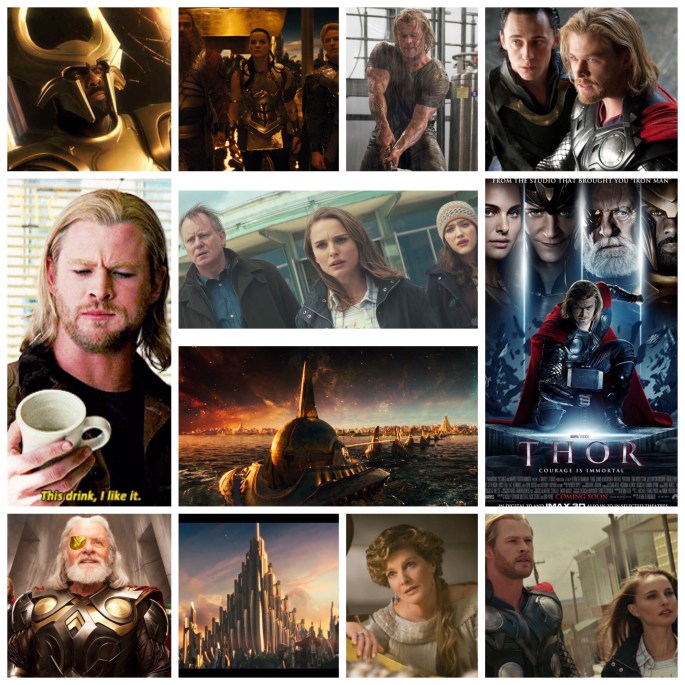
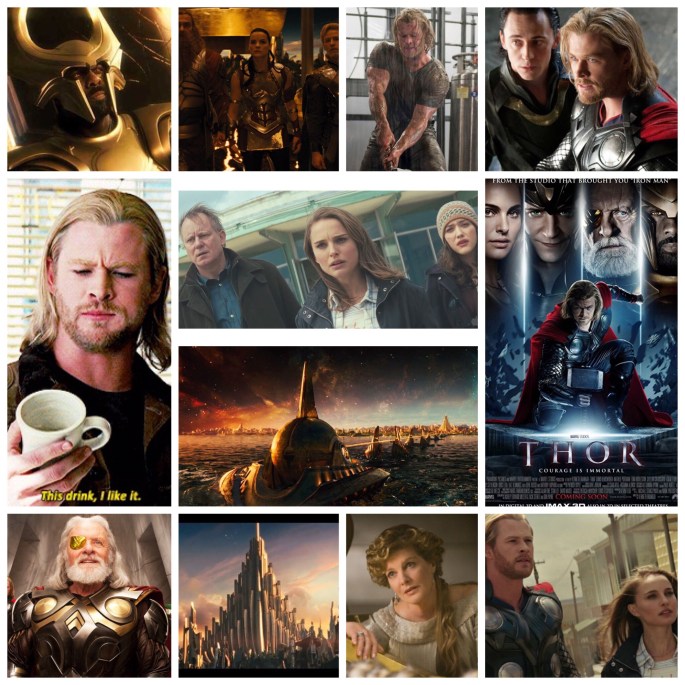
People get a little aghast when I say that Kenneth Branagh’s Thor is my favourite Marvel Cinematic Universe movie, but there’s something about the operatic, orchestral grandeur of Asgard contrasted with Thor’s deadpan, hilarious arrival on earth that is an irresistible flavour and calls back to classic adventure films of the 90’s that saw fish-out-of-water protagonists up to the same shenanigans (think the sea and feeling of Spielberg’s Hook, or the like). The world-building up there in the cosmic realm is still just some of the best eye candy the studio ever put out in their superhero romps, and no one blasted into the leading man scene quite like Chris Hemsworth did with his broad, knowingly silly and very heartfelt performance. The Avengers entries seem to earn all the love and they’re fun, but I like the solo outings that leave breathing room to focus on one of these heroes at a time, and really get to know them. Thor’s transformation from a proud, boorish and naive strongman who knows but one form of diplomacy (hit em with his hammer) into a wise, compassionate being worthy of the crown is just a great arc to see unfold. Throw in Natalie Portman, Stellan Skarsgard and priceless Kat Dennings as the most utterly charming human ‘sidekick brigade’ the universe has to offer and the whole thing becomes an almost instant classic. Branagh is a Shakespearean veteran, and every hint of that instinct is on display in the theatrical showmanship of Asgard, in the performances of Hemsworth, Tom Hiddleston as scheming Loki, Anthony Hopkins as godly Odin and terrific Idris Elba as celestial gatekeeper Heimdall, who steals every scene. On earth-side Natalie Portman is adorable and blooms with both romantic yearning and genuine smarts, Kat Dennings takes the concept of comic relief and runs with it so deftly she almost walks away with that portion of the film. Clark Gregg fleshes out his glib Agent Coulson character, Jeremy Renner does his first badass turn as Hawkeye, Colm Feore is icily menacing as Laufi, king of the fearsome Ice Giants, while Ray Stevenson, Tadanobu Asano, Josh Dallas and Jaime Alexander fill in as Thor’s rowdy warrior entourage, mistaken for Robin Hood, Jackie Chan and Xena when they stroll down Main Street after arriving nonchalantly on earth to help the god of thunder do battle with a giant fire-stuffed tin man sent by spiteful Loki. There’s something so thrilling about this picture though, from the chemistry between Thor and Portman’s Jane to the camaraderie he has with Skarsgard’s Professor Selvig to the larger than life, tripped out and gorgeous visuals of Asgard set to a banger of a score by Patrick Doyle, it all just works so damn well and is the one chapter in the MCU canon that works best as a stand-alone film all its own. Another!!

-Nate Hill

Michael Apted’s Thunderheart

Thunderheart is a terrific effort that coasted by to fine reviews back in the 90’s and has since not only aged well but earned just a smidge of cult status. It’s a politically charged, racially themed, hard boiled mystery thriller set in and around a troubled Sioux Native Reservation in the badlands of South Dakota. Val Kilmer is the rookie FBI agent assigned to the case, and here’s the kicker: he’s a halfbreed, part American, part Native, and as such the stakes couldn’t be higher or the moral ground more complex for an investigation that’s anything but routine. Politically charged and full of dead ends, red herrings and setups, it’s a knockout of a flick that genuinely keeps you guessing. Kilmer’s character has two mentors, which I saw as the conflict that exists within him from being both a white American lawman and and having Native blood. His senior partner Sam Shepherd is the cynical, jaded hard edge of the bureau, a persona he himself is starting to cultivate, while motorbike riding, salt of the earth Native reservation cop Graham Greene calls attention to his past, the land he’s now on and the people that came before. There’s a lot of ancestral memory tied into the story too, as we see him have visions from hundreds of years ago that guide him through the dangerous and unpredictable mystery he’s trying to solve. Fred Dalton Thompson has a bit as the senator who sends the two agents out there to see what’s up, and character actor Fred Ward is nasty business as a local mercenary who’s perpetually up to no good and almost seems to be based on a real life individual, uncanny that. It’s pulp that makes you think, and has a beating heart behind every bit of intrigue, a film that’s long been underestimated but has a lot more to say than the lurid action movie cover art might suggest. Highly recommended.

-Nate Hill

Auggie Rose aka Beyond Suspicion

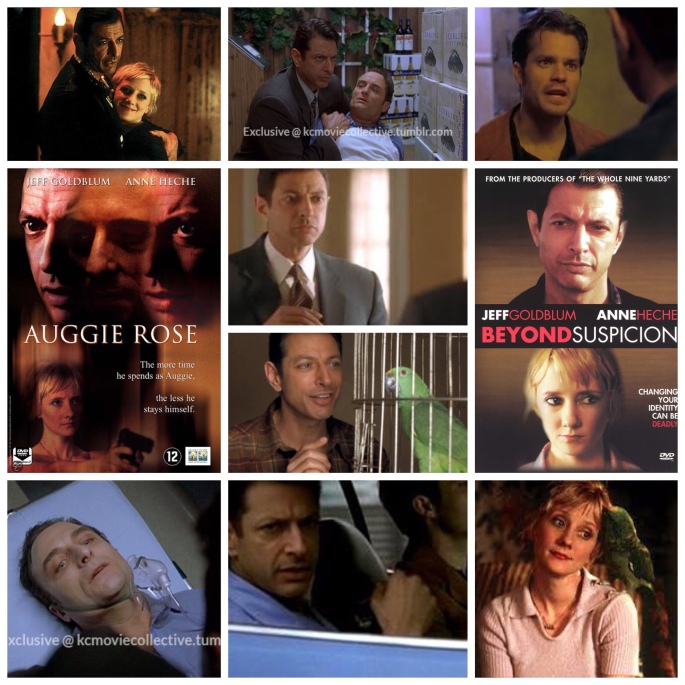
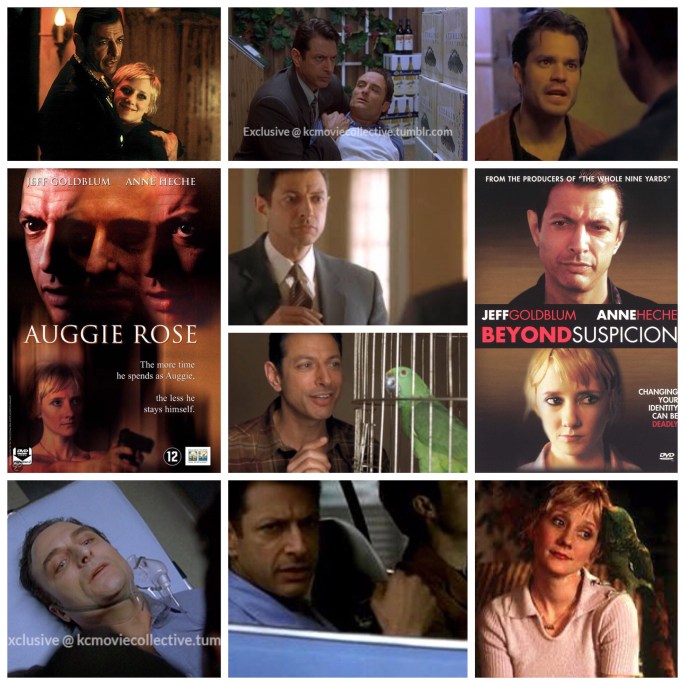
I’ve always had issues with Auggie Rose, a creepy, bizarre Jeff Goldblum vehicle released under the far less ambiguous title ‘Beyond Suspicion’ on DVD. Misguided is kind of the word for the script they’ve taken on here, it’s a story that tries to say something about self identity and loneliness but just sort of makes you feel mounting uneasiness and not in the good way. The actions of Goldblum’s protagonist are pretty uncomfortable and unconscionable, which probably isn’t what they were going for, but there you go. He plays a boring insurance salesman who lives the kind of bland, grey life you’d expect someone in that profession to live, until recently paroled ex-con Auggie Rose (a short lived Kim Coates) happens to die in his arms. The man had been keeping up long and intimate pen pal communication via letters with a girl (Anne Heche), who he’s never met, and Goldblum finds one of these letters on him. So what does he do? Instead of finding her and telling her the sad news like a normal guy would, he assumes Auggie’s identity and picks up with her where the letters left off, which is so wrong in so many different ways, man. Worse, he’s got a girlfriend of his own (Nancy Travis) who he hides all this from, until it goes so far that the police get involved and the whole thing snowballs into an unhealthy, self destructive, damaging turn of events. Even *worse* is the ending, which I won’t spoil except to say it’s the biggest cop out this side of War Of The Worlds and is a story beat that is as forced and artificial as Phil Hartman’s million dollar smile. If you’re going to make a movie as terminally dark as this, don’t try and cloak it in a would be ‘happy resolution’ because ‘audiences won’t like it’. Don’t worry, they’re not going to like it anyways, because it’s just bad, but at least go the mile it takes to end the story in a place as warped as it’s inciting incident suggests. It’s far better to see how choices and actions like this lead to grim consequences, not to give the impression that there’s a light at the end of the tunnel after being so selfish and creepy towards others. Gah. It’s a shame that Goldblum agreed to do this because he’s an inherently likeable guy onscreen and comes off as weird, this kind of borderline sociopath character needs an actor like Kevin Spacey, who just carries a vague creep factor with him by default, (especially these days). There’s a collection of supporting talent including Timothy Olyphant, Richard T. Jones, Max Perlich, Jack Kehler, J.E. Freeman and Nick Chinlund, but they’re mostly given humdrum, not especially noteworthy roles. Coupled with the troubling story arc, it’s just a pretty drably mounted production anyways, and doesn’t serve to excite or provoke reactions other than to disturb the audience, and like I said before, not in any kind of good way. Yuck.

-Nate Hill

Bill Pohlad’s Love & Mercy

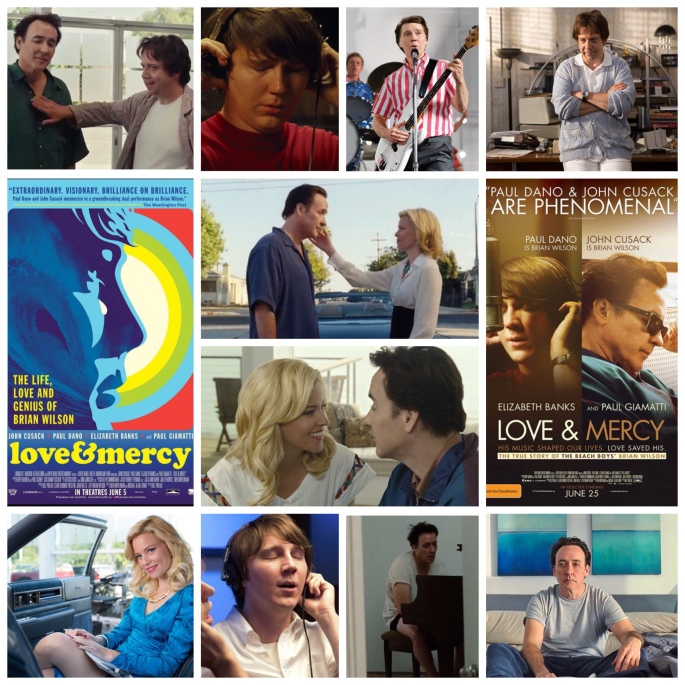
I’m not what’d you’d call a Beach Boys fanatic other than loving their most recognizable hits since I’ve listened to music, but Bill Pohlad’s Love & Mercy tells a story that just needs to be told and could grip anyone with its love, suffering, perseverance and genius, genius in the form of the band’s troubled but brilliant lead singer Brian Wilson, played here in a duo of encore performances by Paul Dano and John Cusack, both giving what may be the finest work of their careers. For those who are unaware (like myself before watching this), Wilson suffered a lengthy psychotic break that ran alongside a good portion of his career, brought on by many things including stress, fame and the ongoing psychological/physical abuse from his father (Bill Camp here), who did double duties as the group’s manager. Getting fully acquainted with rock bottom and finding himself alone later on in life, he was thrown from the frying pan into the fire when he went under the care of unconventional, deranged psychiatrist Gene Landy (Paul Giamatti, terrifying), and found himself victim not only to his own demons, but a new external one trying to take advantage of him. By chance he met kind Cadillac salesgirl Melinda Ledbetter (Elizabeth Banks), the two seem to have fallen in love almost instantly, and it took her kindness, patience and determination to save him from almost certain death in Landry’s nefarious hands. I’m going on the assumption that what we see here in the film is as close to the true story as possible, because the events are too specific and jarring to have been made up. Early scenes show Dano as a young, vibrant Wilson, hard at work on an experimental opus project that would eventually drive somewhat of a wedge between him and his band mates. The later segments with Cusack, interspersed via meticulous editing, are both a love story and a horror story, as we witness Melinda and him fall for each other, while lecherous Landy does everything he can to keep them apart. Giamatti plays the guy full tilt crazy, a dangerously obsessed scumbag whose actions are so damaging to Wilson that you want to cave his head in with a rock. Cusack is wonderful, putting quiet soul into the work and keeping the heartbreak and hurt of his former years on a dimmer so we don’t forget, but see a new, brave soul try to rise from the ashes. If this might be their best work, it’s certainly the case for Banks, I’ve never felt more connected to a piece of her work. She’s attentive, playful, compassionate and low key brilliant as Melinda, Brian’s rock, guardian angel and eventual love of his life. There are gaps in the story, as many of the no doubt horrific times are either left to our imagination or only suggested at, but that gives this unbelievable, all too true story all the more power. It’s inspiring, to see someone go through all that heartache and strife and come out of it still kicking. It’s also one of the most intelligent and empathetic movies to address the subject of mental illness in some time, using a compassionate, frankly implemented lens to tell Brian’s story and illustrate his complicated condition. Along with the obvious inclusion of many Beach Boys hits, some mid-composition, there’s a gorgeous original score by Atticus Ross that accents the emotional scenes between Brian and Melinda perfectly. One for the biopic books, and a story worth taking the time to listen to.

-Nate Hill

Sacha Gervasi’s Hitchcock

I feel like a lot of people were expecting a vast, loosely paced biopic from Sacha Gervasi’s Hitchcock, but what they really got was a tight, sardonic, laser focused and surprisingly emotional look at the relationship with his wife Alma (Helen Mirren), during the making of Psycho, and the monumental struggle it took in bringing the now iconic horror film to being. It’s about adjusting your expectations really, and keeping them in check, and you can enjoy what is one of the best films of that year. Meticulously casted with a galaxy of brilliant actors, royally mounted in terms of production design and costume (Oscar shamefully glossed over it in those categories) and written with brittle, whip-crack wit by John J. McLaughlin, it’s a treat for cinema lovers and Hitchcock junkies alike. Anthony Hopkins plays the old goat as a stubborn, eccentric, obtuse man, a filmmakers who is so fascinated by the universal revilement he’s met with upon pitching Psycho that he morbidly just has to see the production through, even if it means friction from all angles including Alma, the studio, the censorship board and everyone in between, not to mention mortgaging his snazzy mansion in the process. It’s an interesting look at one of the most important mile markers in the horror legacy, the dawn of the slasher film and Hollywood’s begrudging shift from camp to lurid exploits in the fright flick, which saw Alfred gleefully starting the snowball effect with Psycho. James D’arcy is uncannily perfect as Anthony ‘Norman Bates’ Perkins, Scarlett Johansson captures the virility and charisma of Janet Leigh magnetically, and Jessica Biel does great work as Vera Miles, looking almost unrecognizable. Hitchcock based the character of Norman Bates on famed serial killer Ed Gein, and as such the filmmakers have him appear to Hopkins in ghostly fashion, played grimly and excellently by character actor Michael Wincott, a supernatural stylistic flourish that some hated for its gimmickry but I found a neat, provocative touch. The cast gets deeper with work from Toni Collette, Danny Huston, Ralph Macchio, Richard Portnow, Michael Stuhlburg, Frank Collison and Kurtwood ‘Red Forman’ Smith as a crusty chairman of the censorship board. Hopkins slithers expertly into the prosthetic makeup and opaque personality of the character, clearly having a mischievous blast and cutting loose from some of the more laconic roles he’s done, it’s one of his most engaging performances. Sure it’s not a grand old biopic of the guy, spanning years and leaping multiple story arcs, but I found the intimate focus on his marriage and Psycho to be deliberate, riveting and well deserving of any audience’s attention, especially for fans of that era of Hollywood. A winner.

-Nate Hill