It’s good to be the King: An interview with Larry Cohen by Kent Hill

There is a quote attributed to Robert Rodriguez (another independent maverick filmmaker) that states:

“If you are doing it because you love it you can succeed because you will work harder than anyone else around you, take on challenges no one else would dare take, and come up with methods no one else would discover, especially when their prime drive is fame and fortune. All that will follow later if you really love what you do. Because the work will speak for itself.”

It is the always interesting, ever-changing, always inventive, ever professional life and work of Larry Cohen that really personifies the above quotation. King Cohen has been out there in one form or another in an impressive career spanning multiple decades. He has been the director of cult classics; he has been the writer of hot scripts that have incited Hollywood bidding wars. His work has been remade, imitated, venerated.

These are the hallmarks of a man and his movies whose personal voice rings out loud and clear, high above the commercial ocean of mainstream cinema that carries, beneath its shiny surface, schools of biodegradable blockbusters that are usually forgotten about only moments after having left the cinema.

This is not true of the films of Larry Cohen. For his work is the stuff (pardon the pun) that came before, the stuff the imitators latch on to, the stuff from which remakes and re-imaginations are conceived. This is the fate of the masters. The innovators come and bring forth art through trial and error. They are followed by the masters who take the lessons learned from the innovators and make them, shape them by sheer force of will. But, then there comes the imitators who stand on the shoulders of these giants and take home the glory.

Still, when there is an artist that is in equal parts innovator and master; this causes the imitators to stand baffled.

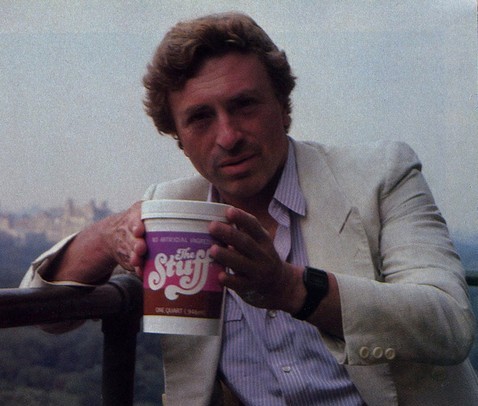
behind-the-scenes-the-stuff-larry-cohen-1985-2

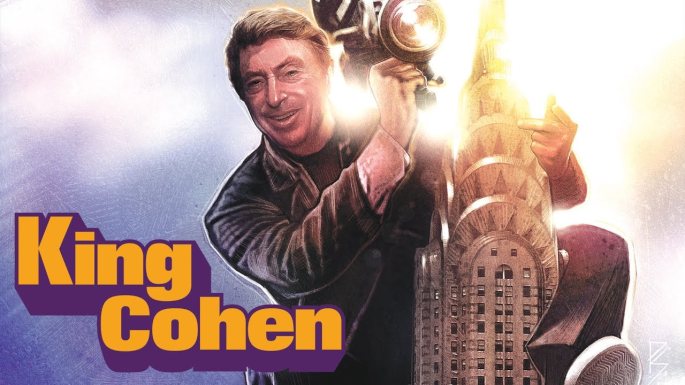
Rather than accepting my humble oration, I urge you to seek out Steve Mitchell’s most excellent documentary KING COHEN. Watch it, marvel, rejoice, and remember that there are great filmmakers out there. They may not be coming soon to a theatre near you, but they did once, and their work still stands, silently, waiting to be discovered.

Until you get to see KING COHEN please, feel free to bask in my little chat with the king himself, Larry Cohen, a gentleman of many parts, many stories and of course . . . many movies.

Ladies and Gentlemen . . . Larry Cohen.

IMG_0691

Once Upon A Time In Nostalgia Occupied France: Revisiting Quentin Tarantino’s Inglorious Basterds


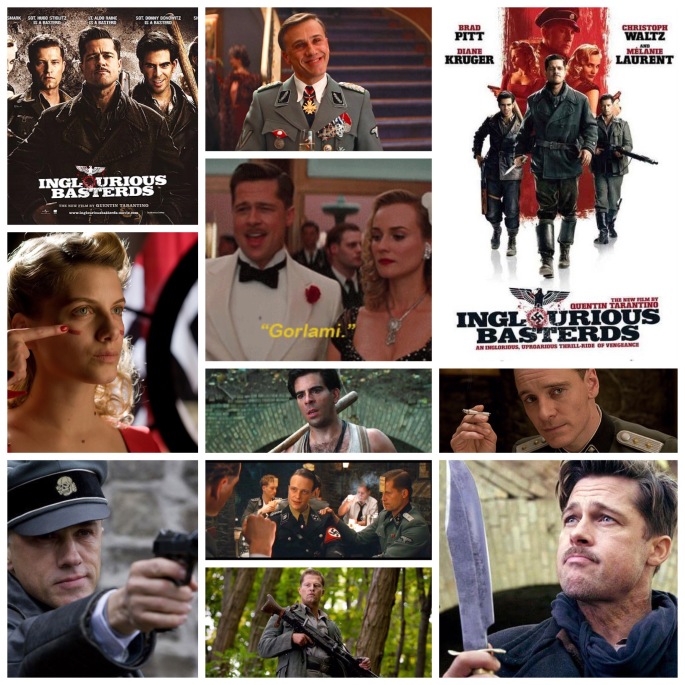
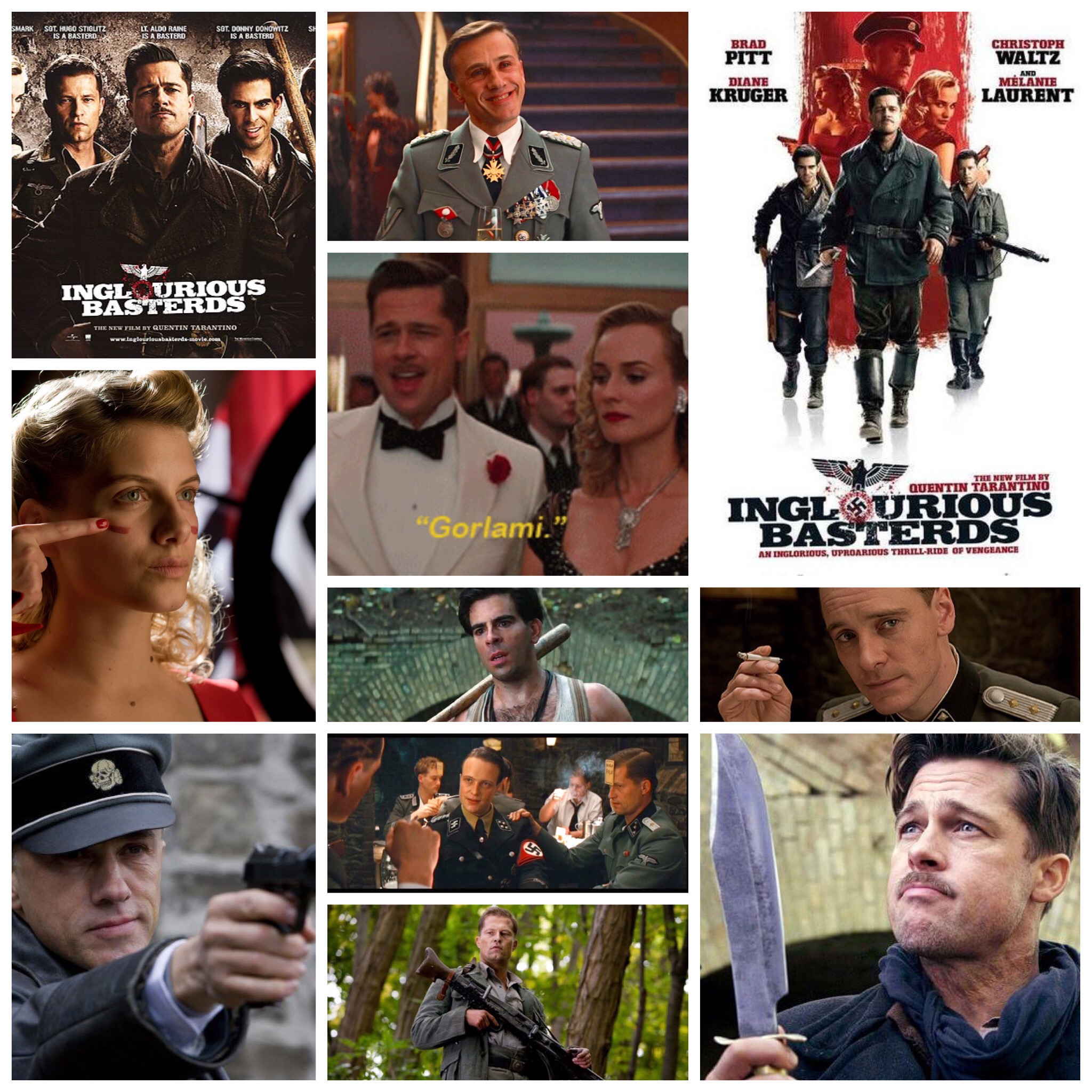
Having rewatched Quentin Tarantino’s Inglorious Basterds the other night for the first time in years, I’d since forgotten what a fuckin rip snorting good time at the movies it is. It used to rank fairly low on my Quentin-metre, but not only has it aged quite nicely since 09′, it’s even better than I remember it being in theatres. I think that one of the reasons I didn’t hold it in such high esteem right off the bat is that I wasn’t prepared for the blunt revisionist history approach, which at the time I think felt very silly and fake. I get now what he was going for and appreciate it tenfold more than I did then. From the opening chords of a Morricone piece that signals the portentous arrival of Christoph Waltz’s terrifyingly affable Jew hunting SS nutbar Hans Landa, this film is a near perfect ballet of extended dialogue, shocking musical cues and sporadic bursts of satisfying and graphic violence. It’s an episodic roundtable outing that spins around to focus intently on specific scenarios for quite a bit of time before jarringly shunting off to the next. Young Shosanna (Melanie Laurent) runs a quaint cinema in rural France that garners the attention of a pesky German war hero (Daniel Brühl). Evil Landa and his corps doggedly hunt enemies of the state whilst preparing to act as a security force for a bigwig film premiere attended by the Fuhrur himself, et al. Elsewhere in Germany, a plucky band of double agents led by Michael Fassbender and Diane Kruger await instructions on a small tavern, commissioned by Winston Churchill and Austin Powers to carry out their mission. This sequence is a textbook example on how to whip up vice grip suspense until one can barely breathe, then cut the cord loose all of a sudden, brilliantly structured, written and acted scene all round. Brad Pitt also leads his merry band of Nazi killers all over Europe creating havoc and delivering some of the best dialogue that the Q-Man has ever penned. The sequence where Aldo Raine (Pitt) and his crew must be ‘fake Italian’ to blend in at the film premiere is the single funniest thing in a Tarantino film to date. The cast is layered with all kinds of wonderful work, standouts from August Diehl, Richard Sammel, Eli Roth, a priceless Til Schweiger, as well as quick snippets from Samuel L. Jackson and Harvey Keitel. Waltz made a name for himself with the Landa character, and is a simultaneously freaky and funny villain who steals the film each time he shows up to smarm and charm the pants off of everyone else. Funny beyond words, brutally exploitive in the best possible ways, whip smart in writing and characterization and just a hell of a good time, Basterds has held up and even improved excellently since it’s release, and will likely stand as one of Tarantino’s key films in years to come. Gorlami. 

-Nate Hill

Robert Rodriguez’s Desperado 

Robert Rodriguez’s Desperado is the original south of the border shoot em up bloodbath, bar none. I’m aware it’s a sequel/remake of Robert’s breakout debut El Mariachi, but the now legendary style and brutality he cultivated started to blossom here in the Mexican desert with scowling Antonio Banderas and his guitar case packed with heavy artillery. The aesthetic coalesced into something measurable here, whilst in Mariachi we only saw fits and starts. Here the tone is solidified and paves the way for the magnum opus that is Once Upon A Time In Mexico, my favourite Rodriguez flick. It all starts with the image of Banderas sauntering into a scumbucket cantina, full of sweaty machismo and smouldering angst, laying waste to the place with more phallic firepower than the entire wild Bunch. It’s a time capsule worthy sequence that demonstrates the pure viscerally intoxicating effect that the action film has on a viewer, when done as well as it is here. Narrated by wisecracking sidekick Buscemi (Steve Buscemi, naturally), Banderas positively perforates the place, fuelled by the internal furnace of revenge, shrouded in the acrid scent of gunpowder and awash in tequila delirium. As soon as this sequence blows past, the credits roll up and we’re treated to a Mariachi ballad sung by Antonio himself, belted out with his band to ring in this hell-beast of a movie. Together, those two scenes are some of the very, very best opening sequences you can find out there, timelessly re-watchable. The rest of the film pulls no punches either, as we see El leave a wanton gash of carnage in his wake across Mexico, on a vision quest of violence as he works his way up the ranks of organized crime, starting with slimy dive bar owner Cheech Marin. Quentin Tarantino has a spitfire cameo, rattling off a ridiculous joke before El steps into yet another bar and the shit (as well as the blood) hits the fan. His endgame target is crime boss Bucho, played with terrifying ferocity by Joaquim De Almeida. It’s hard to picture an angrier performance than Banderas’s before Almeida shows up, but this guy is a violent livewire who’s not above capping off his own henchman like ducks in a row, puffing on a giant cigar and casually blowing the smoke in his concubine’s face mid coitus. El has a love interest of his own too, in the form of ravishing, full bodied Carolina (Salma Hayek). Hayek is a babe of the highest order, and their steamy candle lit sex scene is one of the most full on ‘jizz your pants’ rolls in the hay that 90’s cinema has to offer. This is an action film to the bone though, and they’ve scarcely mopped up and caught their breath before he’s forced to dispatch another horde of Bucho’s degenerates in high style. One has to laugh a bit when a guitar case becomes a full on rocket launcher during the earth shattering finale, but such are the stylistic dreams of Rodriguez, a filmmaker who is never anything short of extreme in his work. As if the guns weren’t enough, Danny Trejo shows up as a mute assassin who like to hurl throwing knives at anything that moves, and it’s this Baby Groot version of his Machete character years later that comes the closest to punching El’s ticket. The stunt work is jaw dropping as well, a tactile ballet of broad movements, squib armies that light up the screen, accompanied by gallons of blood that follows the thunder clap of each gunshot wound like crimson lightning. It’s a perfect package for any lover of action, romance, action, darkest of humour, action, oh and action too. When discussing films that have held up in years or decades since release, this one is not only a notable mention, it’s a glowing example and a classic that has just aged gorgeously.

-Nate Hill

Four Rooms


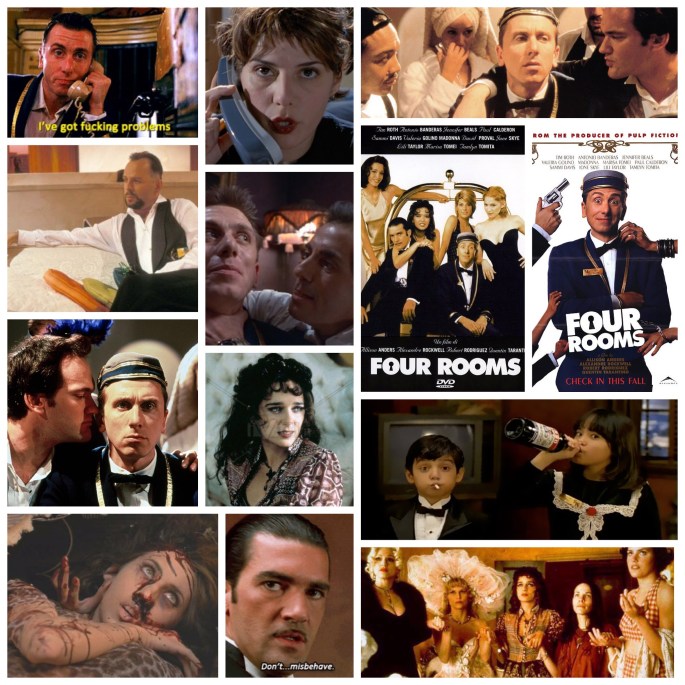
Four Rooms is an anthology film of sorts, segmented into four episodes, two of which are pretty inspired as they just happened to be helmed by Robert Rodriguez and Quentin Tarantino. The other two outings… well, let’s just say they kind of bring the whole film down. As solid as Robert and Quentin’s efforts are, they’re two quarters of a whole that needs to be engaging all the time to work as a cohesive package, and sadly that’s not the case. These four tales all take place in one hectic and seedy L.A. hotel, in various rooms that showcase a host of troubled weirdos just trying to get through the night. This quartet of nocturnal misadventures is tied together by one central character, Ted The Bellhop (a peppy Tim Roth). In the first, which is also the weakest, a goofy coven of witches carry out some asinine ritual. This is a well casted bit as we see the likes of Madonna, Ioan Skye, Valeria Golino, Lilli Taylor and Alicia Witt, but the tone comes off as grade school level shenanigans and there’s many a cringe to be had. The second is an oddly placed noirish bit that finds Ted caught between an unhinged gun wielding whacko (If I’ve said it once, I’ve said it a hundred times, David Proval is criminally underrated) and his femme fatale wife (Jennifer Beals). This one isn’t as awful as the first, yet feels a little off putting and claustrophobic. The third sees Robert Rodriguez step up to bat with ‘The Misbehavers’ a riotous black comedy concerning an upper class couple (Antonio Banderas and Tamlyn Tomita) who leave Ted in charge of their troublemaker kids for the night as they go out dancing. Anything can and does go wrong here, as the youngsters get into all kinds of shit including finding a half decomposed hooker (Patricia Vonne) stuffed in a mattress. Rodriguez shows comedic flair in fits and starts in the pulpy action side of his oeuvre, but here he’s purely having fun and the result is a sleazy hoot of a good time. The fourth and best is by Tarantino, and as such is mostly talking. But what talking it is; Ted stumbles into the penthouse suite which is home to a string out Hollywood film crew, and they’ve decided to place a dangerous bet that involves bodily dismemberment. Quentin is usually a fairly awful actor, but he’s not bad here as the motor mouthed ringleader of this insane posse, while Paul Calderon, Marisa Tomei and a very stressed out Bruce Willis chime in as well. This segment is pure gold, with an abrupt, trademark Tarantino payoff that leaves you chuckling darkly. All kinds of folks have cameos, so watch for the recently disgraced, supremely ugly Kathy Griffin, Lawrence Bender, Salma Hayek and others. There’s always stronger and weaker entries in an anthology film, competition is par for the course. This one has quite the ups and downs though, and would have been far better off being just a Tarantino/Rodriguez double feature, but oh well. 

-Nate Hill

Little Nicky


I’ve never been one to actively nab the Adam Sandler flicks off the rental shelf, but even he has made the occasional winner, one of the best being Little Nicky. For some reason it’s panned over other far worse ones he’s churned out of the gumball machine (ever re-watch Billy Madison? What the fuck were we/they thinking back then?), but when you part the curtains of Sandler Stigma™ and really just look at what the movie is in itself, it’s a hoot. What other film can boast Rodney Dangerfield playing Harvey Keitel’s dad in hell? That’s right, Keitel is the red beast himself, coming down off a ten thousand year unholy monarchy, with no plans to retire. This infuriates his two wicked sons, played by Tiny Lister (must have been a different devil-mom) and a slick Rhys Ifans. They depart the inferno and set up their own devilish franchise up in New York City, raising all kinds of hell, the most amusing of which is lowering the drinking age to ten (where were these guys when I was that age?) and forcing Regis Philbin to say naughty things on live primetime. Their younger, slightly retarded brother Nicky (Sandler) must pursue them on their haunts and trap them in a magic flask before it’s too late. Dumb concept, right? Sure it is, but try and tell me it’s not hilarious m, especially with the amount of inane visual gags and trippy production design these folks have dreamed up. Between Hitler dressed as a slutty maid getting a pineapple repeatedly rammed up his rectum to a giant gorilla massaging mammaries that have sprouted on a dude’s head like fleshy succulent pigtails, there’s no shortage of wtf moments. Sander picks an odd character mask as usual, sporting a metal-head swoosh of a haircut and lisping his way through his lines sounding like he had a stroke from watching Billy Madison dailies one too many times. Patricia Arquette is in it, as a sweet, shy girl he meets topside and the closest thing to a sane person you’ll find in this madhouse. Cameos abound, from usual Sandler cronies like Jon Lovitz, Rob Schneider, Kevin Nealon, Dana Carvey, Peter Dante and Allen Covert, to randoms like Michael McKean, Clint Howard, Laura Harring, Henry Winkler, Ozzy Osborne, Reese Witherspoon as Nicky’s angelic mom and Quentin Tarantino as a blind preacher. I don’t really know what else to say about the thing, because its it’s own thing and you either rock out with it, or you don’t. Visually it’s never boring, the script was conceived in the toilet and jumped straight to the gutter, the performances are all garishly obnoxious and the overall tone is that of an sixth grade birthday party gone rogue. 

-Nate Hill

Kurt Russell Week: Top Ten Performances

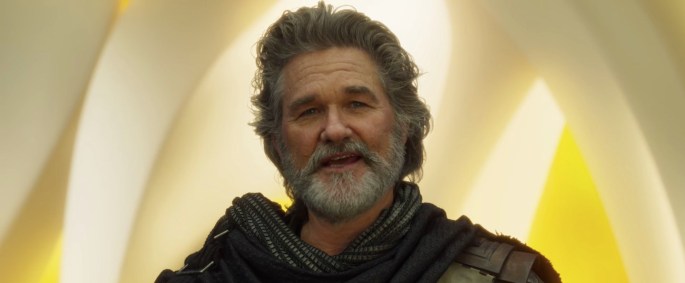
Leading up to one of the year’s most anticipated films Marvel’s Guardian’s of the Galaxy Vol. 2, which by and large promises another great performance from Kurt Russell, let’s take a look back at the ten best performances from one of cinema’s last standing movie stars.
Author’s note: There are so many performances of his to choose from and after spending more time than I probably should have narrowed down the list, here’s what I came up with.

10. Breakdown

In Jonathan Mostow’s 1997 thriller, Russell finds himself in a familiar Hitchcockian trope, the everyman put in an extraordinary situation. He’s not a cowboy or a guy trained in special forces, he is simply a regular man who’s wife gets snatched by a truck driver and is completely on his own finding her.

9. Bone Tomahawk

The gruesome horror western hybrid was anchored by Russell in a seminal turn as a lawman of the old west. Sporting a tamer version of his glorious facial hair that was the hallmark to his character in The Hateful Eight, here Russell plays the very stoic and calculated Sheriff Franklin Hunt who embarks with a small posse on a suicide mission into the heart of darkness. Sure, we’ve seen a character like this on screen before but what makes this performance so unique is that the familiar genre character is pushed beyond his limits with facing the primal humanoid tribe that has kidnapped a townsman’s wife.

8. The Deadly Tower

In Russell’s first major post-Disney role he took on the true story of Charles Whitman, who after killing his wife and mother buys a bounty of rifles and goes to the top of the tower at the University of Texas in Austin and begins to shoot random people. The film, but more importantly Russell’s performance, tackles the issue of mental illness decades before there was any emphasis put on treating it by our society.

7. The Hateful Eight

In Russell’s second collaboration with Quentin Tarantino, he is featured as a dopey, under-educated hangman with outlandish facial hair and a larger than life personality. In the film, Russell purposefully does the best John Wayne impression that we have ever seen on screen, and gives us a character who we’re not quite sure if he is supposed to be likable or not. Regardless of the nobility of John ‘The Hangman’ Ruth, Russell is an absolute joy to watch as he hams his way through Tarantino’s colorful dialogue and twisty narrative.

6. Escape from New York

The collaboration between filmmaker John Carpenter and Kurt Russell is one of the best actor/director pairings in cinema history. It ranks up there with John Ford and John Wayne, Martin Scorsese and Robert De Niro/Harvey Keitel, and any other pairing that you can think of. In 1981 the two of them made the greatest b movie ever with Escape from New York, a film that birthed one of our favorite antiheroes of all time, Snake Plissken. Kurt Russell smoothly navigates a post-apocalyptic New York City with his dry humor, gravely voice, and arctic camo pants. Truly a performance and character for the ages.

5. Tombstone

In the early 90s, there were two Wyatt Earp films in production. The smart money was on Lawrence Kasdan’s Wyatt Earp starring Kevin Costner, Gene Hackman, and Dennis Quaid in a life spanning epic that underperformed at the box office. Parallel to that film, Tombstone quietly finished production with Kurt Russell in an uncredited role taking directorial duties over for original director George P. Cosmatos. In this film, Russell gives one of his staple performances as the retired lawman forced to pick up his six-shooter and gold star to stop Powers Boothe and his evil gang of red-sashed cowboys.

4. Big Trouble in Little China

In 1986 Carpenter and Russell reunited for a film that was a critical and commercial bomb, but over time the picture has reached an unbelievable cult following that is constantly championed by its fans. Present day, the film is universally loved with an abundant amount of quotable dialogue. Here, Russell gives a charming yet intentionally clumsy performance as the “everyman” put in an unheard of situation. Donning an amazing mullet and driving his big rig, the Porkchop Express, Russell gives one of his most iconic performances in an already crowded filmography.

3. Dark Blue

In 2002 director Ron Shelton, writer James Elroy and screenwriter David Ayer brought to the screen Kurt Russell’s most undervalued performance as a corrupt and racist cop navigating through his professional and personal life as it self-destructs while the entire country is waiting for a verdict on the Rodney King beating. Russell’s turn as Detective Eldon Perry is hands-down one of his best performances as he embodies a character who is cool on the outside but is being torn apart on the inside over his morality and emotional pain. Russell has never been one to make a political statement in the press or through his films, but Dark Blue tackles an important aspect of our society well before it was brought to national attention.

2. The Thing

John Carpenter’s The Thing is one of the best science fiction films ever made. It’s isolation, iciness, and the impending doom of a score by Ennio Morricone lays an incredible foundation of terror. Russell is forced to deal with an extreme threat, a space monster that can shape-shift and remain unnoticed as it slowly picks off each member of the small research outpost in Antarctica. Russell adds a ton of dimension to the apathetic helicopter pilot who lives by himself up in his outpost drinking J&B and playing chess on his computer.

1. Death Proof

While Death Proof remains Quentin Tarantino’s “worst film” (and if this is your worst film, you’re doing pretty terrific as a filmmaker), there is still a lot to love and admire about it. Particularly Russell’s villainous turn as Stuntman Mike. In this film, Russell is as evil as it gets yet he plays on his career’s worth of cinematic charm and affability so we not only accept Stuntman Mike, but we can’t wait to see what he does next. This film marks Russell’s first pairing with Quentin Tarantino along with a career resurgence that reminded us that after all this time that Kurt Russell is a cinematic treasure.

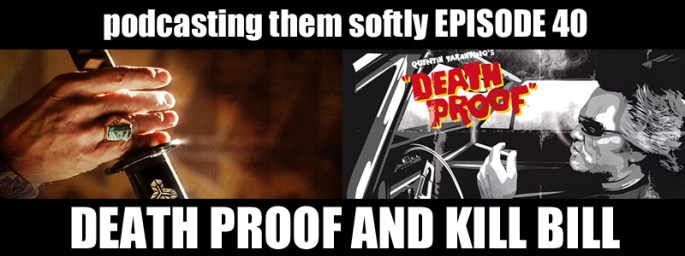
EPISODE 40: DEATH PROOF and KILL BILL Vol. 2

episode 40

Join Tim and Frank as they discuss their respective favorite Quentin Tarantino films!  It’ll be a, spirited, discussion to say the least!

The Blind Wolf speaks: An Interview with Kurando Mitsutake by Kent Hill

Independent film making is a minefield.

I recall Tarantino being asked for his advice on how to break into the film business. In his response he compared films to waves breaking against the shore. One after another, after another. I’m paraphrasing here, but at the end of his answer he said if you really want people to stand up and take notice, then you have to put a killer shark on one of those waves.

Kurando Mitsutake has been climbing the mountain towards success in the industry for a while now. Burdened by low budgets and tight schedules, he has refused to surrender to defeat by virtue of his tenacity and creativity. Thus he has gone on to produce a collection of eclectic, action-packed explosions that not only homage but summon the spirit of the heady days of that glorious age that saw the rise of exploitation cinema.

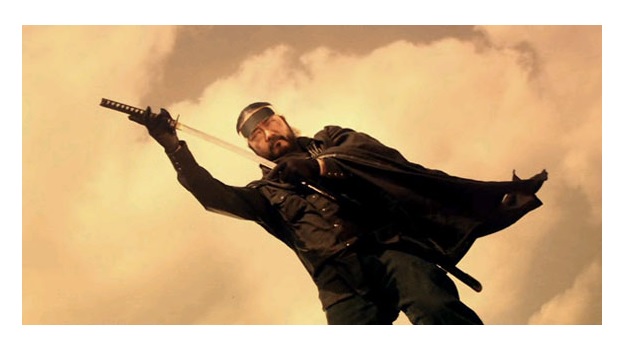
Beginning with his audacious debut Samurai Avenger: The Blind Wolf, Mitsutake brought to my mind memories of Jodorowsky’s El Topo as he would himself write, direct, produce and even star in the ultra-violent extravaganza that carried all the delightful hallmarks of a revenge western, along with shades of Kenji Misumi’s Lone Wolf and Cub series.

Success lies at the ends of roads that present everything from gentle rises to precipitous falls. Kurando has known both and has managed to endure. His ability to deliver furious and engaging movies on a shoestring has preempted his rise, and rise again. He is a filmmaker on the verge of greatness, and what he may he yet achieve with a healthier budget or, dare I say it, studio backing will be (I have no doubt) a film the likes of which the world has not yet experienced.

He was an absolute delight to talk to and I say to you now, mark well and remember – Kurando Mitsutake has only just begun. His journey will captivate, his cinema will excite.

I give now, The Blind Wolf himself . . . . Kurando Mitsutake.

From Dusk Till Dawn 3: The Hangman’s Daughter- A Review by Nate Hill 

Some franchises feel stale and wrung out by the time the third effort comes along, but not From Dusk Till Dawn. In fact I’d even be so bold as to say that despite not having quite such a budget and resources as the original Tarantino/Rodriguez splatter party, this prequel almost has more in the way of imagination. The first came out of the gate roaring and paved the way, the second was a more mellow heist orientated flick that incorporated the horror elements in as it went, but the third does something altogether different. It’s a period piece, set a hundred years in the past, sometime around the Mexican/American war. When notorious outlaw Johnny Madrid (Marco Leonardi) dodges the hangman’s noose and escapes, he brings abused daughter Esmerelda (Ara Celi) along and scrambles for the state line. The ferocious hangman is none too pleased, given the menacig scowl of Maori bad boy Temuerra Morrison, who played Jango Fett in another prequel we all love. Rounding up a posse, he hunts Madrid and his scurvy gang through the terrain. Madrid is unknowingly headed for a far worse danger though, when he and Esmerelda run straight into the iconic Titty Twister bar, dressed up like a frontier whorehouse this time around. Also along for the ride are a group of wagon travellers including a young newlywed couple (Rebecca Gayheart and Lennie Loftin), oddball Ezra (Orlando Jones) and the real life writer Ambrose Bierce, played with alcoholic grit and gallows humour by Michael Parks. Bierce is famous for actually disappearing somewhere in that area back then, and I like how the film cleverly weaves fact and fiction, putting in a commendable effort to make the turn of events fascinating beyond just a servicable horror level. Danny Trejo also returns, as he must, playing pretty much the same character he did in the first and second, never mind the fact that he keeps dying (you can’t really kill Danny, everyone knows this). I love the formula for these films; they always start out with a slower paced, pulp/crime style narrative that suddenly explodes into creature FX, blood orgies and vampire mayhem without much warning. The first was the bank robbers on the run with hostages, the second was the heist crew and the third is a rousing Desperado style actioner that morphs into the horror we all know is coming. Well produced with a lot of love and some real thought put into the story, exciting and provides more than enough for any horror fan. Definitely the better of the two sequels. 

Ten Actors Who Are Perfect For a Quentin Tarantino Film

Many of us love Quentin Tarantino films for a multitude of reasons; the story, his use of popular music, his dialogue, and especially his casting.  He resurrected the careers of John Travolta, Pam Grier, Robert Forster, Jamie Foxx, David Carradine and introduced Michael Fassebender, Christoph Waltz, Samuel L. Jackson, and Uma Thurman into the mainstream of cinema.  Along the way he has also brilliantly used Kurt Russell, Michael Parks, Michael Keaton, Robert De Niro, Michael Madsen, and many other great actors that have given some of their best performances in a Tarantino film.  There are so many actors that Tarantino should work with, so making a list of just ten is nearly impossible.  But this is my dream list.  Some are more realistic than others.
 

bisset-qt

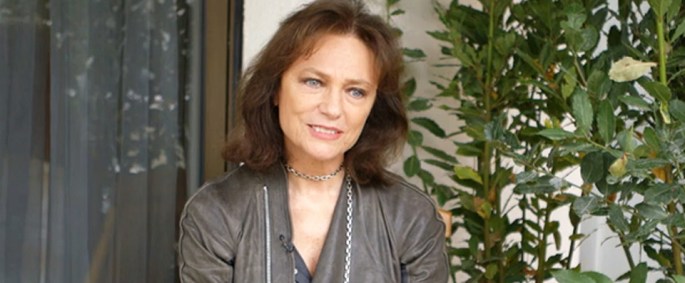
Jaqueline Bisset

                Most recently, Bisset gave a show-stopping performance in Abel Ferrara’s WELCOME TO NEW YORK.  Not only was it great to see her work with such compelling material, but it was also incredible to see her work with Abel Ferrara, a director that’s transgressive works wouldn’t normally attract an actress of that clout and cinematic reputation.  She gives a fierce performance in the film, and I could only imagine what she would be capable of in a Tarantino film.

crowe-qt

Russell Crowe

                Russell Crowe is in prime career transition.  His days of the young, muscular cinematic asskicker are long gone.  He’s currently floating between the mentor, the heavy, and the middle-aged leading man.  His performance in THE NICE GUYS is one of his best in recent memory, and his turn in LES MISERABLE is one of the most underrated performances within the last ten years.  He’s more than suited to headline or sidestep back into a Max Cherry-esque role.
ddl-qt

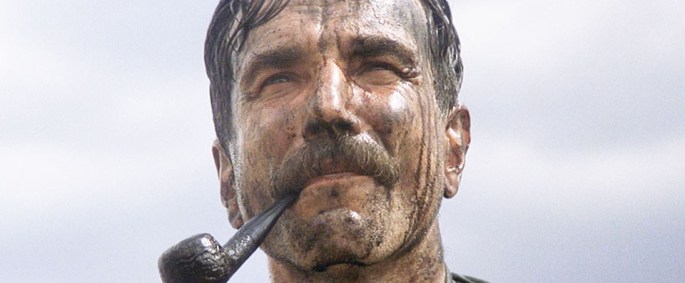
Daniel Day- Lewis

                It’s widely noted that one of the only roles that Day-Lewis has ever sought out was the role of Vincent Vega in PULP FICTION.  First of all, I can’t imagine what DDL would have done with that role, and secondly, I can’t imagine Tarantino, hot off his indie hit of RESERVOIR DOGS telling the studio and DDL no, I’m going with John Travolta.  Day-Lewis can take a role, even in some of his more mediocre films, and knock that role out of the park.  He’s showy when he needs to be, and knows when to reign in a performance to make it so slight and subtle.  Imagine what he could do with the colorfulness of Tarantino’s dialogue.
 fonda-qt

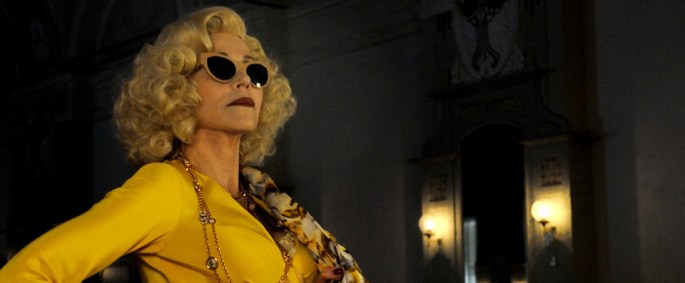
Jane Fonda

                Whatever is left of cinematic royalty, it’s Jane Fonda.  Throughout the years, she has continued to stay relevant in both film and not television with Netflix’s GRACE AND FRANKIE.  Recently, she gave a briefly pulverizing performance in Paolo Sorrentino’s YOUTH.  Casing Fonda would not only be a callback to some her earlier performances, but she would also bring an air of golden movie star cache that we rarely see on film anymore.

ford-qt

Harrison Ford

               Let’s face it, Harrison Ford is one of the biggest movie stars of all time.  He is Han Solo, Indiana Jones, Rick Deckard, Jack Ryan – yet for the past twenty years or so, he hasn’t been as compelling as he used to be.  Yet, his return as Han Solo in THE FORCE AWAKENS is one of the best things he’s ever done.  The return was phenomenal, thrilling, and heartfelt.  His performance was organic, and there wasn’t one moment in the film where it felt as if he were phoning in the performance.  Ford has had quite the ride as a movie star, and his persona would go a hell of a long way inside of a Tarantino film.
gibson-qt

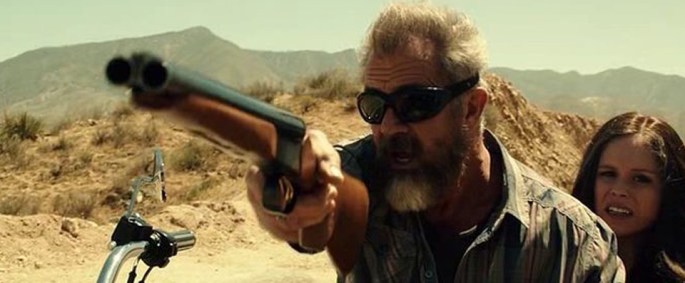
Mel Gibson

                If there is any actor at this moment in time who is due to make a cinematic resurrection, it is Mel Gibson.  His most recent leading turn in BLOOD FATHER shows, without a doubt, that his screen presence is still an unstoppable force to be reckoned with.  His smaller roles in MACHETE KILLS and THE EXPENDABLES 3 further prove that he and Tarantino are a perfect match.  Regardless of how outlandish or low key that theoretical role would be, Gibson would absolutely kill it.

slang-qt

Stephen Lang

                Stephen Lang is much like Daniel Day-Lewis.  He’s a cinematic chameleon.  Decade after decade the guy has disappeared into so many memorable roles in so many memorable films.  Most recently, Lang has taken a career transition as a muscular badass in James Cameron’s AVATAR and this year his gives a tour de force performance in Fede Alvarez’s DON’T BREATHE.  He owns Michael Mann’s PUBLIC ENEMIES, outshining both Johnny Depp and Christian Bale.  Mann knew exactly what he was doing casting Lang, bringing in a skilled actor to bring the film to an absolute stop during the final moments of his epic gangster saga.  The merging of Tarantino and Lang is a cinematic match made in heaven.
mendelsohn-qt

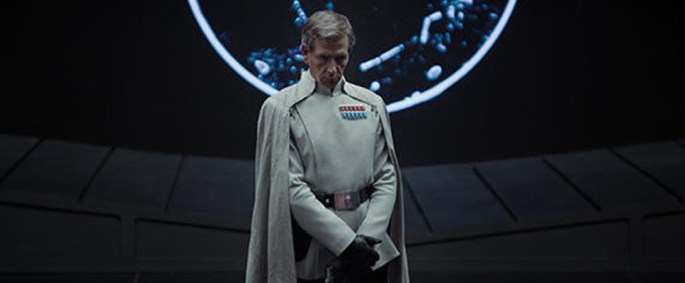
Ben Mendelsohn

                I can’t think of many current actors who has been in so many great films in such a short time span.  KILLING THEM SOFTLY, THE PLACE BEYOND THE PINES, ANIMAL KINGDOM, SLOW WEST, and his next two films are polar opposites: UNA based off of the transgressive and acclaimed Broadway play, BLACKBIRD and ROGUE ONE: A STAR WARS STORY where he is cast as the evil Imperial Director Orson Krenick, the man in charge of the Empire’s military.  A lot of Tarantino’s work is cast in moral ambiguity, and there isn’t anyone better at playing that, than Ben Mendelsohn.
vaughn-qt

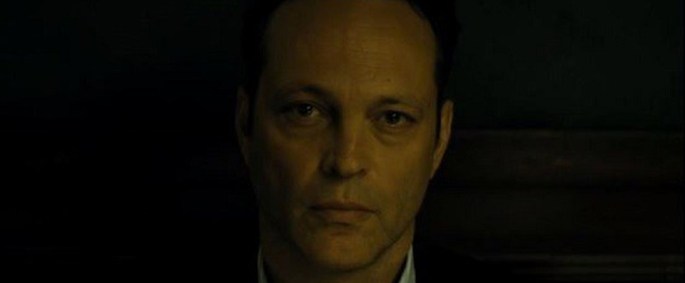
Vince Vaughn

                Thankfully, Vince Vaughn has successfully shaken off his prolific comedic career and has heavily vested himself back into dramatic works.  The amazing second season of TRUE DETECTIVE reset Vaughn’s path as an actor.  His next film is Mel Gibson’s long anticipated World War II film, HACKSAW RIDGE where Vaughn plays a rough and tough commanding officer.  After that, Vaughn is going to be in BONE TOMAHAWK director S. Craig Zahler’s  BRAWL IN CELL BLOCK 99 that sounds as dark and gruesome as BONE TOMAHAWK did.  Vaughn, who can play both humor and drama would be an excellent mesh with Tarantino’s words and look of his films.
weaver-qt

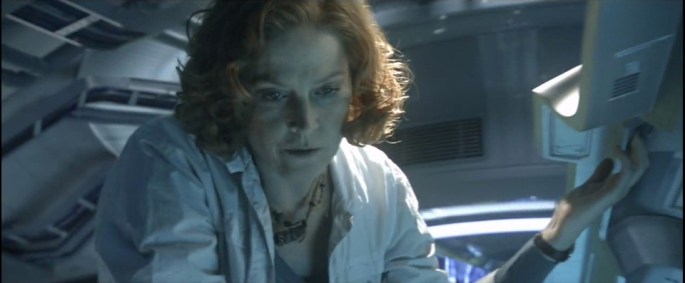
Sigourney Weaver

                Whether she’s killing aliens or emotionally breaking Kevin Kline, or romancing Bill Murray; Weaver has always had a unique and powerful presence on screen.  Her work is always solid, regardless of the end result of whatever project she is working on.  She belongs to the same class of actresses like Pam Grier, Daryl Hannah, and Jennifer Jason Leigh – those actors who had at one point were A list actors due to not only their sex appeal, but also their carefully crafted performances.  Whether she’d be a femme fatal, or a badass hero – she would fit perfectly into Tarantino film.