Jaume Balagueró’s Sleep Tight

There’s slashers, serial killers and then there’s villains of an altogether more disturbing nature like that of Sleep Tight, a deeply disquieting Spanish psychological oddity that sets in slowly and builds to a devastating payoff. In a sunny Barcelona apartment building, life seems breezy and pleasant. Friendly concierge César (Luis Tosar) greets the tenants kindly every day and does his job dutifully. Little do any of them know, César is a misanthropic, mentally disfigured lunatic whose very mission in life is to covertly make the lives of everyone around him thoroughly miserably because, as he tells us in forlorn inner monologues, he is physiologically incapable of feeling happiness. What does this involve? Well for starters, sneaking rotten fruit into the back of fridges, feeding an old woman’s dog the wrong kind of food to give it the shits, watering rooftop plants at the hottest time of day to kill them and piss off the building’s owner, small petty stuff like that. However, a beautiful young woman (Marta Etruria) living in one of the suites has a sunny disposition that isn’t so easy to breach and he goes to some skin crawling, abominably sociopathic measures to do so. The film chooses to focus on César as a protagonist rather than have him skulking about in the shadows like the villain usually does, so what we get is something that feels like a twisted character study as opposed to outright horror, but that structural augment doesn’t stop this from being one of the most upsetting experiences you could have. César is a sick, sick man and despite how intimate the script allows us to get with him, he’s never likeable, relatable or in any way justified, no inspires sympathy at all in these horrible actions like some black sheep characters in film. Tosar (who I remember as the intense Cuban drug lord in Michael Mann’s Miami Vice) is a stark looking dude, whose severely receding hairline has apparently migrated downward into eyebrow territory for a very, shall we say, otherworldly appearance. He’s great in the role, opaquely amicable on the surface but we can see the malformed creature inside just through his coal burner eyes. Director Jaume Balagueró also made on of my favourite underrated horror films, 2004’s Darkness with Anna Paquin. He knows how to use light, shadow, oppressive architecture and eccentric character traits to create a believably creepy atmosphere with shades of Hitchcock and classic thrillers of the like. This is an expertly told, beautifully produced original story and well worth watching but word of warning, it’s not roses and sunshine. This is a grim tale of a terminally unpleasant, incurably mentally ill monster who commits sustained acts of shocking menace and perverted exploitation that culminate in a sickening final reveal that will have the bile rising in your throat. But it’s not without its charms either, including terrific character work, picturesque production design and splashes of pithy black humour. Great film.

-Nate Hill
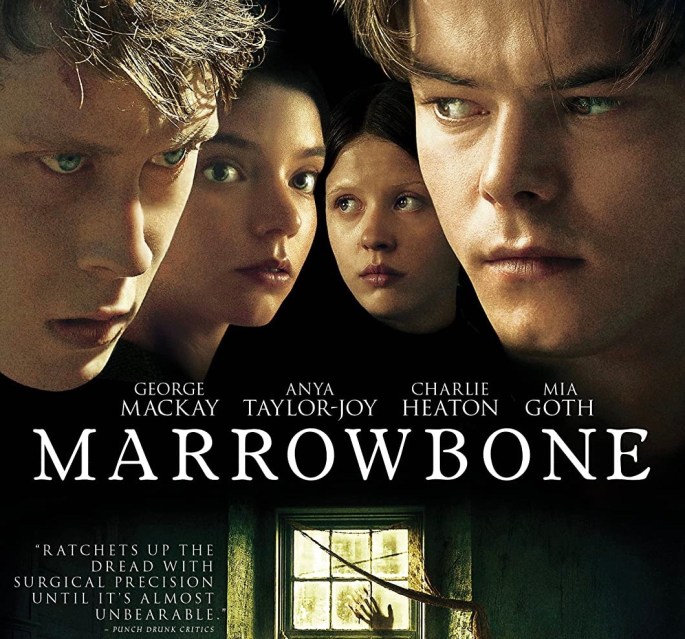
Sergio G. Sánchez’s Marrowbone

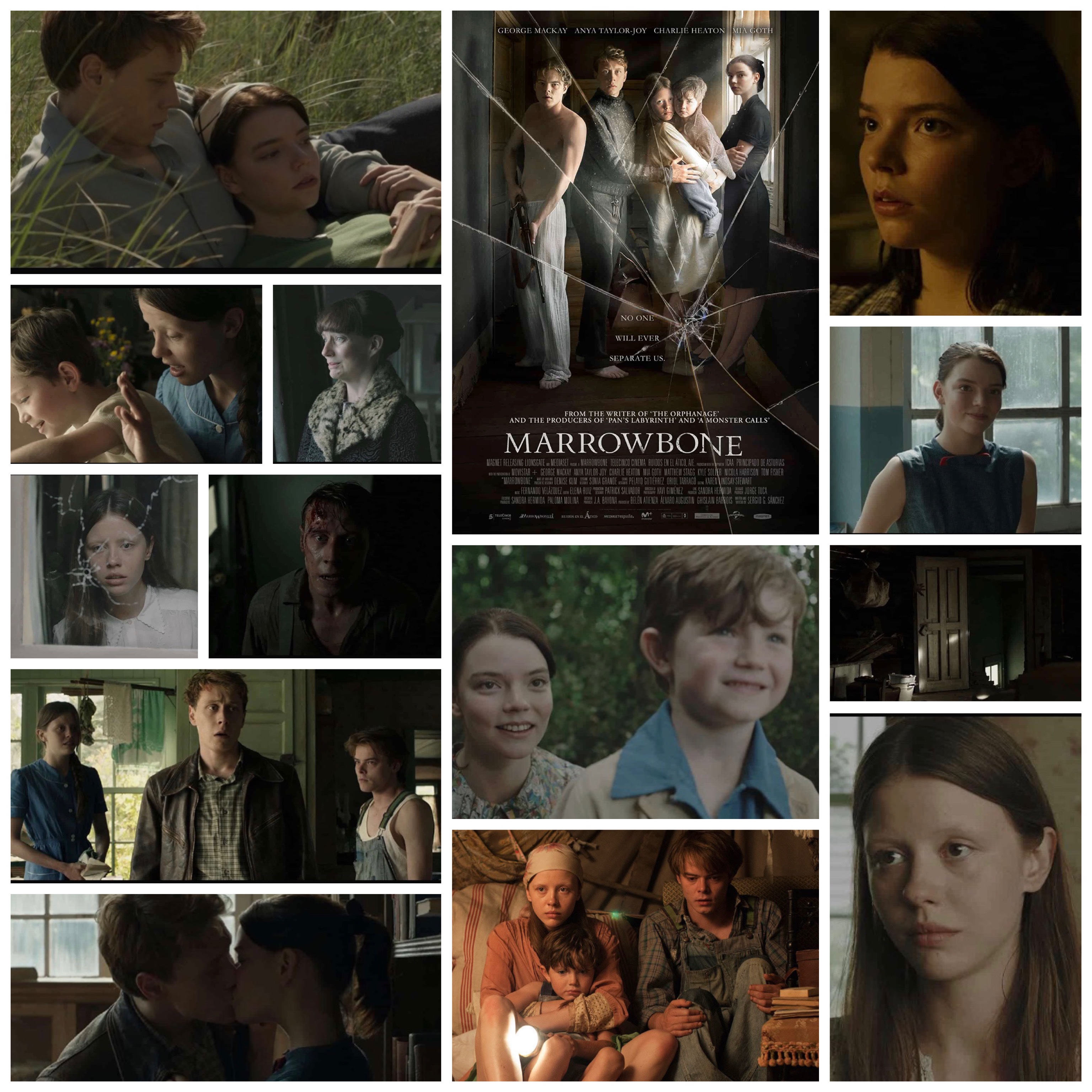
Horror movies always work best for me when the scares are in service of story, when character and emotion come first and the supernatural or horrific elements work their way into the human side organically, which is what we see in Sergio C. Sánchez’s Marrowbone, a wonderful, terrifying, heartbreaking masterwork that I just happened upon while browsing Shudder. You’d think it would have made a bigger splash with how prolific it’s four principle young cast members are, but it’s just as well that it retains hidden gem status. An English family of four children migrate over to America with their mother, running from a dark past and taking up residence in Marrowbone House, a place once owned by vague family. After the mother passes away the four are left on their own to financially keep the house, look after each other and survive demonic trauma that hovers over all of them them. Oldest brother Jack (George MacKay from Captain Fantastic, How I Live Now and 1917) is the natural leader and caretaker, trying his best to look out for younger siblings Billy (Charlie Heaton of Stranger Things), Sam (Matthew Stagg) and Jane (Mia Goth from Suspiria and A Cure For Wellness). They basically have no one in the world now except their friend local librarian Allie (Anya Taylor Joy, The VVitch, Split), who soon falls deeply in love with Jack and has a desire to help him and his family through dark times. Soon they hear eerie noises from the attic and a suspiciously sentient full length mirror draws attention in inexplicable ways as the ghosts of their past rise up to haunt them and memories once long buried begin to surface. I don’t want to say too much because this is such a fun puzzle box of a story to unravel and includes some twists that are tough to see coming (pay attention to the poster, where a big clue hides in plain sight). It’s a sad, forlorn tale about children growing up far quicker than they should have to, familial trauma and violence leaking over into the next generation and the ripple effect that evil and malcontent in a family can have. There’s wonderful romance that is sold effectively by MacKay and Joy, who are both superb, as are Heaton and Goth in roles that are secondary but no less deeply felt and acted. The scares are genuinely, bone chillingly fucking terrifying stuff, and the fact that restraint and subtlety is used make them all the more effective. Seriously, there are a few squirm out of your skin, shudder down your spine moments that push the creep factor past eleven on the dial, which isn’t easy to do. What makes the film work so well for me is that it cares deeply for these kids, their situation and makes each character stand out in their uniqueness, thanks to strong acting work, writing and music. It has a slight gothic feel, and I almost got like a ‘horror version of Narnia’ fantasy feel from these characters and their plight, but that could have just been me. Brilliantly written and directed by Sánchez (his freaking feature debut I might add), vividly and emotionally acted, it’s just a beautiful and frightening story worth immersing yourself in and one of the best horror films I’ve seen in a long time. 10/10.

-Nate Hill

Jack Clayton’s The Innocents

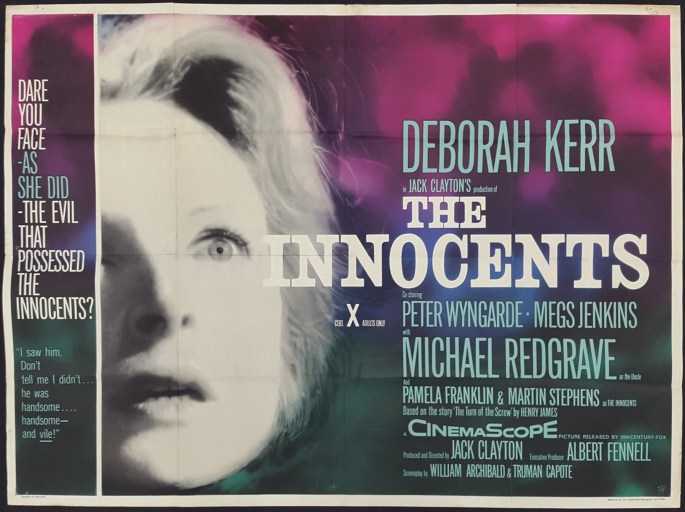
What is it about black and white films that is somehow just inherently creepier than the rest? Daylight seems eerie, anything could be a shadow and spectral presences are easier to hide in any given frame. Jack Clayton’s The Innocents is a frightening, beautiful piece of Victorian Gothic horror that’s subtle in all the right places, baroque when it needs to be and very unsettling, especially from an auditory standpoint. Deborah Kerr plays a young governess who travels from London to the countryside to look after two children in a large Manor, which of course is haunted and causing the youngsters to behave very.. strangely. Now this is of course the source material for Netflix’s brilliant Haunting Of Bly Manor and I don’t want to go too deep into comparison except to say that I greatly enjoyed both, Bly is a nine hour television series and naturally has way more depth in supporting characters and subplots, but it’s more of a love story while Innocents is the scarier of the two and works splendidly as a horror. It’s indeed very scary but not in terms of jump scares, leering ghouls or your usual brand of madness. Practiced in the art of subtlety, this film uses stark black and white photography to unsettle as the acrid marshlands and ornate, breezy corridors of the house yawn open for whatever spectral denizens lurk unseen. Sound design is key here too and should be applauded: in my favourite sequence, Kerr wanders the halls at night and hears some incredibly spooky whispers, moans, clanks and wheezes all around her. There’s something so evocative and iconic about a beautiful blonde Victorian girl, hair down, nightgown flowing, holding a candelabra and wandering the darkened halls of a vast haunted estate, its its own aesthetic. There’s another scene I loved in which she stands at the edge of a boggy pond and gazes over to the other side where the ghost of a former governess stands hauntingly still among the reeds, gazing back. It’s done in broad daylight and adorned in a hectic symphony of jagged sounds and is just so damn unnerving I had to rewind it and watch again just for double spook factor. I wasn’t quite sure what was implied by the ending of this but I enjoyed the note of ambiguity present in its conclusion, like the air being sucked out of the room abruptly or the night wind robbing a candle of its glow with one hoarse gust. This is a gorgeous, macabre, aesthetically pleasing horror gem.

-Nate Hill

Devil

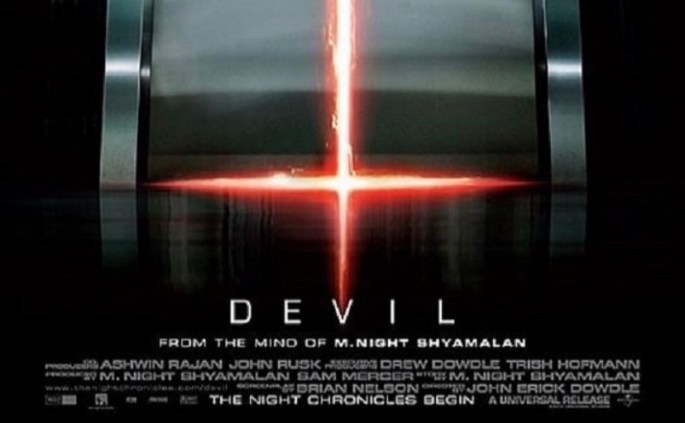
There’s a lot of bad mojo out there for this film and maybe it had to do with the fact that M. Night Shoppingcart was attached during the nadir of his creative enterprise. He’s endured a fair helping of hate but I’ve always loved his storytelling and I really enjoyed Devil, a film that lives up to its title in ways you don’t see coming and weaves a taut, spring loaded morality fable laced with just enough supernatural menace to keep us on edge. One stormy day in a Philadelphia high rise five strangers find themselves trapped together in a busted elevator. A young woman (Bojana Novakavic), an old woman (Jenny O’Hara), a mechanic (Logan Marshall Green), a snotty dweeb in a suit (Geoffrey Arend) and a temp security guard (Bokeem Woodbine). Outside a police detective (Chris Messina) with a tormented past races against time to get them out as they all start dying one by one. One of these five in the elevator is in fact the Devil, in a quite literal sense, and he’s killing the others off one by one when the lights flicker in and out. How do we know this? The obligatory superstitious Latino Catholic character nervously informs us, of course. Alright, this isn’t the greatest film on some fronts, the story could have been a bit more focused, there’s some third act revelations that swoop in out of nowhere and although I myself didn’t guess off the bat who was the Devil, I’ve heard many claim they did, but who knows if that’s true, film critics are notorious flakes and liars. There’s a lot to enjoy here, including those third act revelations, the final twist lands well exceptionally well with timing and pathos, the Devil has some slick dialogue when he finally does show himself and the character work is pretty good. Also, you know your cinematographer is having fun when he opens the film with a classic overhead cityscape shot… presented upside down. The man in question is legendary DOP Tak Fujimoto, whose credits include everything from Silence Of The Lambs to Pretty In Pink to Badlands to The Manchurian Candidate. He has a blast here with ballsy dolly shots, quick zooms and wide pans that make the building feel larger than it is and the elevator smaller than it is, very effective work. I’d love to hear what the abject haters of this have to say for themselves *without* mentioning Shyamalan and focusing on the film itself, because it’s pretty weak, tired and hive-minded to attack his solid, varied and excellent career just because it’s cool to do so. Devil is wicked fun, a high concept supernatural shocker that isn’t perfect but entertained the hell out of me.

-Nate Hill

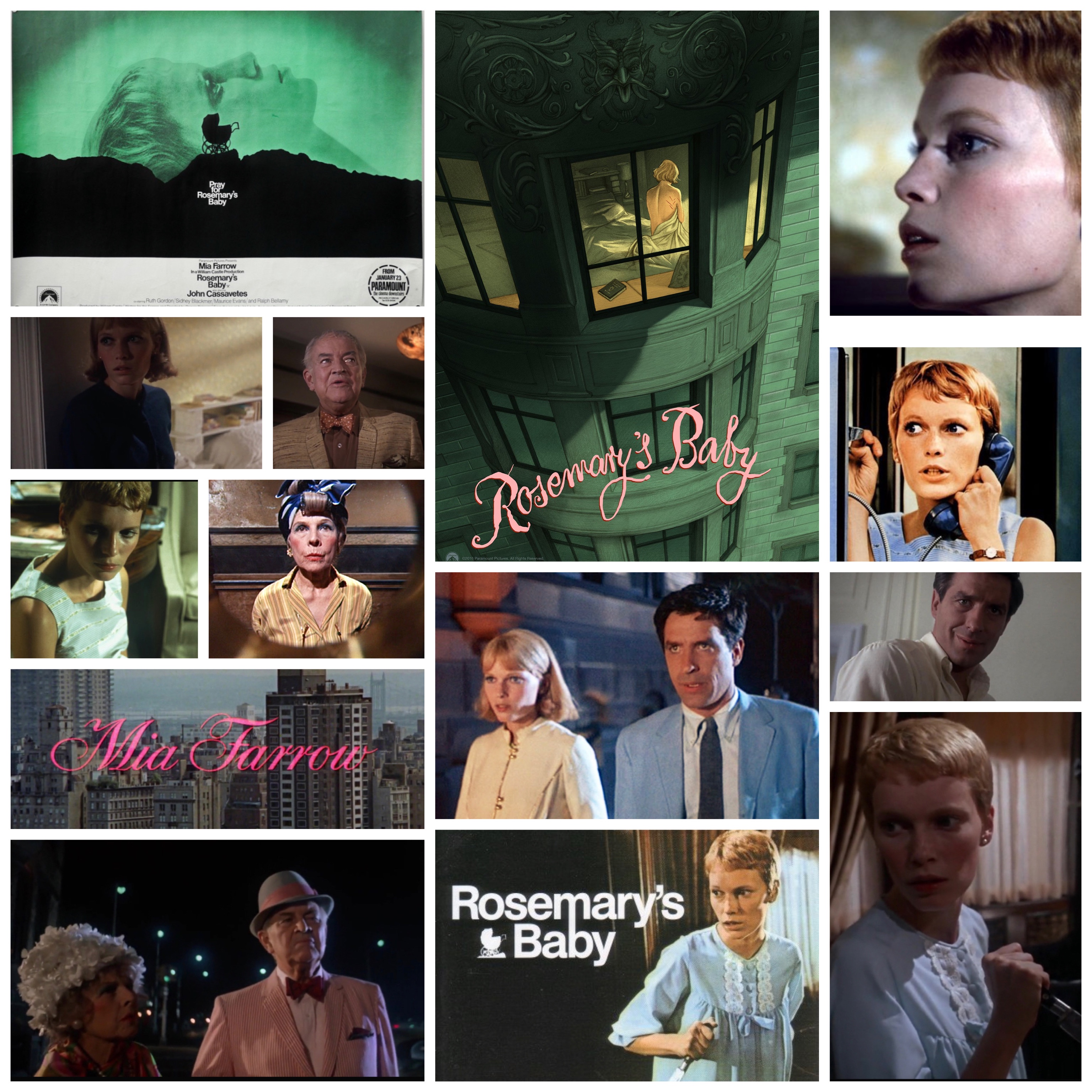
Rosemary’s Baby

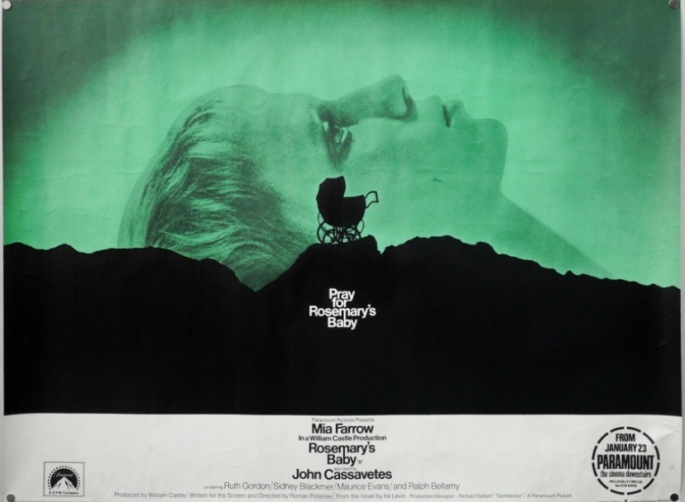
I saw Roman Polanski’s Rosemary’s Baby for the first time this week, and what a sensational, slow burning, delicate piece of unholy dread. I think I was expecting something more heavy handed or outright demonic like The Exorcist, but this is a gauzy, laconic, eerily reflective piece that takes time to hang out with all of its characters until you feel like you too are a tenant in the drafty, beautiful, impossibly spacious New York City brownstone apartment building where this dreamy tale unfolds. Young, naive Rosemary (Mia Farrow) and her gregarious actor husband Guy (John Cassavetes) move into a sprawling suite in this castle overlooking the park and seem poised for an idyllic life there as they try for a baby. Soon they get quite close with their odd duck neighbours, an older couple called the Castevets, played to the fruitcake hilt by Ruth Gordon and Sydney Blackmer. This is where the trouble begins, as these two pseudo parental totems insinuate their way into Rosemary’s life and then, more dangerously, her pregnancy. This is a horror film, a marriage drama, an occult mystery, a screwball comedy and a surreal arthouse enigma rolled into one special experience. I wasn’t expecting the level of experimental unease fuelled into a simultaneously gorgeous and anxiety inducing dream sequence where abstraction, Nightmare logic and off key sound design are used to quite literally transport you to another realm. Farrow is terrific as Rosemary and captures the small town naïveté of this character, inspiring caring and sympathy from the viewer when no one else is fighting in her corner. Cassavetes has some pep in his step, I had no idea he also acted but he’s got a slightly more buoyant Roy Scheider vibe and commands the screen nicely. Gordon and Blackmer definitely steal the show as the Castevets though, what a pair of loons. They dress like Hanna Barbera cartoons, never *ever* stop talking and deftly cover up their sinister intentions with flagrant eccentricity and the fact that no one can get a word in edgewise around them. There’s also fine work from Ralph Bellamy as a weirdo, unorthodox Doctor, Charles Grodin, Tony Curtis and more. Pretty sure I saw Sharon Tate hovering around in the background too, which was cool. The film begins with an overhead chopper shot of NYC as a haunting, melodic lullaby is sung by Farrow herself over the opening credits, luring the viewer into trancelike devotion for two transfixing hours as we see a woman fall victim to dark forces that flutter on the fringes of awareness unnervingly before making themselves known it by bit. A brilliant piece of atmospheric horror anchored by Farrow’s angelic work and eerie, unconventional direction from Polanski.

-Nate Hill

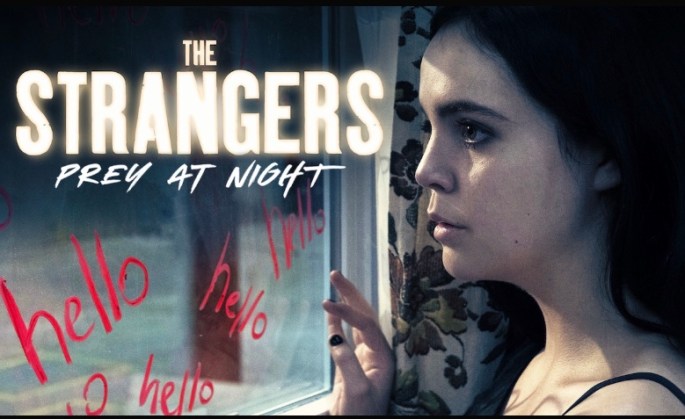
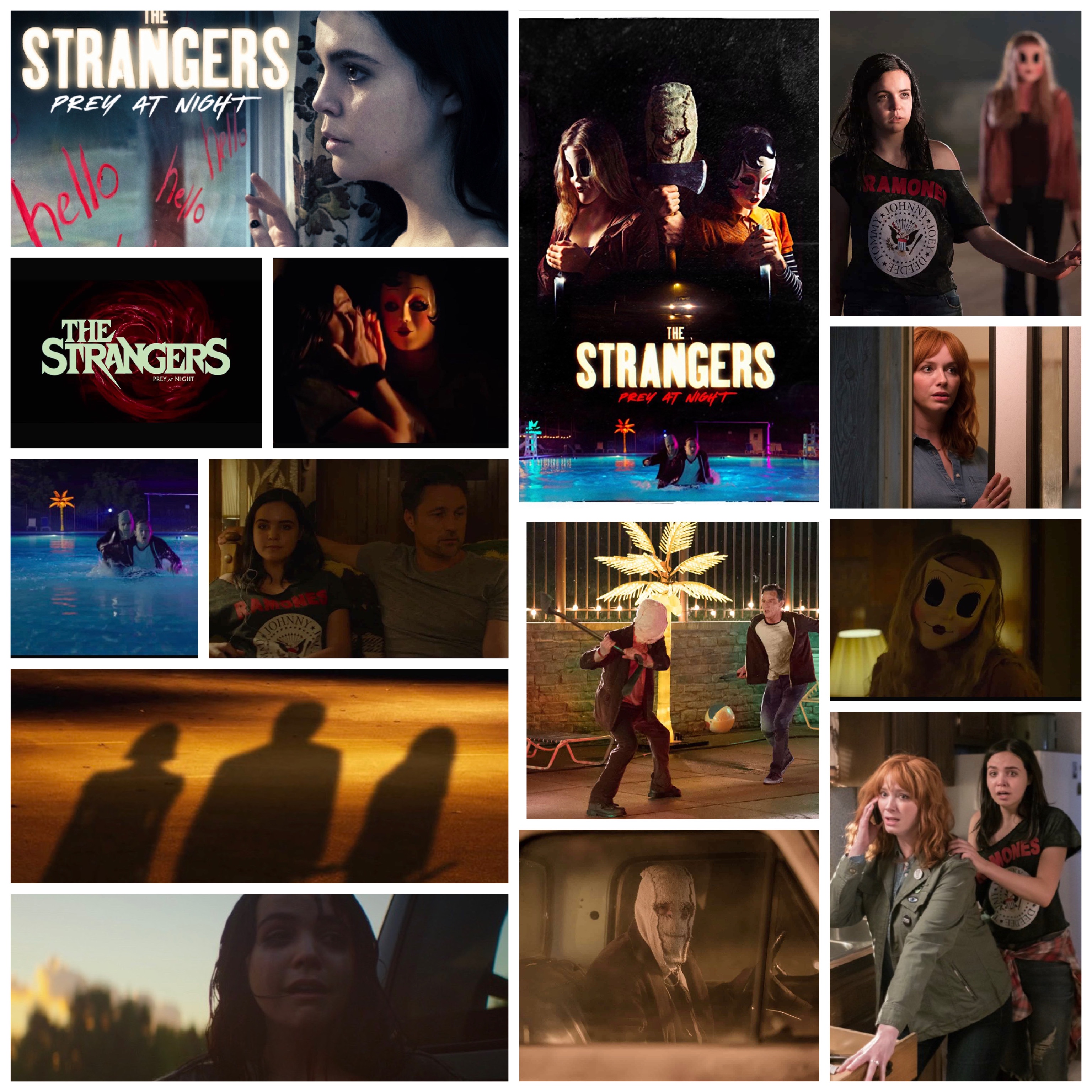
The Strangers: Prey At Night

2006’s The Strangers is one of my favourite horror films, so when I found out there was a sequel (over ten years later, no less) I kind of hovered around it apprehensively a while before taking the dive. It’s actually a solid gem, and in some ways better than the first film although quite different in style and tone. The first saw on-the-rocks couple Liv Tyler and Scott Speedman stalked at their remote cabin, it was hushed, shadowy, it employed silence, creaky doors, an eerie record turntable and other low key elements to terrify and create atmosphere, it was quite sombre and muted. The Strangers: Prey At Night couldn’t be louder and prouder, dipped in the newly popular 80’s synth aesthetic, gory as all hell, celebratory in its bloody, neon, frenzied, unabashed spectacle and I love the direction they took with it. There’s an entire family this time, mom and dad (Martin Henderson and Christina Hendricks) and bro & sis (Lewis Pullman and Bailee Madison) on a family vacation at a suspiciously deserted mobile home resort. The trip is meant to restore bonds and heal tension within their family unit, but such is not in the cards, as we soon see the three unmistakable, spooky serial killers from the first film descend on their location, stalk, torment and try to kill them. The casting is great here, Henderson I haven’t seen in a while and has horror roots from The Ring, I’ve always enjoyed his work. Hendricks is on a decade long hot streak and does a fine job. My favourite was Bailee Madison as the troubled teenage daughter though, she has excellent range and goes from high strung and vulnerable to killer instinct survivalist with emotional clarity and vicious resilience. The filmmakers obviously got on-board this 80’s nostalgia train and I just love how it’s coming back, there’s a beautiful electronic score and some choice soundtrack picks including Kids In America, Night Moves, Cambodia and a thundering climactic riff on Total Eclipse Of The Heart set your one of the most hectic, elaborate and excitingly stages finales anyone could dream up. If you’ve seen The Strangers you’ll remember how bleak, smothered in darkness, nihilistic and bitter that one was in spirit, and the feeling the ending leaves you with. Prey At Night strives to be the antithesis to that in terms of tone, feeling and outcome. There’s a striking set piece at the resort’s pool lit by fluorescent palm trees that is showcase horror and one of my favourite sequences in the genre of late. If the first film was the oppressive witching hour of night, this is the first neon rays of dawn, a spectacularly violent, cathartic, rip-snortin confrontation between three despicable sickos and one tough cookie teen that just won’t let them walk all over her. Surpasses the original in my book, and one of the best horror films I’ve seen in quite sometime.

-Nate Hill

Queen Of The Damned

Queen Of The Damned is not a great movie, but hot damn if it ain’t a sexy good lookin’ one. I’m not sure how long the Anne Rice Book is that it’s based on or what she thinks of this film, I haven’t read a single piece of her written work, and the only thing I have to compare to is Neil Jordan’s Interview With The Vampire, one of my favourite horror films. If that one used pacing to evoke passage of time and made you feel how inexorably taxing immortality must be, this one flies by in what feels like less than feature length, doesn’t take its time whatsoever and feels like something slight, stylish and B level that SyFy would put out, which isn’t a bad thing in itself but maybe not quite up to Rice’s pedigree. In Interview, Lestat was played by lanky, genuinely menacing Tom Cruise and here they went with Stuart Townsend, who I’ve never heard of before this but seems off in the role, like Brandon Lee lite with fangs. After awakening from a 200 year slumber he decides to start a rock band, and his songs wake someone else up in the form of ancient vampire Queen Akasha, played by the late Aaliyah in a captivating, potentially star making turn. There’s also a London based historical society who sends one of their own (Marguerite Moreau, whatever happened to her?) to investigate him, she instead falls under his spell. The vampire hierarchy led by a beautiful, stately but underwritten Lena Olin are vaguely pissed off at Lestat and Akasha and vaguely intervene with the help of a vamp who once turned Lestat from mortal (Vincent Perez). The problem here is the story isn’t well told enough, I guess from writing, editing or both standpoints. This is an exercise in style and everything else gets tossed aside like a drained corpse. But what style it is. The costume and production design are breathtaking, inspired by the past but still kind of futuristic and otherworldly. The slick nocturnal palette is reminiscent of other visually splendid early 2000’s vampire keystones like Underworld or 30 Days Of Night. There are absolutely gorgeous set pieces including a Death Valley outdoor rock concert and a super kinky rose petal filled bathtub make-out scene between Lestat and Akasha that is a delirious turn on. Aaliyah tears into the role and makes it her own with vicious command over dialogue, aching sex appeal and lithe, animalistic physicality that takes over every frame. It’s really, really sad she died so soon because I feel like she would have had an unbelievable run in Hollywood with that level of talent. There’s a lot here that works but a ton of it doesn’t, starting with smirking pretty boy Townsend as Lestat. He’s good looking, sure, and physically fits the bill but I just didn’t buy his presence as such an inherently intense creature. The eventual showdowns feel abrupt and are littered with silly VFX that could have been done way better. The story feels clipped, rushed, garbled and devoid of fluidity or connective tissue, like the editors went to lunch halfway through. But fuck man, will this thing ever give your eyeballs orgasms, it’s a rich visual jewel of artistry, costume innovation and stylistic splendour. Just tell your story better next time.

-Nate Hill

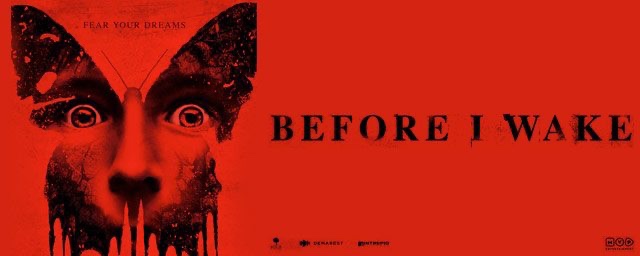
Mike Flanagan’s Before I Wake

What if when someone went to sleep, whatever they dreamt of at night manifested in the space around them as real, tangible and sometimes very dangerous apparitions ? This concept and much more is explored in Mike Flanagan’s sensational Before I Wake, a film that somehow slipped past my radar back in 2016 but I caught up with it last night and, like most of Flanagan’s output, fell in love with this story. There’s just something so clear, emotionally resonant, palpably scary and well woven about this guy’s horror work in cinema and television, he’s my new muse in the genre. This tells the story of a very special young boy called Cody (Jacob Tremblay from Room and Doctor Sleep), who has the elemental power to project his dreams as reality when asleep. This can be both beautiful and terrifying because, like any human being, he has both good and bad dreams. His gift makes it hard to stay with one foster family for long before things get out of hand, until one couple (Thomas Jane and Kate Bosworth), already grieving the loss of their own child, decide to take him in. At first it’s just butterflies that inhabit their house when he sleeps, but he has a recurring phantom who won’t leave him alone, a gaunt, gnarly fiend he calls The Canker Man, and this dude is anything but harmless. Bosworth and Jane wrestle with their own suffering while trying to help him and figure out the esoteric properties of his gift before his demons spread. Bosworth is a quiet, observant actress not prone to dramatic histrionics or screen mugging, she has deep, soulful eyes and a drawn nature that hides emotional wells beneath and I enjoyed her work greatly here. Jane is the paradigm of gruff, alpha exteriors and doesn’t often get roles that showcase his vulnerable side but he’s fantastic here, laidback with emotion simmering on low. Tremblay is just pure talent, representing my hometown solidly and doing a terrific job here, as always. The cast is full of wonderful genre faces including Annabeth Gish as a compassionate social worker, Jay Karnes as a grief therapy counsellor, Courtney Bell and the always memorable Dash Mihok as a tortured former foster dad of Cody’s. I love films themed on dreams, especially in and around the horror genre and this is an exceptional piece. It’s scary, cerebral, character based, beautifully lit with splendid special effects and one gut punch of a twist ending that will get your tear ducts going in overdrive and is a showcase example of inspired storytelling. I have yet to see less than excellent work from Flanagan and his team, this being one of the best.

-Nate Hill

Netflix’s The Haunting Of Bly Manor

Stunning. Sensational. Complex. Deeply heartbreaking. Surprisingly romantic. The creators of The Haunting Of Hill House have done it agin with The Haunting Of Bly Manor, a lush, emotional, Victorian Gothic puzzle box of human drama, tragedy, memories that won’t die and yes, horror too although there’s less of it this time round. As one character remarks, “this is a love story, not a ghost story.” It’s true, and while Netflix hasn’t marketed it as such, if you go in expecting a romantic tragedy instead of full on horror like Hill House (think Guillermo Del Toro’s Crimson Peak) you’ll absorb the material with a clearer, fairer palette.

Our story starts as young American nanny Dani Clayton (Victoria Pedretti) journeys from London to Bly Manor in the countryside, hired by nervous, boozy Henry Wingrave (Henry Thomas, dutifully flaunting a posh dialect he’s clearly worked hard on) to look after his young niece Flora (Amelie Bea Smith) and nephew Miles (Benjamin Evan Ainsworth). Henry keeps well clear of Bly and the two children, content to wallow in his fancy London office, always at the bottom of a bottle for painful reasons we later are privy too. There she meets various complicated and, well written and flawlessly acted characters including tomboy gardener Jamie (Amelia Eve), stoic housekeeper Mrs. Grose (T’Nia Miller), lovable cook Owen (Rahul Kohli) and the black sheep among them, Henry’s shady, maladjusted valet Peter Quint (Oliver Jackson Cohen). Bly Manor itself, referred to in baroquely quaint terms by several characters as “a great good place,” is a world away from the omnipresent shadows, oppressive blue hued austerity of Hill House. Bly is rich, ornate, painted in deep chestnut browns, opulent dollhouse purples (the 80’s setting is proudly reflected in colour here) and the grounds adorned in brilliant green topiary, verdant meadows and beautiful rose gardens.

Now, my favourite part: the story. As told by a mysterious, wistfully mournful narrator played by the always brilliant Carla Gugino, this is a very dense, layered arrangement of interweaving love stories and subsequent tragedies, several ghosts and a host of human beings who all feel real, full of life and vitality and whose pain is shared greatly by the audience because of how excellently character development is cultivated, performance is calibrated and episodes are spun together on a loom of effortlessly fluid storytelling. Pedretti is a wonder as Dani, luminous and charismatic but one can see in her wide, drawn eyes and flighty mannerisms she has a painful past. Past and memory are important themes here, and every character, even the one painted as a flagrant villain, has something in their past that haunts them, causes them pain and dictates the choices they make in our narrative. Thomas is achingly restrained as Uncle Henry, Kohli raw and potent especially in an affecting campfire monologue that encapsulates everything we know, feel and wonder about life and death in one pure utterance. The two children are superb in quite difficult roles that require them to change tone, pitch and mood quite frequently. This story reminded me of those staircases in Harry Potter that continually shift their angles and pitch people out into unfamiliar hallways without warning. This narrative does the same for its characters, trapping them in ‘tucked away’ memories that seem arbitrary at first until you realize it’s for them to come to some realization or epiphany. I love that sort of reality melding, spaced out storytelling that uses memory and the mind in a literal sense and setting, it’s used to fantastic effect here and the story, while structured similarly as Hill House, is its own nesting doll narrative full of complexity and shifting components. Is it scary? Well, aside from a few effectively chilly moments no, not really, and nothing comes close to some of the skin crawling sequences in Hill House. But like I said, it’s more of a human story with life in its veins, and the most disturbing, distressing elements are the emotional rigours these human beings must endure, the torment that memory can inflict, the potent pain of a deep heartbreak, the deep wounds that grief imprints on one’s soul and the ways in which some may find redemption and others… not so much. It’s a tough, emotionally devastating tale and especially so for those who feel deeply and get invested in story and character, it takes its toll. But it’s a gorgeous, challenging, complex, beautifully rewarding experience in the same token, and I’m grateful to Mike Flanagan & Co for doing something equally as spellbinding as Hill House, yet cut from a different sort of cloth altogether. If this were a nine hour film (which is how I recommend you view, it demands to be binged in rapturous immersion) it would be my number one of the year.

-Nate Hill

Creep 2

So there’s a sequel to this Creep film called, you guessed it, Creep 2! It’s actually a way better, richer, more interesting and creepy story than the first, mainly thanks to the fact that our documentarian avatar isn’t some flaccid film school dweeb this time around but someone who is almost as fascinating a character as Mark Duplass’s Creep. He sports a man bun here, and if anything this film escalates the events of the first quite considerably: Creep has switched up his MO from the same old killing ritual into something more… shall we say, elaborate. The person forced to observe his antics this time is Sara (Desiree Akhaven), a web series content creator who deliberately puts herself out there and tries to meet the wildest, weirdest human creatures she can just for those likes and subscribed. Well naturally she doesn’t know the half of what she’s wading into with this guy, and one must employ an unholy serving of suspension of disbelief to buy the fact that the literal army of red flags from this dude wouldn’t be enough to send her running to the hills sooner. However, there’s a certain… darkness to this girl, a magnetism towards danger that is apparent in her mannerisms and at times I almost felt like she subconsciously knew just what kind of person she’s dealing with and ran headlong into it anyways. In any case, he gets creepier and creepier and by the end the tension mounts to a respectable and appropriate level before the big WTF moment. Duplass has fashioned quite a character out of this guy, he’s this aloof, teddy bear dipshit who is almost benign enough to be a bro, and then subtly, carefully lets the crazy seep in between the lines and before we know it he’s gone full cuckoo bananas. This is the rare sequel that outdoes the first, and it would be nice to eventually see the trilogy completed. Maybe Creep goes to space? Freddy Vs. Creep?

-Nate Hill