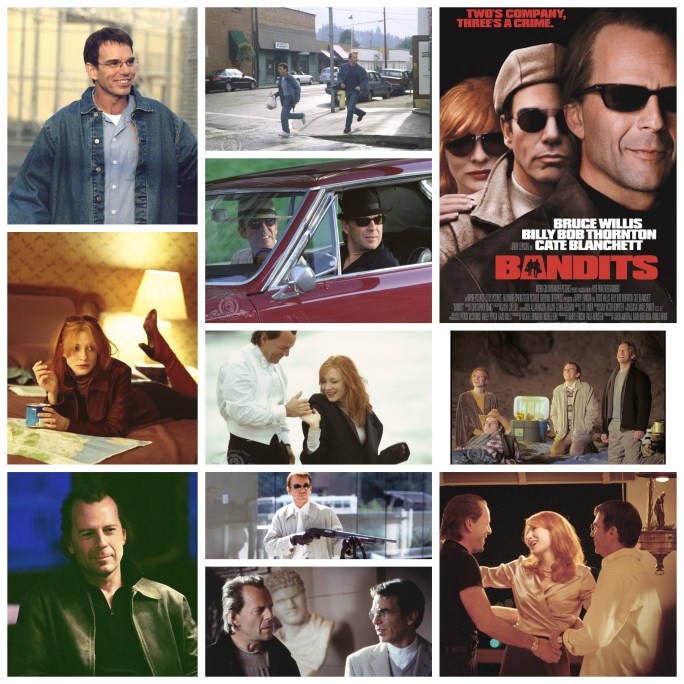
Barry Levinson’s Bandits

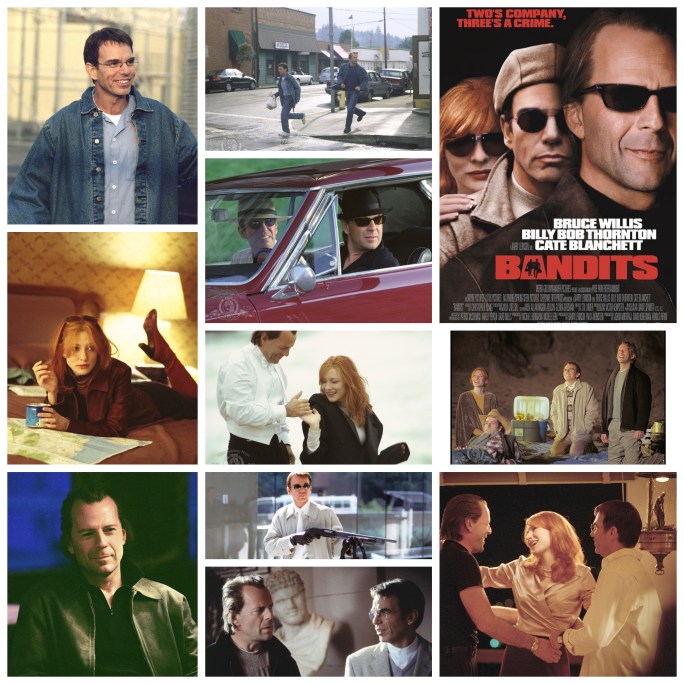
Every once in a while a quirky indie style film slips through the studio system disguised as a star powered blockbuster, and usually isn’t met with the best reception. Such is the case with Barry Levinson’s Bandits, a buddy crime flick by way of an oddball love triangle marketed as Elmore Leonard/Tarantino type fare but emerging as something way more stream of consciousness and weird. Bruce Willis and Billy Bob Thornton play two slippery, bickering bank robbers who bust out of prison using a cement truck (that’s a new one) and continue their nationwide spree of larceny and mayhem, but none of that is even close to as violent or intense as it sounds. There’s a schoolboy charm to these two and every hostage they take, every bank they knock over is a breeze, feeling like a pleasant, quaint experience. Eventually a bored housewife (Cate Blanchett) tags along and they both fall for her, causing friction in a few ways. The three actors are perfect for each other; Willis is the cocky ladies man who has tunnel vision and doesn’t think too hard or too far ahead, Thornton ditches his usual alpha male snake shtick for a jittery, sweet natured hypochondriac fellow and their camaraderie is irresistible. Blanchett is never not in top form and it’s easy to see how a girl like her could stray into their lives, eventually becoming very important to both. Now, anyone looking for taut action scenes, an intricate plot or specifically verbose, showboaty dialogue will be disappointed. As penned by Twin Peaks writer Harley Peyton, most of the character interaction has a spontaneous, free flowing aesthetic and feels improvised half the time, which I loved. As for plot, the bank robber framework simply serves to see these guys meander around beautiful Oregon hanging out and talking with each other, with only a few succinct, clear cut set pieces. This is a film about what happens in between the action scenes or the robberies, about quiet situational humour, quirky romance and organic conversation. It’s tough to adjust to and nothing about the DVD artwork suggests how odd and airy the film will be, but if that’s your bag then you’ll love it. It drags a tad in the third act but pulls together nicely for a cheeky resolution to their story, and is overall an enchanting piece of comedic crime by way of impromptu theatrics. Loved it.

-Nate Hill

Robert Zemeckis’s Contact

Robert Zemeckis’s Contact is a periodically good film that suffers from over-length, clutter and sideshow syndrome, as in it doesn’t trust itself to stick to the effective core story without throwing in all sorts of other hoo-hah just for for the sheer hell of it. At two and a half hours it feels more stretched than Bilbo did before leaving the Shire, and would have been way better off slicing out a good half hour to streamline. What does work is really captivating though, especially a fantastic Jodie Foster in a performance of striking determination as a woman who never loses the sense of wonder she had as a child, and strives to make contact with anyone that may be out there in the vast universe. Of course her efforts meet budget cuts, skepticism and sneers from the government and fellow colleagues like Tom Skeritt’s prestigious researcher, a sadly one note character whose allegiance turns on a dime when she actually receives a message from a faraway galaxy. Speaking of one note characters, get a load of chest puffing James Woods as an obnoxious NSA prick with all the depth a kitchen sink has to offer. John Hurt fares better as an eccentric billionaire who offers Foster funding and support, as does always terrific David Morse as her father. Matthew McConaughey is sorely miscast as a spiritual man and love interest, William Fichtner is excellent as her loyal colleague and friend, Jena Malone great as nine year old Jodie Foster, while Jake Busey, Angela Bassett and a whole armada of unnecessary tabloid celebrity cameos show up too, leading right up to Bill Clinton, who I’m convinced is an alien himself. The thing is, so much of the film is just commotion and nonsense, geared towards wowing audiences instead of trusting the fact that they’ll be at ease with just Foster’s story, which is the connective tissue. The elaborate and drawn construction of a machine based on alien blueprints, pesky religious extremists, theological fanfare that falls flat and incessant faux tv newsreel footage that buzzes around like unwanted house flies and kills the atmosphere, there’s too much in the way. My favourite scene of the film takes place somewhere deep in the universe Foster has travelled to through a wormhole, in which a mysterious being tells her that “human beings are capable of such beautiful dreams, and such terrible nightmares”, a sentiment that parts the clouds and gives the story clarity, as does her arc, relationship with her father and desire to know what’s out there, who we are as a race and where we came from, and it’s in that wonder that the film finds its strength. Much of the rest is just lame earthbound noise.

-Nate Hill

Steven Spielberg’s Minority Report

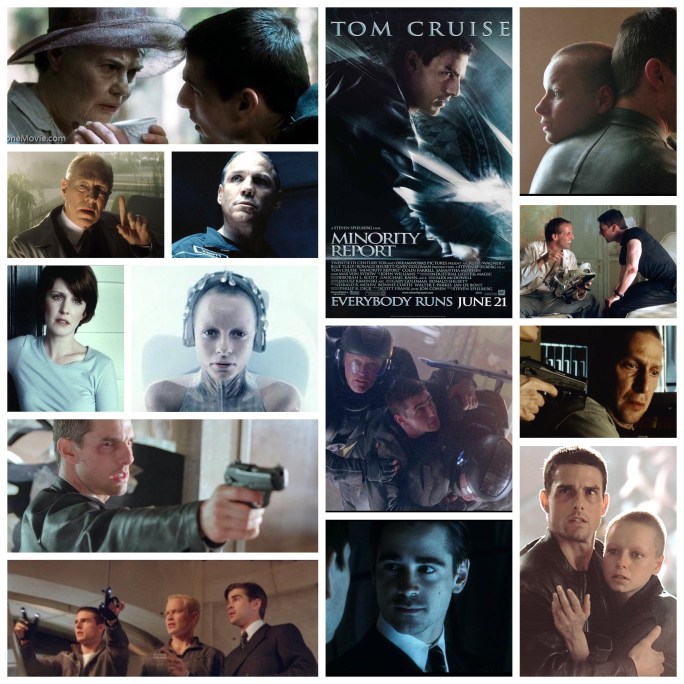
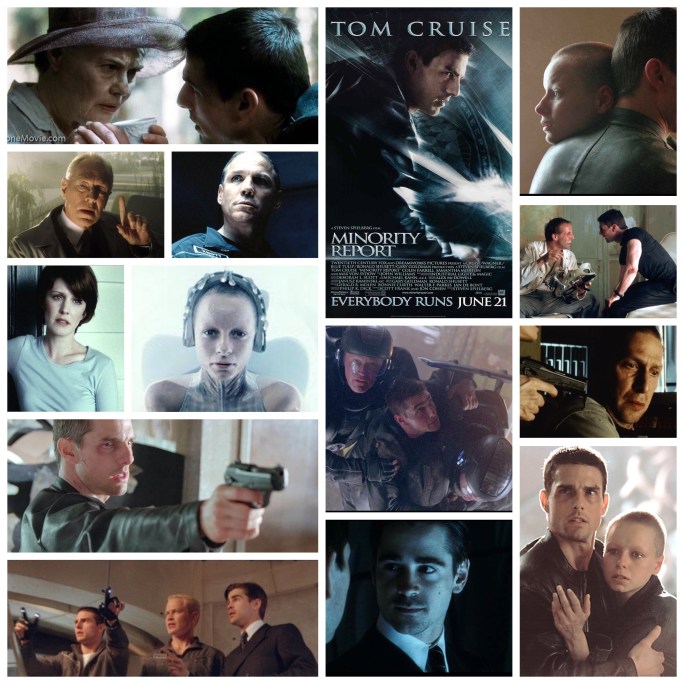
Few films successfully balance story, character, emotion, action and special effects on a scale as grand as Steven Spielberg’s Minority Report, which I saw for the first time last night and am still reeling from. It’s brilliant, intelligent science fiction, a labyrinthine murder mystery, complex detective story and a thunderous action movie all rolled together in a perfectly pitched recipe, probably as close to flawless as you can find. Based on a short story by Philip K. Dick, Spielberg world-builds fantastically around the concept of ‘Pre-Cogs’, neurologically damaged clairvoyants who can predict murders before they happen and have been put to work in Washington DC of 2054, where Lexus hover cars jet along vertical freeways, mad doctors replace eyeballs in a grimy shanty town flophouses, holograms dance about and there hasn’t been a single murder in six years, which is all about to change. It’s a startlingly complex, succinct version of the future where every bell and whistle serves the story instead of being simple gaudy arbitration to flaunt the studio’s money showboating across the screen. Tom Cruise gives a focused, implosive turn as John Anderton, chief of the high tech PreCrime unit, tasked with taking the PreCog’s readings and implementing force to ensure that these future murders never take place, that is until his very own name comes down the tube and he’s propelled on an odyssey to clear his name, smoke out elusive corruption and put ghosts of the past to rest in several different cases. Talk about an eclectic cast of actors supporting him, with standouts including Max Von Sydow as the grandfatherly director of the program, Lois Smith as an eccentric botanist with ties to the past, Kathryn Morris as Anderson’s intuitive ex wife, Colin Farrell as a sharp federal agent who both hinders and helps Anderton’s cause, Peter Stormare positively devouring scenery as aforementioned mad doctor, Tim Blake Nelson as a chatty prison warden, Neal McDonough and Patrick Kilpatrick as fellow PreCrime cops and Samantha Morton who almost walks off with the film in an arresting portrayal of angelic, animalistic PreCog Agatha, whose gifted brain holds power to unlock the past. The central mystery of the film is deep, broad and filled with hairpin turns you don’t see coming, it’s noirish in the way it unfolds but slick and streamlined in design, like all the best retro futurism I can think of, this now included. Better still is the fierce, uncompromising emotional centre where it finds gravity, particularly in a heartbreaking scene where Agatha enlightens John and his wife to their own pain, hers and that of those in the past she is trying to find retribution for, it’s a devastating sequence of blunt truth and unfiltered compassion that resonates beautifully from Morton, Cruise and Morris who all nail it. What more can I say? Roger Ebert said it best when he wrote that this film reminds us why we go to the movies in the first place, and I agree. I was attentive, rose up to met the narrative with my focus and always felt entertained by both the large scale fireworks and careful mechanization of story. Masterpiece.

-Nate Hill

Deadfall

Deadfall is a dangerously sexy, offbeat snowbound thriller with a gorgeous cast, wintry photography and a hard boiled noir edge that feels almost mythical at times. Despite an ending that doesn’t come close to wrapping up its multifaceted, emotionally dense story (someone shit the bed in the editing room), I still love it, it’s wonderfully atmospheric, using character and story to transport you into the narrative, while violence and action comes second but with no less of an impact. Eric Bana gives one scary knockout performance as Addison, a charismatic sociopath on the run with his sultry, damaged goods sister (Olivia Wilde) following a casino robbery that ended in bloodshed and a statewide manhunt. After their car gets spectacularly destroyed, they’re forced through the wilderness to a small county and try to evade encroaching law enforcement. At the same time, a troubled ex-prizefighter (Charlie Hunnam) is en route to the same county to spend the holidays with his estranged parents (Sissy Spacek and Kris Kristofferson), and the paths of these ill fated characters inevitably collide in a blood soaked blizzard of cat and mouse games. Kate Mara is also fantastic as the daughter of an asshole local sheriff (Treat Williams) who thinks that women have no business carrying a badge. There’s a lot of plot threads and elements at play, most of which the film handles with adept fluidity, except for the very end where it seems like a scene or two is missing, I could have used a bit more resoluteness in Hunnam’s arc. The film overall is too good to nitpick, especially Eric Bana’s work, the dialogue written for him has a poetic, ponderous cadence. He really sinks into the role, casting a freaky, incestuous eye towards his sister and calmly, deliberately terrorizing anyone who gets in his way, including a mysterious First Nations man (Tom Jackson) who serves to represent the esoteric nature of the landscape clashing with the materialistic, hard edged criminal element trespassing on it, or at least that’s how I saw it. A near excellent film with more going on under the surface than the mounting blanket of snow suggests (I can’t resist the winter metaphors), plenty of thrills and conflict as well as a fine cast all doing great work.

-Nate Hill

Conor McPherson’s The Eclipse

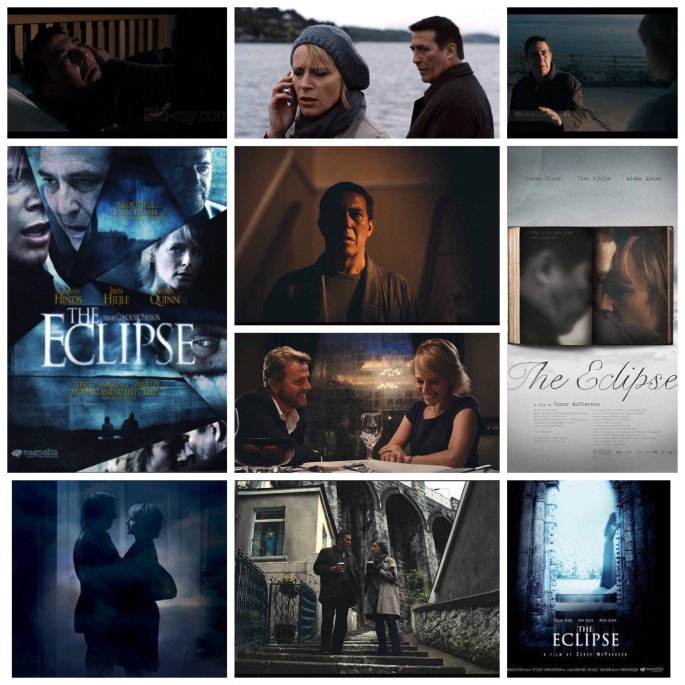
Conor McPherson’s The Eclipse blends elements of horror, romance, grief and mystery beautifully, it’s a small film with a big emotional core, some genuinely scary ghostly occurrences and a fantastic rare lead performance from character actor Ciaran Hinds. Set in a small seaside town on the Irish coast, he plays an artist who is mourning the death of a family member while trying to steer his two young children through the grieving process. It doesn’t help matters when he starts to see frightening apparitions and hear things going bump in the night around his creaky old house, beginning to question what’s real and what’s brought on by stress. When a novelist (Iben Hjejle) comes to town for a writer’s convention, sparks fly between them and a tender romantic angle is introduced, becoming something of a triangle thanks to another far more obnoxious author (Aiden Quinn) who just barges in to make things difficult. The supernatural elements are very subtle and always serve to mirror the mental climate of Hinds’s character, an arc he handles with grace, geniality and gravitas, he is truly a talent and I wish he’d get more starring roles. Ambiguity and uncertainty cement a decidedly European vibe here vs that of many in-your-face, obvious North American horror films which is always welcome too. An undiscovered gem.

-Nate Hill

Harold Ramis’s The Ice Harvest

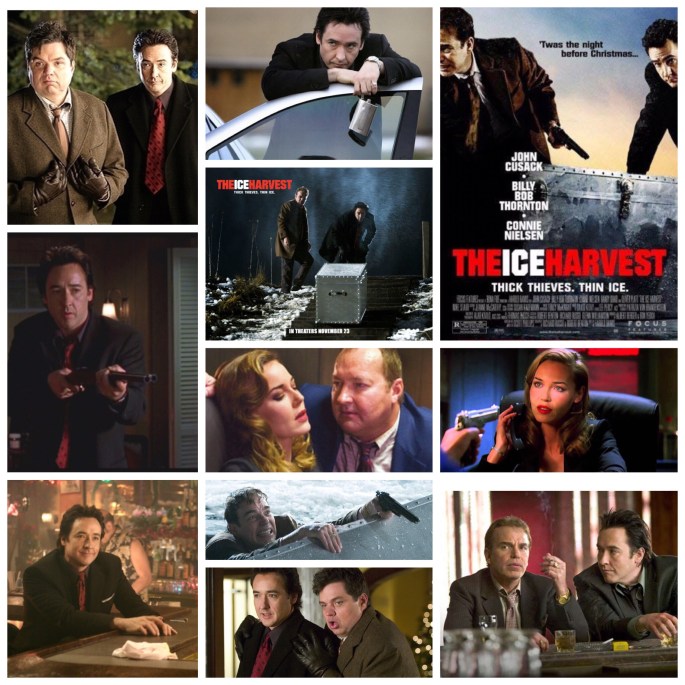
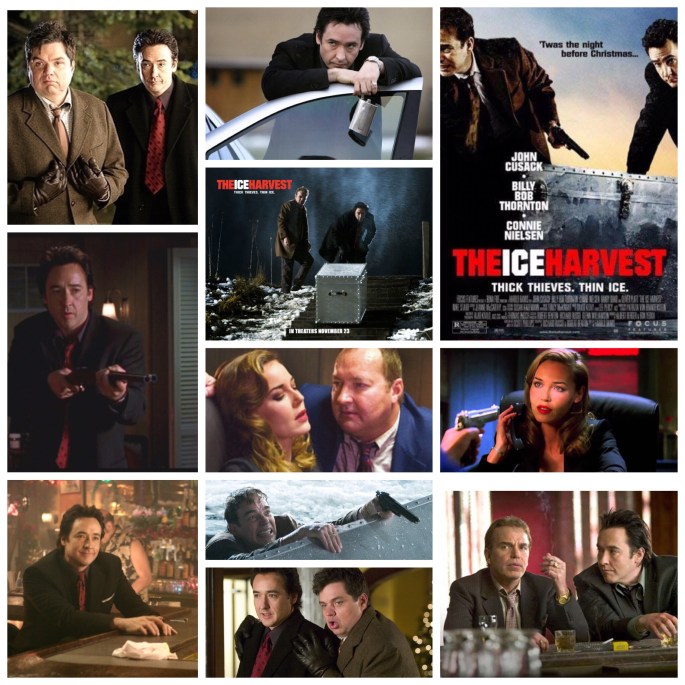
Harold Ramis’s The Ice Harvest is one of my favourite Christmas films and completely overlooked for the dry, sardonic black comedy gold that it is. It’s one of those dour, gloomy Christmas films where not only do things not go the protagonist’s way, but pretty much spiral out of control for everyone else too and the festive setting serves as an ironic lacing to the wry, nihilistic and comically violent story. John Cusack is laconic boozehound mob lawyer Charlie, who has just embezzled his gangster boss for a couple million, with the help of his scheming guttersnipe of a partner Vic (Billy Bob Thornton at his utmost sleaziest). That’s the jumping point for a deliciously warped, noirish descent into deranged family values, deadpan interactions, double crosses and drunken shenanigans, and really is there any other way to spend Christmas Eve? There’s a femme fatale in stripper Renata (Connie Nielsen, rawr), the specifics of whose loyalties remains gleefully ambiguous until later on, a titty bar bouncer (Ned Bellamy) with serious anger issues, a nasty thug (Mike Starr) dispatched to kill them and the vengeful big city kingpin who has been swindled, played by a blustery, cheerfully psychotic Randy Quaid. Speaking of scene stealing, Oliver Platt does an encore as Charlie’s best friend who is now married to his bitch of an ex wife, the impromptu Christmas dinner scene the entire family shares is some kind of fucking demented, mean spirited comedic genius (“Turkey Lurkey!”). It’s interesting because there is not one single redeemable character in the film, they’re all a bunch of conning, backstabbing, murdering, ill adjusted, jaded criminals and severe alcoholics, especially Cusack, who downs enough bourbon throughout the whole night that it’s a wonder he can stand up for the third act. But somehow… somehow there’s a strange likability to these poor souls, trapped in a perpetually snowy Wichita Kansas trying to outsmart, outgun and out-drink each other. Morality rears it’s head but once among the gunplay and verbal sparring, when Charlie imparts a parable to Platt regarding his two uncles, one of whom was a standup guy and died early and the other a scumbag that lived a long life. His point being that it doesn’t matter what we do in the service of morality because it could all end tomorrow, nothing even matters so why waste time trying to be good and get off the naughty list? I enjoy that cheeky justification, and what better time for it than Christmas? A classic for me.

-Nate

Bob Gale’s Black Christmas

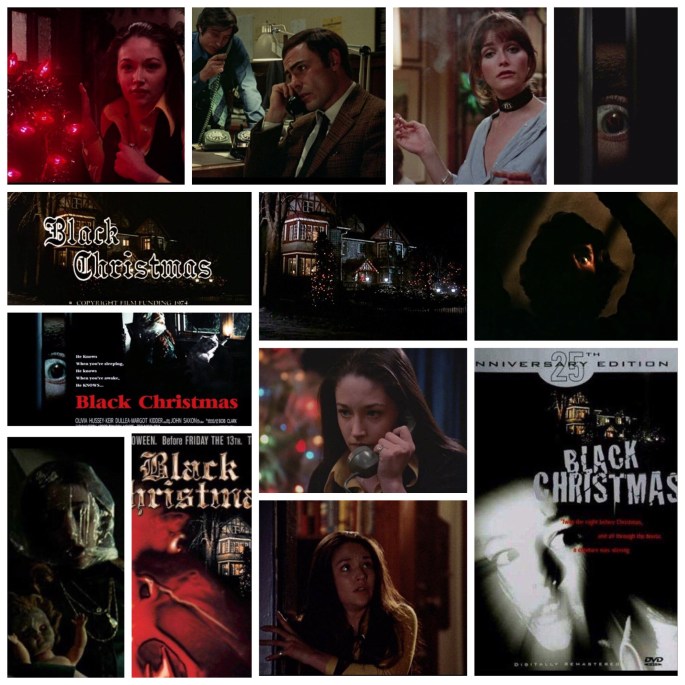
Bob Gale’s Black Christmas predates Carpenter’s Halloween by four years as the first slasher film, they both take place on a festive holiday night where a shadowy killer stalks people in quiet suburbia and they *both* open with an eerie POV tracking shot, and while Halloween is the more polished and notorious film, Black Christmas is definitely my favourite. Halloween opened up suburbia wide and had the boogeyman roam free in daylight while this one keeps it tight, dark and constrained to the shadows, attics and resoundingly atmospheric hallways of a giant Tudor mansion where a group of sorority sisters are celebrating Christmas. Extremely obscene phone calls herald the arrival of Billy, possibly the scariest slasher villain ever thanks to the hair raising voices on the other end of the line, provided by Canadian acting legend Nick Mancuso in one of his first gigs. Billy more or less kills like your average, well adjusted horror villain, but he vocalizes like a disturbed demon straight out of hell and it contributes to the freaky atmosphere so much. Olivia Hussey makes an absolutely gorgeous beauty of a scream queen as the proverbial ‘final girl’ Jess, her melodramatic, theatrical approach to the role only makes me love her more and gives the character flourish. Margot Kidder is hysterical in a lengthy cameo as another sorority sister with a huge potty mouth who seriously gets her Christmas drank on, as does curmudgeonly house mother Marian Waldman, who has an extended solo traipse through the dimly lit house that’s a fine example of physical comedy and inspired improv. Legendary John Saxon, who also headlined yet another iconic horror franchise, plays the intrepid police captain who tries to trace the calls and capture Billy, he always provides tough guy charisma. There is just so much to enjoy about this film; the quiet, ambient Yuletide stillness of the mansion in which you just know that even though no creature is stirring, not even a mouse, Billy is in there somewhere waiting and chuckling maniacally to himself, which makes my skin crawl to this day. The nervous score by Carl Zittrer includes objects like forks and combs tied to string instruments, giving them a warped, spooky timbre. The production design, or maybe it was simply a lucky find with the house as it was, is so beautifully mid 70’s and filled with colour, decorations, garish wallpaper, strange artwork and knick knacks, it feels lived in and authentic, as does the easy breezy camaraderie between the sorority sisters and the police banter, all part of a believable atmosphere. The lighting, or partial lack thereof, is something to behold, every few metres holds an army of shadows and murky artifices for Billy to hide in, and the camera drinks it all in slowly for maximum effect. I could go on all day about how much I love this film and what it means to me, but you get the idea. It’s everything a slasher should be and more: funny, morbidly scary, terminally weird at times, visually audacious, sexy, bizarre, festive and packed with atmosphere. Another interesting thing is that although this gathered the steam of a cult classic like other famous horror films, it never generated any sequels which makes it feel kind of special in the genre, like a sacred mile marker. Having said that, there is a remake out there that is absolute fucking festering garbage, it’s worth zero interest and only stands as en example of what not to do in service of a bona fide, enduring classic like this.

-Nate Hill

Gore Verbinski’s The Weather Man

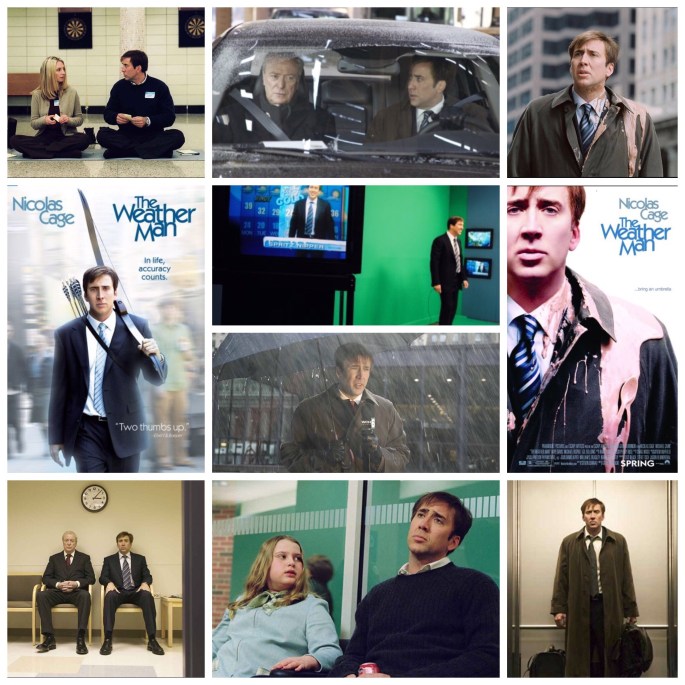
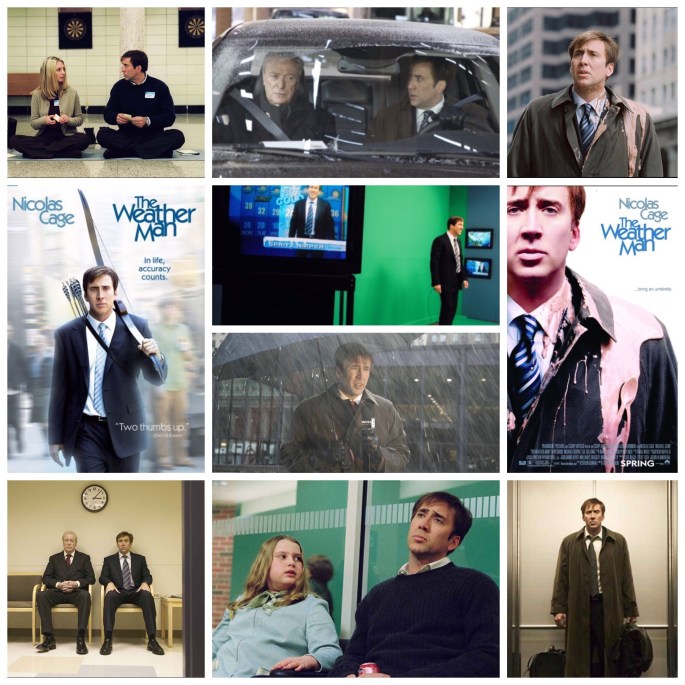
It’s always nice when a film as bizarre, unconventional and downbeat as Gore Verbinski’s The Weather Man gets approved by the big studio system, but the flip side of that is that when it inevitably gets a wide release and considerable marketing, score of reviewers and audiences are going to talk shit about it because it’s ‘different’ and ‘depressing.’ It is definitely those two things, but it’s also a painfully funny, insightful piece with fantastic work from Nicolas Cage, brilliantly placed dark humour, the briefest glimpses of pathos and an offbeat indie pulse. Cage is Chicago TV weatherman Dave Spritz, a guy whose swanky six figure salary and cakewalk career hide a disturbed, dysfunctional family life and a deep, cultivated self loathing that Cage pours out from every anguished glance and hangdog piece of inner monologue. His ex wife (Hope Davis) can’t stand him, his kids (Nicholas Hoult in an early career turn and Gemmenne De Le Pena, a great find) have a laundry list of their own issues and their interaction with him is strained for starters, while his Pulitzer Prize winning author dad (Michael Caine trying an American accent on for size and kind of struggling with it) frequently points out his shortcomings with measured acidity (“You don’t even have a degree in meteorology”). In short, his life has become one big absurdist joke punctuated by awkward altercations, passive aggressive jabs, misdirected anger, frequent instances of fast food being thrown at him by angry passersby and an overall blanket of deadly hilarious, glumly enlightening moodiness that you can’t decide whether to laugh or cry about. So who would want to watch a major movie filled with such rampant, cheekily deliberate unpleasantness? I would, and I for one totally loved this film for what it is. You could say it’s an acquired taste or you have to ‘get it’ or whatever smug, flavour of the month platitude that well travelled cinephiles like myself are peddling this week, but the plain truth of it is that not every Hollywood film can be a traditional ‘Hollywood’ film and there has to be room for off killer, weirdly staged stuff like this or the recipe is just too boring. Roger Ebert understood that, he gave this a glowing review and made particular mention of how slightly inaccessible stuff like this needs to be given a chance more often. In any case it’s an excellent film thanks to Cage’s reliably hilarious work, he almost seems to have been tailored for this role and you can tell he’s having a blast with every tortured mannerism and inappropriate outburst. I love and appreciate every single film that director Verbinski has made in his eclectic, unpredictable dervish of a career, the guy has done everything from Pirates Of The Caribbean to slapstick period piece to Hammer horror throwback to south of the border romance end even an animated film for adults which you don’t see too often. He always approaches us with something different to offer, and with The Weather Man he’s come up a winner again, I love this sad, self aware, pathetic yet touching portrait of a man adrift in his own inadequacy, his frequent attempts to swim serving as our entertainment, however much we pity or feel for the guy and his oddball family. Great film.

-Nate Hill

Robert Rodriguez’s Machete Kills

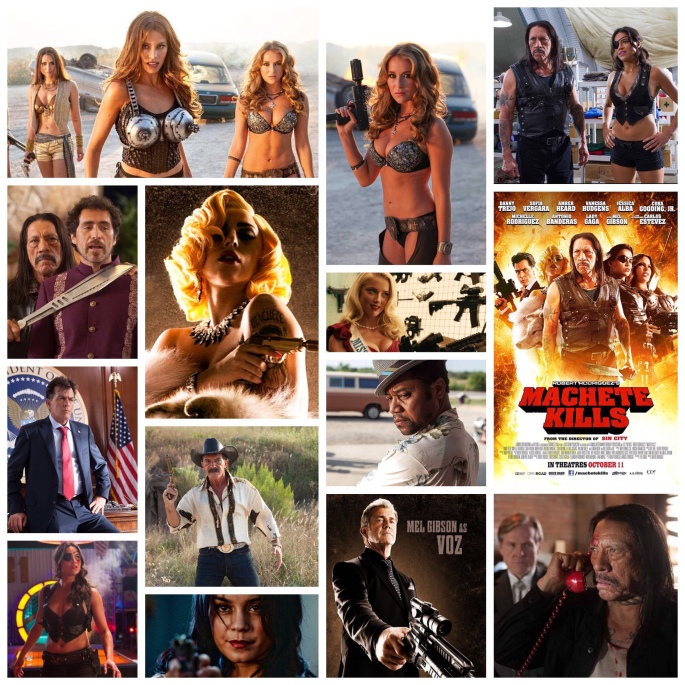
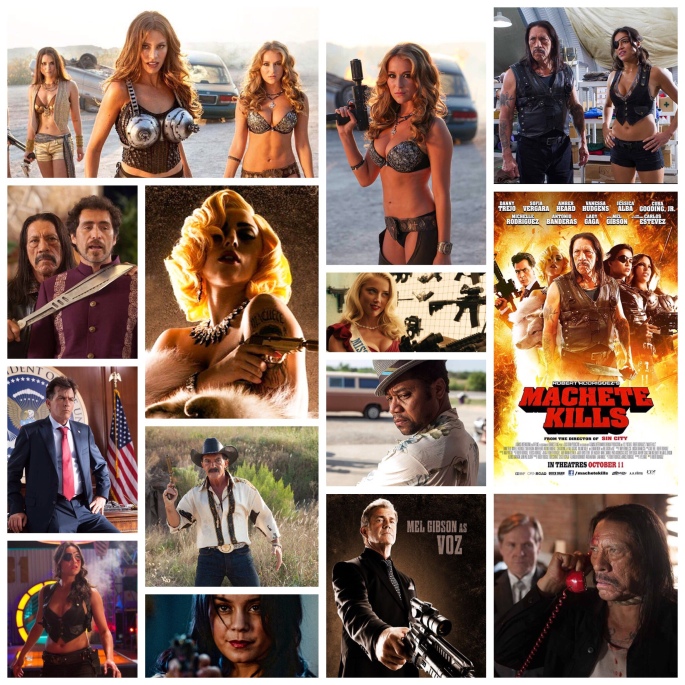
If Robert Rodriguez’s Machete cracked a few beers in the grindhouse exploitation cooler, his follow up Machete Kills taps the entire keg and lets it flow for a sequel that although isn’t as focused or on point as the first, blows it out of the water in terms of cameos, star power and sheer bottom feeding genre madness, it’s a hell of a fun time. Danny Trejo did the journeyman tough guy thing in a long stint throughout the 80’s and 90’s, by the time Rodriguez found him for a smaller role in Desperado he was already long overdue for a starring vehicle as far as I’m concerned, which Robert handed to him and then expanded with this balls out sequel that although is still indisputably Danny’s show, is also peppered with a staggering amount of star power and recognizable faces. That’s the thing about Rodriguez, he’s such a talented, hands on enthusiast of a filmmaker that he attracts actors from all walks of industry life to work with him, and his projects come alive. Trejo’s ex federalé super badass Machete is recruited by the president of the United States himself this time, played by Charlie Sheen in exactly the type of portrayal you’d expect. Mel Gibson’s big bad gun runner Luther Voz is stirring up trouble and it’s up to our antihero to stop him, as well as a whole pack of villains, weirdos, corrupt officials and femme fatales. This one sees a lot more characters running about including Sofia Vargera’s Desdemona, a matriarchal shryke of a contract killer whose daughter (Vanessa Hudgens) also figures into the plot while Machete recruits a lethal government agent (Amber Heard) who doubles as beauty queen Miss San Antonio. Michelle Rodriguez and Jessica Alba also return but are sort of swallowed up in the emerging newer elements. The great character actor William Sadler turns up briefly as a Texas Sheriff with a big gun, as do Rodriguez regulars Julio Mechoso, the Avellan twins, Tom Savini, Demian Bichir and Alexa Vega. Perhaps the best element in either Machete film is an elusive, inspired contract killer called The Chameleon who changes their appearance frequently. Not many films can say they hired Antonio Banderas, Cuba Gooding Jr., Walton Goggins and Lady Gaga to all play the same role, but Rodriguez pulls it off and gives each actor something fun to do. I enjoyed this Machete more in the sense that it didn’t try to be socially conscious or inject a political message like the first, this is straight up action pulp the way it should be, and hopefully we will get to see Machete blast off into space soon as the reliably ridiculous meta fake trailer outlines here.

-Nate Hill

Alfonso Cuaron’s Gravity

There’s a select few theatre going experiences that are mile markers for me in the sense that they changed and expanded my realm of experience in the cinema. I remember seeing Alfonso Cuaron’s Gravity in 3D, AVX, iMax fuckin all the bells and whistles were present and accounted for. I walked into the theatre almost on a whim while my ex was at dance rehearsal and I had a few hours to kill downtown, the film had already been in theatres for about a month, I was aware of the buzz but the trailers weren’t doing it for me and it wasn’t high on my priority list. Well.. I’m glad I made that impulsive decision because not only is it now one of my favourite films, but the theatre experience, particularly alone and totally attentive to the immersive universe it created, is something I’ll treasure forever. Sandra Bullock gives a career best as mission specialist Ryan Stone, stranded in the heavens when chunks of a decimated satellite shred through the space station she’s fixing up, leaving her and veteran astronaut Matt Kowalski (George Clooney in a roguish portrait of cavalier stoicism) adrift among the stars. It’s an arresting nail biter of a sequence that leads to many more, all staged in breathless, unbelievably realistic fashion by Cuaron and cinematographer Emmanuel Lubezki. Bullock’s character is in a purgatorial womblike state up here, wounded by tragedy from years before and unable to fully continue on with her life without some kind of rebirth, which the unpredictable vacuum of space is more than willing to contribute to at every turn. Hair raising near misses and death defying escapes abound, with moments of tranquil, hypnotic pause to catch glimpses of the dazzling blue green globe below or communicate across millions of miles and a language barrier with an Inuit man over a rogue radio signal. This is all a lead up to what has to be one of the most stirring, adrenaline soaked descents to the planet’s surface ever filmed. Cuaron knows how to raise pulses and get you to invest in character so that when the time comes for Steven Price’s gorgeous cosmic battle cry of an original score to herald her journey home, attentions are riveted. It’s likely my favourite sequence ever shot in a film set in space, a triumphant display of resilience and poetic grandeur as she plunged through the embryonic atmosphere of our planet in a rickety little escape pod and hurtles towards the surface, angelic strains of music echoing all around her, surrounded by flaming meteors of detritus from the space station like fallen stars. I wish they’d bring this film back to theatres every couple years so we can relive the glory at its fullest potential. A masterpiece and miracle of an achievement from all involved.

-Nate Hill