TWIN PEAKS: THE RETURN

twin-peaks-img4

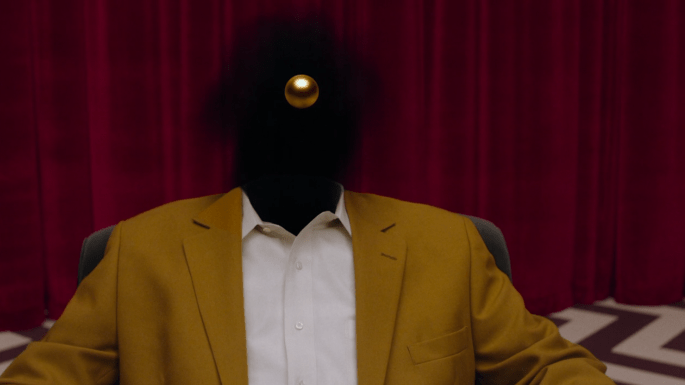
David Lynch appeared to take his considerable toybox and go home after the brave foray into no budget digital filmmaking and self distribution—please don’t forget that he attempted this with Inland Empire long before every Tom Dick and Harry grabbed a camera at Best Buy and broadcast themselves around the globe—resulted in mixed to poor critical reception and little by way of box office.  He had his painting, his music, his American Spirits and his own brand of damn fine coffee, which is to say most fans increasingly had little to no hope he’d get busy lensing his own unique brand of fiction again.  Flash forward twelve years, or for the die hards, twenty five, and a minor miracle has started to roll out before our eyes:  18 new hours of Mark Frost co-written, David Lynch directed Twin Peaks.   The beyond influential show returned in May, flush in the middle of television’s so called Golden Age, a time when expectations for cinematic sweep on the small screen have never been higher.  We’re six episodes in and it’s time for a reckoning:  Is Twin Peaks as good as it was when it unknowingly launched so many serialized dramas?  The answer to this question rests entirely on how big a fan you are of the mind and sensibility that dreamed the whole thing up.

Which is to say, Lynch managed to convince (although he almost didn’t; he famously quit the revival over a budget dispute, but the cast and fans came together online to make sure the production would continue) Showtime to fund 18 new hours of his own uncompromising, post 2000 id to sneak into our homes under a well known brand.  Twin Peaks: The Return is both familiar and alien, probably close to impenetrable if you’re not steeped in the original show and its prequel, and a delight for those of us who appreciate a surprise and a challenge.  Familiar faces show up with regularity, but the most familiar, that of Kyle McLachlan’s Special Agent Dale Cooper, is split into multiple roles in keeping with where he was left back in 1990 (trapped in the mystical Black Lodge, with an evil clone of himself let loose upon the world).  Over the first few episodes we jump around to places as far flung as Las Vegas, New York and South Dakota, meeting new characters and finding new mysteries that, on first blush, have nothing to do with the small town in the Pacific Northwest that harbors so many secrets.  Lynch cracks that toybox open and draws from everything he’s ever made, one minute staging an interdimensional breakout of our hero that feels like a mashup of Eraserhead and Inland Empire; the next, he’s channeling Blue Velvet’s horrific Frank Booth by way of Frank Silva’s Killer Bob—in the body of Kyle MacLachlan yet again.  And make no mistake, this is MacLachlan’s show.  He’s been given so many new notes to hit that it puts the viewer in a near-constant state of disconcertion—just the way Lynch intends, no doubt.  He’s taken a career-defining role and blown it open in all sorts of new directions, so far turning it into an even better crowning achievement than the magnificent original character was.

Catching references to earlier episodes, the film, and other Lynch works is a good piece of the fun, but the proceedings are once again grounded by Mark Frost, a seasoned television writer who maintains the ability to bring his partner in crime just close enough to terra firma that we’re clearly seeing a large and well-conceived interlocking mystery slowly spreading out.  We’ve had multiple murders, with a larger variety of law enforcement entities investigating them, and an increasingly large set of bad guys as well—some clearly not of this earth.  Each week brings a new twist, an old friend, and quite likely a road that will lead many characters back to Twin Peaks itself.  In addition to the mystery, though, there’s perhaps more humor than we’ve ever seen, dashes of the soapy drama that sucked in average viewers oh those many moons ago, and several striking moments of sentimentality that underline Lynch’s very idiosyncratic but near complete mastery of tone.  This new beast can switch between comedy, horror, steamy sex and indescribable surreality, all in the space of a scene or two.  In short, David Lynch is back in action, doing what he does best, and not caring one iota if you like it or not.  So far it’s a bravura reimagining and expansion of what fans knew and loved, or perhaps hated, about the original.  It’s clear that Lynch has keenly watched his progeny develop must-see serialized dramas like Breaking Bad and Mad Men (both of which are visually referenced throughout), mashed up the best instincts behind those shows with his extremely unique perspective and obsessions, and we the audience are all the better for it.
twinpeaksDougieBlackLodge

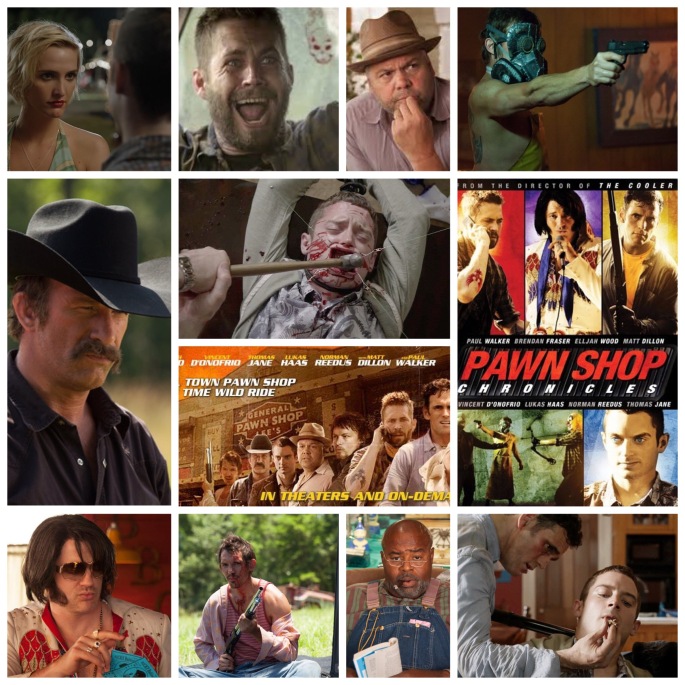
Wayne Kramer’s Pawn Shop Chronicles 


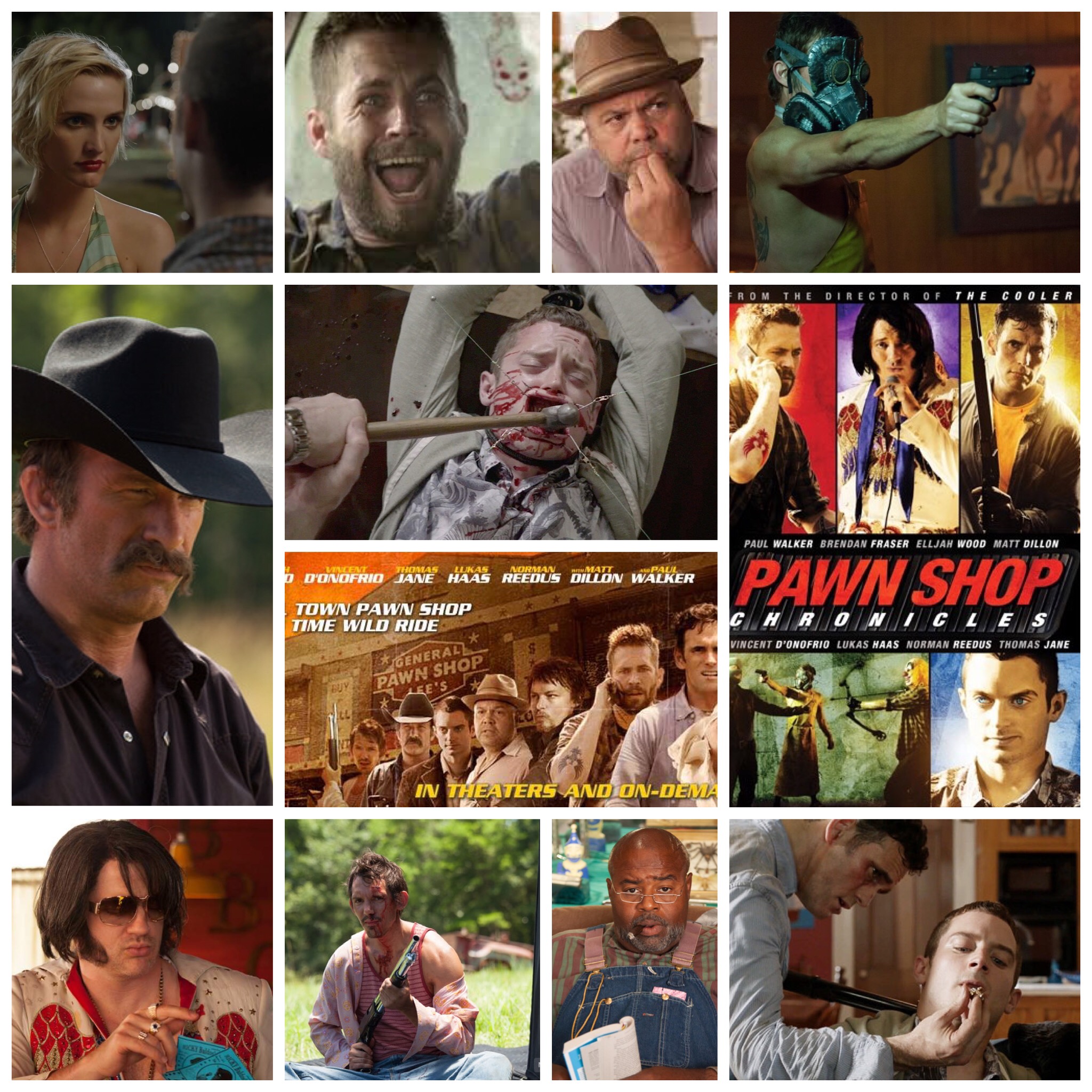
If Tales From The Crypt were set in the Deep South with more of a pulp crime vibe, you’d get Wayne Kramer’s Pawn Shop Chronicles, a sweaty, sleazy anthology mixup with one legendary ensemble cast and a deliberative effort to disturb the audience at every turn. Segmented into three zany outings, each one connected to a shady pawn shop run by Vincent D’Onofrio and Chi McBride, by a different specific item each time. In the first it’s a shotgun which passes through a few different meth addled hands, as two strung out junkies (Paul Walker and Lukas Haas) foolishly try to rob their cook/dealer (Norman Reedus, but it could have been anyone because you literally never see his face). This is one grease-ball comedy of errors, as these two morons are way too high to actually get anything done, their feverish efforts culminating in a noisy Mexican standoff, an enjoyable bit especially to see Walker playing way against type. The second story is the most perversely extreme, as we see Matt Dillon and his new bride buying a wedding ring from the very same shop. Suddenly he recognizes another ring that belonged to his missing ex wife and gets all determined to track her down. This leads him to the home of clean cut yuppie Elijah Wood, who of course is anything but innocent and one ups his depraved character in Sin City, no easy task if you’ve seen that film. Speaking of one upping, director Kramer seems to be trying to outdo himself and churn out a story more sickening than the infamous ‘Hansel and Gretel’ sequence in his crime masterpiece Running Scared. While not quite as effective as that, this midsection will make many squirm and have you nervously eyeing both the door and the spot on the seat in front of you where a barf bag should be. The third and silliest tale sees Brendan Fraser as a sad-sack Elvis impersonator who can’t hold down a gig. It’s odd because this sequence is sort of pleasant even, Fraser being his usual affable self makes you feel vaguely comforted after the heinous happenings in the previous Matt Dillon bit. I wish I could rave about this flick, but there’s a few inconsistencies; some of the writing is shallow and disengaged, and in other spots it tries to hard to be shocking, while in Running Scared, for example, that just came organically somehow. However, it’s never short on entertainment value and you certainly won’t forget it anytime soon after. Plus there’s even more actors in the impressive lineup including DJ Qualls, Pell James, Kevin Rankin, Sam Jennings, Matt O Leary, Michael Cudlitz, Ashlee Simpson and Thomas Jane as a mysterious cowboy apparition. The very concept of a southern themed, vaguely horror anthology set around a pawn shop is brilliant though, and this almost seems ripe for an episodic streaming pickup, via Netflix or the like. 

-Nate Hill

Immortal: Ad Vitam


Immortal: Ad Vitam is comic book based high fantasy that wasn’t handed a budget big enough to sustain it’s visual dreams, and sadly as a result is the oddest looking thing ever, like a cross between a screensaver and an early 90’s video game cut scene. Set in some distant surreal future where ancient Egyptian gods (who may just be extraterrestrials) rule over a stylized New York City full of mutant humans, it’s a striking yet incomplete vision. When god Horus is sentenced to die, he descends from a giant floating pyramid in the sky and searches for both a male human host to carry his essence and a female one to bear a child, continuing his holy lineage in case he gets caught. Or… something like that, it’s a weird ass movie. German actor Thomas Kretschmann plays Nikopol, a prisoner who escapes cryo-incarceration after a ward malfunction, now on the loose and playing host to Horus, who’s thoughts he can hear in his head. A rogue doctor (Charlotte Rampling) has discovered a girl (Linda Hardy) she deems a genetic anomaly, also catching Horus’s attention. Now, the creator of the comic book, Enki Bilal, is also credited as director and seems to be adapting his own work, but it’s a shame that he didn’t strive for proper funding in order to sell the visual effects, because as it is now I can’t even give the film a decent rep simply based on the kindergarten level CGI that permeates the whole thing and pulls you right out of the story. It’s sad because the story has such promise, it’s really a creative blast with some unique ideas, and the human actors hold their own, especially Kretschmann, but they’re afloat in a pixelated, ill rendered botch-job of a visual palette and it’s quite a drag to have to sit through. Some of the cityscapes look reasonably polished, but as soon as we zoom in and see gods or human/animal splices walking around it’s cringe time. I will say that effects aside they’ve created a terrifically eerie atmosphere though, truly otherworldly, dreamy Blade Runner style aura that helps quite a bit. Perhaps one day they can go back with money, a team and fix all the potholes so one can truly enjoy this potentially great film. Until then, it’s a bit hard to take seriously as a whole. 

-Nate Hill

The Watcher


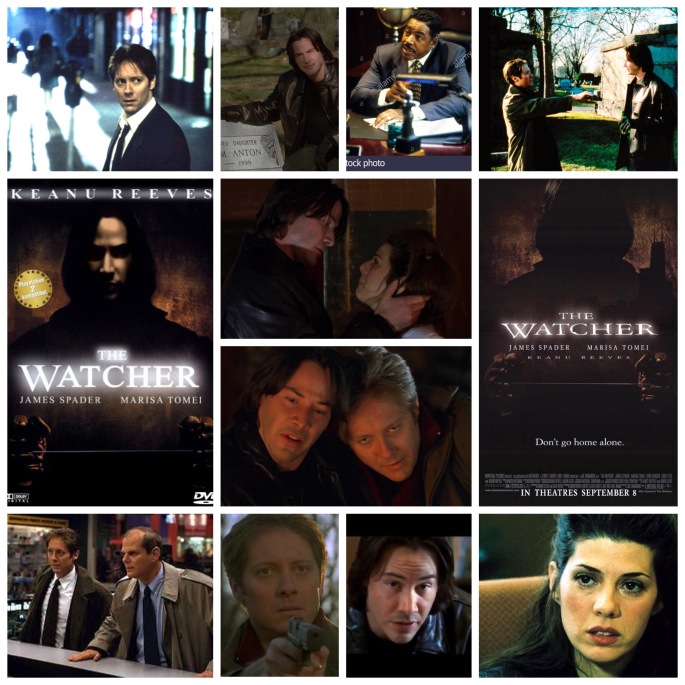
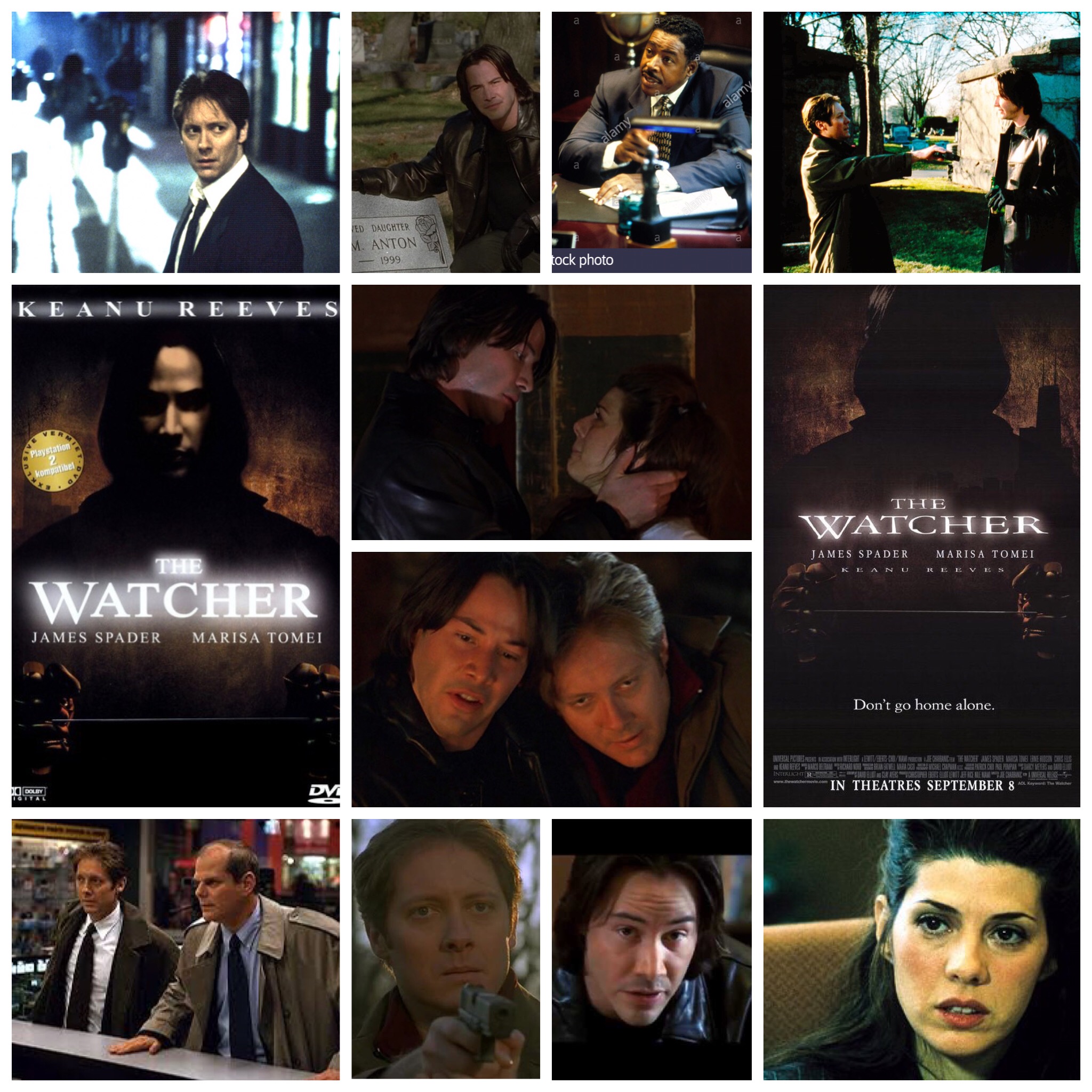
A prevailing thought while viewing The Watcher was that Keanu Reeves is an odd choice to play a lone wolf serial killer, but he actually suits it pretty well. The film itself is muddy and middle of the road, pitting haggard big city cop James Spader against Reeves’s beast who takes extreme pleasure in taunting him at every turn. This gets so bad that poor Spader has a breakdown, loses all hope and moves to a different city half across the country. Reeves just can’t seem to quit the game though, and follows him right over there for more murderous shenanigans. It’s your classic 90’s cop vs. killer tale, and for the most part it’s not bad. The bleak, nocturnal nightscapes help Reeves creep around and nab his victims as well as provide an oppressive urban atmosphere. It’s nice to see casting like this as far as the villain is concerned; so often these killers are played by eccentric, freaky looking character actors or go-to antagonist players, but by casting a golden boy leading man like Keanu they’ve upturned the trend and made the character more striking. Also, a chiselled babe like him is far more likely to believably lure off girls than some wild eyed, Gary Busey type you’d usually find here. Points for that too. The additional players add class, including Chris Ellis, Ernie Hudson and Marisa Tomei. This one won’t go down in history simply because it’s in dime-a-dozen territory. There’s just too too many cop/killer films from back then, and if one of them doesn’t have a key quality to make it stick and endure, it’ll fade into obscurity, like Reeves receding back into the inky night after a fresh kill. It’s not bad in itself though, if mostly just for him and the urban ambience he stalks through. 

-Nate Hill

DAVID FINCHER’S THE CURIOUS CASE OF BENJAMIN BUTTON — A REVIEW BY NICK CLEMENT

curious_case_of_benjamin_button_ver5_xlg

Many people seem to love to hate David Fincher’s divisive, Oscar-baiting epic The Curious Case of Benjamin Button, but I’m definitely not in that group. This is a ravishing movie, filled with more emotion and heart than any previous Fincher film and any Fincher film to come after. Yes, the heart that beats all throughout this somber and exquisitely rendered romantic fable may be a tad cold, but that’s the Finch for you — if he’s going to offer ANY sort of sentiment he’s going to do it on his terms and in his special way. This is a perverse movie in retrospect, a film with a bleeding-heart romance at its core, but one that keeps its lovebirds separated for most of the narrative, due in no small part to the surreal quality that the film’s twist so mind-bogglingly explores. This is sumptuous, old-fashioned filmmaking studded with new-fashioned techniques and technology, and of course Fincher created a digitally altered character that’s more introverted and reserved than flashy and garish. This is a film filled with magical realism, allusions to other great literary works, romantic fantasy, and all of it is pulled together with flawless, groundbreaking visual effects that heighten the story instead of overpowering, great performances from a fully loaded cast, breathtaking cinematography from Claudio Miranda that’s all silky shadows with a stunning quality of light that repeatedly casts a cinematic spell over the viewer, and lush production design by Donald Graham Burt that feels wonderfully old and new at the same time. Every creative element was in perfect harmony with the melancholic notes of Alexandre Desplat’s sweeping original score. At times, The Curious Case of Benjamin Button feels like one of the most expensive art films ever made.

3

Based on the short story by F. Scott Fitzgerald, the film is the quirky and odd story of Benjamin Button (Brad Pitt), a human being who is born as an old man, and who then ages in reverse, thus complicating every facet of his life. Pitt’s acting talent has long been underrated if not outright ignored, and in this film, he gave a quietly expressive performance, similar to his work in The Assassination of Jesse James by the Coward Robert Ford. He’s playing an observant character, not a man of fast action, and because of this, there’s this potential sense of aimlessness and purposelessness that some people had with his character. Not me. I find these roles to be perfect vessels for actors to allow themselves to be ensconced in an environment, letting everything wash over, allowing them time to contemplate the grand ideas of life, something that happens on more than one occasion to Benjamin during the course of the film. Pitt is matched every step of the way by the luminous Cate Blanchett, playing his eternal love interest, and the two of them shared spellbinding on-screen chemistry that you can truly feel in every scene. Watching the two of them find each other and then drift apart then back together again throughout the sprawling narrative is the stuff of genuine heartache, and Fincher, ever the smiling sadist, is happy to break their hearts, and ours, more than once.

2

The episodic but perfectly balanced screenplay from big-gun scribe Eric Roth (which he wrote from a story he concocted with screenwriter Robin Swicord) does share some of the spirit and structure of Forrest Gump, another film that Roth adapted for the screen and which features an inwardly main character who goes through a variety of life experiences set against the backdrop of the expanding country all around him. Roth always brings intelligence to his work – this is the man responsible for helping craft the scripts to The Insider, The Good Shepherd, Munich, and Ali (to name just a few) – and while Fincher certainly gets his customary mileage out of the visual aspects to this tremendous story, Roth’s poetic dialogue and heartbreaking notions about life never get lost on the audience or on Fincher as a director. Working with his most eloquent of scripts, Fincher was able to craft a film that felt real and right and true, even with a story device that is high-concept yet cerebral.

curious_case_of_benjamin_button_ver10_xlg

This is a piece of work where death hangs over the proceedings at all times, very much in an ominous fashion, and the way that Fincher combined these dark themes with an ultimately uplifting message is a stroke of pure directorial finesse. Some of the best scenes of this movie involve the relationship between Pitt and Tilda Swinton in that lovingly burnished hotel which reveals multiple layers of romantic longing that boils the blood in your veins. When this film was released, many people scoffed at it, calling it Fincher’s desperate bid for Academy recognition, and yes, it landed a slew of nominations, but if memory serves me, it went home empty handed in all categories. The film performed well enough at the box office ($250 million worldwide or something close to that) but I’ve always felt that this movie got a big shrug from many Fincher loyalists. I’d take this movie ANY DAY over something like Gone Girl or The Girl with the Dragon Tattoo. For as fine as those two genre thrillers ended up being, while watching, you sense an artist on autopilot, directing splashy material that’s beneath his level of smarts and filmmaking savvy. With The Curious Case of Benjamin Button, Fincher stepped outside of his comfort zone more than he ever has, and made a sweeping and romantic film on his terms.

1

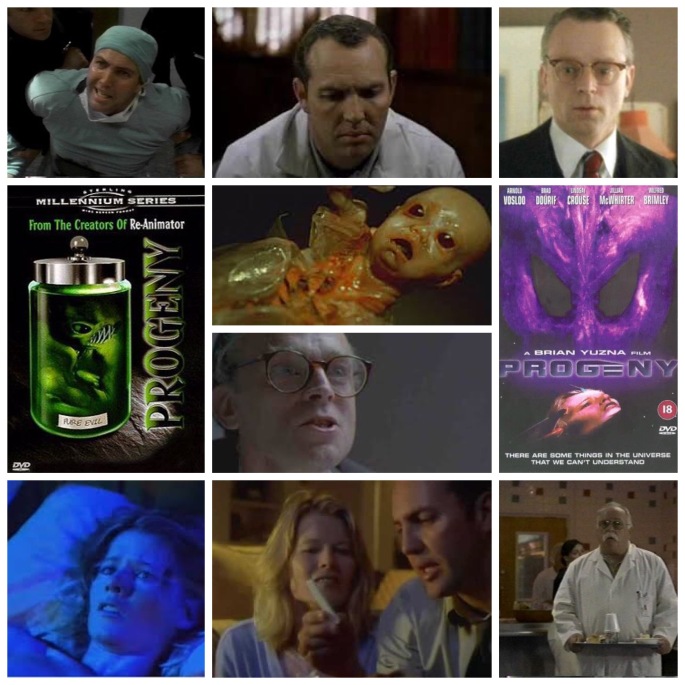
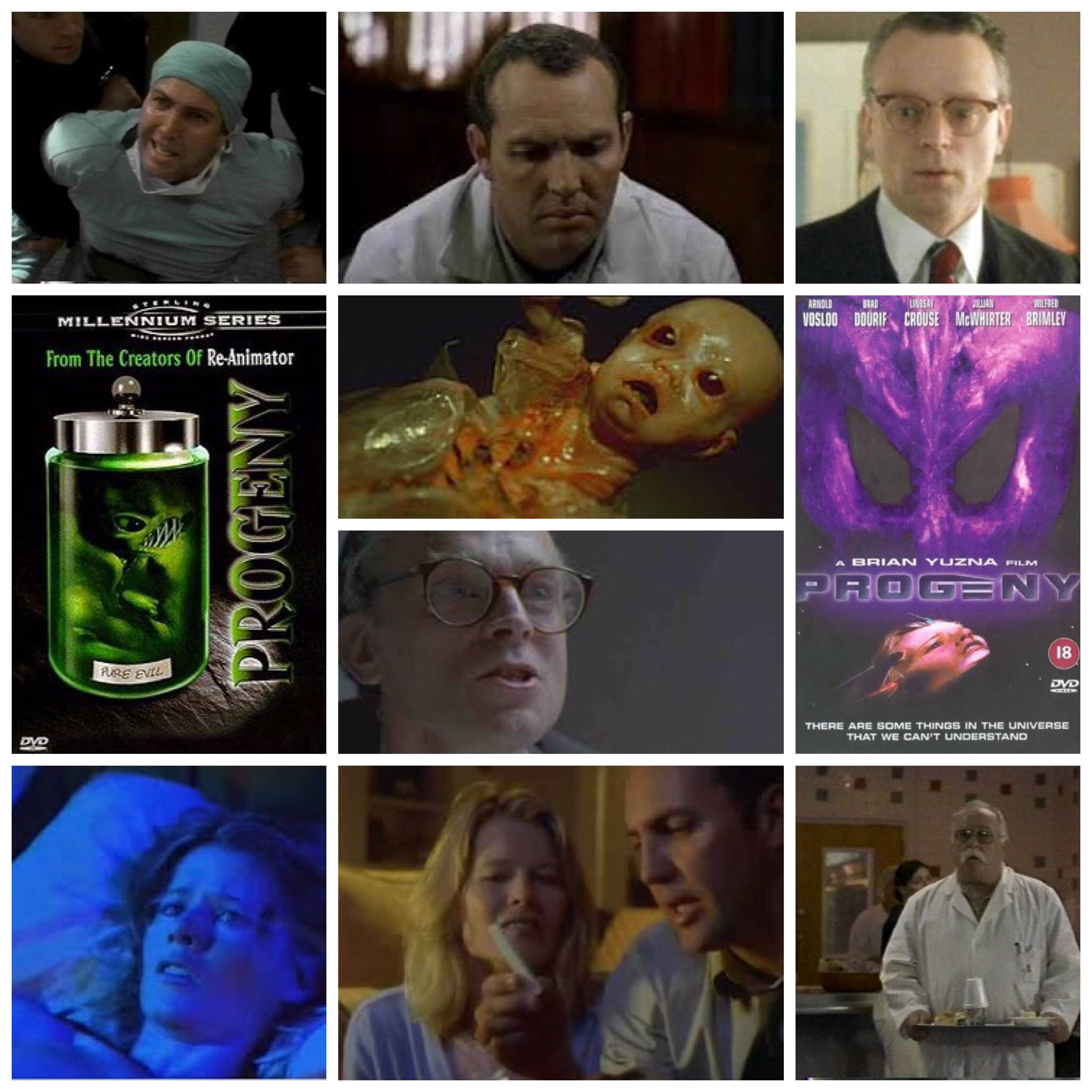
B Movie Glory: Progeny


What do you get if you cross Rosemary’s Baby with The X Files? 1998’s Progeny, or something like it anyway. Surprisingly thoughtful, restrained and adept for a B movie, it’s got a tightly wound little story about a human woman (Jillian McWhirter) who is impregnated by extraterrestrials that are tinkering around with our biology for who knows why. Her husband (Arnold ‘Imhotep’ Vosloo) is at a loss and doesn’t know where to turn as her condition gets progressively more… icky. Help comes in the form of two kindly doctors (Lindsay Crouse and Wilford ‘Diabeetus’ Brimley) and a UFO-ologist played by an unusually laid back Brad Dourif, but will their collective effort be enough to save her life, remove whatever being is in her womb and escape the attention of the aliens for good? Browsing the shelves this looks like a full on schlock-fest based on the cast and general vibe, but it’s something a bit more tasteful that takes itself just seriously enough to separate it from the mass of junk in this arena. Don’t get me wrong, there’s some slick scares and a few gooey wtf moments, but they’re used with a modicum of discretion and as such feel earned, always taking a backseat to the actors who give the human drama weight. Great little forgotten sci-if/horror. 

-Nate Hill

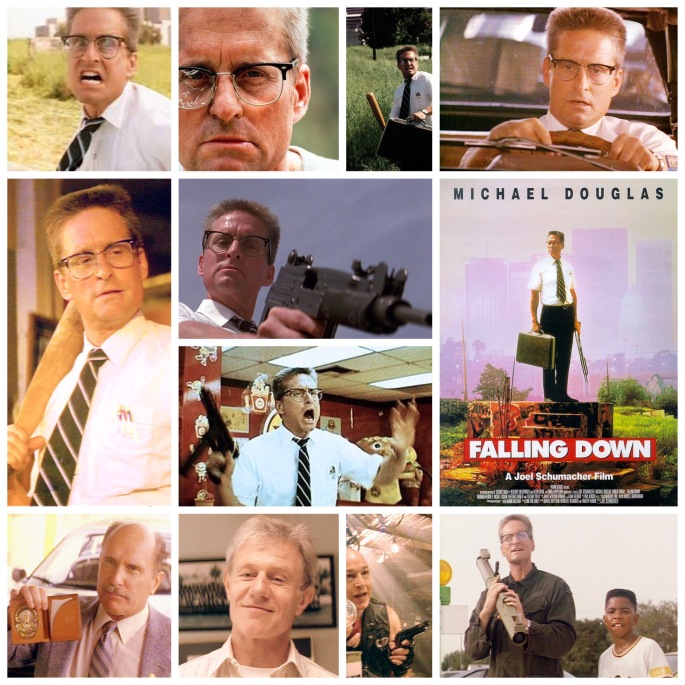
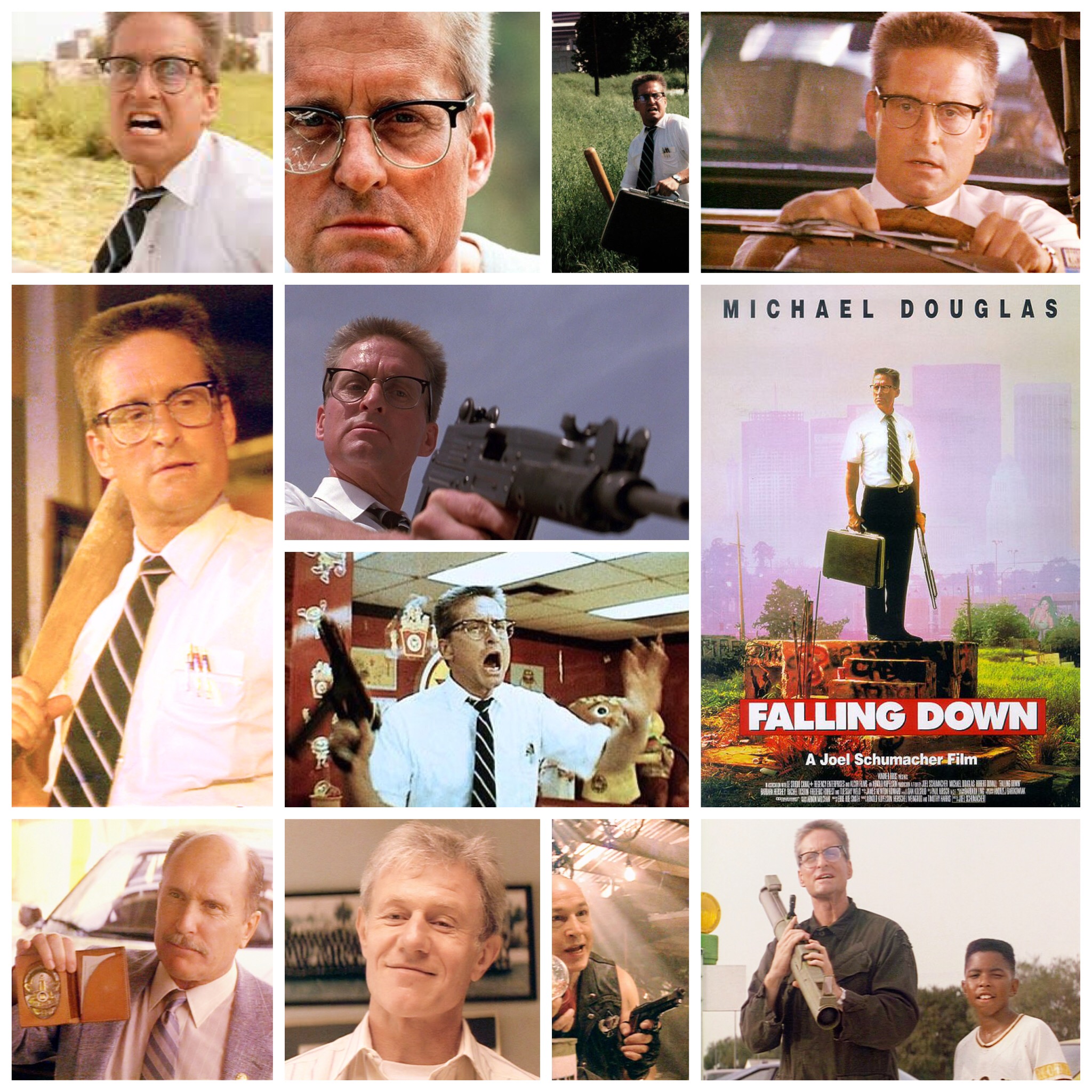
Joel Schumacher’s Falling Down


Everyone’s had the moment where they’re at the absolute end of their rope and feel like taking drastic or violent action against whatever is grinding your gears. Whether it’s a hot day in horrendous rush hour traffic, a particularly irritating lineup at Starbucks or an especially dense customer service worker, you just feel like saying ‘fuck it’, and decimating the place with anything you can lay your hands on. In Joel Schumacher’s Falling Down, Michael Douglas does just that on a sweltering LA summer day. His character, who remains nameless save for the moniker ‘D-Fens’, is a business man on his way home who just… snaps. Throwing a tantrum on the LA overpass, he quickly loses it, arms himself with a high velocity shotgun and proceeds to vet out every mundane annoyance, pet peeve and irksome scenario he can find. Whether it’s brutal catharsis he’s looking for, a cure for the doldrums of daily life or simply raging against that emptiness we all feel deep down, he keeps his reasons to himself, and let’s every other aspect of his character run wild. Holding up a fast food joint because they stopped serving breakfast five minutes too early, massacring homeless punks who foolishly harass him, his crusade sprawls across the valley and beyond, a righteous purge of monotonous, infuriating trivial concerns that soon has the attention of LA’s finest in the form of veteran Detective Robert Duvall and his crass, obnoxious lieutenant (Raymond J. Barry). It’s also revealed that Douglas’s personal life leading up to his break was rocky at best, with a job going downhill and hints of violence towards his wife and daughter. Quite drastic is the meltdown though, but it’s not quite a character study, he’s almost used more to pick away at the decays in society, a tool for exposing tears in the cloth we take for granted every day. His story is kind of like when you load up Grand Theft Auto on your console and completely ignore the missions in favour of a personalized war on anything that moves. His war happens to be against those little nagging inconveniences that seem like no biggie until they add up and you just go postal. It’s darkly funny stuff, but quite harrowing when you look at the big picture and the actual damage he’s doing to the city. Douglas is courageous here, it takes reckless abandon to go for a role like this, and he owns it in crew cut, well dressed fashion, a costume choice that absurdly clashes with the big metal cannon he totes. The film never takes sides either, recognizing both the bizarre consumerist nightmare we wade through everyday and it’s ability to dampen your spirit as well as the sickening extremes he goes to, challenging you to walk a line and look at both sides. Hard hitting stuff. 

-Nate Hill

Episode 48: ROGER MOORE

ROGER MOORE

Join Frank and James Bond aficionado Tom Zielinski as they discuss Roger Moore’s tenure as James Bond and the beloved franchise in general.

Nobody did it better. Rest in Peace, Mr. Moore.


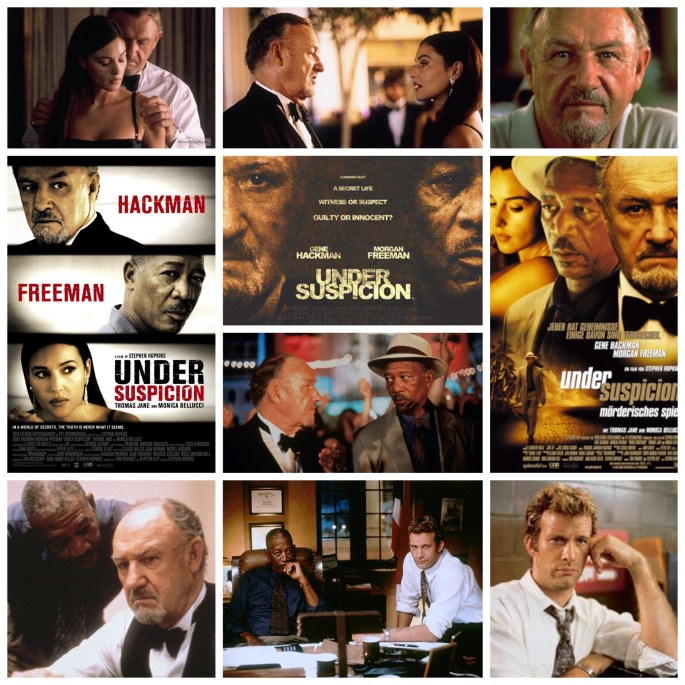
Stephen Hopkin’s Under Suspicion 


If Stephen Hopkin’s Under Suspicion were a meal I was served at a restaurant, I would throw it against the wall, flip the table, walk promptly back to the kitchen and knock the chef out cold. It’s a hollow, pointless piece, like digging into a pie that’s put before you only to find that under that layer of crust there’s no filling, only air. The premise is promising: wealthy businessman Gene Hackman who has political ties is grilled out of the blue by longtime friend and police detective Morgan Freeman and his partner Thomas Jane, regarding the murder of a thirteen year ago old girl in the slums of San Juan. Hackman is a successful, assured alpha socialite, and these type of men always have some type of close guarded secret which comes to light. Freeman is a dogged working man who probes him until it almost seems personal rather than routine. Sounds terrific, right? You would think. The acting is of course fine, as these guys couldn’t miss a beat if they tried, but the way the story is set up just rips the viewer off blind. These two thespians soar spectacularly, but their duel is structured around purposefully unreliable flashbacks, beating around the bush and oodles of red herrings that treat the audience like sixth graders watching a low rent magician at a birthday party. Hackman has a pretty trophy wife (Monica Belluci, underused) and a host of personal demons that he projects onto Freeman’s simple blue collar rhetoric like a defence mechanism. None of these narrative fireworks can save it though, especially when an ending rolls around that is the very definition of a letdown, through and through. In an attempt to explore the forces that drive a man to the edge of admitting guilt whether he is responsible or not, the filmmakers miss the boat on providing a focused treatise that takes itself seriously with these potentially fascinating themes, instead settling on an overcooked, ultimately vacant that could have been so much more.  

-Nate Hill

VICTOR HEERMAN’S ANIMAL CRACKERS — A REVIEW BY FILMMAKER & GUEST CRITIC DAMIAN K. LAHEY

2


‘Animal Crackers’ (1930) dir. Victor Heerman

I love the Marx Brothers. Huge fan going way back. When I was in middle school I was OBSESSED with these guys. I used to dress up like Harpo Marx with the over sized trench coat, wig – all of it. I’m not lying. I must have looked like an idiot and while that phase of my life came to an end by the 9th grade, I still adore them and believe they are absolute masters of the form.

I chose this film of theirs because for many years it was my personal favorite. Even had the poster hung up in my dorm room in college. Objectively I believe ‘A Night At The Opera’ is their best work but this is certainly a classic as well and one that really shows off their range and intelligence. For those that don’t know, the Marx Brothers have a phenomenal track record. They appear in FIVE universally recognized classics: ‘Animal Crackers’ (1930),  ‘Horse Feathers’ (1932) , Duck Soup (1933)  ‘A Night At The Opera’ (1935) and ‘ Day At The Races (1936). Nothing to snort at.

‘Animal Crackers’ is their second feature and follows the formula of their other early films in that the Marx Brothers themselves are more or less the protagonists. They are harmless grifters in some way, shape or form. Groucho plays one of his most legendary characters, the rakish and wise cracking Captain Spaulding and performs the classic ‘Hello, I Must Be Going’ number as well as other famous routines in this picture. The humor bounces frenetically from surreal visual gags to word play, Eugene O’ Neil references and musical bits. A Broadway hit for them before becoming a movie, the gags were well worn before filming began and they deliver them with an effortless confidence. One must give credit to the writers that backed them up on this – Morrie Ryskind, George S. Kaufman, Bert Kalmar and Harry Ruby. This film also contains some of the finest work between Groucho and his best sparring partner, Margaret Dumont. Her and Groucho are magic on the screen together while Harpo and Chico define themselves as the bumbling co-conspirators they would remain in subsequent films. Oh. And Zeppo is Zeppo.

In my opinion, ‘Animal Crackers’ is the best application of the early Marx Brothers format. One that lead to them breaking the boundaries of comedy, which is what they did successfully in films like this, ‘Horse Feathers’ and the imaginatively chaotic ‘Duck Soup’. However, as they are not fully developed characters but rather walking and talking gimmicks, this formula does not always lend itself to full bodied narratives and it can sometimes grow tiresome as in their films ‘The Cocoanuts’ (1929) and ‘Monkey Business’ (1931).

In 1935 under the mentorship of Iriving Thalberg at MGM the brothers became supporting characters in storylines involving young love sick couples in some sort of distress. This was a shrewd move as it provided central straight characters (made purposefully lame) for The Marx Brothers to bounce jokes off of and a linear narrative that could inspire even more jokes. This proved to be a very effective anchor for them. Gone was the anarchy but also the peril of Marx Brothers burn out. Aesthetic advantages aside – this was also a more commercial turn and it produced two bona fide classics with super box office smashes ‘A Night at The Opera’ and a ‘A Day At The Races’. After Thalberg’s passing and an unsuccessful attempt at adapting a stage play (1938’s ‘Room Service’) they returned to this formula for the very good ‘At The Circus’ in 1939 before getting bogged down by it in lesser efforts like ‘Go West’ (1940) and ‘The Big Store’ (1941). They would balance things out with their final film (I don’t count 1949’s ‘Love Happy’) the good but not great ‘A Night In Casablanca’ in 1946.

‘Animal Crackers’ is 87 years old and does not need to be watched as a historical reference piece. It is a truly hilarious kick ass comedy as it stands right now and is a testament to the legendary talents of the Marx Brothers. Watch it and laugh…

AnimalCrackersStill