“By the look of you, you haven’t come to bob for apples.” : Remembering Sword of the Valiant with Stephen Weeks by Kent Hill

Stephen Weeks interview

“How the hell do I relieve myself in this tin suit?”

Sword of the Valiant might come across as just another Cannon curiosity, especially for the uninitiated. For the casual observer it may simply look like another film in which another director managed to con Connery into yet another pair of strange/fancy duds?

sword of the valiant

But while Boorman managed to get Sean to into his Zardoz get-up, which for my money is more so in the strange/fancy category than SOTV, the film in total is both an elegant and joyful rendition of the days of Arthurian legend from my guest in this interview, Stephen Weeks.

sword_of_valiant_poster_01

Yes before Connery got to be the king himself in First Knight, before Clive Owen and way before Charlie Hunnam – in days of old, when knights were bold, there was the tale of Sir Gawain and the Green Knight, which as I discovered, is not the film I know it to be. Turns out I’ve no seen it in all its glory…

Working with Cannon was by no means a cakewalk, as Stephen shall tell you. And the subsequent release of the picture was grossly mishandled. Thus, the world has really not experienced this movie as the filmmaker’s intended, and that was one of many intriguing tales proffered me by the eloquent Mr. Weeks.

cannon-ad-variety-june-16-1986

This was not his first rodeo, having made a version of the film some years earlier, Stephen saw this as an opportunity to expanded his canvas. Unfortunately for him and what no one knew, or knew well enough, at the time, was the grimy underbelly of the behemoth at the top which sat Golan and Globus.

val2

Despite these trappings, and now knowing what I know, I still love the movie and feel privileged to have been gifted an audience with its director, who not only informed and enlightened, but also entertained.

d230ec0c3eead7851b6ec672e0c33df3

Stephen Weeks is an impressive filmmaker and now is an accomplished author (please see the link to his work below). As a fan of his work and SOTV in particular, I enjoyed and hope you too shall enjoy, this little trip back into the mists of time – to a fantasy world, and a fantastic film…


The Day of Reckoning: An Interview with Andrew David Barker by Kent Hill

ANDY-11-of-31-small

Andrew David Barker was born in Derby, England in 1975. He grew up with a love of films and writing. I suppose this is a common thread among those of us who seek to express ourselves through these mediums. Hoping against hope that it will be either one or the other that strikes first – one or the other that shall propel us out of obscurity and into the stratosphere in which we are allowed to create for a living.

A-Reckoning

It was horror films (the Video Nasties), but also the bombastic, high concept and blockbuster works of the 80’s that further fueled the young Barker to carry on his quest. Spielberg, Lucas and Scorsese, but also Romero and Raimi fed him with images and blasted on the big screen the seemingly endless possibilities which lay in wait, destined to be unearthed by the daring dreamer.

Like all those that had come before, young Barker cut his teeth making short films and writing books and short stories – at times with friends. Then the time came – the time which calls to the fledgling auteurs and beckons them into the fray – time to put all accumulated knowledge to the test, and make that first film.

Thus A Reckoning was born. But through no fault of his own, young Barker was forced to sit by and see his film languish in obscurity. So, he took up the pen, and began to tell his stories on the printed page. Soon, he produced two fine works (see pictured above) and interest from the film industry power brokers soon came knocking.

Andrew is an eclectic storyteller whose visions are at once personal and profound. To talk to him about his journey, his influences and aspirations was a thrill. He is definitely a talent to watch, and, I for one, will be watching with great anticipation as to where his journey will take him next.

Who would your wife rather go to bed with, Stallone or Goldman…? An Interview with Paul Power by Kent Hill

ppp_06

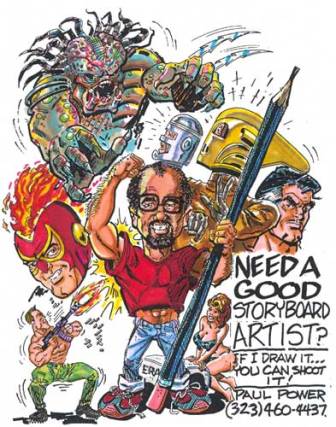
“Power Pack” as he was dubbed by director Peter Berg (The Rundown, Hancock, Battleship) is a more than appropriate substitute of a name for an electric personality that has done it all when it comes to the trade of an illustrator.

The Australian born lad who started out drawing comics for newspapers soon found himself becoming a fully fledged commercial artist, working within the music industry, designing album covers. From there he would come to the City of Angels and at Hanna-Barbera he would work, animating some of Saturday morning’s finest cartoons.

The film industry would become his next conquest. He has credits as a storyboard artist and conceptual illustrator are numerous, to put it simply. He was there when Richard Donner blew up at Spielberg, he and Arnold Schwarzenegger retooled the ending of Predator, he was working on a sequel to The Last Starfighter that never took flight, he was stuck in transit and drawing cartoons for sushi when he was set to act in Anthony Hopkins’ directorial debut, Slipstream.

Paul has pissed off a few people off in his time, but he continues to speak his mind and states that if people don’t like him, or if his work is not good enough then he’ll walk, moving on to the next adventure. That could very easily be one the screenplays he is at work on now as I type these words. One is a film adaptation of his awesome comic East meets West.

He was as inspiring as I had hoped to chat with. His devotion to his work is a lesson to all who have dreams of glory whether they be cinematic or artistically inclined. I find myself forgoing things that used to take me away, easy distractions if you will, from my work till my work is complete in the wake of our conversation. It’s not enough to will things into existence – you must strive for excellence, pay your dues, give it all you got and that might get you half way. The rest of the journey is built on hard work, of which Paul Power is the personification. When he’s not doing impersonations of Schwarzenegger or talking wrestling with David Mamet he is ever busy.

If you have a few minutes now, hang out, have a laugh, be inspired. Have pencil will travel.

PTS listeners, I present the irrepressible Paul Power.

http://www.paulpower.com/

self_promo_500h


Hollywood’s best-kept Secret: An Interview with Scott Windhauser by Kent Hill

40485_460984635750_8149153_n.jpg

Scott Windhauser might seem to have simply fallen out of the clear blue sky recently. Truth is, he has been in the game for quite some time. He worked his way up through the ranks, paying his dues, making connections – but all the while, working quietly on his own scripts.

The turning point came when he wrote a screenplay. You know the one, the kind of script that gets you noticed, that gets them to return your phone calls, that’s peaks the interest of the movie gods. Now I’m not going to spoil it here, you’ll have to have a listen, but the premise was really cool stuff.

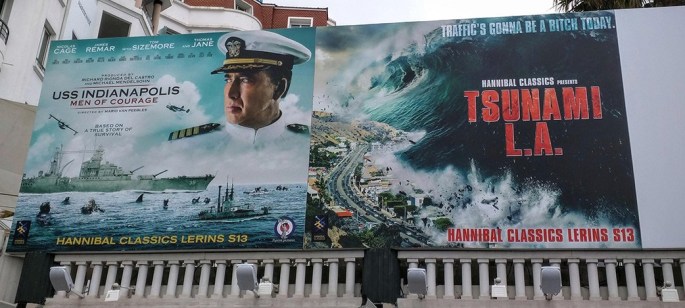
Tsunami-LA

But, as things often happen in Hollywood, another picture, that took place in a similar setting, came out around the same time and the backers started backing away. It’s times like these that separate the men from boys. It’s like Michael Douglas’s line in The Ghost and The Darkness, “Everyone has a plan until they’ve been hit. Well my friend, you’ve just been hit. The getting up is up to you.”

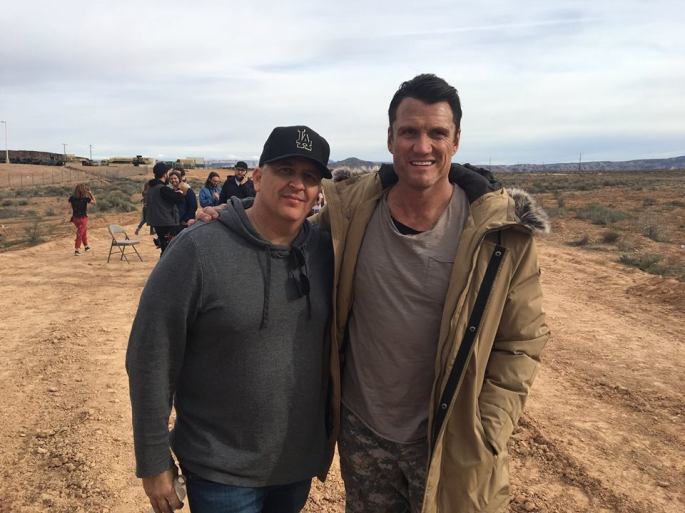
17103771_10154862063580751_5664093707011040784_n

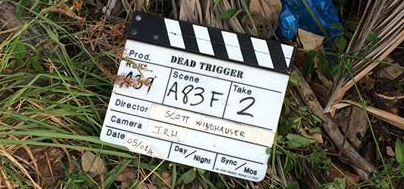
Scott did a little better than just getting back on his feet. He went back to the forge and starting producing a veritable war chest of material, most of which is on its way to release as we speak. There’s some that Scott has also directed like Dead Trigger starring Dolph Lundgren as well as Cops and Robbers with Tom Berenger and Michael Jai White. Then there’s the Rob Cohen(The Fast and The Furious, XXX) directed Hurricane Heist (or Category 5 as some of the advertising is calling it) and Tsunami L.A., along with numerous other projects big and small in the works as well as on the way either this or next year.

Scott Windhauser folks. His is a name you may not have heard, but the times they are a changin’. He fought his way through the minefields of La La Land, he’s given a script a ‘Nic-polish’ (have a listen, all shall be revealed), he has even bumped into John Williams, the man who wrote the cinematic themes of our youth.

13124999_10153956773200751_1985102907925933838_n

This all adds up to a great interview folks, so please, press play and learn about the man who is quickly becoming a name to take notice of.

Ladies and Gentlemen . . . Scott Windhauser.

(The Password to watch ‘DEAD TRIGGER’ trailer below is: zombie)

Fun, and in every sense civilized: An Interview with Charlie Haas by Kent Hill

10006201_10152077513824227_5520416896049311556_n

Charlie Haas began his life with no thought of working in film. He was interested in fiction and journalism until, that is, at UC, Santa Cruz he started attending a film history class taught by his future collaborator Tim Hunter.

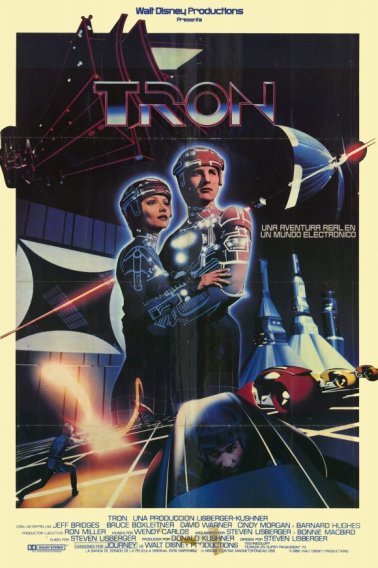
1978 comes around, and their first collaborative effort, Over the Edge, is sold. It is highly unusual for a first time screenwriter to have his early work produced, but that was what happened. After that it was a rise and rise. A young Matt Dillon would go on the star in Hunter and Haas’s next film Tex, and while hanging around at Disney, Charlie found himself doing an unaccredited dialogue polish on, the now cult classic, Tron.

Tron (1982) Spain

Two other favorite films of mine were penned completely by Charlie Haas. Gremlins 2: The New Batch and Matinee.  Both of course were directed by Joe Dante, a famously collaboratively-generous filmmaker. Charlie’s experiences were similar to those had by Eric Luke (whom I’ve chatted with before) who spoke fondly of his Dante adventure on Explorers. Gremlins 2 was a free-for-all kind of sequel. The studio wanted it and so Joe and Charlie were given quite a lot of rope creatively. Meanwhile Matinee is sadly an unsung delight that surprisingly few people I talk to have seen. If you are one of these people, hopefully listening to this may prompt you to check it out, and, if you’re a fan and you haven’t seen it in a while, well, now might be a good time to rediscover this lost little gem of a movie.

Charlie Haas is a true gentleman and it was great to finally shoot the breeze as they say. Though he is not in the industry anymore he is far from unproductive. He has been writing novels, which I shall post the links to below, so check those out.

Whether you have encountered his writing in print or on screen, please now take the time if you will to encounter the man behind the words, the great, Charlie Haas.

https://www.amazon.com/What-Color-Your-Parody-Charlie/dp/0843107960/ref=sr_1_5?s=books&ie=UTF8&qid=1510213067&sr=1-5&keywords=charlie+haas

The Puppet Master: An Interview with Kevin McTurk by Kent Hill

Error
This video doesn’t exist

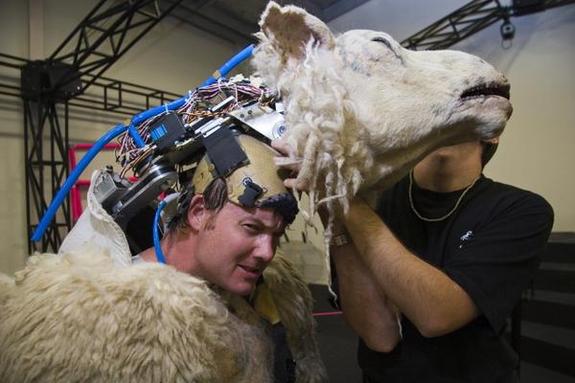
They say in the film business, never work with children or animals. Of course you may find yourself working with dinosaurs, aliens, lions, beast-people, scrunts, kothogas, ghosts, morlocks, Batman, Spiderman, Hellboy, kaijus, wolfmen, clones, cliffhangers, vampires, giant crocodiles, homicidal maniacs, killer sheep, Predators, cowboys and mysterious brides out to Kill Bill.

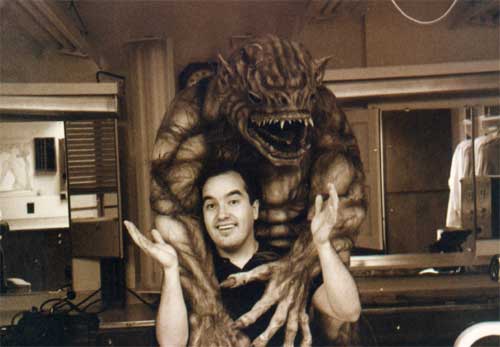
Sounds ominous, doesn’t it? But that’s just some of the astounding creations and magnificent beasts that Kevin McTurk has encountered in his eclectic career in the realms of special effects.

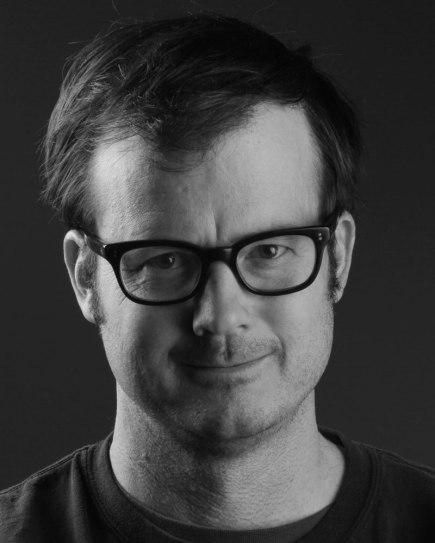
Kevin_McTurk_2014_800px

Working under the banners of legends like Stan Winston, Jim Henson and the new titans like Weta Workshop, Kevin has had his hand in erecting and simulating everything from the real world as he has from empires extraordinary. And, while I could have spent the entirety of our chat talking about his adventures working on the countless films, which are favourites of mine, he has in his CV, his impressive effects background is only part of the story.

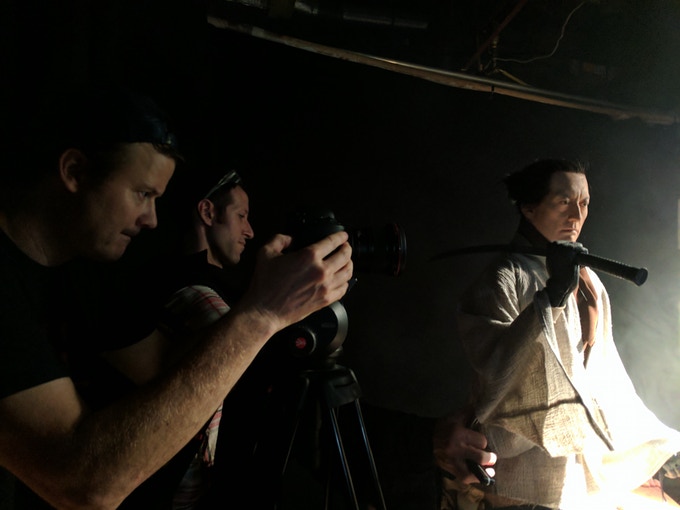
For Kevin McTurk is a bold and visionary filmmaker in his own right. His puppet films, The Narrative of Victor Karloch, The Mill at Calder’s End and now The (forthcoming) Haunted Swordsman are exercises in capturing a style from a bygone era with modern filmmaking techniques. The results are beautiful, not only in their aesthetic quality, but in the level of excellence from the many different disciplines on display.

There is still time for you to join Kevin in his latest cinematic offering (https://www.kickstarter.com/projects/935772123/the-haunted-swordsman-a-ghost-story-puppet-film), and to listen in now to the man himself talk about his movies, influences and career.

I give you the talented Mr. McTurk.

Visit Kevin’s website for more: http://www.thespiritcabinet.com/

content_l

One Composer against the Armada: An Interview with Craig Safan by Kent Hill

The film scores that permeated my youth seemed for the longest time to be written mostly by two guys – John Williams and James Horner. Though, while this pair were both loud and prolific – they weren’t the only composers in town.

I come from a time of cinema obsession where the score and the images were indeed one. I cannot imagine the films of that period without their score nor can I hear the scores and not see the images.

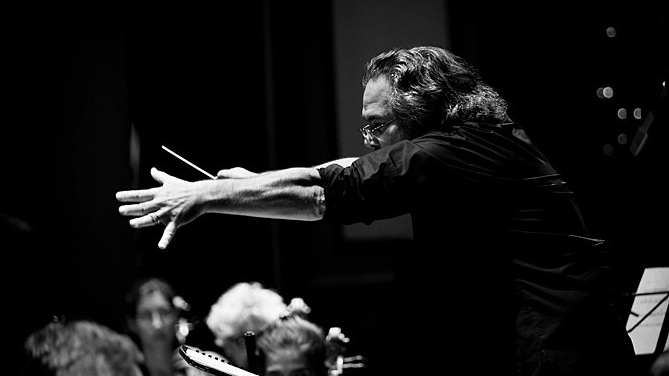
Other dominant composers of the period were Bill Conti, Basil Poledouris, Trevor Jones and a man named Craig Safan. To talk about Craig is to talk about The Last Starfighter, for The Last Starfighter was one of the most important films of my formative years, and its score continues to echo through the speakers of my car stereo as I drive off to face the grind daily (or to battle evil in another dimension).

As much as I could have gushed about all the nuances in the Starfighter score for the duration of our chat, it is proper to acknowledge to he (Craig) has written many a great score for both film and television alike. With scores for Remo Williams, The Legend of Billie Jean, Stand and Deliver as well as the small screen’s Amazing Stories and his long run on Cheers. Craig has even scored a video game, and it was cool to hear how the gig for Leisure Suit Larry came is way.

At the end of our chat I told Craig I constantly listen to his Starfighter score in the car. He asked if at anytime did the car convert to a spacecraft and fly me off to join the Star League? There have been days where I wish that had been the case. Though whenever that music is playing there always seems to be a chance that I may yet get my recruitment papers at last, take flight, and go get me a Gun-Star. But till then, have a listen to the extraordinary gentlemen whose music continues to live on in the glorious films of our last golden age.

Ladies and Gentlemen . . . I give you . . . Craig Safan.

15262307405_85a5098e5f_o

20 years in the making: An Interview with Steve Alten by Kent Hill


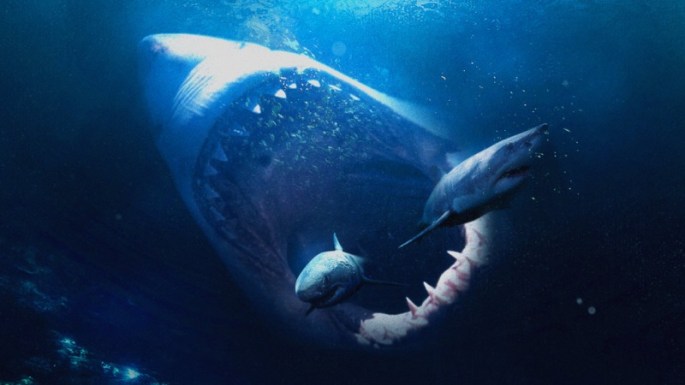
Sometimes good things take time. Still, it is rare that Hollywood, being in possession of what it believes is such a ‘hot property’, would allow said property to languish in the depths of development hell. Especially for 20 years. But that is exactly where Steve Alten’s bestseller has been in residence. That, of course, is about to change.

Yes ladies and gentlemen (and in case you haven’t been following the story) next year Alten’s leviathan shall rise and finally arrive at a cinema near you. I have long been fascinated with the journeys  movies take on the road to the big screens on which we witness them. Some of these films never arrive, some appear in a confused and unfinished form. Others are the victims of too many cooks and most are a product of the machine.

For the films that don’t make it, (see great documentaries like Lost in La Mancha and Jodorowsky’s Dune (though Gilliam seems to have at last remedied this)) their journey is often as intriguing, if not more so, than what the final product might have been. But with MEG, the powers that be have what is a potentially massive franchise on their hands. So, why the wait?

The fates are strange and fickle. Steve Alten’s bestseller was optioned before it was complete, but it has taken the better part of two decades to arrive. I found this story intriguing, mainly because this was not some sort of artsy passion project or some grand tale of ridiculous hubris. No, what could have been, and what we may yet experience, might very well be the next JAWS? And while Spielberg’s film is by its nature a far more intimate piece; the shark menaces a small community and finally three men set out to kill the beast, MEG is something we are definitely going need a bigger boat for. A really BIG boat for!

Thus Steve Alten agreed to have a chat with me about the origins of his book’s long gestation toward its screen adaptation. What he relayed I found fascinating, and still believe it could become a great extra feature or a terrific stand-alone documentary of the ride this big shark movie as taken. But, like most fans, I am just grateful that with each passing day, we finally are at last drawing closer to the MEG movie’s premiere. Of course the real relief belongs to the creator. In many ways it has been worse for him, he having served on the front lines, he having been present for each false start and each heartbreaking hurdle. I have agreed to catch up with Steve before the film’s premiere next year. As the hype builds and teasers and trailers and all the ads  bombard our senses, what brings me pause and makes me smile is the thought of Steve Alten waking the red carpet, entering the theatre, taking his seat . . . and enjoying the movie…

…as I hope you will enjoy this.

unnamed (1)


Playing Cowboys and Aliens: An Interview with Scott Mitchell Rosenberg by Kent Hill


The dreams we have when we are children don’t often materialize into reality. We make-believe we are the heroes of the books, comic books, films that we hold dear. They inspire us to move forward; to go on and build new worlds. We stand on the shoulders of those giants so that we might become gods – the creators of fantastic realms and legendary heroes. That flame we carry within us during those early years, often falls prey to the winds of change. It is ever whipping across the fabric of our dreams, trying to collapse that once impenetrable shield of our imaginations.


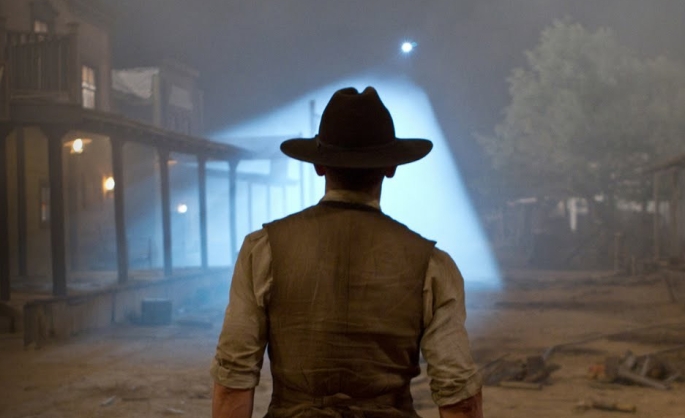
Now, there are many who simply let that flame flicker in the wind until it finally sputters out. They put aside childhood wonder and move on. But, then there is the few, the happy few, the small band of us that for whom such a notion is not only unacceptable, but impossible. Our dreams are that which fuels us. Our dreams are our lives. Scott Mitchell Rosenberg is one of these dreamers. His childhood games of cowboys and aliens have become so much more than fun and plastic ray-guns. He told me he ‘stumbled’ into the movie business, and the journey to bring Cowboys & Aliens to the big screen was not unlike pushing a boulder up a hill using only your nose.


Lucky for us his nose held up, otherwise he might not have been there for the gathering of such illustrious talent, both in front and behind the camera, that would merge to bring Scott’s graphic novel creation to life. With the likes of Ron Howard, Brian Grazer, Steven Spielberg, Robert Orci, Alex Kurtzman, Damon Lindelof and John Favreau, it makes me think of the fabled Dream Team of ’92 that boasted Jordan, Bird and Magic. Combine those ingredients with Han Solo (Harrison Ford) and the new Bond (Daniel Craig) – along with an impressive supporting cast which featured Dano, Brown, Carradine, Rockwell and Wilde – the live-action treatment Cowboys & Aliens would receive is something of a marvel.


I told Scott that my initial viewing had been sullied by a bad day, but subsequently I was able to go back and re-watch it with fresh eyes. I admit that I prefer the extended cut to the theatrical release, but really,  when you break it down, I just really love Cowboys & Aliens and have done so since I read the comic when it first came out. It was a real thrill to finally sit down and chat with its creator, a great gentleman and I feel in some ways a kindred ‘creative’ spirit. For this movie speaks to those out there that of course (A), love a really cool movie but also (B), those creative few, those happy few, that band of dreamers still reaching for the stars. Let the journey of Scott Rosenberg be an example to you. Don’t quit, toughen up your nose and give that boulder hell!

Enjoy…


Fantastic Beasts and the Man who made them: An Interview with Chris Walas by Kent Hill

77594-10-maghi-degli-effetti-speciali-da-oscar-11

When I think of the work of Chris Walas, a few things pop into my head.

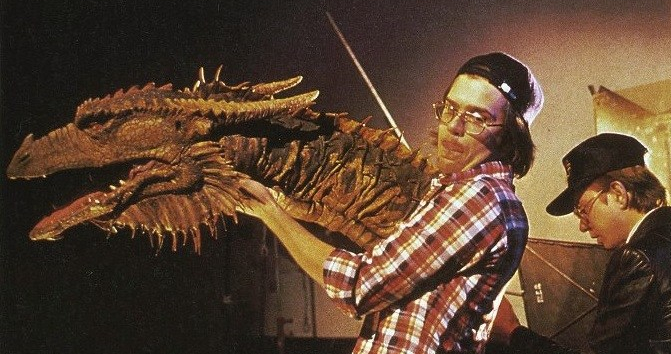
The first is how much I loved Dragonslayer when I saw it at the cinema as a kid. It like The Black Hole was a dark, different Disney movie. This was the era when Disney was trying to be more like a studio and not purely focused on the animation that had garnered it so much love.  I remember waiting for the moment when the dragon would finally be revealed and I was not disappointed. I was becoming aware of how movies were made at that time, so the prospect of any giant creature on screen, knowing that it was actually there, that it had to be built was incredible.

The second is Enemy Mine. A movie for the longest time I had only seen the last twenty minutes of. During the heyday of video piracy, it was not uncommon to borrow a tape from friends or family and find the tail ends of stuff that had been taped over. Ironically I can’t remember the film that was taped over it, but those final scenes from Enemy had me intrigued. I think it was one of my cousins who I borrowed the tape from, so I asked him about the clip at the end. “Oh I taped over that ‘cause it was kinda boring. Some dude and an alien have a baby together.” Yes folks, I have some really classy relatives, and that was how he pitched Enemy Mine to me. Still, undaunted, I sought it out and it is a whole lot more than that; indeed another great film from Wolfgang Petersen who had blown my mind prior with The Neverending Story.

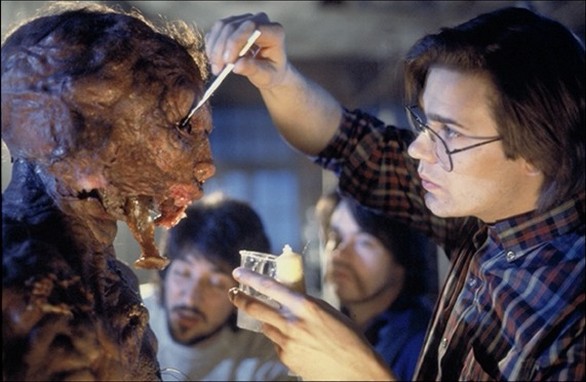
Finally I reflect on The Fly 2. One of two films I have literally lost my lunch watching. And, let me be clear, up to that point, I had seen gruesome stuff before so it wasn’t so much the imagery as it was the visceral qualities of the imagery. As the years go by, and because I haven’t seen it in a long time, so it’s sketchy at best, but one thing that I recall was Daphne Zuniga wiping away Eric Stoltz’s slimy coating from this one scene and giving him a kiss. I remember that or something like that, like I said, it’s been a long time between drinks, but that scene and a few others helped my lunch get its own sequel that day.
fly2_shot5l

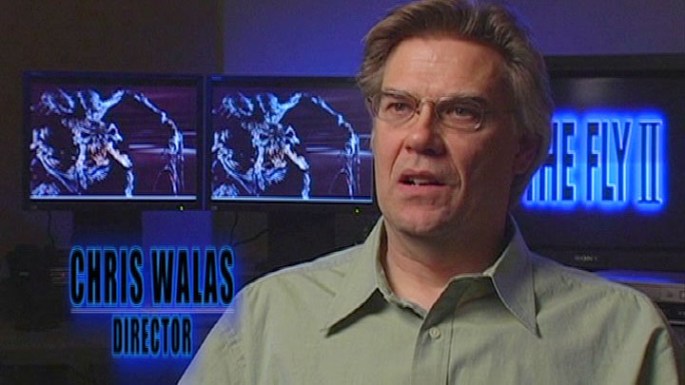
But enough about me, let’s talk about Chris.

Chris Walas has worked on a handful of truly iconic films. You can see is work in Raiders of the Lost Ark, Return of the Jedi, Gremlins. He is an Academy Award winner – that Oscar being for The Fly and part of a terrific association with David Cronenberg who he would go on to work with on other films like Scanners and Naked Lunch.

He has sat in the director’s chair on (of course) The Fly 2, The Vagrant and “Til Death”, an episode of Tales from the Crypt. He was part of the Roger Corman stable; he worked on Airplane!, Galaxina, Caveman and Virtuosity – he is a very talented man who has had a hand in the truly grand cinematic experiences of my youth and it was an utter delight to interview him, and subsequently, to present said interview to you. Ladies and Gentlemen . . . I give you . . . Chris Walas
gremlins chris walas tony mcvey

KH: Sir, it is truly an honour to make your acquaintance. You have the distinction of being the first Oscar winner I have interviewed for podcastingthemsoftly.com

CW: That’s hard to believe with all the Oscar winners out there these days, but I’m happy to be here.

KH: Before we get into the meat of things, I was wondering if working in the picture business has be a lifelong pursuit, and if so, what were the films that lit the fire, so to speak?

CW: You know, it’s interesting because so many interviewers ask “What was the film that made you want to do what you do?”  I don’t think it’s a simple as that. It’s like asking painter what painting made them want to be a painter. It’s not about a single event; it’s about an artform that creates the magic in the imagination. I was a movie fan as far back as I can remember. I loved all films. I loved what the medium could do. I didn’t understand any of it, but I loved “Citizen Kane” as a little kid. It was riveting to me. I grew up on the old Universal Horror Classics and still love them. The Sci Fi films of the 50’s hold a special place in my heart for sure. But I can definitively say that the single film that made me DECIDE that movies were where I wanted to be was Ray Harryhausen’s , “Jason and the Argonauts”. It was the first film I ever saw in a theatre and I was transfixed by the experience. I knew at that moment (even though I understood nothing about it) that that was what I needed to be a part of in my life.

KH: You have worked on some truly iconic movies, many of which are my personal favourites. But, how did you get into the business after your schooling ended?

CW: I wanted to get into films somehow. At that time I was on the East Coast and the film business was pretty dead just then. So I left for Hollywood with a couple hundred bucks in my wallet and a sublime ignorance of the realities of LA.  I was lucky enough to get a job shipping film for Disney, which was magical for a naive kid from New Jersey. Discount tickets to Disneyland, and I could spend all my lunch hours on the back lot talking to the original animators of Snow White or the wire rigger for the Squid tentacles from 20,000 Leagues Under the Sea. They all brought their lunches and sat out in the backlot relaxing or practicing their watercolours. And they loved to talk. It was my introduction to the world of movies. Wonderful. I then took filmmaking classes for a year until my money ran out and I took a job at Don Post Studios, a company that made high quality Halloween masks and occasionally did some film and TV work. I was there a year and started out painting a gross of masks a day on the cheap line to being a member of the lab crew, developing new product and working on the occasional outside project. It was an education I would have paid for. I learned more in that year than in four years of college. But I was antsy and impatient, and one of the other Lab guys (Bob Short) and I left and started a little partnership doing odd projects. We both started to get good reputations, but each doing different things, so we split up and went our separate ways. And it just grew from there.

KH: Tell us, if you will, about working on some of your early credits like Island of the Fishmen (Screamers), Humanoids from the Deep and Piranha?

CW: Piranha was my first on set film experience. Jon Berg, who was in charge of the effects on the film, had been to Don Post to see about them running some of the rubber piranhas. That didn’t work out, but the connection had been made and when the FX shoot needed more people, Bob Short got pulled on board and then through Bob, I got pulled in. That was my entry into the crazy world of Roger Corman films. It was wild and desperate filmmaking in those days; no money, no time. The only good part was that IF you could actually make something to get in front of the camera within the meagre time and budget, you were a hero. It was a process that very quickly filtered out those who could from those who couldn’t. But it was exhilarating and magic at the same time. Isle of the Fishmen was a bit of a mess. The original Italian production had been purchased by some fly by night LA outfit and they wanted to “beef it up” for the American audience. We had almost nothing as far as a budget, but it was with some people that I felt comfortable with.  Miller Drake and (unofficially) Joe Dante. It was a small and relatively close group in those days at New World Pictures. We shot out at the beach in the middle of the night in January and nearly froze to death soaking wet in the Fishman costume. Other inserts were shot in Joe’s garage; it was that kind of filmmaking.  But Humanoids was a different story. New World had asked me to do it, but I was busy on GALAXINA and a couple of other films at the time, so I suggested Rob Bottin. But the schedule was a tough one on that show and Rob asked me to come in and do a bunch of the sculpting and running on the Humanoid costumes. As well as those absurdly huge arm extensions! It was an extremely intense time for me as there was way too much work and not enough people in town to do it all.
a1d5fa5869ca270b31756deb87e5a5b7

KH: I know you probably get a lot of “Fly” questions and I think that if people really want a good insight into the making of that film they should watch the comprehensive Fear the Flesh. But, you worked on a few movies with Cronenberg (The Fly, Scanners and Naked Lunch). What was making pictures with David like?

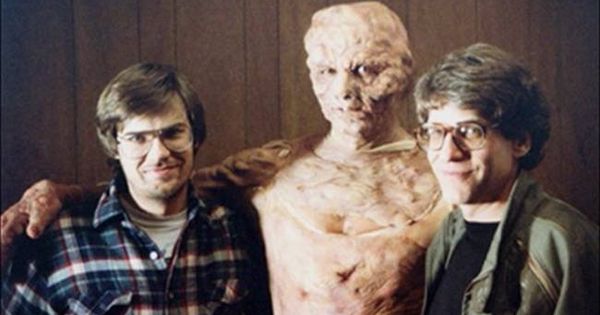
CW: This is a great question, if for no other reason than it lets me applaud one of my very favourite directors I’ve had the honour to work with.  David Cronenberg is an amazing filmmaker. He’s not just a director. His films truly belong to him. They are his vision. He’s an astonishing writer. When I was first approached for The FLY, I turned it down. I didn’t want to do a remake, etc. Stuart Cornfeld, the producer, said, ” I know,  I agree. Just read the script”. I read the script and it was superb. David had redone the original script and made it his own. I couldn’t say no to that script.  And David is an astonishing director because he really understands the process that everyone is going through. A lot of directors are absolutists; it has to be a certain way. David understands that production is about compromises and that a good director only makes compromises that don’t hurt the film. He was demanding and understanding at the same time. Very unique qualities in a film director and I feel very fortunate to have worked with him.

KH: I have vivid memories of The Fly 2. I remember watching it on video with some cousins and felt my lunch coming back on me a couple of times during that flick. How was it to finally sit in the director’s chair on Fly 2 and the other films you directed?

CW: Somehow, we hold the director’s chair as some ethereal pinnacle in filmmaking. And in some ways it is. It is the ultimate decisive position, historically. But I had already been directing teams of dozens of artists at my company, coordinating large operations and such, so I don’t think I was as intimidated as a lot of first time directors. I was quite comfortable directing, especially as I had such a wonderful crew of true talents on the FLY II. I never actually wanted to be an effects person. It was just the easiest way for me to get into the business.  Besides, it’s ALL filmmaking. All of it. From craft service to timing final prints. Directing is just the most focused, exhausting position. But I loved it.

galax14

KH: I interviewed William Sachs recently, director of Galaxina. Can you tell us about your work on that film?

CW: I’ve only lost money on two films. GALAXINA was the first one. At that time there were a lot of productions trying to cash in on the STAR WARS phenomenon. So there were a lot of over-ambitious, under-funded films being made. GALAXINA was right smack in the middle of those. Bill (Sachs) had his hands full on that film. He really did. And for me, it was a really, really tough show as there was a lot of stuff and very little money. We had to make a couple of the alien costumes overnight; the schedule kept changing wildly. I don’t know how Bill dealt with it all, honestly. It was furious alien making, to be sure. We had Angelo Rossito as the little alien creature. Little Angie, as he had been known, was a dwarf who had worked on countless films. The schedule changed dramatically and the three weeks we had scheduled to make his suit turned into 18 hours. But he was a total pro. He showed up with some of his old clothes for us to use as the base for the suit! We built the suit right on him and he never had a word of complaint at all. Total pro. Everything we did for Galaxina was done scraping the bottom of the barrel because there was so much work.


KH: I have a great fondness for both Dragonslayer and Enemy Mine, they speak to my youth. Tell us about working on those pictures; especially Enemy Mine, it’s one of my all-time favourites?

CW: Phil Tippet brought me up to ILM to work on the team for Dragonslayer. And that was a wonderful experience working with some of the absolute top talent in the field. Every day was an education for me. I was strictly on the in-house FX team and didn’t go over to England for the shoot. I made most of the molds for the dragons and baby dragons as well as running most of the rubber pieces.  I rigged the puppets for the baby dragons and built a few odds and ends pieces for individual shots; smaller scale grabbing legs, a bit of wing, etc. The biggest thing I was involved with was the close up Vermithrax puppet. It wasn’t part of the original plan, but they just couldn’t get the footage they wanted out of the full size head and neck that Disney had done, so I designed and built, and operated an animatronic puppet head. That was exhausting because the puppet had to be dripping water all the time, so the puppet became supersaturated and just kept getting heavier and heavier. But I think it worked in the end and helped the picture.

Enemy Mine was basically problem after problem. I started out working with the first director, Richard Loncraine, who I really liked and admired. We shot for six weeks on lava fields in Iceland before 20th Century Fox closed the picture down and hired Wolfgang Peterson to direct. We were supposed to be closed down for two weeks for the restart, but it was a full six months before we got going again.  I think, for us, the production got bogged down in a lot of committee decision making, which slowed everything down.  But in the end I was happy with the designs. We had an opportunity to do quite a lot of different effects for the film between the Dracs and all the odd creatures. The newborn Zammis puppet was one of my favourite rigs on that show.
toht chris walas raiders of the lost ark strange tales1

KH: You worked with Joe Dante on Gremlins which was produced by Steve Spielberg whom you worked with on Raiders which was produced by George who brought us Return of the Jedi which you are also credited as having worked on. In retrospect, what was it like working on these milestones of cinema?

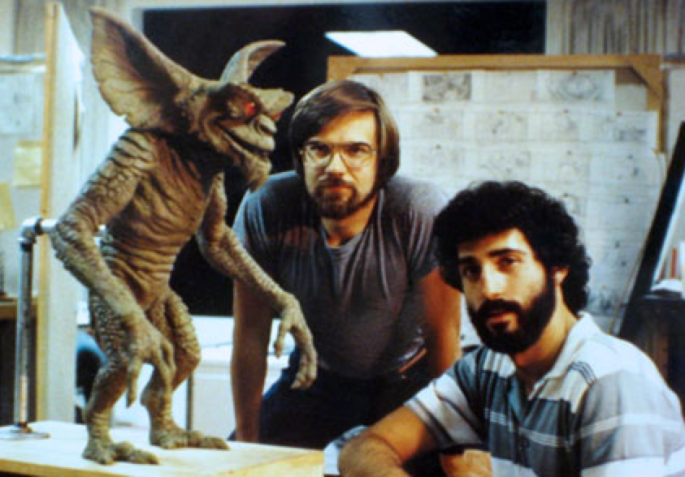
CW: Every once in a while you get lucky. Gremlins was a true milestone for me in both my life and my career. It was the first time I was in charge of running such a big crew on a studio picture. It was truly an insane experience for me as the picture just kept changing and growing, with new gags being developed for the Gremlins almost daily.  I don’t think I’ve ever been worn out so completely on any other film. But at the same time it was great fun, like a bunch of grown up kids playing. We had no idea we were working on a film that would be so successful and impacting.

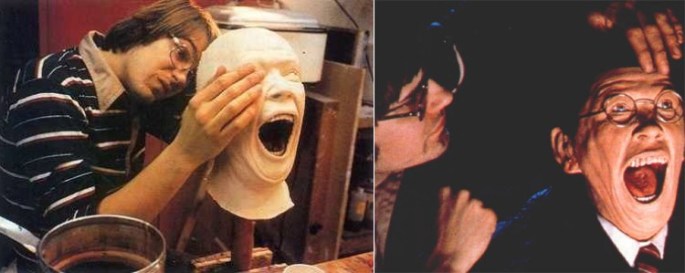
Working on Raiders of the Lost Ark was great. Challenging. But it was at ILM, which was then the absolute pinnacle of FX houses in the entire world. I really wasn’t used to being able to say, “I sure could use one of these…” and then having someone order it right up or just get it from another department. So I had options available to me that I hadn’t really had up to that time.  Richard Edlund was in charge of the FX on the show and he was great about making sure that I had what I needed for the melting head and the other shots. I didn’t get to see the film until just before it opened and I was blown away. It’s such an amazing film. I feel so lucky to have been a small part of it.

For Jedi, I really only did design maquettes for some of the alien races in the film. I set up the creature shop for ILM, but then I left to pursue other projects. It was very nice to be included in the credits on that one!


KH: You have a number of diverse entries among your credits like Deep Star Six, Arachnophobia, Hot Shots and Virtuosity. Were these genres you sought after or were the film’s concepts interesting or was it simply the want to be constantly working that brought you to these projects?

CW: After Gremlins, I had set up a genuine facility with a great crew who knew what they were doing and so I had to take what projects I could to keep the shop going. But some of the projects were favours; Deep Star Six was for Jim Isaac, who was striking out on his own after being on my crew for a number of years. House II was for Ethan Wiley, who had also been a member of my crew on Gremlins and others. Some films were projects I really wanted to do; ANYTHING David Cronenberg was doing. Anything for Amblin, Spielberg’s company. But in between those projects it was a matter of trying to choose what projects seemed like they might be good films as well as keeping the shop going as long as possible.

KH: You’ve been a writer, director and producer having a film you co-wrote come out in 2016. Did you ever want to make more of your own pictures and do you, like so many people in the industry, have dream projects that might have come close but never saw the flickering light of the silver screen?

CW: I would have loved to have done more directing.  But it just wasn’t in the cards. I have a number of projects I would love to see resurrected someday. One of my favourites is a project called “Dathulgon”, which is a steampunk combination of characters and plot lines from Jules Verne and other early steampunk writers mixed with the cosmic horror of H.P. Lovecraft. That project was humming along nicely when the big market crash ruined a lot of financing for films.  I have a whole list of projects I would still like to see happen!

KH: Well sir, as a long-time fan this has been a very large pleasure, and though we were not able to conduct this interview via recording I care not, for as I said I am honoured to have met you and am humbled that you have taken this time to be interviewed for podcastingthemsoftly?

CW: It’s been a pleasure. It’s fun to reminisce and I really appreciate knowing that there are people out there who look back fondly and remember the work kindly. Thanks!

scanners 1981 movie pic2

So there you have it. Chris Walas folks. Applause is totally necessary for this talented man and his amazing career.


I’ll just take a moment to let you know some other interviews I have coming up. I’ll be bring you chats with Mike Marvin (director of The Wraith), Chris Olen Ray (Two & Three-Headed Shark Attack), The Outlaw film critic VERN, Scott Rosenberg (creator of Cowboys and Aliens). Prior to the release of SHARKNADO 5 (because that’s the kind of nerd I am) I’ll be presenting a double feature that week prior to August 6th of my interviews with Steve Alten (we discuss the long cinematic gestation of Meg) and the man himself Anthony C. Ferrante (director of the SHARKNADO series). So as ever, thank you for checking out podcastingthemsoftly.com, and watch this space…
Cheers

Kent