Guillermo Del Toro’s Hellboy II: The Golden Army

A new Hellboy film opens this week and the reviews are… not great, to put it nicely. I’ll probably end up seeing for myself to give it a shot but honestly my heart is still with Guillermo Del Toro and Ron Perlman’s vision and I still wish we could have seen their trilogy capped off with a third entry instead of being obnoxiously shunted off to another iteration so soon.

After a brilliantly Lovecraftian introduction to this world, Del Toro returned with Hellboy II: The Golden Army and he brought back with him all the fairytale-esque visual grandeur he could muster for a sequel that is decidedly more esoteric but no less awesome than the first. Perlman was born to play the role and you have to champion Guillermo for sticking by his side and not backing down through damn near a decade of negotiations with studios who were tossing around hilarious suggestions like Nic Cage and Vin Diesel (good lord I shudder to think). Perlman *is* Hellboy and rocks every revolver slinging, cigar chewing, monster smashing minute of his screen time. This time he and the gang are contending with angry Elf Prince Nuada (Luke Goss), who resents humans for neglecting the fantastical in their modern age and wants to unleash the powerful golden army upon their world, obliterating it for good. As much as that kindddd of makes a bit of sense from his perspective it’s still not a constructive solution to his concerns and therefore his twin sister Nuala (Anna Walton) takes issue with his extremism and defects to Hellboy’s side. It’s a raucous ride of jaw dropping practical effects, enthralling world building and way more commotion than the eerie first film, but that works too. Doug Jones returns as fish-man Abe Sapien, this time without the strange ADR of David Hyde Pierce overtop his own chords, Selma Blair is lovely once again as spirited firestarter Liz Sherman, Jeffrey Tambor further cultivates droll comic relief as the FBI handler dude, John Hurt briefly reprises his role as paternal Professor Broom and newcomer Seth Mcfarlane is welcome to the fold, playing a German ghost that lives in some kind of early 1900’s scuba diving kit. Del Toro always has a wicked flair for effects, he never just throws CGI at a wall and expects it to stick, there’s always a meticulous process in bringing his creatures alive and this film is full to the brim of wildly imaginative wonders. Goss and Walton are so good as Nuada and Nuala that they almost deserve their own spinoff film, they’re darkly charismatic and soulful in an otherworldly way, their performances accented by beautiful hair & makeup.

I have to say I’m more a fan of the first film than this, but it’s less of an issue of quality and more of aesthetic; I’m in love with the dark, moody, Lovecraft atmosphere punctuated by the rogue nazi element, it seems to have more roots in horror and works for me more as an overall feeling, but really they’re both fantastic films and on the same level. Also the first one has Kroenen, who is possibly the coolest and scariest comic book villain ever put to film.

I’m not one to gloat when something flops or gets bad reviews out of the gate but I can’t help feeling a smidge of bitter glee at the fact that this reboot no one really asked for is now being bitten on the ass, seemingly because it actually does suck. For years and years the fans (myself included) hoped and prayed for a third Del Toro/Perlman Hellboy film to complete this wonderful story, and what do they do? Go out and hire a bunch of new stock, switch up the creative aesthetic completely and expect people to buy it. No sir. That’s not to detract from David Harbour, Neil Marshall, Ian McShane or Milla Jovovich, they’re all brilliant artists who have now just become collateral damage to a production that sounds suspiciously rocky. I’ll definitely check out the film they’ve made and give it a fair shot but I have to say that not one trailer or piece of marketing has me remotely excited, and that’s independent of my love for the first two films. Perhaps one day Ron Perlman will sit in that makeup chair for six hours again and give us that magic we miss so much, with Del Toro at his side. Perhaps this new apparent swing and a miss will make that happen quicker, who knows. Until then we can revisit the first and Golden Army to our hearts delight, they’ve aged gorgeously and are both great films.

-Nate Hill
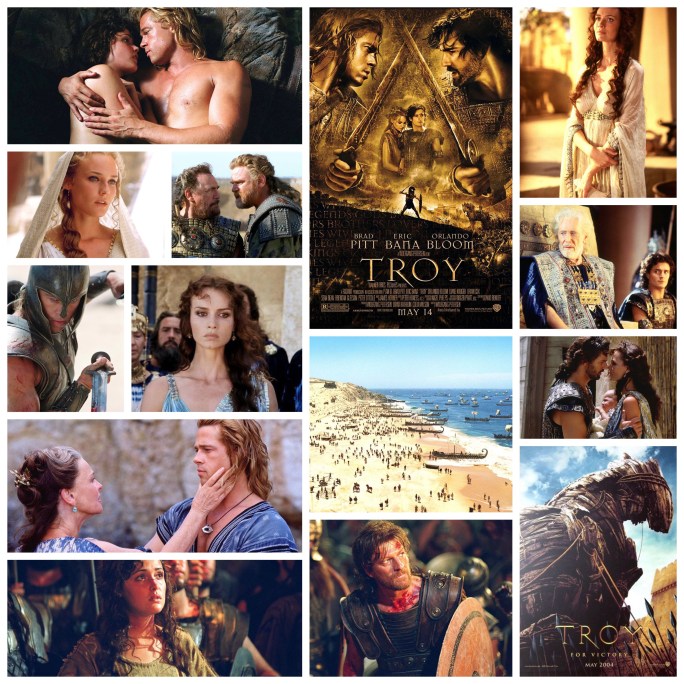
Wolfgang Petersen’s Troy

What’s the first R rated film you ever saw in theatres? For me it was Wolfgang Petersen’s Troy, a gorgeous piece that has since stuck with me not just for the fact that it left a vivid, bloody impression on my young psyche but also because it’s quality filmmaking, no matter what anyone might tell you. Never mind the fact that Brad Pitt doesn’t quite fit the old world aesthetic or is out-acted by almost everyone in the film including the host of classically trained professionals he’s surrounded by. There is a lot to love here, starting with a narrative that is kind of not so common in big budget Hollywood; there are no real good guys or bad guys here, just people making decisions that lead to war. We witness compassion on both sides of the army, and cruelty too, but there are no clear cut heroes or tyrants, it’s all politics or emotion. This makes it pesky choosing who to root for but so much more fascinating once the swords start swinging and you have stock on either side.

Pitt may not have the accent down as mythical warrior Achilles but he sure gets a striking look going, streamlined physicality, epic spear throws and concise, satisfying sword fight choreography that he obviously put a lot of work into. Eric Bana is just as impressive as Trojan prince Hector, a rational, anti-war guy who resents his younger brother Paris (Orlando Bloom, wooden as ever) for basically screwing things up as badly as you possibly could. The romance between him and Helen (Diane Kruger, radiant) never feels authentic and definitely is not developed enough to start a war of this magnitude, but their relationships aren’t where we place out investment here anyways. It’s Hector, his princess (Saffron Burrows will break your heart) and their infant son as well as Achilles’s protectiveness over his cousin Patrocles (Garett Hedlund) that win over our emotions and make us care.

The siege on the beach of Troy is a nervous spectacle set up with anticipation in the air as a single bell rings out, signalling ships on the horizon. As spectacular as the war is cinematically I found myself wishing it wasn’t happening just because of the suffering inflicted on either side. It’s not a pleasant or glorious set of battles and no one really wins but rather comes to a collective bitter end, which is another unique factor here. Look at this cast they’ve assembled too, with bold turns from Sean Bean as Odysseus, Peter O’Toole as King Priam of Troy, Brendan Gleeson as the petulant king of Sparta and a loathsome, fantastic Brian Cox as the greedy warlord Agamemnon. Rose Byrne is soulful as the young Trojan priestess who serves as concubine to Achilles until he actually catches feels, and watch for James Cosmo, Tyler Mane, Julian Glover, Nigel Terry, Vincent Reagan and a quick cameo from the great Julie Christie, still beautiful as ever.

Petersen mounts an impressive production here, full of horses, ships, elaborate sets and gorgeous costumes, brought alive by James Horner’s restless, melancholy score. The set pieces are fantastic too, the best of which involves Pitt and Bana in a ruthless one on one fight to the death, each angry and lunging with sword and spear while their people look on, its well staged and genuinely suspenseful thanks to the hour plus of character building before. I couldn’t give a shit whether this is either historically accurate or follows the literature closely at all, that’s not the point for me in going into something like this. I want to see immersive, brutal battle scenes that thrill and I want an overarching story that makes me care about said battle, so every spear throw and image of carnage holds some weight beyond itself. Actors like Pitt, Bana, O’Toole, Reagan and especially Burrows sold me on it and had me legit worrying what will happen to them so that when the dust settles and the very tragic, depressing outcome is apparent, you are haunted by it after. It sure had that effect on me at age eleven or whenever. Great film.

-Nate Hill

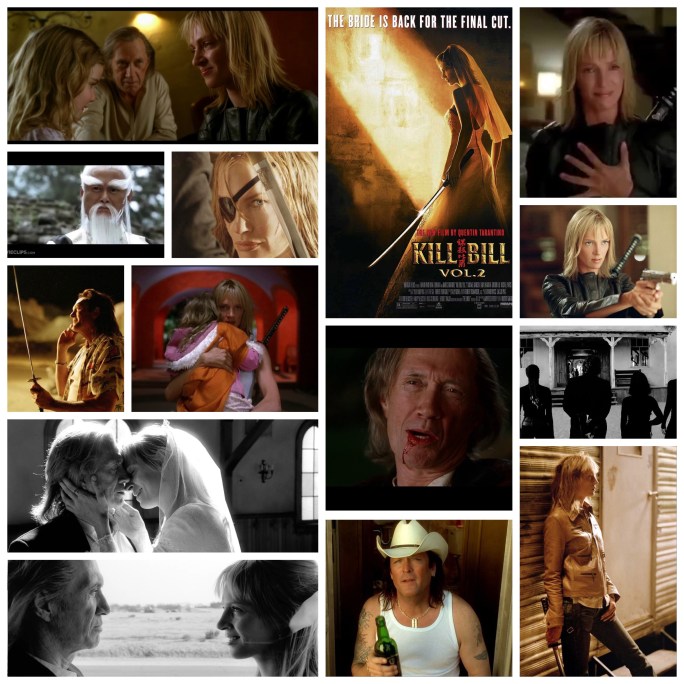
Quentin Tarantino’s Kill Bill Volume 2

Roger Ebert observed about Quentin Tarantino’s Kill Bill Volume 2 that although it takes place in a heightened reality that’s removed from the realism of our own, the human behaviour and emotions explored couldn’t be more real or more relatable. That insight is precisely why it is my favourite Tarantino film and in particular I think that the last half hour or so is the best, most thoughtful and intuitive thing he’s ever directed in a career that for the most part hasn’t dug that deep in such a way.

Every filmmaker must duck expectations and adapt or fall victim to self parody and repetition, and the guy understands this well. Volume 1 is a thrilling love letter to samurai films, peppered with sword fights, hectic editing and celebrates movement, choreography and synergistic expression. With this film though he moves inward, not just showing us the extreme actions of these characters, but why they’re doing them. The first film opens with the how, as Bill (David Carradine) tenderly puts a loaded gun to the temple of The Bride (Uma Thurman) and pulls the trigger. This film shows us what led to that, and the consequences yet to come, why indeed she feels the need to Kill Bill. It’s a beautiful story that’s acted to the nines by Thurman and Carradine, both giving their career best. The samurai vibe is somewhat present again but here the tone is that of a spaghetti western. Anyone who knows or loves this genre (pauses typing and raises hand) is familiar with the aesthetic: languidly paced shots, long glances lingered on by a camera that moves slowly, stolidly. Orchestral significance placed upon seemingly mundane or small gestures and measured, introspective performances. It’s all here, from the glorious wide shots of the California desert to the laconic inwardness of Michael Madsen’s Budd to the Morricone strains that Quentin loves to sample.

The Bride continues her quest stateside, taking on Madsen’s lowkey deadly cowboy, tussling with Daryl Hannah’s treacherous banshee Elle Driver, punching her way out of a sealed coffin six feet deep and even finding time to stop in for a quick visit with Michael Parks, sneakily playing a different role than Volume 1. Madsen is off the chain spectacular as Budd, a gruff, sadistic badass who has seen better days and seems done with life until she brings out the fire in him once again. His quiet scene with Carradine outside the rundown trailer is a showstopper, as is his priceless expression when chewed out by an asshole boss (Larry Bishop, providing the funniest moment in either of the two films). Tarantino brings out the best in Madsen and this is their finest collaboration, proving in tandem what creative forces both or them are.

This is the Uma and David show when it gets down to it though, their eventual confrontation is what we’ve been anticipating since the beginning, but he doesn’t quite give us what we expect. They meet at a quiet Mexican villa, she sees her daughter for the first time and the words spoken between them cut deeper than any of the physical blows, of which there are barely any. Both The Bride and Bill know exactly what their respective actions have done to them both individually and as a couple, and that there’s no going back from a betrayal like that. The fascinating thing, for me at least, is seeing how despite this anguish and hatred, they are still very obviously in love with each other, something that isn’t easy to get across without spelling out, but these actors nail it. I love the writing here, the body language, the time and attention spent on exploring the pathos, I think it’s Quentin’s showcase sequence and the one that dispels anyone from thinking of him only as ‘that guy who makes violent movies.’

He often works with his pal Robert Rodriguez and most people might immediately think of GrindHouse or Sin City but this is my favourite of their collaborations. Robert isn’t seen or present behind the camera but he composes an original score that is heartfelt, evocative of the western genre and altogether a brilliant composition, particularly the cues around Madsen. This is unique in the fact that it’s the only film Tarantino has made using a score in a career of distinctive soundtrack choices.

From the stunning opening sequence shot in dreamy black and white and aching with palpable yet guarded emotion to the intense, exhaustive training montages with warrior Pai Mai (Gordon Liu, also showing up in a different role) to the blood n’ dust takedown of Elle and Budd in the bone dry desolation out west to the final showdown and reconciliation of sorts with Bill, this is a fantastic story and one hell of a piece of filmmaking on every level. The two Volumes are so very different and I noticed the other day that although I’ve seen both probably hundreds of times, I’ve never watched them back to back. They are separate entities, two sides of the same coin. Bill tells The Bride that her side ‘always was a little lonely.’ The same goes for Volume two, there are less characters, more time spent on emotion and a slightly mournful feeling that the frenzy of Volume one just didn’t have time for. I love this portion of the story the most, I’ve always felt just a tiny bit more at home in Volume 2, and I will never have anything but absolute love for it.

-Nate Hill

Christopher Nolan’s Batman Begins

These days we take the abundance of DC/Batman films and TV series for granted, but back in the first half of the 2000’s there was a massive drought left on the land thanks to Joel Schumacher’s Batman & Robin, which we won’t go into here. Then Christopher Nolan came along and changed that forever, not with necessarily a bang, but the thoughtful, moody, introspective Batman Begins, a film that served as catalyst to one of the most celebrated motion picture trilogies of today. That’s not to say it didn’t blast into the scene with a bang, this is one seriously fired up action film that left iMax screens reeling and sound systems pumped. It’s just that Nolan gave the Batman legacy the brains and psychological depth that it deserves to go along with the fireworks, while Schumacher & Co. were simply making live action Saturday morning cartoons, which isn’t necessarily a bad thing either but after two films seemed a bit beneath the potential of what Batman could be.

Nolan bores into the roots of Bruce Wayne’s anguished past to expose themes of fear, not only facing his childhood fears but eventually becoming them to release the anger he’s harboured since that night in the alley. Christian Bale finds both the cavalier flippancy of Bruce and the obstinate, short tempered dexterity of Batman and yes, he makes an impression with a voice that has perhaps since become more well known than the films. Trained in the heartlands of the Far East by mysterious Ducard (Liam Neeson), Bruce returns to Gotham years later to find it rotting from the inside out with crime, corruption and poverty. Nolan shows the rocky road he sets out on and the failures he endures in his first few ventures onto the streets in costume, crossing paths with Cillian Murphy’s dangerous Dr. Jonathan ‘Scarecrow’ Crane, uneasily aligning forces with Gary Oldman’s stalwart Jim Gordon and assisted at every turn by Michael Caine’s Alfred Pennyworth and Morgan Freeman’s Lucius Fox. Nolan assembles a cast full of roles both big and small including Richard Brake, Mark Boone Jr, Ken Watanabe, Linus Roache, Rade Serbedzija, Joffrey Lannister, Rutger Hauer and more. I have to mention Katie Holmes because she gives one of the most underrated performances in the whole trilogy. I’m not sure what went on behind the scenes when recasting her with Maggie Gyllenhaal for the next film but it did no service to the character, Katie made it her own, is full of personality and will always be the real Rachel to me. Special mention must also be made of Tom Wilkinson as mob boss Carmine Falcone, who is only in a handful of scenes but scares the pants off of everyone with his off the cuff blunt dialogue, violent tendencies and shark-like personality.

I can’t say this is my favourite film in the franchise or even the one I’d call the best (Dark Knight holds both those honours), but it is definitely the one that stands out to me the most when I think of the trilogy as a whole. Why? Visual aesthetic and production design. With the next two films Nolan cemented a very naturally lit, real world vibe that became his signature touch on the legacy, but Begins is different. There’s a burnt umber, earthy, elemental, very gothic tone he used here that just isn’t there in the next two, and whether intentional or not, it sets this one in a Gotham slightly removed from Knight and Rises. The mood and story are also rooted far more in mysticism and the fantastical as opposed to the earthbound, economically minded, concrete edged sensibility of what’s to come. Just a few observations.

In any case Nolan pioneered an arresting new Gotham for Batman, his friends and foes to do battle in, he injected the smarts, philosophy and character development that the franchise had been thirsting for a long time before. Wally Pfister’s swooping cinematography, Hans Zimmer’s cannonball original score, Nathan Crowley’s spooky, cobwebbed production design and every performance in the film work to make this not just one hell of a Batman film, but an overall excellent fantasy adventure that truly transports you to its world, the mythology, development and destruction of which leaves a lasting imprint on the subconscious. Brilliant film.

-Nate Hill

Wayne Kramer’s Running Scared

On the DVD DVD cover of Wayne Kramer’s Running Scared, Pete Hammond of Maxim raves that it “makes Kill Bill look like Sesame Street.” That’s one way to put it. I’m sure he didn’t mean to blunt the edge of Tarantino’s film, he was just trying to articulate what a balls out, terrifying, kick-in-the-nuts experience this is. It’s one of the most brilliant pieces of crime filmmaking from recent years and one of my all time favourites, a dark, bloody urban fairytale that surges through a nocturnal ballad of explicit violence, mob war-games, monstrous characters and a performance from Paul Walker that has to be seen to be believed, and I mean that in the best way possible.

He plays Joey Gazelle here, a Jersey mob soldier who loses a very important gun left in his possession following a rigorous shootout with a gang of corrupt narcs who raided their drug deal. The kid next door (Cameron Bright) has snatched the pistol from his basement, used it to plug his heinously abusive Russian stepfather (Karel Roden) and disappeared into the night with it. This presents Joey and everyone else with no end of problems; if the surviving narcs, the Russian mafia or anyone else manage to get ahold of it, he and his colleagues are done for. It’s one of those hectic, delirious, ‘run all night through the city films’ where seemingly anything can, and does happen. It’s a mad dash through a town filled with freaks, monsters, corruption and the hum of barbaric nighttime activity. Poor Oleg, after stealing the gun, is launched from the frying pan into a city on fire with danger around every corner, the cops relentlessly on his tail headed up by Chazz Palminteri’s devilish Det. Rydell, plus both Joey and his wife Theresa (Vera Farmiga) looking for him too. Among the threatening figures he meets are a nasty, cartoonish pimp (David Warshofsky), feral crackheads, a sympathetic hooker (Idalis DeLeon) and two horrific child abusing kidnapper/murderers (Bruce Altman and Elizabeth Mitchell, forever in my head now as these characters) who are so messed up that the mid film sequence devoted to them is the ultimate barometer in discerning whether you can take what this film has to offer or wish to tap out of the chokehold it locks you in. One thing that’s always apparat: this isn’t just commotion flung at a wall, despite feeling that way some of the time. This is intricate, well spun storytelling that’s shot, edited and colour timed in ways that vividly bring all of this to life. One need only look as the unsettling, surreal animated credits to see that this isn’t just your average action crime film, but very well thought out, very specific and a piece that pushes the envelope to bring us something special.

Walker gives the best work of his sadly short career here, he’s energetic, in the moment and completely fired up to the edge of mania where he quite literally has to stop and take a breath at one point. Farmiga is the same, fearsome in the maternal instinct she has for Oleg, she reaches a level of scary when encountering the aforementioned pedophiles that will leave your adrenal glands in go mode. The film is chock full of outright dastardly motherfuckers, as if Kramer plumbed the depths of Hollywood hell for the worst of the worst villain stock in the stable, removed their leashes and muzzles and turned them loose in his film. Warshofsky is Joker material as the pimp, clad in an immaculate white suit and cheerful in threatening both women and children with a shiny switchblade. Johnny Messner is pure evil as Joey’s gangster boss Tommy, Arthur Nascarella channelling his inner Goodfellas as his dad and the Don of their operations. Roden is a sinister force of nature as Anzor, the nasty Russian stepfather with a meth habit and one unhealthy obsession with John Wayne, while Lord Of The Rings’s John Noble is impossibly sadistic as Ivan, head of the Russian syndicate. The women in the film are all an angelic and comforting presence, from Farmiga to the hooker (pay attention to the colour of her dress) to Ivana Milicivec as Oleg’s tragic mother, they serve as refuge from the night’s storm as best they can. It seems like I’ve described a lot here or spoiled some things but really I’ve only scratched the surface of this piece. It’s so fresh, potent and full of life that experiencing everything I’ve just laid out for yourself will feel absolutely new and invigorating, if daunting at the sheer titanic level of unpleasant human behaviour on display like a twisted circus trundling by, showcasing the dark underside of urban Americana.

Kramer has stated that he wanted to make the kind of gritty film you might have seen playing in the 70’s, and if anything he has fiercely committed to the adage ‘they don’t make ‘em like they used to.’ This film is unique in excess, style and atmosphere, from the assured yet riotous direction to the pitch perfect, profanity laced performances to the eerie, pulp infused score by Mark Isham. I don’t think people were quite ready for this film when it came out because it earned itself some very hostile reviews. I think that comes with the territory in a story this extreme, it’s just not going to be everyone’s thing, but many confuse personal taste with quality, and this is in no way a bad film but perhaps just ahead of its time. For me it’s already a classic, a film I’ve probably seen over thirty times since being awed and slightly scared speechless after the first round in theatres. I think I didn’t know what I was in for based on marketing, and the experience I got both humbled and terrified me at what is possible through visual storytelling. I think that’s one of the best effects a film can have on you. Masterpiece.

-Nate Hill

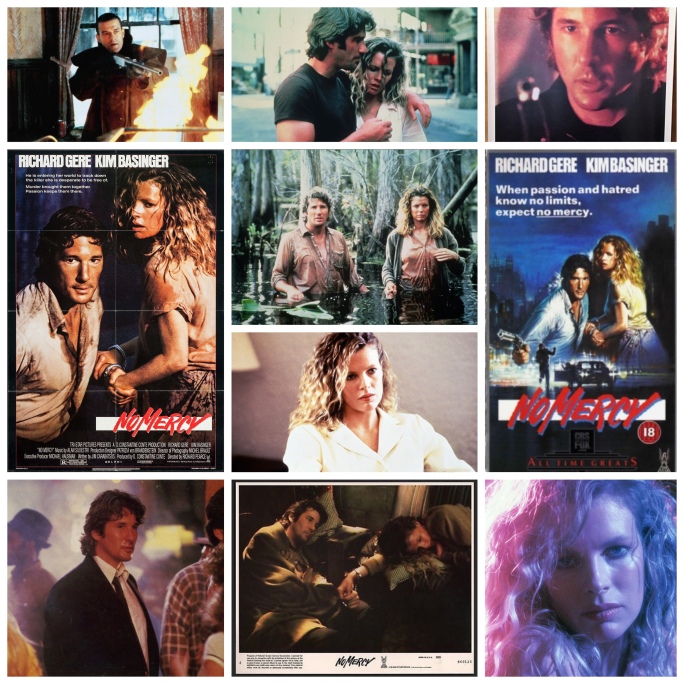
Richard Pearce’s No Mercy

Richard Pearce’s No Mercy is essentially a formula cop/revenge flick with all the recognizable elements visible, but it’s done so damn well that any generic beats don’t even really matter when you’re treated to atmosphere, action and chemistry this good. Richard Gere is an actor who gets cast as the affluent business guy or clean cut hero often, but he’s most effective when they let him fly his freak flag a bit and show some edge, he’s scary here as an unhinged Chicago detective out to avenge the savage murder of his partner following a botched sting operation that wasn’t even sanctioned to begin with. He’s led from the grey urban sprawl of the Windy City to sweaty, jazz soaked backroads of New Orleans in pursuit of a really nasty local kingpin (Jeroen Krabbe) responsible for the bloodshed. There’s naturally a blonde bombshell (Kim Basinger) who belongs to this monster since she was sold to him at age thirteen, and naturally sparks fly between the two as they fall in love amidst a rain of bullets, standoffs, chases and shootouts. You might be rolling your eyes and I’ll admit that the plot is well trodden soil but honestly this thing is so well made and engaging I didn’t care that I knew how it would all turn out because after all, the fun is in the journey there. Gere and Basinger have a natural rapport that isn’t rushed or forced and for a good two thirds of the film they hate each other in realistic fashion so that when passion eventually ignites it feels warranted. Plus the romance is so secondary to them simply meeting as two people that it never feels silly nor soppy and there’s somehow something sexier about her teaching him how to eat crawfish than the two of them actually getting it on. Gere is a live wire here, out of his element in the Bayou but determined to avenge his partner’s at any cost, including his own life. “If I die it’ll be on Chicago concrete!” He barks stubbornly, and we believe it. Basinger always brings a wounded nature to her work, she’s fantastic here as someone he believes to be a planted seductress until he learns that she’s just another victim. There’s a painful scene where she has to sign a lawyers form and when the attorney (perennial 80’s asshole William Atherton) announces that she can’t read, you can see the sympathy unclouded on Gere’s face. Sparks fly between these two and I’d love to see their other collaboration Final Analysis at some point. George Dzunda makes a fiery appearance as Gere’s wrecking ball of a precinct captain, a dude with a thousand yard glare who’s standing less than a foot from you. Alan Silvestri outdoes himself with a smokehouse of a score that accents Louisiana nicely and cues Krabbe’s bad guy in creepy fashion. This dude is one nasty piece of work, and the character can be forgiven for being one-note simply for how scary he is, a greasy haired, sadistic French bastard who enjoys gutting people with a knife and lords over the Bayou with a reign of ice terror. I’m not sure why this has amassed such a lukewarm overall reaction. It’s nothing innovative but everything it tries to do it does excellently. Stylish, immersive romantic crime thriller with a hot blooded central romance, well staged action scenes and atmosphere to spare.

-Nate Hill

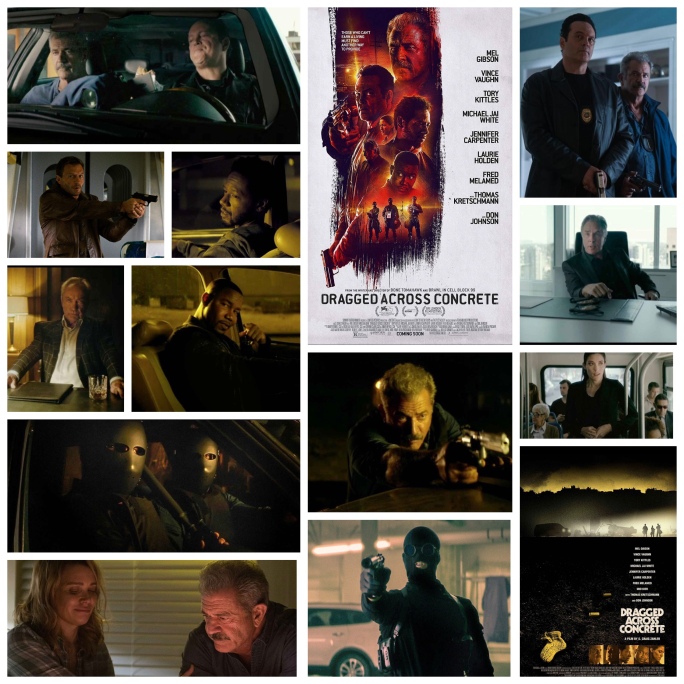
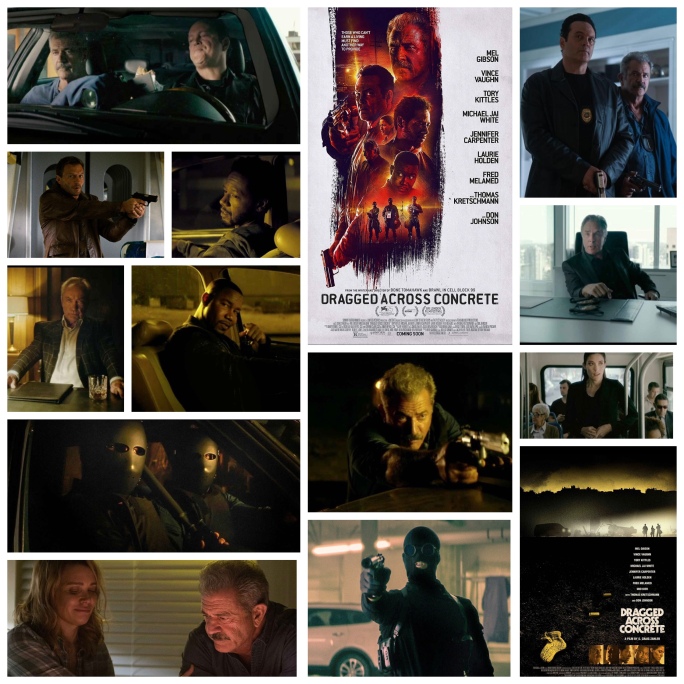
S. Craig Zahler’s Dragged Across Concrete

Dragged Across Concrete is exploitation auteur S. Craig Zahler’s third feature film, and so far stands as his best. I use the terms auteur and exploitation vaguely here because neither can completely encapsulate what the man is doing with his work, the flavour he strives to bring us is so specifically distilled and perfectly see-sawed a recipe that there are really no pins to drop on the cinematic landscape or existing terms for it, and he may have pioneered something new entirely. He blared onto the scene with primal horror western Bone Tomahawk and followed it up with brutal flick Brawl In Cell Block 99, but Concrete is his most deliberate, suspenseful, heavily charismatic, thoughtful and entertaining piece yet.

Mel Gibson and Vince Vaughn are Ridgeman and Lurasetti, two sinewy older detectives prone to excessive force and bitter attitudes, until a particularly violent arrest lands them on a viral video and an unpaid suspension from their captain (Don Johnson in a delicious extended cameo). Feeling slighted by both the department and the civilians they’ve served for decades, they decide to tap into underworld contacts and win back some currency as they both have family problems that unemployment wouldn’t serve well. “We have the skills and the right to acquire proper compensation” growls Gibson through a muskrat ‘stache and eyes clouded with anger, and it’s easy to see why he’s miffed. The film is under vague fire for showing us two racist asshole antiheroes and while their actions in the opening collar sequence are extreme and not very nice, they’re not as played up, hateful or heinous as I’ve read some whiny reviews claim. These two are hard bitten jerks, but when the anvil comes down and we see the moral core of each laid bare, they are essentially decent guys who won’t stand by when real injustice rears it’s ugly head. It does too, in the form of nasty arch criminal Vogelmann (an icy, evil Thomas Kretschmann) after a tip off from an underworld contact (Udo Kier, all too briefly). They decide to try and score some mob loot just as ex con Johns (Tory Kittles) and his childhood buddy Biscuit (Michael Jai White) gang up with Vogelmann to do some criminal shit.

This film has its action scenes and close encounters but what really enthralled me is the patience it takes to show us stakeouts in real time and set up incident on its own clock. The two cops post up in their car, eat snack food, nap, banter and compare world views as they simply wait for their quarry to make his move. This is the kind of character cultivation and pacing that leads to investment in the story, so that when the payoff comes we are riveted. I’ve already spoiled too much because I just saw this and want to gab about it endlessly but it’s essentially a long, measured surveillance game followed by a chase and one knockout of a confrontation scene that’s insanely suspenseful and ducks many expectations we have given what we’ve seen so far. Gibson and Vaughn are just so great here, they eat up the dialogue like fast food served with fine wine, it’s Mel’s best performance in years and he owns it. Zahler has a way of writing that is like protein for the ears, a poetically rich timbre as if every character has several thesaurus’s on hand and uses rich, offbeat dialogue to place you right in the scene. Some will inevitably find it too purple or pretentious a script, but I love the way this guy writes. Further down the cast lineup we get turns from Zahler regulars Jennifer Carpenter and Fred Melamed as well as Laurie Holden, Cardi Wong, Matthew MacCaull and others.

My only one gripe is the ongoing and blatant use of Vancouver as other cities when it’s very clearly not. It’s supposed to be Bulwark here but they’re sat up there in Don Johnson’s office on like the twentieth floor somewhere in Coal Harbour with the whole Burrard Inlet visible and it’s like… get real, it’d be nice to see things filmed where they’re set for personality instead of just lazily using my city, but oh well. Probably not a gripe for most, but having grown up here it takes me out of the story just a bit when everything under the sun is recognizable. This has to be Zahler’s most complete and streamlined creative vision so far, a nasty gutter-ball genre piece that shows life in the inner city boiling over the pot into street violence, heists gone up in flames and good intentions shot to ribbons by high powered artillery. The best film I’ve seen so far this year.

-Nate Hill

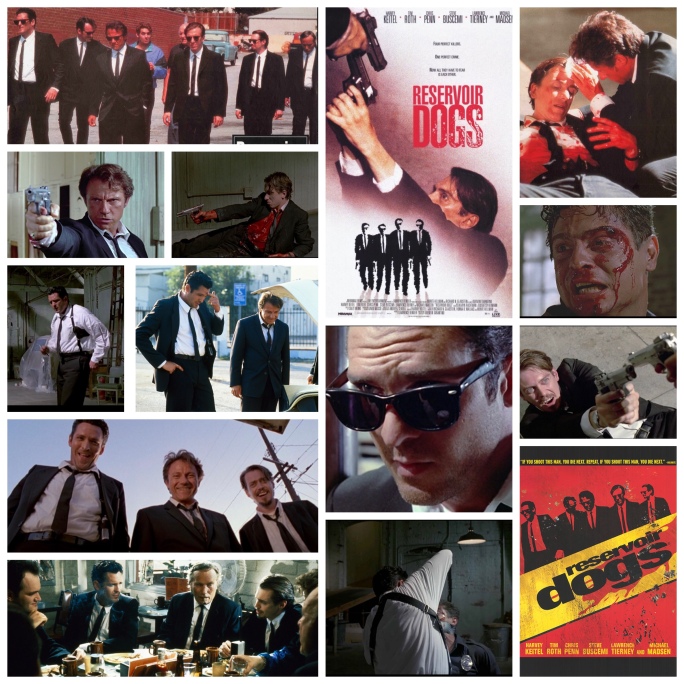
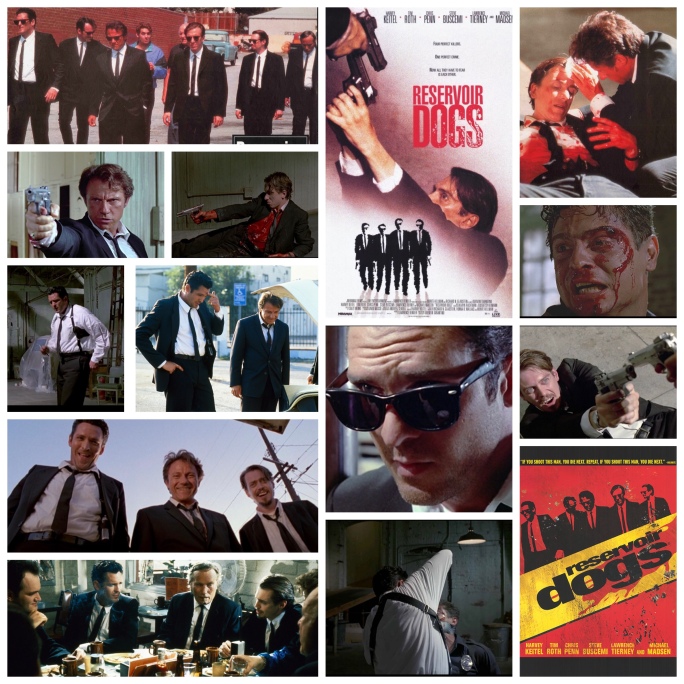
Quentin Tarantino’s Reservoir Dogs

What kind of heist flick is it where we don’t even see the heist? The best kind. The Quentin Tarantino kind. Reservoir Dogs has aged incredibly well, it’s his leanest and meanest film to date and stands as the blood soaked crash course leading to the sustained, verbose historical epics we have come to know him for these days. Many consider Pulp Fiction to be his official breakout but the magic first took flight here on the outskirts of LA as a band of marauding jewel thieves in identical suits tries to smoke out a rat from their very midst. Like a bizarro world version of the Rat Pack, this profane, volatile murder of ex-con crows discuss Madonna, tipping waitresses, The Lost Boys and more before erupting together in a cascade of yelling and bloodshed that remains as exciting now as it no doubt was in the initial theatrical run. Dialogue runs the show here, whether between Harvey Keitel’s Mr. White and Tim Roth’s Mr. Orange, Chris Penn’s Nice Guy Eddie and his gangster father Joe (Lawrence Tierney) or Michael Madsen’s Mr. Blonde and whoever he’s decided to intimidate on a whim. Madsen gives the performance of his career early on and Blonde is a character for the ages, a self appointed psychopath who tortures an LAPD hostage (Kirk Baltz) more out of vague amusement than outright malice in a scene that has since been inducted into time capsules everywhere. When we meet these guys, they’re casually having breakfast in a greasy spoon diner, chattering on about everything under the sun except the jewel robbery they’re about to commit. It’s only after the stylized opening credits and the hectic aftermath of said robbery that Tarantino flashes back to scattered exposition and backstory for these guys, and it’s that kind of deliberate editing that has not only become a hallmark for the filmmaker, but keeps his stories so fresh and enthralling. The audience knows almost right off the bat who the rat is, but the fun is in observing paranoia levels rise in their ranks as they each begin to suspect the man next to them and turn on each other like a pack of hyenas in the Serengeti of industrial Los Angeles. From the iconic torture scene set to Stuck In The Middle With You to the tense Mexican standoff to the frantic escape and firefight with LA’s finest, this is one gritty slice of life crime piece that the years have been most kind to. Tarantino has evolved and adapted as his career has moved forth, but its always nice to come back to the scrappy little picture that started it all, see how it’s influenced countless other filmmakers over the decades and bask in the bloody, expletive filled, dialogue heavy bliss again every once in a while. An all timer.

-Nate Hill

Michael Bay’s Transformers

Because the Transformers franchise has become an unwieldy cloud of toxic waste over the years, most seem to have forgotten how enjoyable the first one was. Michael Bay gets an awful rap for these, and by all means he deserves any shade thrown his way for some of the sequels, but I’m still convinced they only got made to cash in on the massive Asian market, I’ve heard that stuff like this is huge over there. This first film is a little saner and a lot more focused though, with a sort of 90’s Amblin infused vibe crossed with big budget CGI disaster mayhem of our current era, which is par for the course in a film directed by Michael Bay, as are lens flares, a grossly backlit slow motion kissing scene, explosions, fetishistic attention to the details of military protocol, montages of various factions of Americana playing out and um…cameos from loud sassy African American actors. Based on the Hasbro toy of the same name as well as probably an animated show that came before it, Bay ramps up the scale, special effects, human characters and exposition to somewhat plausibly set the Autobots and Decepticons loose in our world, engaged in noisy warfare over the All Spark, a cube of untold power that looks not so distantly related to the Tesseract. Caught in the middle is Shia Lebeouf as Sam Witwicky, a nervous teen whose family history hides something related to the Tranformers mythology, naturally sending him and the obligatory super hot love interest (Megan Fox) on a wild goose chase of stuff blowing up. There’s also various military factions caught up in the squabble including intrepid soldiers Josh Dumahel, Amaury Nolasco and Tyrese Gibson, research scientists Rachael Taylor and Anthony Anderson, Jon Voight as the grave Secretary of defense, John Turturro in pure comic relief form as a hapless federal agent and uh… Bernie Mac too, as the world’s saltiest used car salesman. The Shia Lebeouf angle has a cool 90’s sort of Joe Dante vibe, right down to the presence of consummate 90’s dad Kevin Dunn, naturally playing Sam’s father. While it goes a little off the rails in a final battle that pretty much levels an entire city to the ground and numbs any sense of realism to a dull roar, there’s a lot of fun to be had with the film, especially in the special effects used to bring these mechanical goliaths to life. Bumblebee is always a fan favourite, Optimus Prime looks fantastic and Hugo Weaving brings the vicious Megatron to life nicely. Steve Jablonsky almost outdoes his score for Bay’s The Island here, giving a magisterial composition that’s large and loud enough to accompany the Transformers on their journey and fills the film with noise, as the does the Oscar nominated sound design. Like I said, the sequels have become an impossible wall of deafening, uncalled for noise in the years since and it’s a shame because this one gets tainted in people’s memory when it’s still a good time.

-Nate Hill

B Movie Glory: Lone Hero

Lou Diamond Phillips is an actor who’s never really impressed me much, except for this one. Lone Hero sees him headline a low key action B flick and steal the show as Bart, a nasty biker gang chief who rolls into a tiny Montana town with his boys, looking for nothing but violence and trouble. Here’s the cool thing about his performance: while many actors who have played evil bikers tried out the straight up savage, hotheaded route (which admittedly works if done right), Lou switches it up and plays the guy as a calm, free spirited scoundrel who although is an indefensibly scummy fellow, does it with a gleam in his eye and smile on his face. That’s a courageous choice for a villain role of this ilk, but it’s a great fit for him and his best work I’ve seen. Because this town oddly doesn’t seem to have any cops let alone a local Sheriff, it’s up to a few plucky locals to fight off the biker menace and take back their town. Sean Patrick Flanery plays a guy who isn’t necessarily a western cowboy hero, but plays one in a local tourist attraction and therefore must step up to the plate, and in a place as bereft of law enforcement as this burg, that’s what they’ll have to settle for. He’s joined by the great Robert Forster as an ageing frontier man who grabs his trusty rifle and starts blasting bikers all to hell alongside Flanery when things get rough. This is TV movie territory and nothing of consequence really jumps out at you, but the three actors make it a damn good little show, the banter between the them is genuinely fun stuff and acted well by all. Oh and like I said, Phillips makes it a Diamond of a performance, a true scene stealing villain in the spiritual energy of someone like Robert Downey Jr, I’d love to hear if anyone can think of a role he’s been better in. Good stuff.

-Nate Hill