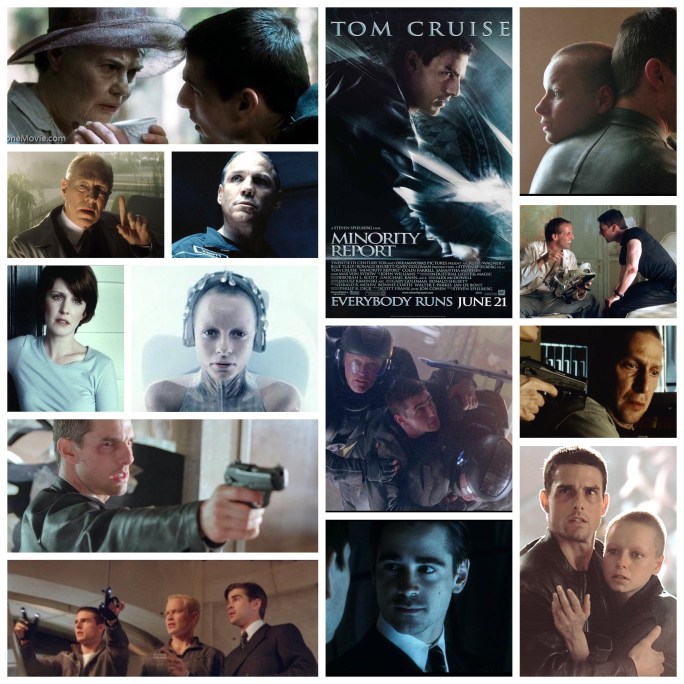
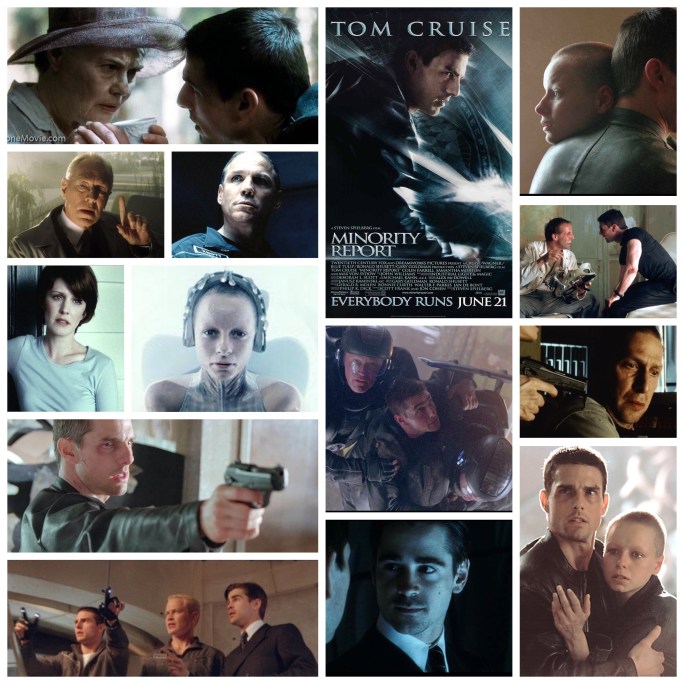
Few films successfully balance story, character, emotion, action and special effects on a scale as grand as Steven Spielberg’s Minority Report, which I saw for the first time last night and am still reeling from. It’s brilliant, intelligent science fiction, a labyrinthine murder mystery, complex detective story and a thunderous action movie all rolled together in a perfectly pitched recipe, probably as close to flawless as you can find. Based on a short story by Philip K. Dick, Spielberg world-builds fantastically around the concept of ‘Pre-Cogs’, neurologically damaged clairvoyants who can predict murders before they happen and have been put to work in Washington DC of 2054, where Lexus hover cars jet along vertical freeways, mad doctors replace eyeballs in a grimy shanty town flophouses, holograms dance about and there hasn’t been a single murder in six years, which is all about to change. It’s a startlingly complex, succinct version of the future where every bell and whistle serves the story instead of being simple gaudy arbitration to flaunt the studio’s money showboating across the screen. Tom Cruise gives a focused, implosive turn as John Anderton, chief of the high tech PreCrime unit, tasked with taking the PreCog’s readings and implementing force to ensure that these future murders never take place, that is until his very own name comes down the tube and he’s propelled on an odyssey to clear his name, smoke out elusive corruption and put ghosts of the past to rest in several different cases. Talk about an eclectic cast of actors supporting him, with standouts including Max Von Sydow as the grandfatherly director of the program, Lois Smith as an eccentric botanist with ties to the past, Kathryn Morris as Anderson’s intuitive ex wife, Colin Farrell as a sharp federal agent who both hinders and helps Anderton’s cause, Peter Stormare positively devouring scenery as aforementioned mad doctor, Tim Blake Nelson as a chatty prison warden, Neal McDonough and Patrick Kilpatrick as fellow PreCrime cops and Samantha Morton who almost walks off with the film in an arresting portrayal of angelic, animalistic PreCog Agatha, whose gifted brain holds power to unlock the past. The central mystery of the film is deep, broad and filled with hairpin turns you don’t see coming, it’s noirish in the way it unfolds but slick and streamlined in design, like all the best retro futurism I can think of, this now included. Better still is the fierce, uncompromising emotional centre where it finds gravity, particularly in a heartbreaking scene where Agatha enlightens John and his wife to their own pain, hers and that of those in the past she is trying to find retribution for, it’s a devastating sequence of blunt truth and unfiltered compassion that resonates beautifully from Morton, Cruise and Morris who all nail it. What more can I say? Roger Ebert said it best when he wrote that this film reminds us why we go to the movies in the first place, and I agree. I was attentive, rose up to met the narrative with my focus and always felt entertained by both the large scale fireworks and careful mechanization of story. Masterpiece.
Flash Gordon was a staple of many an 80’s child’s cinema-going experiences. It was the first of its kind – as far as bringing a comic-strip to the big screen with all that campy, comic-booky, over-the-toppy goodness that would later manifest in films, stylistically related, like Dick Tracy and Sin City.
Life after Flash however, is not purely a retrospective documentary that deals with the making of the movie from script to screen with a lot of talking heads in between. No, what director Lisa Downs has brought forth from the void is a touching, insightful, and thought-provoking picture, which is more than simply a look back at Flash Gordon, but more so the impact of the movie both on the world and also on the people who came together to make this legendary hero flesh and blood.
At the center of this awesome maelstrom is Sam J. Jones – the man who would be Flash – or, more appropriately, the man who is Flash. Jones’ story which really makes up the film’s core is both cautionary, touching and inspiring. Here is a man who was, like in many Hollywood stories, plucked out of obscurity and hurdled at maximum velocity on a collision course with international stardom. So where did it all go wrong?
Well – this man is not going to spoil it for you. I really urge you, when and where you can, to check out the first of Lisa’s ‘Life After films’. It is at once a treat for fans of Flash as well as this beautiful and moving tale of how hope survives even in the face of total annihilation. You’ll watch, you’ll smile, you’ll cry, you’ll put on Flash Gordon as soon as you’ve finished watching.
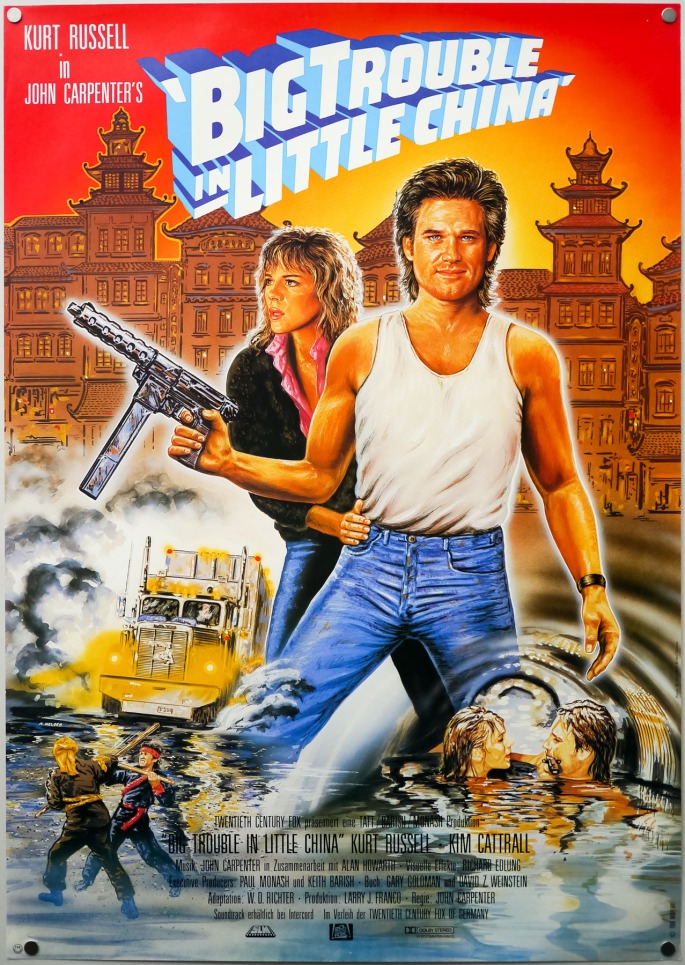
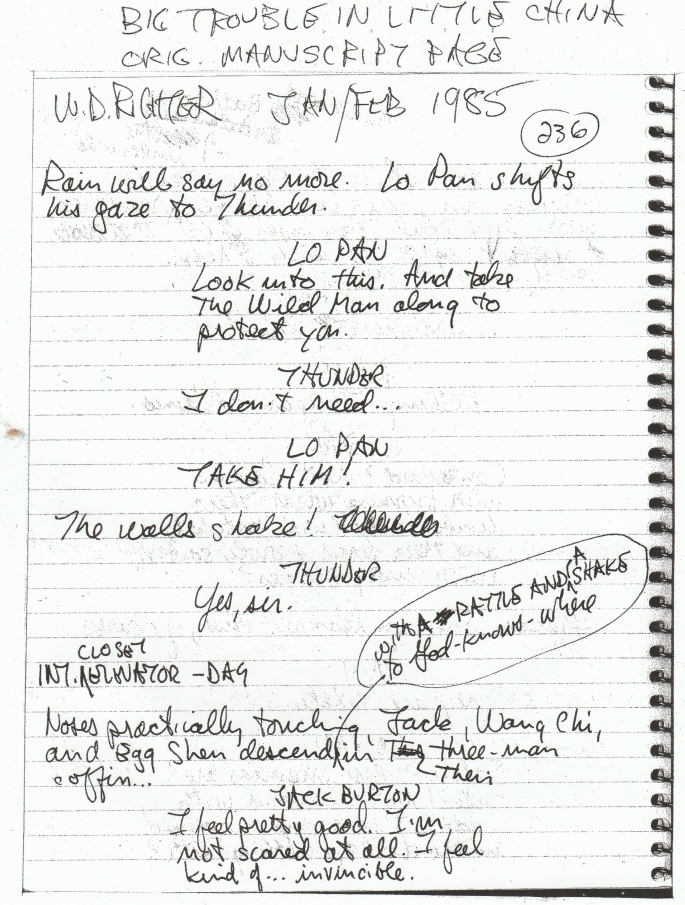
To talk about W.D. (Rick) Richter, is to talk about one of my all-time favorite films, Big Trouble in Little China. It is, to put it simply, one of those films that comes along (not so much anymore) once in a generation. As we know in this age of remakes, reboots and re-imaginations, there is a very good chance that this film, because of its staying power and built-in fan base, will more than likely resurface with Dwayne Johnson playing Jack Burton. Just like Hansel in Zoolander he is, as far as the Studios are concerned, so hot right now!
And you can be your bottom dollar that it will try like hell to recapture the magic of what was – and more than likely – crash ‘n’ burn in its attempt to do so. I might be wrong. Because, BTILC, was and is what is often referred to as a “happy accident”. What began as a seemingly awkward combination of a western with a plot that involved Chinese black magic became, thanks to my guest, a glorious blending of genres that there is really no recipe for.
I rarely get nervous doing interviews, but I was glad to be sitting down for this one. When the person on the other end of the line had a hand in creating a couple of the seminal film of one’s existence . . . it is tough to play it cool, plus for the first time in a long time, I found the need to have my questions written, rather than merely see what the conversation would provoke. Primarily because I knew I was only going to have a limited time, and secondly because during our email exchanges prior to the chat, I found Rick to be extremely matter-of-fact and, wishing not to have the interview published in audio form, he merely wanted to be concise and not ramble on as, he says, has happened in the past.
So I sat and pondered questions. Having read other interviews with him in the past, before he’d stepped away from the business, the focus was on the films he had released at the time and didn’t really get below the surface. Off the record, we spoke about a few of the things that were beneath the polished exterior of the press kits, but that was not all that interested me. There have been many books and articles on his films, as well as many having excellent special features and commentary tracks which mine their depths – so I wasn’t going to waste time there.
In the end I waited till the last minute and scribbled down the first questions that popped into my head. Some of course are elementary, but one or two I’ve had on my mind for a while.
Well, it took a long time, but sometimes, good things do. It was well worth the wait and the frustrating silences in between messages from Rick’s friend who very graciously made the introductions, and I, as a fan first, was humbled, honored and thrilled at the prospect of speaking to yet another film-making idol of mine.
While Rick, early in our email exchanges said, “I prefer to let he films, for better or worse, speak for themselves.” I am and will be forever grateful he took the time to talk a little about his work. In the end I wasn’t nervous or scared at all . . . I felt kind of invincible.
KH: Did you always want to work in movies and if so what were the films which influenced you?
WDR: First I wanted a paper route. Then I wanted to run a circus. Then I thought about pursuing a career as an English teacher. Then I thought, “Why not aspire to become an actual tenured English professor?” But, by the time I got to college, graduate film programs were springing up here and there. Having loved movies since childhood, but never imagining there was a route available into the business, I suddenly saw a way to pursue a career in film in a structured, sensible way.
I went to a lot of movies of all kinds as a kid, but mostly B horror films from the mid-fifties through the mid-sixties. In 1964, I saw DR. STRANGELOVE and in 1965 THE LOVED ONE. They suggested a new direction and deeply influenced me.
KH: How did you break in to the business?
WDR: I wrote screenplays at USC, and one of them secured me an agent. I then worked as a reader for Warners and wrote on the side and continued to do so when Warners and Irvin Kershner let me work as his assistant while he was prepping DIRTY HARRY for Sinatra. That project fell apart, but a spec script I’d written, SLITHER, got to the director Howard Zeiff, and he set it up, odd as it was, and we shot it. Presto! I was a produced screenwriter.
KH: Your early career was full of greats like Dracula,Body Snatchers and your Oscar nod for Brubaker. How much does momentum play a factor in one’s career (films coming out and performing well) as well as recognition for one’s talent?
WDR: Actually, none of those films did perform well, but they were respected, and, as a result, I was respected as a young writer with perceived potential. You must remember that during the seventies and eighties eccentric characters in unusual, small stories were nothing Hollywood ran screaming from. That came later.
KH: You are a part of two of my favourite films of all time withBanzai and BTILC. How do you feel as an artist to be remembered for singular works rather than your entire body of creativity?
WDR: I’ve never given much thought to being “remembered”. After all, sooner or later, this whole planet is going to be forgotten.
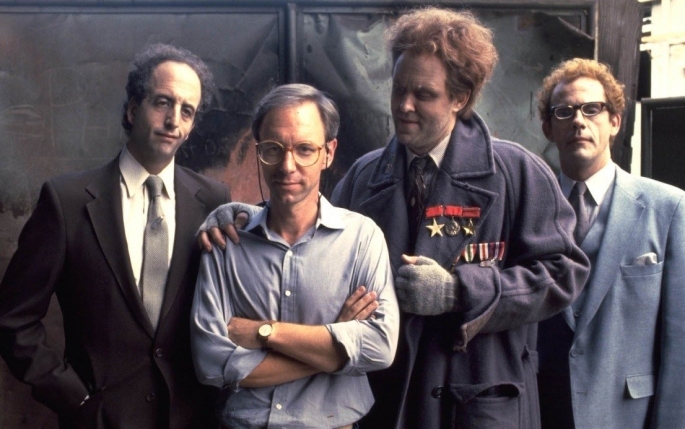
KH: If people want the skinny on Banzai, you have already provided an excellent commentary. What I would ask is, did you ever see Kevin Smith’sQ & A whose guests were Wellerand Lithgow, and how did you feel about possible versions of the continuing story of Banzai?
WDR: I thought Kevin did a spectacular job that evening, and it was nice to learn how much the movie shaped him. As long as Mac Rauch is involved, I feel quite confident that a “new” BUCKAROO could be as startling as the original.
KH: BTILC was ahead of its time, in my opinion. What I’ve always wanted to know is, what the “western version” was like prior to your work on the script, and how much of the finished film remains your work?
WDR: The “western version” just didn’t work for anybody, sad to say. It all seemed too distant…the Old West and the Asian occult, etc. So I proposed moving it to a modern, familiar setting and swapping the hero’s horse for a big rig. The pitch went over well, and, with a writers’ strike looming, I dug into the challenge of creating a contemporary script in about seven weeks, choosing to do that with a somewhat dim but hopefully lovable hero at the center. The finished film stayed absolutely true to my screenplay, apart from the inevitable ad libs here and there. Jack Burton’s John-Wayne cadences, though, are definitely nothing I wrote or endorsed. John and Kurt settled on that themselves.
You asked me prior to this conversation: “Did you write the line or was it improvised: I feel pretty good. I’m not, uh, I’m not scared at all. I just feel kind of… feel kind of invincible?”
Turns out I did write it. I wrote the whole script furiously in longhand in several spiral notebooks, and a typist transcribed them into script format.
KH: There was a significant gap between Home for the Holidays and Stealth. I have interviewed many writers who talk of these periods. They say, it’s not that I wasn’t writing, it’s just my scripts weren’t getting made. Was that true of your career at the time?
WDR: Definitely. I had movies actually green-lighted then cancelled when directors went over budget in pre-production.
KH: I understand Stealth was a troubled production.
WDR: STEALTH was just a bizarre and massively unpleasant experience. Directors and location scouts shouldn’t rewrite writers, if you want my opinion. Kind of like Presidents shouldn’t tweet.
KH: Did your involvement end after the writing?
WDR: The “writing” never really stopped. I was removed from the picture several times when my revisions failed to please the director. But I was repeatedly brought back by the studio to pull the script back from the brink after the director (who shall remain nameless) had worked it over again in his spare time. It’s the only film I’ve had made that, with great care, I kept my distance from during production and through release.
KH: I also love Needful Things. What was it like to adapt King?
WDR: Crazy. The book is 690-pages of single-spaced prose. My script was 124 pages, and you know how much “air” there is on a script page. I figured that if one were to retype the novel in a crude screenplay format, it might easily hit 1000 pages. So I lost roughly 876 pages while trying to keep King’s story and mood intact. I have no sense of how that worked out because I’ve never reread the book, but I always imagined a looser, grittier, less-arch movie.
KH: Any advice you would give to a struggling screenwriter – not unlike myself?
WDR: Write. Write. Write. But always try to imagine the movie itself playing to paying strangers. Why would they — or you! — want to watch it?
KH: Sir it has been a profound honor to converse with you. I cherish the moment and humbly thank you.
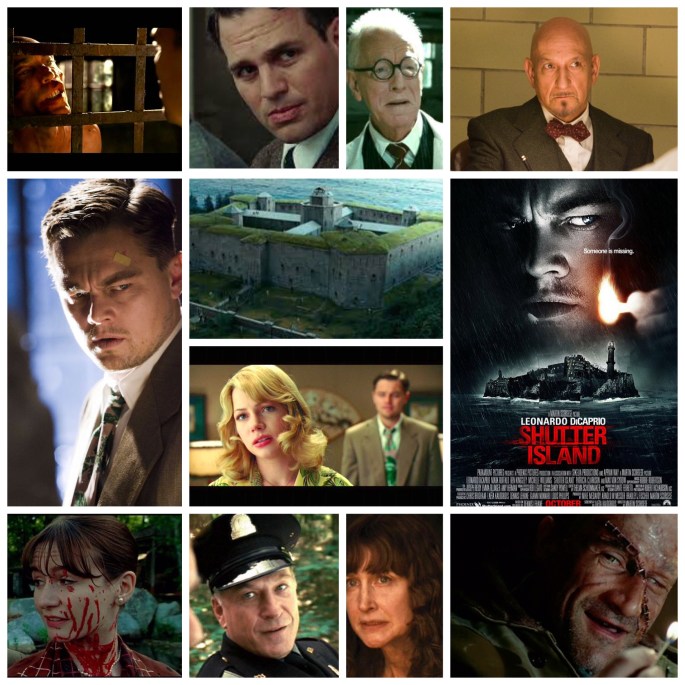
Shutter Island is my favourite film by Martin Scorsese. Now, keep in mind that I still have yet to see heralded classics like Goodfellas and Raging Bull, but that being said I still feel like this clammy psychological opus would remain at the top of the charts. I’m a genre guy at heart, and as such gravitate towards that when watching any director’s work, I just feel more at home wading into fictitious, stylized thrillers than I do with earnest biopics or urban crime dramas, which aren’t always my thing to begin with. Shutter is a brilliant piece, a deliberately dense and serpentine mystery that unfolds step by delicious step, a gift to anyone who loves a good twist and plenty of clues to keep them engaged along the way. Not to mention it’s wonderfully acted, cleverly written and primed with emotional trauma to keep us invested in the puzzle beyond base curiosity. Leonardo DiCaprio is best when portraying intense, tormented people, and his US Marshal Teddy Daniels here is no exception, a haunted man who feels like a caged animal as he investigates the disappearance of a mental patient from a secluded island sanitarium, a place that just doesn’t seem right, with a mood in the air so oppressive you can almost feel the fog, both mental and meteorological, weighing you down. The patient, Rachel Solando (Emily Mortimer will send shivers up and down your spine) seems to have vaporized into thin air, and Teddy’s investigation leads to closed doors, uncooperative staff and a heightened level of dread that lurks beneath every hushed exchange of dialogue and fleeting glimpse at things he, and we, aren’t even sure he really saw. The head doctor (Ben Kingsley, excellent) is clearly hiding something, as is the austere asylum director (Max Von Sydow). The freaky Warden (terrific cameo from Ted Levine, who gets to deliver the film’s best written and most perplexing dialogue) babbles to Teddy in biblical platitudes, and the patients have run amok following a storm that compromised security. Needless to say the plot is deviantly constructed to constantly mess with the audience until the third act revelations, which come as less of a melodramatic thunderclap and more like a quiet, burning sorrow of realization, a tonal choice from Scorsese that hits you way harder. Scorsese has assembled a cast for the ages here, and besides who I’ve mentioned so far we also have Michelle Williams in disconcerting flashbacks as Teddy’s wife, so perfectly played I wish she got a nomination, creepy Elias Koteas as another phantasm from his past, John Carrol Lynch, Mark Ruffalo, Jackie Earle Haley, Robin Bartlett and Patricia Clarkson. The score is a doom soaked death rattle courtesy of Robbie Robertson, not without it’s emotional interludes but thoroughly grievous. There’s also a beautifully slowed down version of ‘Cry’ by Johnnie Ray that accompanies the horrifying dream sequences within the film, adding to the already thick atmosphere nicely. This is a film built to last, both for dutiful rewatches from adoring veterans and discovery by lucky newcomers who get to experience it’s affecting story for the first time. All these boxer biopics, big city mafia ballads and heady stuff seems to have rolled off of me as far as Scorsese goes, I enjoy them, don’t get me wrong, but they’re a one-off as far as how many times I’ll watch them. Give me a well spun, emotionally rich psychological murder mystery with no shortage of style, character and tantalizing thriller elements, however, and I’ll pop that sucker back into the DVD player time and time again. Scorsese’s best effort by far.
Ah yes, the 90’s version of Judge Dredd, featuring a hopped up Sylvester Stallone as the titular comic book lawman. There is so much hate floating around for this flick that I feel like radios have picked up some of it right out of the air. There used to be a lot more loathing, but then the 2013 version graced our presence, and it was so good, so true to the source material and such a kick ass flick that the collective bad taste left the fan’s mouths, leaving this version somewhat forgotten and to many people, for good reason. But.. but… bear with me for just a moment, readers, and I’ll tell you why it’s not as bad as it’s utterly poopy reputation. Yes it’s silly, overblown, altogether ridiculous and Stallone takes off his helmet to yell about the law a lot. Basically pretty far from the source material and weird enough to raise eyebrows in many others, and prompt the torch and pitchfork routine from fans of the comic series. But it’s also a huge absurdist sci fi spectacle that will blow up your screen with its massive cast, opulent and decadent special effects and thundering, often incomprehensible plot. It’s in most ways the exact opposite of the 2013 version, all the fat that was trimmed off of that sleek, streamlined vehicle is left to dangle here, resulting in a chaotic mess that looks like a highway pileup between Blade Runner, Aliens and some Roger Corman abomination. But.. is it terribly unwatchable? Not in the least, or at least not to me. Like the highway pileup, it’s so off the rails that we can’t help but gawk in awe, and if we’re not some comic book fan who is already spiritually offended to the core by it, even enjoy that madness and lack of any rhyme or reason in it. Stallone uses his bulk to inhabit the character, and infuses a level of stagnant processed cheese to his dialogue that would be distracting if it weren’t for the electric blue contact lenses he sports the whole time, which look like traffic lights designed by Aqua Man. He’s embroiled in one convoluted mess of a plotline involving a former sibling (a hammy Armand Assante with the same weird eyes). Joan Chen and Diane Lane fill out the chick department, the former being some kind of cohort to Assante, and the latter a fellow judge alongside Dredd. Dredd has two superiors, the noble and righteous “” (Max Von Sydow in the closest thing he’ll ever make to a B-movie), and the treacherous Griffin (a seething, unbridled Jurgen Prochnow). The cast is stacked from top to bottom, including a rowdy turn from James Remar who sets the tone early on as a rebellious warlord who is set straight by Dredd. Rob Schneider has an odd habit of following Stallone around in films where his presence is wholly not needed (see Demolition Man as well), playing a weaselly little criminal who pops up whenever we’re off marveling at some other silly character, plot turn or risible costume choice. Scott Wilson also has an unbilled bit as Pa Angel, a desert dwelling cannibal patriarch, and when one views his scenery chomping cameo, although no doubt awesome, it’s easy to see why he had his name removed from the credits. The whole thing is a delightful disaster that shouldn’t prompt reactions of hate, at least from the more rational minded crowd. Yeah its not the best, or even all that good, but it’s worth a look just for the sake of morbid curiosity, and to see an entire filmmaking, acting and special effects team strive way too hard and throw everything into the mix, forgetting that less is more as they pull the ripcord of excess. Sure I’m generous, but I’d rather be puzzled and amused rather than bitter and cynical when a lot of work still went into this and me as an average joe has no right to bring down artists when my greatest life accomplishments so far are riding a bike with no hands while I have a beer in one and check my phone in the other. Such silliness is what we find in this movie, and I gotta say I was tickled by it.
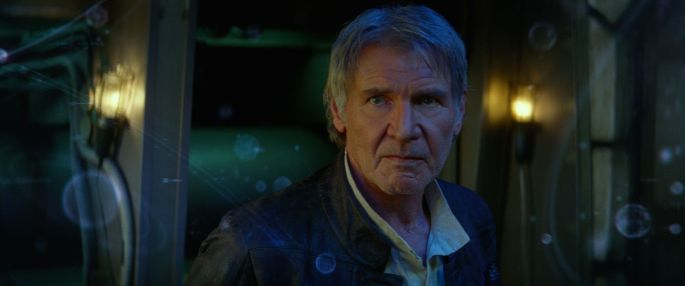
Frank and Tim discuss their reactions to STAR WARS THE FORCE AWAKENS. They get into who Supreme Leader Snoke is, who Rey is, Harrison Ford’s brilliant return as Han Solo, the prequel tie-ins, the new Funko Pop FORCE AWAKENS series that just got released, and much more!
Tim and Frank sit down and gush about their love for STAR WARS. Topics discussed are the STAR WARS prequels, but we mainly discuss the genesis of THE FORCE AWAKENS and what we think might be happening. This is going to be the first of many STAR WARS themed podcasts from Tim and Frank. Enjoy!
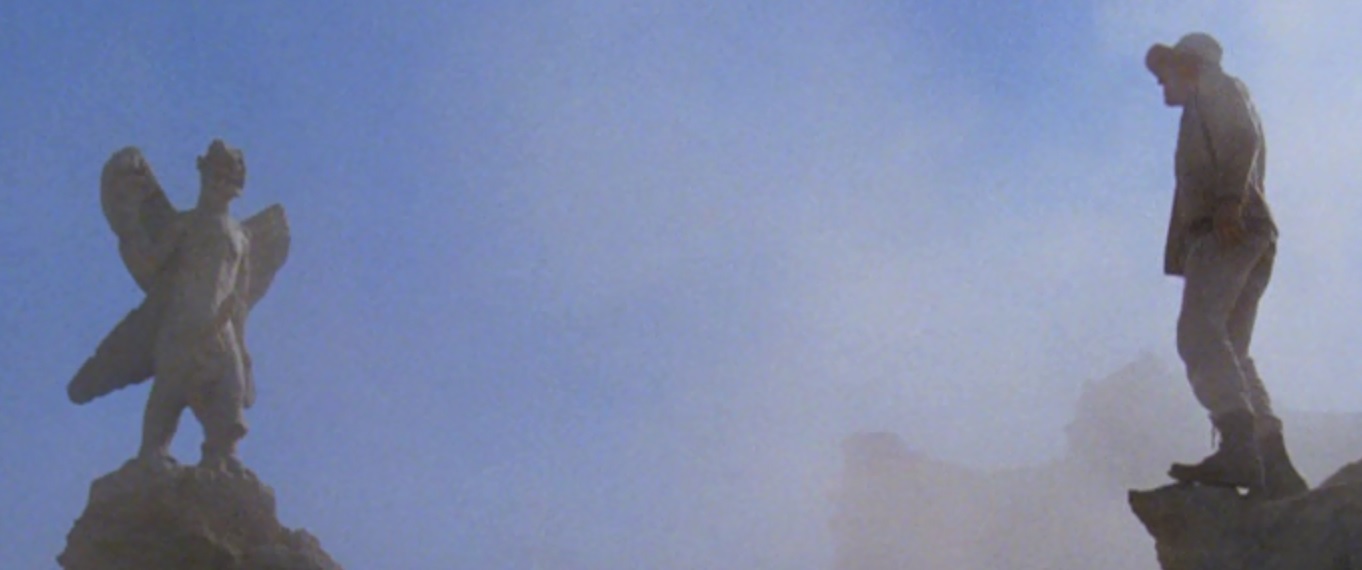
I’m not huge on horror movies. But The Exorcist is brilliant, and easily one of my all-time favorite films in any genre. This movie actually kind of scares me, every time I watch any portion of it, no matter the time of day. It certainly gets under my skin; it’s relentlessly thrilling and so ruthless in its force and skill that it’s become one of those films that I study in terms of the nuts and bolts of its construction. I’m not a believer in the idea of real-world demonic possession, but, the scenario certainly has made for more than a few memorable cinematic experiences, but William Friedkin’s beyond intense vision is truly the stuff of nightmares. Owen Roizman’s carefully measured cinematography puts you on edge immediately, as the nearly wordless opening 20 minutes plunges the viewer into an exotic world with very little context, as Max von Sydow’s priest character unearths something terrible out in the desert. Ellen Burstyn was sensational as the actress/mother struggling with almost every facet of her life, with her biggest problem being that her young daughter Regan, the show-stopping Linda Blair, has caught the eye of the Pazuzu, an ancient demon. Jason Miller’s tortured performance as Father Karras is some of the most emotionally affecting work in this genre that I’ve come across; admittedly I’m no aficionado of the horror world, but Miller’s acting in this film has always resonated with me, and has always seemed to be a cut above for this sort of fare, which can tend to be overplayed for big, obvious moments. There’s a reason this movie has endured as long as it has – it’s truly horrific in all the right ways, vulgar and nasty, never afraid to go to some truly dark and disturbing places, while still paying respect to classic genre tropes. The Exorcist feels perfect from scene to scene, with each performance totally nailed by the incredible ensemble, and all of the craft elements aligning to create one of the most visceral and truly horrifying visions of cinematic terror that’s ever been presented.
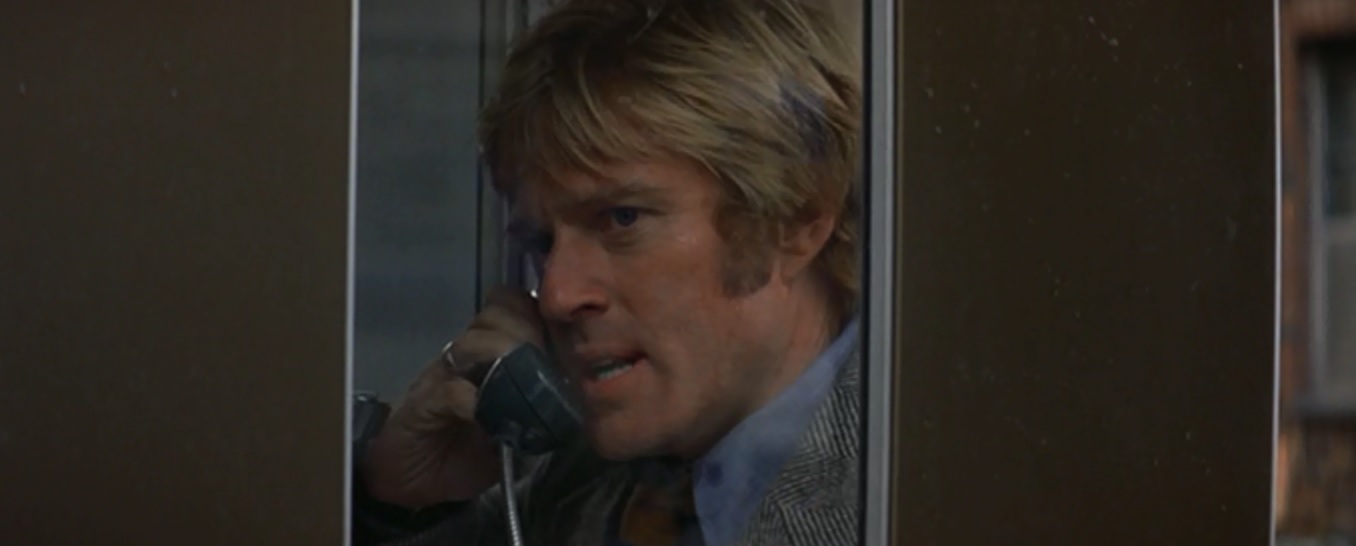
Lethal, cold, smart, and totally gripping, Sydney Pollack’s classic spy film Three Days of the Condor is a top-class genre entry, benefitting from its post-Watergate, paranoia induced atmosphere, with a charismatic star turn by Robert Redford as CIA codebreaker Joe Turner, an unassuming worker-bee who comes to the office one morning and finds all of his co-workers executed. Totally alarmed by the situation, Turner flees the scene, and reports the incident to his duplicitous bosses, who then set a menacing hitman, played by the legendary Max von Sydow in a silently ruthless bit of acting, to dispatch of him. Who, if anyone, can Turner trust, and will it be possible to escape the nefarious clutches of crooked government agents? Lorenzo Semple Jr. and David Rayfiel’s lean and graceful screenplay cut away any sense of narrative fat in favor of forward moving plotting with credible dialogue and exciting bursts of violent action. The supporting cast, including a gorgeous Faye Dunaway, Cliff Robertson, Addison Powell, and John Houseman, all provided excellent counterpoints to Redford’s leading-man heroics, which never end up going over the top, which keeps the film relatively grounded for the genre. Dave Grusin’s moody score provided an ominous tone right from the start, and as usual, Owen Roizman’s crisp and clean cinematography exerted a clarity and visceral force that kept everything in the moment and tension-filled, while Don Guidice’s expert editing made terrific use of jump-cutting, while also demonstrating a clear understanding of how long to keep any given scene going; this film feels needle-point precise. This is a film that has aged like a fine wine, and one that’s always worth a revisit.
We are pleased to be joined by Joel Copling of Joel on Film, who is a great friend of Podcasting Them Softly’s. We discuss Steven Spielberg’s masterful MINORITY REPORT as well as the top five performances of Tom Cruise and Samantha Morton!






 Podcasting Them Softly