Indie Gems: Humboldt County

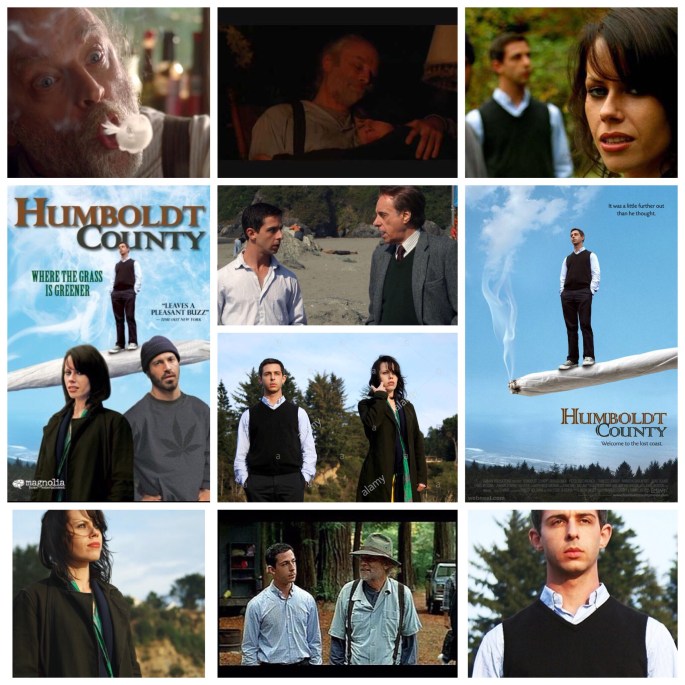
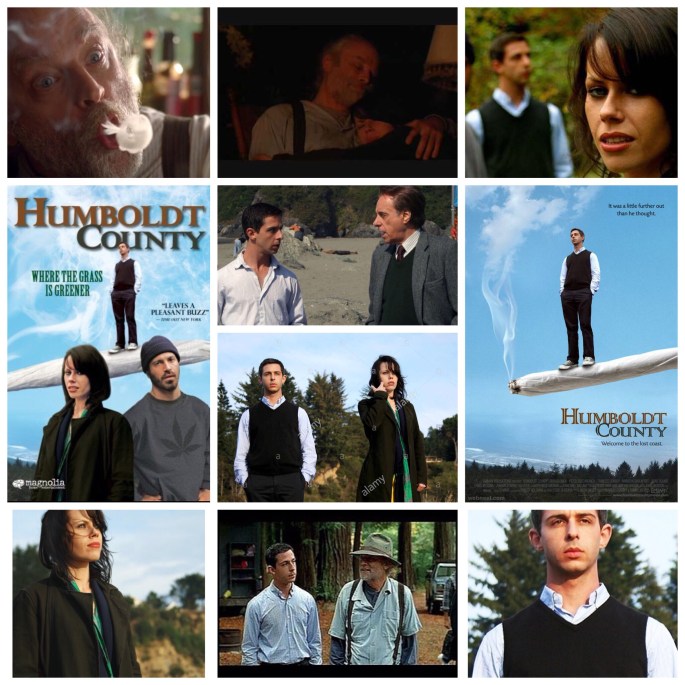
There’s a ton weed comedies out there, stoner slapstick silliness at every turn, but it’s not often that someone takes a serious stab at cannabis culture and uses the phenomenon to tell a moving, character driven story. Humboldt County is a painfully unknown gem about a community of rural pot growers in a tucked away nook somewhere in California, and the fish out of water med student (Jeremy Strong) who stumbles into their midst. After meeting restless free spirit Bogart (the great Fairuza Balk), they meander back into her isolated hometown where the locals grow marijuana solely for their consumption, a place where it’s a way of life. He comes from an academic background, has a Doctor father (Peter Bogdanovich) who’s trying project his legacy onto him by supervising his path through school. This rigid curriculum is upended by the people he meets and the customs he adopts here, and is the very definitional finding oneself. Legendary Brad Dourif shows up in one of his best non horror roles as Bogart’s father Jack, a scatterbrained pothead whose airy nature is contrasted by a deep compassion and fierce love for his family, especially when tragedy strikes. It’s not all idyllic either, especially when coldhearted Feds target their land and threaten what they’ve built. It’s a wonderful little film that not only sheds light on a now thriving industry and lifestyle that was just beginning to bloom back in the mid 2000’s, but a cathartic character study, a life lesson in loosening up, master class in acting from Strong, Balk and particularly Dourif, and a story worth telling. Smoke up.

-Nate Hill
Ready Player One

ready-player-one

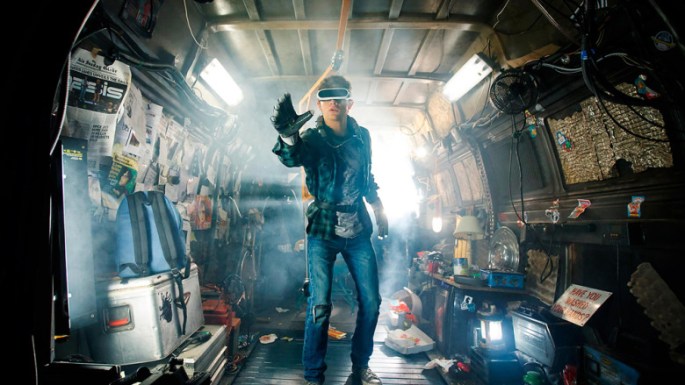
Ernest Cline’s 2012 novel Ready Player One has been dividing geek fandom since it hit the stands; for some it’s a delightful menagerie of 80s pop culture, and for others it’s warmed over name dropping with little originality.  The book is actually somewhere in the middle, a decent concept in these increasingly virtualized times that often lacked compelling characters and followed the pat three act arc so closely it’s got a magical cyber key to demarcate each one.  Cline received a rare blessing indeed when Steven Speilberg’s schedule actually lined up to allow his directorial involvement with the project to go forward, and we the audience are now treated to more than a few dollops of nostalgia mixed in with whip-crack visuals and a streamlined adventure fable that will inspire more than a few ear to ear grins.

Credit is due to Cline and co-screenwriter Zak Penn as well; digging through the variety of movies, characters and music the considerable Time Warner archive has to offer, they’ve swapped out a majority of the book’s references for new ones, completely trashed entire quests in favor of newer and better ones, and even managed to make the central love story pop—certainly moreso than it did on the page.  A game cast spends the majority of its facetime behind motion captured avatars, but in the real world (a surprisingly small-feeling backlot set of dirty streets and the offices of Corporate Evil Personified) we enjoy our time with the likes of Olivia Cook as the plucky Samantha and Ben Mendhelsohn, well on his way to being cast as the villain in every film from here on out.  New additions include TJ Miller’s alternately ominous and hilarious virtual henchman and Hannah John-Kamen as the IRL enforcer.  Our main hero, Parzival/Wade, isn’t much more than a video game hero writ large himself, but there’s more than enough going on at all times that we never feel too cheated by a fairly two dimensional lead. Readers of the source material who feel out of sorts after the significant changes to the early missions will be comforted by the spectacular finale, which keeps the important bits from the book and adds a few delights on top.

Spielberg injects just enough heart and soul into Ready Player One to make it the rarest of birds, a film adaptation that improves upon the book in any number of ways.  As an architect of much of the cultural magic that the book celebrated, he seems a natural choice, but in fact it’s his longstanding mastery of the mass entertainment that makes him the perfect fit.  He knows where to drop a joke, how to make use of a Hollywood classic or two, and when to keep things moving forward almost despite the digital barrage of characters and action swirling around every inch of the frame.  Cline’s been writing a sequel that no doubt will give another filmmaker the opportunity to step into this playland in a few years, but I’ll be surprised if it lives up to the gleeful ride Spielberg and his cohorts have cooked up here.

Ready-Player-One-Battletoads-El-Dragon-Eldar-Elite

B Movie Glory: Rough Draft

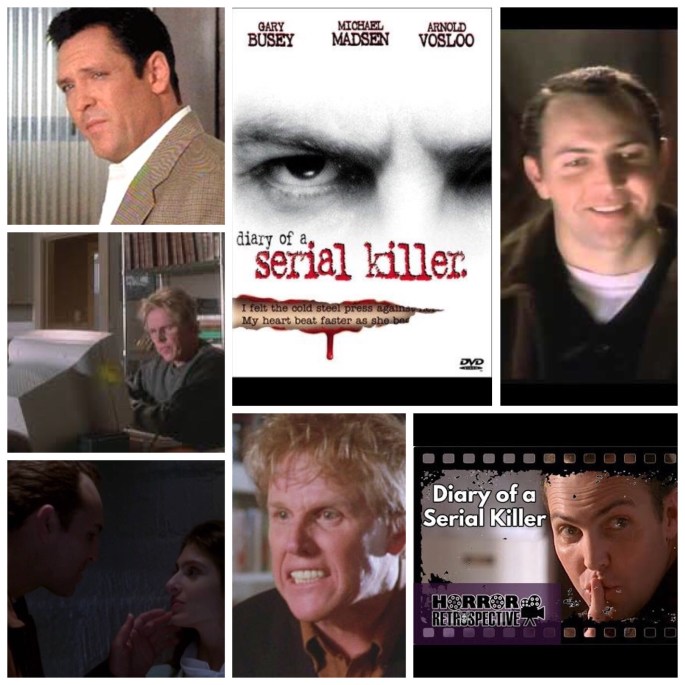
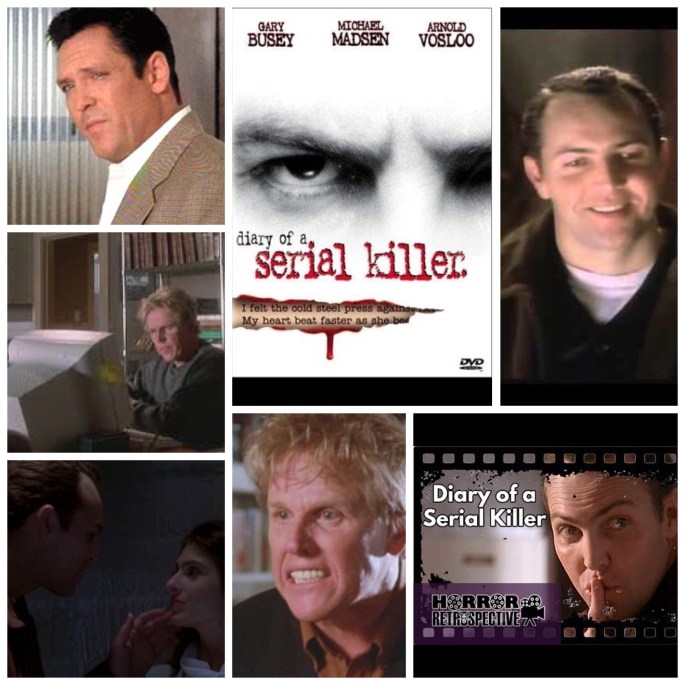
A serial killer whose nasty crimes attract the attention of a journalist, who reaches out and wants to document, understand and write about the sicko. Sounds like prime material for a streamlined big budget exercise, right? Not so much. Rough Draft is a slack jawed, barebones B Flick blessed with the undeserved talents of Arnold ‘Imhotep’ Vosloo, who plays a freaky knife murderer with a self proclaimed love for his victims. He’s terrific, but the film, and his two usually excellent character actor costars Gary Busey and Michael Madsen, just straight up flatline. Busey is a washed up journalist who accidentally witnesses switchblade wielding psycho Vosloo murder a girl, one in a series of targeted brunettes who have been turning up dead across the city. Instead of putting old Gary under the knife, he reaches out to him and wants his story told via the written word, a nervous proposition at best. Madsen is the cool cucumber detective who’s on the case, and so it goes. It’s strictly by the numbers DTV sludge though. Busey spends one scene in drag, which is not an image anyone could forget too soon. Madsen wears a ludicrous English golf hat thing and mumbles listlessly. Only Vosloo rises above the swamp, and it’s a shame the character didn’t get a better script/film to play in, because the guy plays him with expert menace as a lucid, intelligent, grinning monster who wields his switchblade as elegantly as his charisma. This one is buried somewhere deep in the jungles of 1997 straight to VHS purgatory, and may as well stay there to be honest. Also titled Diary Of A Serial Killer on some DVDs, but Rough Draft has more zest and ambiguity.

-Nate Hill

Jonathan Glazer’s Under The Skin

People often say that Jonathan Glazer‘s Under The Skin is one of those films you’ll either love or hate, and while I understand the stark precautionary sentiment, I think there’s more shades of grey than a knee-jerk reaction towards either side of the fence. I loved what the film did with sound, atmosphere, imagery and expectations. I hated how it made me feel overall. Detached. Alienated. Confused. Uneasy. Cornered by otherworldly stimuli. For what it’s worth, that’s most likely the intention behind the whole thing, and I applaud the genius in achieving a goal of exquisite discomfort, but I doubt anyone could blame me when I say that it’s a film I’ll watch once, and only once. Glazer goes for less of a conventional narrative and more of a dread inducing screensaver aesthetic, moving glacially through a series of events that seem to be both cohesive and just out of reach, toying with audience perception for a mood piece that is the cinematic equivalent to a particularly intense bout of disassociation. Scarlett Johannesson is as scary and sexy as one could get, playing some type of alien creature on a quiet, merciless rampage in various areas of Scotland. Seducing, destroying and stockpiling the pilfered essences of several unfortunate dudes who wander into her proverbial spiderweb, she, or rather ‘it’, eventually experiences some kind of inner awakening and undergoes a paradigm shift clearly brought on by her ongoing affiliation with those strange and sneaky creatures called human beings. If I’m being vague, it’s on purpose; there’s no gift wrapped cliff-notes for this baby, it’s something that makes its imprint on you in a language too illusory to impart in words. I’m reminded of other science fiction films like Darren Aronofsky’s Pi or E. Elias Merhige’s Begotten in the sense that most of what we see, hear and feel is not pleasing to the senses at all. Many heady sci-fi films are engineered to elicit positive emotional response from an audience, via a cathartic score, engaging production design and very human stories. Films like this, and the aforementioned, go out of their way to come across as cold, uncomfortable and stranded in a mist of off-putting hysteria. It’s a bold move whenever it happens. In the case of this film, it’s to give us a sense of what it must be like for an alien being to be thrown in with our lot here on earth. From the shrill, rhythmically jagged score by Mica Levi, to Scarlett’s alluring menace, to the murky nocturnal photography to the half mumbled daze of near incoherent dialogue, it’s all there to move us several planes away from ‘normal’, and get under our skin (hey that’s the title). Does it work? One hundred percent, and kudos, as it’s as scarily disorienting as they come. Is it pleasant moviegoing? Miles from it, it’s a beast built to provoke a reaction, and if you don’t like what it bristles up in you, you won’t hastily rewatch it anytime soon. I know I won’t.

-Nate Hill

Cult Rewind: Remo Williams the Adventure Begins

Image result for remo williams poster

Frank and Kyle are back with their Cult Rewind series, this time joined by Ben Cahlemer to discuss Guy Hamilton’s REMO WILLIAMS THE ADVENTURE BEGINS. The conversation does take a veer where the three of them discuss the 4K and Ultra High Definition formats, as well as Arrow Video.

Into the OTHERWORLD : An Interview with RICHARD STANLEY by Kent Hill

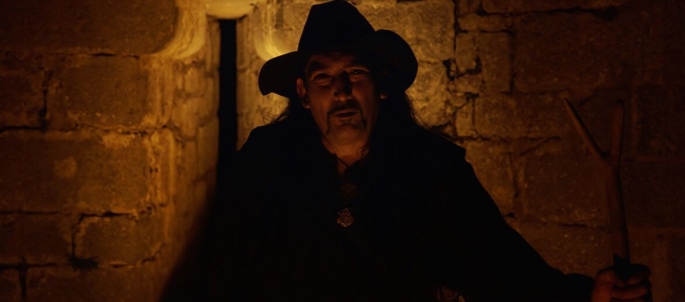
The-Otherworld-still3

It’s always a fascinating experience to sit down with Richard. The man is such a natural storyteller, with a unique perspective relating not only to cinema, but also to the world around him.

We caught up this time in the midst of bad weather, a troubled connection and, last but not least, a turbulent time in Richard’s beloved Montsegur. While our conversation touched upon this, along with the whys and wherefores of the situation, we eventually turned to movies. At this time it had been documented that Richard was again a part of an attempt to bring Moreau back to the screen – as a TV series. Having been hired by the same people that fired him during the doomed journey of his initial attempt, there seems to be, thanks to David Gregory’s documentary, a renewed interest in Richard’s take on his long-suffering passion project.

I did also bring up The Otherworld, which I had finally seen at the time. Stanley’s absorbing documentary-slash-ghost-story, and the myths and misconceptions surrounding it and ‘The Zone’ which forms the backdrop. Richard is steeped in the history of Montsegur and, flavored with his supernatural encounters, it is indeed a tale of great intrigue.

Also to we touched on, and I must say I highly anticipate, the writing of Richard’s autobiography. A project that was going smoothly until it was insisted, and initially resisted by its author, that a chapter be included on the subject of the collapse of Richard’s vision of Moreau. As thrilling a read as it will be – like I said Richard is a fascinating character – it will be equally riveting to finally have a recounting of the story from the embattled man at the center of the controversy.

Still, the future is full of possibilities, and I for one wait with inordinate eagerness for any and all of Richard’s creative endeavors to finally emerge . . . in whatever form they shall take.

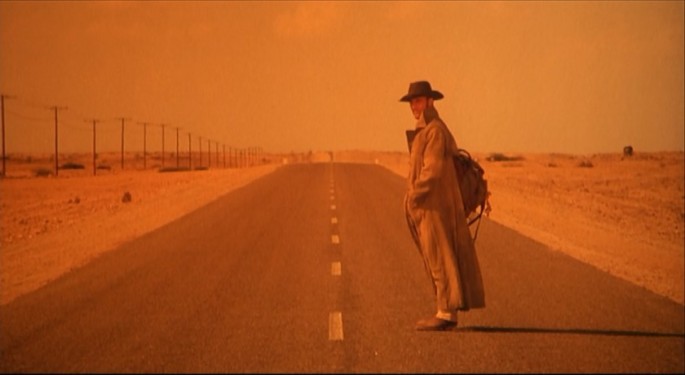
Dust_1-840x461


“Do we really suck, or is this guy really that good?” : An Interview with Michael Davis by Kent Hill (PART 1)

michael-davis-1465395106

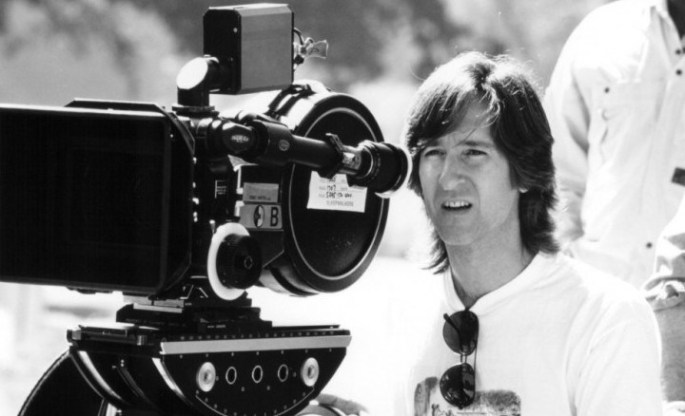
I really love this gig. I really do. I’ve had the distinction of being able to converse with many a hero and much admired artist over my time at PTS. There have though, been a few surprises along the way – and this was one of them.


I have long wanted to chat with Michael Davis. Part of it, and I’m sure you’ll agree having seen his films, that here is a man who went from making 100 Women to writing and directing the most-excellent, ballet of bullets that is Shoot ‘em Up. And you just need a few minutes of talking with Michael to understand how this was possible.

They say Scorsese has a machine-gun-mouth. Well listening to Michael is like standing next to Jesse Ventura firing Ol’ Painless. And – WOW – what a delight, the frenetic and passionate electricity that this man generates in infectious.


Michael’s initial overview of the birth of his career is one of the most entertaining I’ve ever heard. From his beginnings as a storyboard artist, to various writing assignments (don’t say Double Dragon out loud), to his eventual directorial debut; it’s a madcap movie marathon coming at you – at high speed!


Our conversation was so enthralling, so engaging, that I would be doing my guest a severe injustice to cut even a moment of it. So I shall be presenting it to you as a trilogy. Each section I promise is as entertaining as the last. So, don’t touch that dial, and prepare yourself to experience the filmmaking personification of the perfect storm that is . . . Michael Davis . . . . . . PART 1.

shoot-em-up-8


“CHEESEBURGERS, NO BONES!” : An Interview with Mick Garris by Kent Hill

Garris1

It took a while to get a hold of Mighty Mick – but I’m glad I had the patience. See Mick Garris is one helluva talented man. His passage through the movies is a veritable plethora of Amazing Stories – apart from the show-of-the-same-name where he achieved career lift off.

Since those early days he has gone on to become a prolific writer, director, producer, author, podcaster – the list goes on. He made me laugh with Critters 2, he was the writer of The Fly 2, which was one of the only times a film has forced me bring up my lunch, and he has conducted wonderful and insightful interviews with fellow filmmakers – some, sadly, that are no longer with us.

Through it all Mick remains the soft-spoken gentleman with a passion for his work and cinema in total. He has had a long successful run of adapting the works of Stephen King for the screen. I have vivid memories of sitting through, night after night, his extraordinary adaption of The Stand. This he beautifully followed up with further adaptions of Bag of Bones and The Shining, in which King adapted his own book, and which Mick credits as one of the best screenplays he’s ever read.

He was instrumental in bringing together the Masters of Horror as he was composing the elements which formed great movies either under his pen, or benefiting from his exquisite direction. Follow this link ( https://www.mickgarrisinterviews.com/  ) to Mick’s site and check out the bona fide feast of delights for cineastes he has on offer. As I said to the man himself, “You have a lot of fingers in a lot of pies, and I can’t wait to cut me a slice of whatever you serve up next.”

So, without further ado,  it is my privilege to present to you . . . the one, the only . . . Mick Garris.

Highlander 2: The Quickening

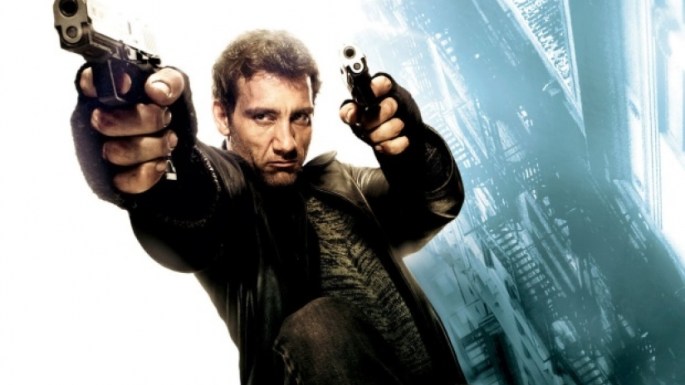
I have no words for Highlander 2 other than ‘what in the actual fucking fuck.’ I can’t call it Russell Mulcahy’s Highlander 2 because the poor guy tried to have his name removed from the credits, and who could blame him, really. In fact, it’s so thoroughly godawful it shouldn’t even be called Highlander, either. It’s ‘Movie X’, fit only for quarantine and to be blasted off into space so the folks on fictional planet Zeist can keep it. I love the first Highlander, it’s a camp cult rock n’ roll sci-fi sleeper classic, and any sequel would have large shoes to fill. What can be found here? Time travel. Outer space. An artificial ozone layer. Autistic porcupine alien assassins. Michael Ironside ripping off Clancy Brown’s beloved Kurgan villain so blatantly it hurts. Christopher Lambert in old age makeup that looks like it inspired Jackass’s Bad Grandpa. A Sean Connery montage visiting a tailor set to the William Tell Overture. I know all these ingredients could potentially brew up an even zanier cult classic than the original, but nope, no sir. This movie is a badly told story with scant context and zero continuity in both connective tissue to the first film and finding any organic roots of it’s own. Lambert’s Connor McLeod appears to be both old, young and somehow from a different planet, oh and he helped build a synthetic ozone layer to protect earth, a subplot both arbitrarily drawn up and coincidentally concocted around the same time as Total Recall came out, which I’m sure is just one big coincidence, ho ho. Ironside plays some radical called Katana who travels to earth and through time (wat) to kill Connor because there can be only one, a mantra that the film also happily dismantles in its earnest quest to bury the legacy of the first film in confusion and custerfuckery. I won’t even begin to describe Virginia Madsen’s haphazard love interest, a ‘scientist’ who winds up in bed with McLeod like minutes after she’s met him and seen him reverse age randomly and get young again. I’ve heard that Lambert would only do the film if Connery did too, and that the pair formed a bond working on the first film. The studio would have been better off just pitching their bucks in for the two of them to take a fishing trip together, no cameras involved, and save us all the headache.

-Nate Hill

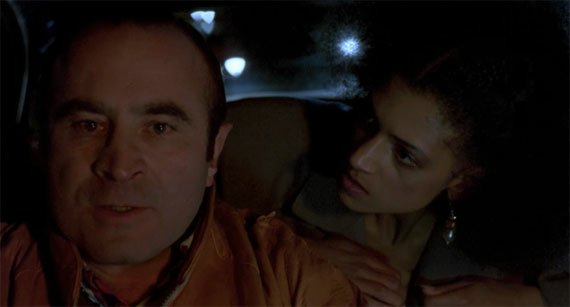
Neil Jordan’s MONA LISA

With its dark and seedy narrative, mixed with off beat humor and performances that are as touching as they are ferocious, Neil Jordan’s Mona Lisa is a wonderful deep cut from cinema’s most often overlooked decade, the 1980s.

Bob Hoskins gives a raw and emotionally charged performance as George, a man that time as well as life forgot while he served time in prison for his mob boss Mortwell, played by a sleazy and smarmy Michael Caine. George’s payoff is driving for a high class escort, the exotic Simoe played by Cathy Tyson.

As George’s infatuation for Simone turns into an a love struck obsession, Simoe starts to groom and manipulate George into a graphic and dangerous odyssy to find her friend lost in the rainy streets and swearty backrooms of London.

Neil Jordan pulls a coup de grâce with this film. Hoskins brings his brutish affability to a dangerous and fearsome world that he’s a stranger to; bringing a physicality and soft sensibility to a role that remains his finest on screen performance that boasts his tough guy persona yet yields the floor to his humor and warmth.

Perhaps one of the more underrated aspects of the film is Michael Caine’s turn as the vile and disgusting antagonist who plays in a shade of grey that remains one of Caine’s more unique turns in a career populated with fabulous performances.

The film excels at its bizarre nature, not only using Nat King Cole’s seminal tune of Mona Lisa, but also Genisis’ In Too Deep in an almost jarring montage that works perfectly and quickly becomes one of the most fascinating aspects of the picture.

Mona Lisa is an unsung classic that finds the sweet spot in the canon that is transgressive cinema. It does not compromise a facet of screen time, spending each frame building a brooding and haunting story of how sometimes love can be a wicked game.